

Sri Rama Navami 2025: How the Youth Are Rediscovering Lord Rama’s Legacy
In 2025, Sri Rama Navami is evolving into more than just a sacred tradition—it’s becoming a vibrant cultural revival led by Gen Z and millennials across the…
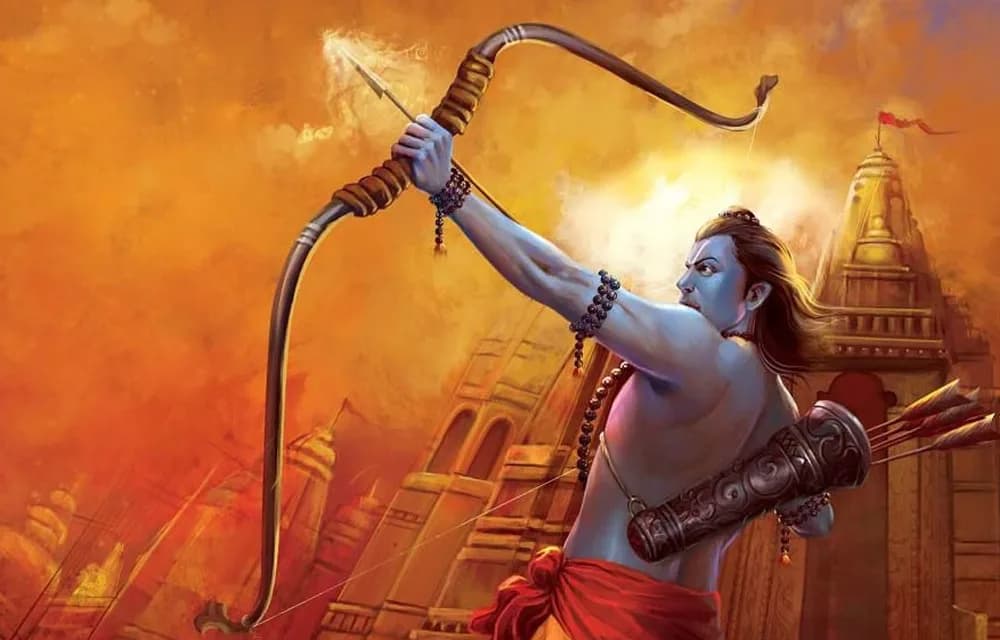
In 2025, Sri Rama Navami is evolving into more than just a sacred tradition—it’s becoming a vibrant cultural revival led by Gen Z and millennials across the…
In 2025, Sri Rama Navami is evolving into more than just a sacred tradition—it’s becoming a vibrant cultural revival led by Gen Z and millennials across the globe. What was once viewed as a day of temple visits and family rituals is now being reimagined through creativity, technology, and social consciousness.
The Digital Devotion: Social Media Meets Sanatana Dharma
Young devotees are turning to Instagram Reels, TikTok trends, and YouTube Shorts to celebrate the essence of Sri Rama Navami. From viral challenges like the #RamayanaChallenge to Devotional Dance Reels synced with bhajans, the values of truth, courage, and devotion embodied by Lord Rama are gaining fresh momentum online.
“I started sharing bite-sized stories from the Ramayana on Instagram, and the response was overwhelming,” says Aarav Sharma, a 22-year-old content creator from Bengaluru.
“People are hungry for authentic content—but in a format that’s engaging and relatable.”
Creativity in Devotion: Art, Music, and Storytelling
Across college campuses and virtual forums, youth are expressing their devotion through:
- Ramayana-inspired art contests
- Spoken word poetry evenings
- Virtual kirtan nights and Lo-fi Ram Bhajans
New-age artists and storytellers are also creating Ramayana webcomics, curating animated video content, and remixing traditional bhajans into chill-hop playlists—blending spirituality with aesthetics in a way that resonates deeply with today’s seekers.
Young Organizers, New Approaches
Temples across India, the US, UK, and Australia are seeing a refreshing wave of youth leadership during Rama Navami celebrations. From managing livestreams to hosting online Dharma quizzes and meme-based Q&A sessions, the younger generation is transforming ancient rituals into interactive experiences.
“We started an interactive session called ‘Ramayana Reloaded’ with memes, trivia, and Q&A,” says Meera Iyer, a 19-year-old volunteer from New Jersey.
“It’s amazing how youth relate to Rama when you explain his journey as a timeless hero.”
Bridging Tradition with Technology – www.HinduTone.com
To guide and amplify this digital bhakti movement, HinduTone.com serves as a vibrant space for youth to explore Lord Rama’s legacy in a way that feels authentic, accessible, and empowering.
Here’s what you’ll find:
- 📖 Simplified Ramayana stories tailored for young readers
- 🎧 Devotional music playlists for studying, working, or meditating
- 🧠 Youth-centric blogs on dharma, culture, and spiritual mindfulness
- 🗺️ Pilgrimage guides for Ayodhya and other sacred places—designed for young solo travelers
Whether you're reconnecting from a hostel room, co-working space, or a café abroad, HinduTone makes Sanatana Dharma easy to access, share, and live by.
Rama Navami: Not Just a Ritual, But a Revival
This Sri Rama Navami 2025, young Hindus around the world are showing that tradition and modernity don’t have to be at odds—they can coexist beautifully.
Through creative expression, digital devotion, and spiritual curiosity, today’s generation is not just celebrating Lord Rama, but truly living his values in contemporary ways.
Rediscover, Reconnect, Reimagine
Let 2025 be the year when Rama’s timeless tale inspires a new age of dharma-driven youth.
Stay rooted. Stay inspired.
Explore more on www.HinduTone.com.
What Does the Valmiki Ramayana Actually Teach That Still Speaks to Young People?
The Valmiki Ramayana, composed in 24,000 shlokas across seven kandas, is far more than a heroic narrative. Young readers engaging with translations by scholars are discovering that the Ayodhya Kanda, in particular, is a masterclass in ethical conflict — Rama's voluntary exile is not passive obedience but a conscious choice to uphold the institution of a promise (satya-pratijña) even at the cost of a throne. This resonates powerfully with a generation navigating their own tensions between personal ambition and family duty.
The Sundara Kanda, often recited in homes on Rama Navami, presents Hanuman as a model of purposeful initiative — he crosses the ocean not by divine shortcut but through disciplined effort, self-belief, and singular focus on his mission. For youth dealing with anxiety and distraction, this kanda offers a deeply practical archetype. Many reading groups on platforms like Discord are now doing chapter-by-chapter discussions of these kandas, often citing Sanskrit verses alongside English commentary.
The Significance of Chaitra Shukla Navami: Why the Timing of Rama Navami Is Sacred
Sri Rama Navami falls on the ninth tithi (Navami) of the bright fortnight (Shukla Paksha) of the month of Chaitra, which marks the first month of the Hindu lunar calendar. According to the Valmiki Ramayana (Bala Kanda, Sarga 18), Lord Rama was born at midday — the moment called Abhijit Muhurta — when the sun was in Aries (Mesha), and the Punarvasu nakshatra was ascendant. This precise astronomical alignment is why midday worship, or Madhyahna Puja, remains the ritual centrepiece of Rama Navami observance.
The Chaitra month itself carries significance in the broader Vedic calendar as a season of renewal, coinciding with the spring harvest in many parts of India. The combination of a new year beginning, peak solar energy, and the birth of the Maryada Purushottama — the one who perfectly upholds cosmic and social order — is understood in the dharmic tradition as a spiritually charged confluence. Temples such as Shri Ram Janmabhoomi in Ayodhya and Bhadrachalam Rama temple in Telangana draw hundreds of thousands of pilgrims specifically for the Madhyahna Abhishekam performed at this noon hour.
Bhadrachalam and Ayodhya: Two Epicentres of Rama Navami Celebration in 2025
The Sita Ramachandra Swamy temple at Bhadrachalam, situated on the banks of the Godavari River in Telangana, is one of the most significant Vaishnava shrines in South India. Every Rama Navami, the Kalyanam — the ceremonial wedding of Rama and Sita — is conducted here with jewels sent by the Government of Telangana, continuing a tradition said to have begun with the 17th-century devotee-saint Kancherla Gopanna, popularly known as Bhakta Ramadasu. In 2025, the event is expected to draw pilgrims from across Andhra Pradesh, Telangana, and Maharashtra.
In Ayodhya, the consecrated Sri Ram Janmabhoomi temple — which saw its Prana Pratishtha in January 2024 — will host its first Rama Navami with the full sanctum open to public darshan. The occasion has generated unprecedented interest among young Hindus both in India and abroad, many of whom are planning their first-ever pilgrimage to Ayodhya specifically for this celebration. Youth travel groups and dharmic tour communities have organised guided yatras combining the Rama Navami Abhishekam with visits to Hanuman Garhi and Kanak Bhawan, turning pilgrimage into an immersive cultural learning experience.
Rama as Maryada Purushottama: Understanding the Title That Defines His Legacy
The epithet Maryada Purushottama — meaning 'the highest among men who upholds the boundaries of righteousness' — is not merely a honorific. It describes a philosophical ideal central to the Ramayana's purpose. Maryada refers to the limits and codes (dharmic boundaries) that sustain social trust, from keeping one's word to honouring relationships across hierarchy. Rama is presented as the living demonstration that these codes can be upheld even under extreme personal suffering, which is precisely why the Ramayana functions as a niti-shastra (guide to righteous conduct) alongside its devotional role.
For young Hindus engaging with questions of integrity in professional and social life, this concept offers a framework that is neither rigid moralism nor relativism. Discussions in university dharma clubs and online forums increasingly reference Rama's conduct in the Kishkindha Kanda — where he forms an alliance with the exiled Sugriva — as an example of principled diplomacy and covenant-keeping. The message is that dharmic leadership is relational, not merely rule-following.
From Tulasidas to Today: How the Ram Charit Manas Shaped Popular Devotion Across Generations
While the Valmiki Ramayana is the foundational Sanskrit source, the Awadhi-language Ram Charit Manas composed by Goswami Tulasidas in the 16th century CE is the version most deeply embedded in North Indian devotional life. Tulasidas composed it at Varanasi (Kashi), and the text's accessible language made the story of Rama available to ordinary people across caste and literacy divides. Its Sundara Kanda and Bal Kanda remain among the most memorised religious texts in Hindi-speaking India.
Today, a younger generation is revisiting the Ram Charit Manas not only devotionally but analytically — studying its Dohas (couplets) for their condensed ethical wisdom. Lines such as 'Siya Ram maya sab jag jani, karahu pranam jori jug pani' — recognising the entire world as pervaded by Sita-Rama — are being shared as contemplative captions on social media, stripped of performance and offered as genuine reflection. This movement from ceremonial recitation to personal internalisation marks a meaningful shift in how the text is being received by the under-30 demographic.
How Youth-Led Seva Projects Are Honouring Rama's Values Beyond the Festival Day
One of the clearest signs that the Rama Navami revival is substantive rather than merely aesthetic is the growth of year-round seva (selfless service) initiatives inspired by the festival. Youth organisations in cities like Hyderabad, Chennai, and Bengaluru have launched Ramayana-inspired community projects — including food distribution drives named after Shabari's hospitality to Rama, and mentorship programmes modelled on the Guru-shishya dynamic between Rama and Vishwamitra.
In the diaspora, Hindu Students Councils and Sanatana youth groups in the United States and the United Kingdom have used Rama Navami as a launch point for interfaith dialogue events, presenting Rama's inclusive alliances — with Nishadraj Guha, the tribal chieftain, and with the vanara community — as scriptural evidence of a dharmic ethic that crosses social boundaries. These readings are grounded in specific Ramayana episodes rather than vague appeals to universalism, giving them credibility with both devotees and curious outsiders.
Frequently Asked Questions
When is Sri Rama Navami?
Sri Rama Navami is observed on its traditional tithi in the Hindu lunar calendar; refer to the year's panchang for the exact date in your region.
What is the significance of Sri Rama Navami?
In 2025, Sri Rama Navami is evolving into more than just a sacred tradition—it’s becoming a vibrant cultural revival led by Gen Z and millennials across the globe. What was once viewed as a day of temple visits and family rituals is now being reimagined through creativity, technology , and social consciousness .
How is Sri Rama Navami celebrated?
Devotees observe it with puja, fasting or special offerings, visiting temples, chanting mantras, and gathering with family. Customs vary by region and tradition.
What should devotees do on Sri Rama Navami?
Worship Lord Rama, perform the day's puja and offerings, observe the fast where prescribed, and chant the associated mantras with devotion.
You might also like

Sri Suktam: Complete Guide to the 15-Verse Vedic Hymn to Goddess Lakshmi
Gayatri Jayanti 2026: Date, Gayatri Mantra, Puja Vidhi & Significance
Hindu Festival Calendar 2026 — Complete Guide for NRIs (Dates, Tithis, Puja)