Vamana Dwadashi: Significance, History, Poojas, and Celebrations
Vamana Dwadashi, also known as Vamana Jayanti, holds a profound place in the hearts of Hindus.
Vamana Dwadashi, also known as Vamana Jayanti, holds a profound place in the hearts of Hindus.
Vamana Dwadashi, also known as Vamana Jayanti, holds a profound place in the hearts of Hindus. Celebrated on the 12th day (Dwadashi) of the Shukla Paksha in the Bhadrapada month, it marks the birth anniversary of Lord Vamana, the fifth incarnation of Lord Vishnu. This day is spiritually significant and rich in cultural rituals celebrated across India with devotion.
Historical and Mythological Significance
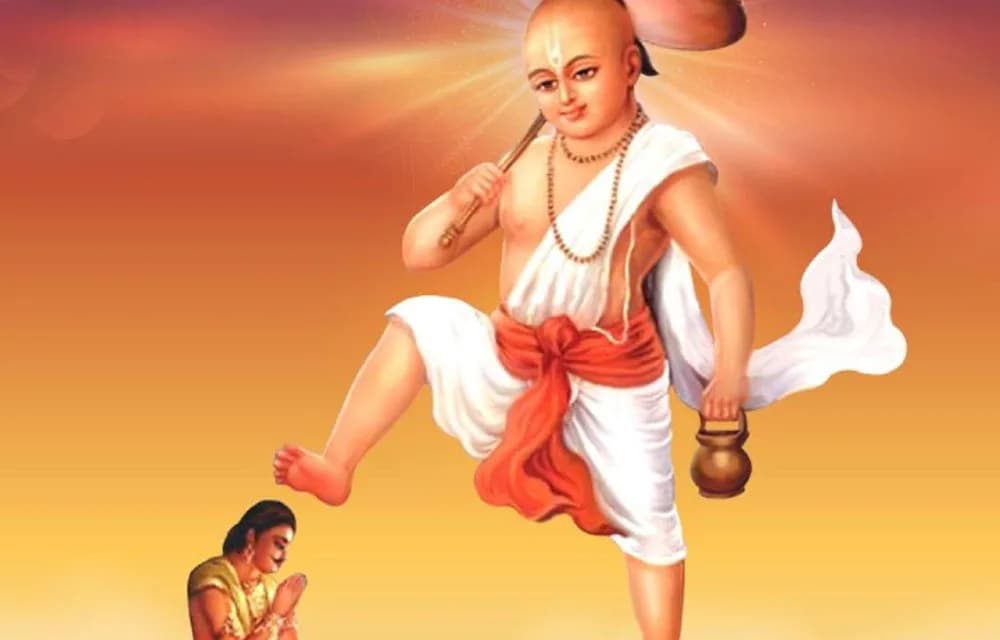
Vamana Dwadashi commemorates the divine appearance of Lord Vishnu in his Vamana (dwarf Brahmin) avatar to subdue the pride of King Mahabali, a generous but egoistic demon king.
According to the Bhagavata Purana, Lord Vamana approached Bali during a yajna and requested three paces of land. He then expanded to cosmic proportions, covering the universe in two steps. With no space for the third, Bali offered his head, symbolizing surrender and humility. This act earned him reverence among devotees.
Importance to Hindus
- Symbol of Dharma and Devotion
Vamana avatar highlights the power of humility and complete surrender to God. - Balance of Ego and Bhakti
Teaches the need to overcome pride through spiritual devotion. - Spiritual Purification
Fasting and rituals on this day are believed to cleanse past sins and bring moksha (liberation).
Pooja Vidhi (Ritual Process)
Preparations
- Clean the puja space thoroughly.
- Decorate with flowers and rangoli.
- Set up an image or idol of Lord Vamana or Lord Vishnu.
Step-by-Step Rituals
- Sankalpa – Take a vow to observe the vrat with devotion.
- Kalasha Sthapana – Install a sacred pot representing divine energy.
- Abhishekam – Bathe the idol with milk, honey, ghee, curd, and water.
- Alankarana – Decorate the idol with clothes, flowers, and ornaments.
- Naivedyam – Offer food items like jaggery rice, fruits, and sweets.
- Mantra Chanting – Recite Vishnu Sahasranama and Vamana mantras.
- Aarti and Prarthana – End the pooja with aarti and devotional singing.
How to Celebrate Vamana Dwadashi
- Fasting: Many observe a fast or consume only fruits and milk until the evening.
- Temple Visits: Attend special Vishnu temple events and discourses.
- Charity: Donate clothes, food, and money to the needy.
- Bhajans & Kirtans: Sing devotional songs and hymns in praise of Lord Vishnu.
- Scripture Reading: Read the Vamana Purana and stories of Lord Vishnu's avatars.
Powerful Mantras to Chant
✦ Om Namo Bhagavate Vamanaya Namah
✦ Om Vamanaya Namah
✦ Om Trivikramaya Namah
✦ Om Shri Vishnave Namah
✦ Vishnu Sahasranama Stotra
Chanting these mantras with devotion is believed to bring peace, spiritual strength, and divine blessings.
Conclusion
Vamana Dwadashi is more than a ritual—it is a celebration of righteousness, humility, and divine justice. By observing this sacred day, devotees are reminded of the values of surrender, ego control, and devotion to dharma. Whether at home or in a temple, honoring Lord Vamana brings one closer to spiritual growth and inner peace.
What do the Vedas and Puranas say about the Vamana Avatar?
The Vamana avatar is described in considerable detail across several Puranic texts. The Bhagavata Purana (Book 8, Chapters 15–23) provides the most elaborate account, narrating how Aditi, mother of the Devas, performed the Payovrata — a twelve-day fast and worship of Vishnu — to secure his intervention against Bali Chakravarti. In response, Vishnu himself descended as her son, born under the Shravana nakshatra on the Dwadashi tithi of Bhadrapada Shukla Paksha.
The Vishnu Purana and the Vamana Purana — one of the eighteen Mahapuranas dedicated entirely to this avatar — further elaborate on Vamana's appearance: golden-complexioned, carrying an umbrella (chatra), a water pot (kamandalu), and a staff, wearing a sacred thread and deer skin. The Rigveda itself foreshadows this cosmic act in the famous 'Vishnu Sukta' (Rigveda 1.154), which praises Vishnu's three great strides — 'trivikrama' — that measured heaven, earth, and the intermediate realm, a direct mythological basis for the Vamana legend.
Who was King Mahabali, and why is he still revered today?
Mahabali, also called Bali Chakravarti, was the grandson of Prahlada and great-grandson of Hiranyakashipu, belonging to the lineage of Diti. Despite his asura birth, he was renowned for his extraordinary generosity, truthfulness, and administrative justice. The Bhagavata Purana describes his reign as one in which adharma was largely absent from his kingdom — citizens were prosperous, disease was minimal, and no poverty existed. This moral stature is precisely why his story endures as a study in the complexity of dharma rather than a simple good-versus-evil narrative.
Vamana, after receiving the three steps of land and sending Bali to Sutala (the netherworld), granted him a remarkable boon: Mahabali would rule Sutala as its king and would be granted the position of Indra in a future cosmic cycle (Manvantara). This grace reflects the Vaishnava theological concept that complete surrender to Vishnu — prapatti — transforms even a defeat into spiritual elevation. The annual festival of Onam in Kerala commemorates Mahabali's legendary return to visit his people, demonstrating how his memory has remained beloved across millennia.
Which temples across India hold special celebrations on Vamana Dwadashi?
The Thrikkakara Temple near Ernakulam in Kerala is considered one of the most sacred sites associated with Lord Vamana and draws large gatherings during Onam and Vamana Jayanti. The presiding deity here is Thrikkakara Appan, a form of Vamana, and the temple is believed to stand on the very spot where Vamana placed his first cosmic footstep. The Vamana Temple in Vrindavan, Uttar Pradesh, one of the few temples in North India dedicated exclusively to the Vamana avatar, conducts a special abhishekam and alankara on Vamana Dwadashi.
At the Tirumala Venkateswara Temple in Tirupati, Andhra Pradesh, Lord Vishnu's Vamana aspect is honoured through a special thiruvaradhanam (sacred worship) on this day. In Puri, Odisha, the Jagannatha Temple observes rituals connecting the Trivikrama form of Vishnu to the Dwadashi tithi. Devotees visiting these temples on Vamana Dwadashi are traditionally believed to receive the accumulated merit (punya) of a full year's devotion, as stated in the Vamana Purana's phala-shruti section.
What is the deeper philosophical meaning of Trivikrama, the cosmic expansion of Vamana?
When Lord Vamana expanded into Trivikrama — the cosmic form spanning all three worlds — the act carries layered theological significance beyond the narrative of defeating Bali. In Vaishnava Vedanta, the three strides represent Vishnu's all-pervasiveness (vibhutva): his first step covers the earth (prithvi), the second the heavens (svarga), and the intended third, which Bali offers his head for, represents the realm of the self or individual consciousness. The story thus becomes an allegory of the complete surrender of the ego — ahamkara — to the Supreme.
Sri Vedanta Desika, the 13th–14th century Vaishnava theologian and poet, composed the Vamana Stotra and elaborated on Trivikrama in his Dashavatara Stotra, describing how each stride of Vishnu sanctified the three planes of existence. The famous phrase 'Urugaya' found in the Rigveda (1.154.2) — meaning 'the wide-striding one' — is interpreted by classical commentators as a direct reference to Trivikrama. This cosmic imagery reminds devotees that Vishnu's grace is as boundless as the universe itself.
What fasting rules and dietary guidelines are traditionally observed on Vamana Dwadashi?
The Vamana Dwadashi vrat follows the standard Ekadashi-Dwadashi fasting cycle observed by Vaishnavas. Ideally, the devotee begins with a partial or full fast on the preceding Ekadashi (the 11th day) and maintains the vrat into Dwadashi. On Vamana Dwadashi itself, the fast is typically broken only after the completion of morning worship, the chanting of Vishnu Sahasranama, and the ritual offering of Naivedyam. Foods traditionally offered and later consumed as prasad include yellow-coloured sweets, jaggery-based rice (sakkarai pongal), ripe bananas, and coconut.
Classical Dharmashastra texts advise avoiding rice cooked with salt, lentils, and certain vegetables such as onion and garlic on this day, as these are considered tamasic. Sesame seeds (tila) hold special importance in the puja, as they are associated with Vishnu and are traditionally used in both offerings and parana (the ritual breaking of the fast). Devotees are also encouraged to donate food, clothing, or footwear to Brahmins or the needy, an act that mirrors King Mahabali's own famous generosity — ritually reenacting the spirit of dana that the entire festival celebrates.
How is Vamana Dwadashi connected to the broader Chaturmas and monsoon-season observances?
Vamana Dwadashi falls within the Chaturmas period — the four sacred months of Ashadha, Shravana, Bhadrapada, and Ashvina — during which Lord Vishnu is said to rest in cosmic sleep (Yoga Nidra) on the serpent Adi Shesha. This period begins with Ashadi Ekadashi (Devshayani Ekadashi) and concludes with Prabodhini Ekadashi (Kartik). Vamana Jayanti, arriving in Bhadrapada, thus occurs at the midpoint of Vishnu's cosmic rest, and celebrating it is considered especially meritorious because one worships Vishnu even in his period of inward withdrawal.
Many Vaishnava monasteries (mathas) and temples intensify their devotional programmes during Bhadrapada specifically because this month contains both Krishna Janmashtami and Vamana Dwadashi, honouring two of Vishnu's ten principal avatars within days of each other. This clustering of avatara-related observances during Chaturmas is understood, in the Pancharatra Agama tradition, as a time when the boundary between the divine and earthly realms is at its thinnest — making sincere worship, fasting, and scriptural study especially transformative for the devotee.
Frequently Asked Questions
When is Vamana Dwadashi?
Vamana Dwadashi is observed on its traditional tithi in the Hindu lunar calendar; refer to the year's panchang for the exact date in your region.
What is the significance of Vamana Dwadashi?
Vamana Dwadashi , also known as Vamana Jayanti , holds a profound place in the hearts of Hindus. Celebrated on the 12th day (Dwadashi) of the Shukla Paksha in the Bhadrapada month, it marks the birth anniversary of Lord Vamana , the fifth incarnation of Lord Vishnu .
How is Vamana Dwadashi celebrated?
Devotees observe it with puja, fasting or special offerings, visiting temples, chanting mantras, and gathering with family. Customs vary by region and tradition.
What should devotees do on Vamana Dwadashi?
Take a sacred bath, perform the day's puja and charity (dana), observe any prescribed fast, and chant mantras with sincere devotion.
You might also like
June 2026 Hindu Festival Calendar — Complete Dates, Vrat & Puja Guide for NRIs
Shani Deva Temples Worldwide & Must-Performed Rituals — Complete Devotee's Guide
Karthika Masam 2026: Dates, Rituals, Vrat, Festivals & North vs South India Guide