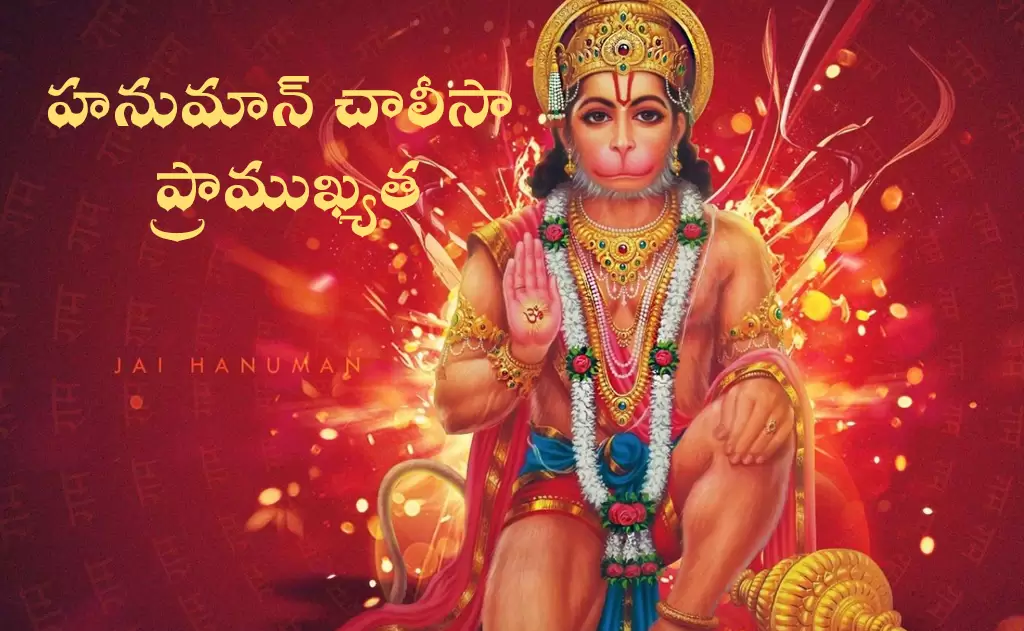
Why Hanuman Jayanti is Celebrated Twice a Year: Significance and Explanation
Hanuman Jayanti, the birth anniversary of Lord Hanuman, holds immense spiritual significance in Hinduism.
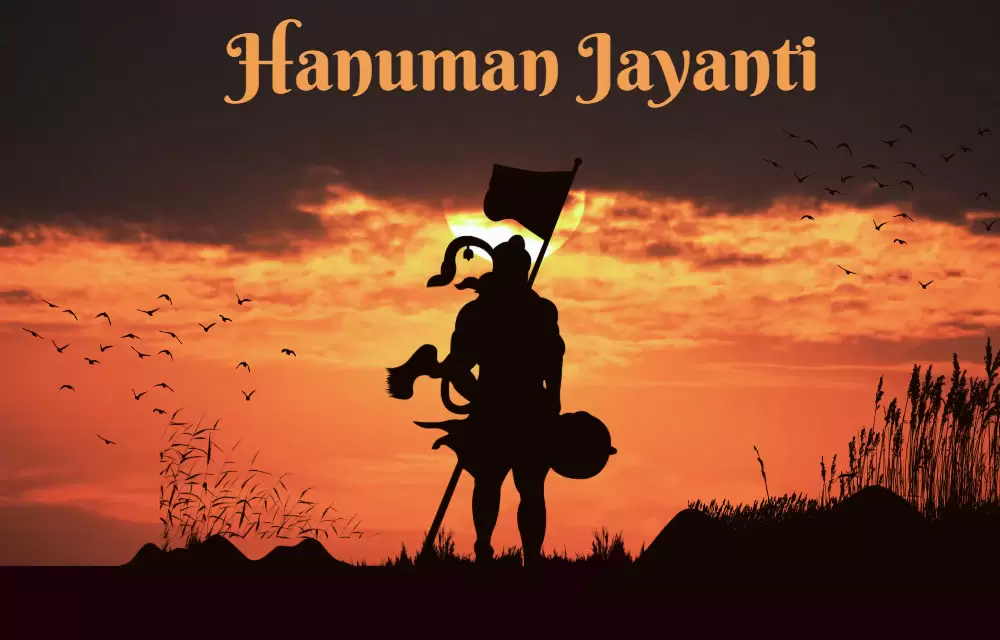
Hanuman Jayanti, the birth anniversary of Lord Hanuman, holds immense spiritual significance in Hinduism. As the revered vanara (divine monkey), Hanuman embodies unparalleled strength, devotion, and selfless service. What makes his celebration unique is that Hanuman Jayanti is observed twice a year—a tradition shaped by regional beliefs, spiritual symbolism, and calendrical variations.
So, why does this powerful deity have two birth anniversaries? Let's explore the mythological, regional, and astrological perspectives that explain this fascinating dual observance.
The Mythological Origins of Hanuman Jayanti
The Birth of Lord Hanuman
According to Hindu scriptures, Lord Hanuman was born to Anjana and Kesari, and is considered a manifestation of Lord Shiva. His birth took place on Chaitra Purnima—the full moon day of the Hindu month of Chaitra. The wind god Vayu (Pawan Dev) played a role in bestowing Hanuman with life, earning him the name Pawanputra.
Hanuman’s Divine Role in the Ramayana
Hanuman's life is intricately tied to Lord Rama’s mission in the Ramayana. From leaping across the ocean to Lanka to burning Ravana’s city and carrying the Sanjeevani herb to save Lakshmana, Hanuman represents fearless devotion, humility, and divine strength. His actions made him a deity worshipped across all regions of India.
Why Hanuman Jayanti Is Celebrated Twice
1. Chaitra Purnima Hanuman Jayanti (March–April)
- Region: Predominantly observed in North India.
- Occasion: Celebrates the physical birth of Lord Hanuman.
- Date: Falls on the full moon day (Purnima) in the month of Chaitra.
This is the most widely observed Hanuman Jayanti, with large gatherings at temples, special pujas, and processions dedicated to Hanuman.
2. Margashirsha Amavasya Hanuman Jayanti (December–January)
- Region: Celebrated primarily in South Indian states like Tamil Nadu and Karnataka.
- Occasion: Marks the day Hanuman first met Lord Rama, signifying his spiritual awakening or second birth.
- Date: Observed on the new moon day (Amavasya) in Margashirsha or Margazhi month.
Here, the focus is not on Hanuman’s physical birth but on his spiritual initiation, emphasizing his role as Rama’s greatest devotee.
Regional Significance: North vs. South
This distinction highlights the diversity within Hindu tradition, where the same deity is honored in different ways based on local lore and devotional focus.
Astrological & Scriptural Perspectives
Some interpretations suggest that Hanuman's divine nature is so expansive that he deserves multiple observances. Lunar and solar calendars used across different Indian regions further contribute to the split in observance. In some astrological traditions, the alignment of celestial bodies during these months is believed to enhance Hanuman's spiritual influence.
Rituals and Practices on Hanuman Jayanti
Regardless of the date or region, the rituals remain largely similar in spirit:
- Chanting Hanuman Chalisa: A 40-verse hymn invoking Hanuman’s blessings.
- Offering Sindoor (vermilion): Symbolizing strength and devotion.
- Temple visits: Devotees flock to Hanuman temples, especially on Tuesdays and Saturdays.
- Fasting and prayer: Observed to invoke courage, protection, and peace.
- Reading Sundara Kanda: The Ramayana’s section dedicated to Hanuman’s heroic exploits.
Conclusion
Hanuman Jayanti is more than a festival—it’s a spiritual celebration of eternal faith, courage, and unconditional service. Whether celebrated during Chaitra or Margashirsha, the essence remains the same: honoring Lord Hanuman’s power and devotion.
This dual celebration reflects India's rich spiritual diversity and the many ways in which deities are woven into the cultural and cosmic rhythms of life.
FAQs
1. Why are there two Hanuman Jayantis in a year?
Different regions follow distinct calendars and traditions—some focus on his physical birth, while others honor his spiritual initiation.
2. Which Hanuman Jayanti is more important?
Both are equally revered. The significance depends on regional and cultural perspectives.
3. Can devotees celebrate both Hanuman Jayantis?
Yes, many devotees observe both to deepen their connection with Lord Hanuman.
4. Is fasting compulsory on Hanuman Jayanti?
Fasting is optional but widely practiced as a mark of devotion and spiritual discipline.
5. What are the benefits of celebrating Hanuman Jayanti?
Celebrating Hanuman Jayanti is believed to bring strength, protection from evil, peace of mind, and divine guidance.
Frequently Asked Questions
When is Why Hanuman Jayanti is Celebrated Twice a Year?
Why Hanuman Jayanti is Celebrated Twice a Year is observed on its traditional tithi in the Hindu lunar calendar; refer to the year's panchang for the exact date in your region.
What is the significance of Why Hanuman Jayanti is Celebrated Twice a Year?
Hanuman Jayanti, the birth anniversary of Lord Hanuman, holds immense spiritual significance in Hinduism. As the revered vanara (divine monkey), Hanuman embodies unparalleled strength, devotion, and selfless service .
How is Why Hanuman Jayanti is Celebrated Twice a Year celebrated?
Devotees observe it with puja, fasting or special offerings, visiting temples, chanting mantras, and gathering with family. Customs vary by region and tradition.
What should devotees do on Why Hanuman Jayanti is Celebrated Twice a Year?
Worship Lord Hanuman, perform the day's puja and offerings, observe the fast where prescribed, and chant the associated mantras with devotion.
Share this with family and friends
Send it on WhatsApp, post it, or copy the link.
More from Festivals
- Mirabai Jayanti 2026: A Living Symbol of Krishna Bhakti – Life, Significance and Bhajans
- Masik Shivaratri 2027 Dates: Monthly Shivaratri List, Nishita Kaal Times and Dates Abroad
- Sankashti Chaturthi 2027 Dates and Moonrise Times: Full List for India and Abroad
- Pradosh Vrat 2027 Dates: All 25 Pradosham Days, Pradosh Kaal Times and Dates Abroad
- Amavasya 2027 Dates: New Moon Days, Darsha Amavasya, Tithi Times and Dates Abroad
You might also like
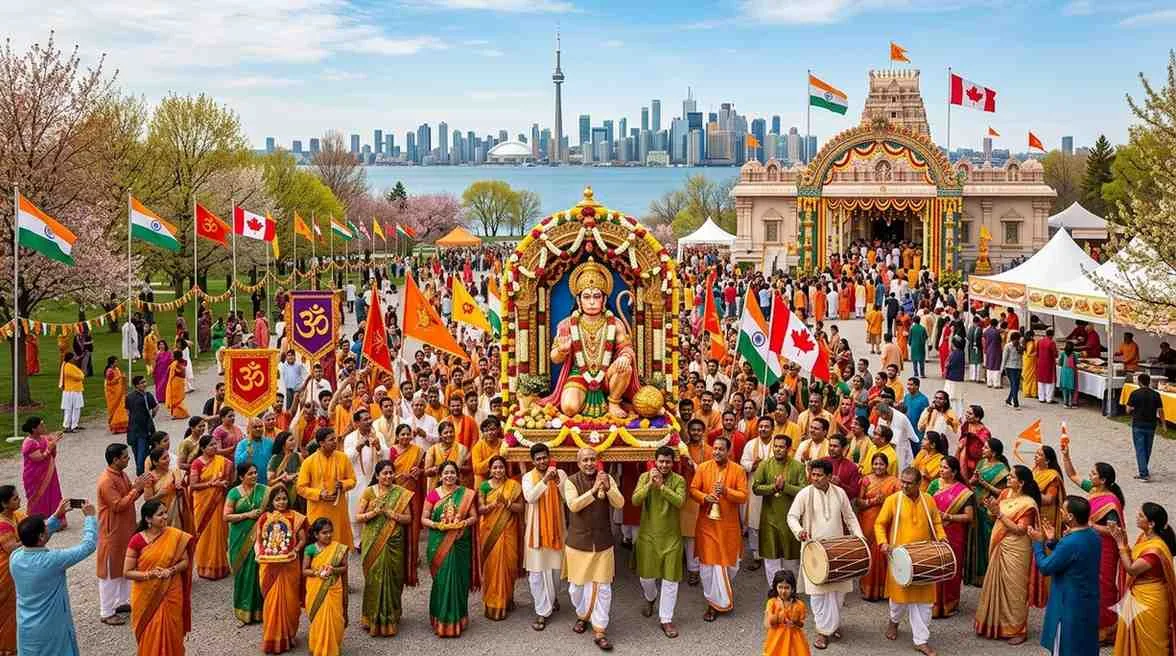
Hanuman Jayanti 2026 in Canada: Indian Diaspora Celebrates Lord Hanuman with Grand Devotion Across Provinces
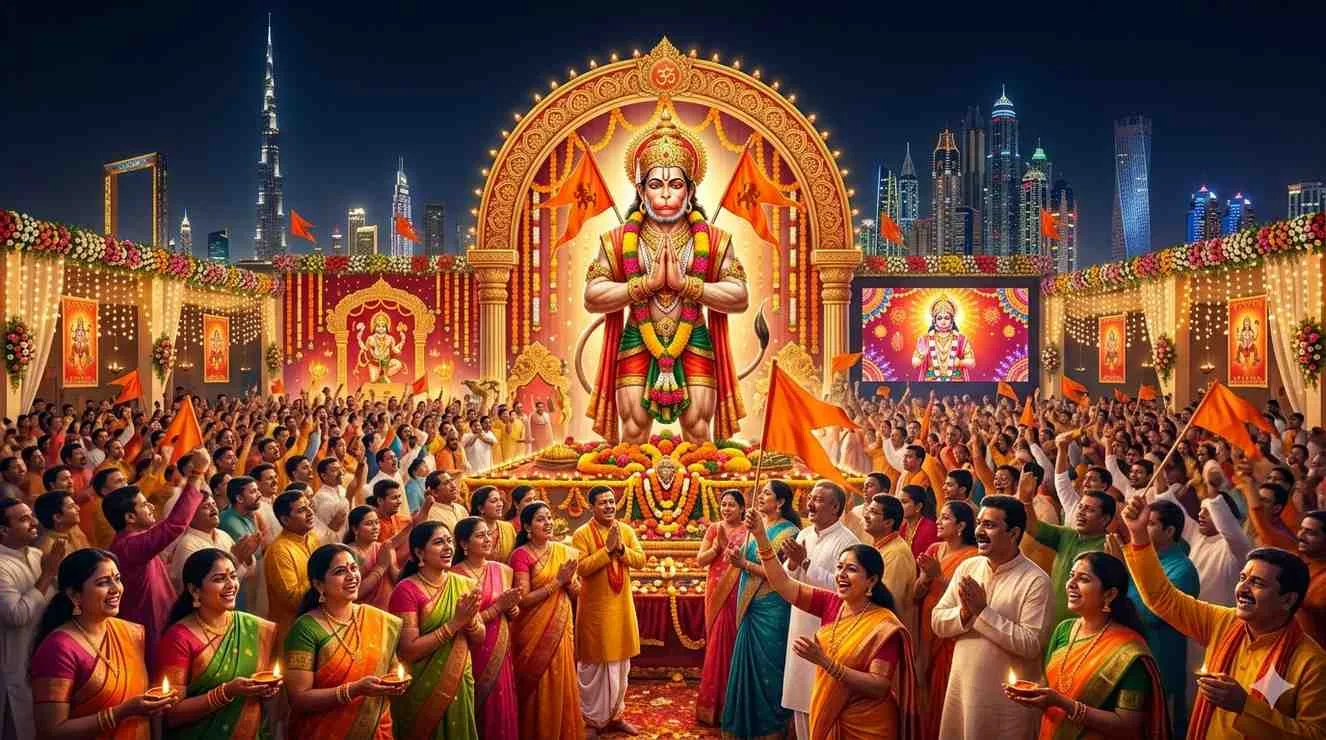
Hanuman Jayanti 2026 in UAE: Indian Community in Dubai, Abu Dhabi & Sharjah Celebrates Bajrangbali with Immense Devotion
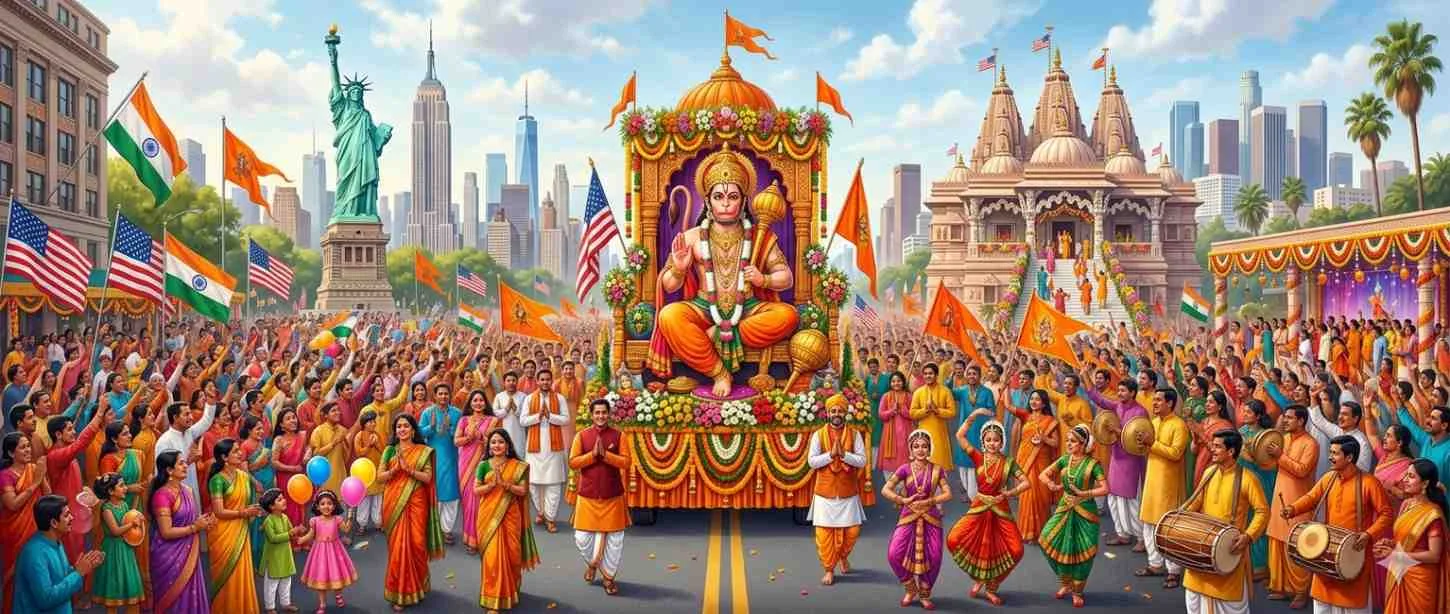
Hanuman Jayanti 2026 in USA: Indian Diaspora Celebrates Bajrangbali with Grand Devotion Across Cities, States & Temples