
Global Hindu Presence
Over 30 million Hindus live outside India today — the largest religious diaspora in history. From the indentured labour migrations of the 19th century that took Sanatana Dharma to Fiji, Mauritius, Guyana, Trinidad, South Africa and Suriname, to the post-1965 wave of Indian-American scientists and engineers, to the contemporary post-2000 Hindu professionals across the UK, Canada, Australia and the UAE — the diaspora has built one of the most extensive temple networks anywhere in the world. The BAPS Akshardham in New Jersey, the Hindu Society temple in Lemont (Chicago), Sri Venkateswara temple in Pittsburgh, the Neasden Mandir in London, the Sri Venkateswara temple in Helensburgh (Sydney), the Hindu Temple of Atlanta — each anchors a thriving Hindu civic life thousands of miles from India. HinduTone's Hindu Diaspora hub covers the global Hindu story: country-by-country guides to major temples and where to celebrate each festival, NRI-friendly puja vidhis with timezone-adjusted muhurats, how to teach Hindu practice and language to children growing up abroad, the legal and cultural challenges of practicing Sanatana Dharma in different countries (from cremation regulations to school holiday accommodations), the NRI investment and gold-buying traditions tied to Hindu festivals, and the work of major diaspora-serving organisations (BAPS, ISKCON, Chinmaya Mission, Arsha Vidya, VHP-America, HSS). We cover the diaspora regionally: the USA (the largest Hindu community outside India, with strong concentrations in NJ, TX, CA, IL, GA), the UK (around 1 million Hindus, the oldest established Western community), Canada (rapidly growing Sikh-Hindu Punjabi base + Tamil and Gujarati communities), Australia and New Zealand, the UAE and the Gulf, Singapore and Malaysia, South Africa, the Caribbean (Trinidad, Guyana, Suriname), Fiji and Mauritius. Browse country-specific articles and event guides below.
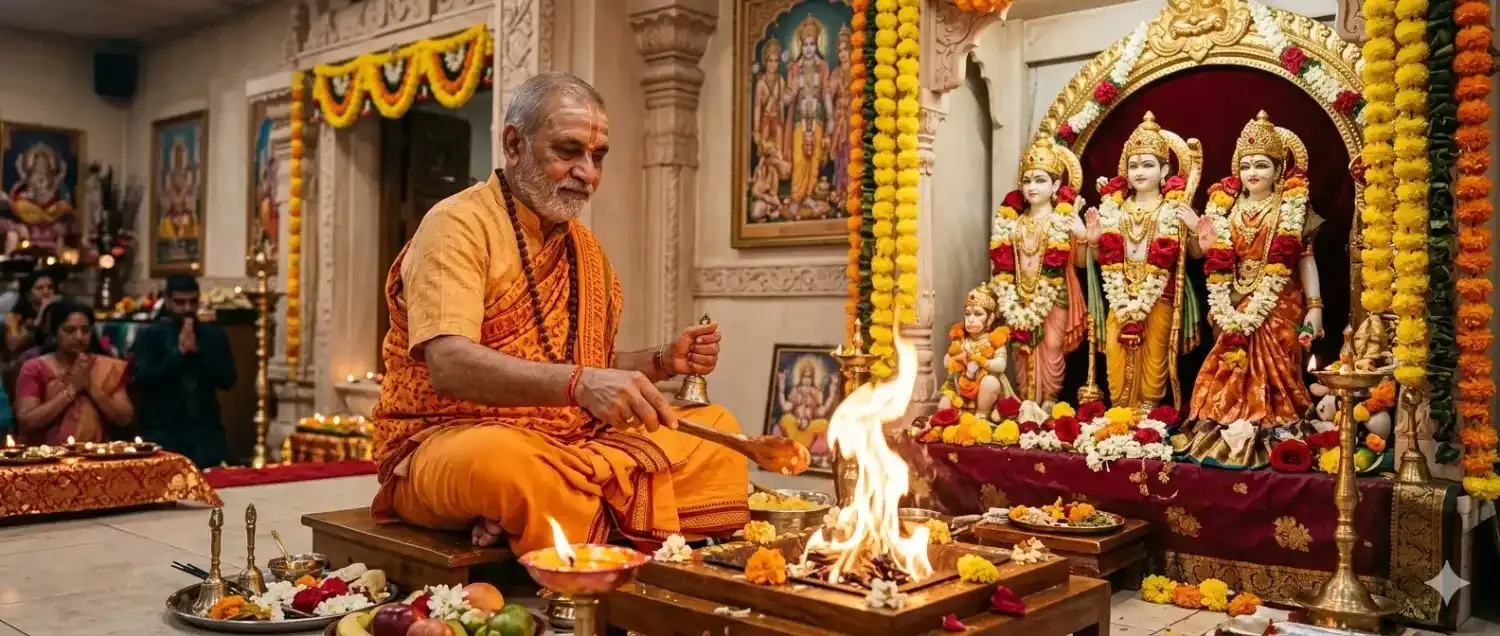
R-1 Visa Documentation Guide for Hindu Temple Priests Coming to the USA
R-2 Visa for Families of R-1 Hindu Temple Priests in the USA
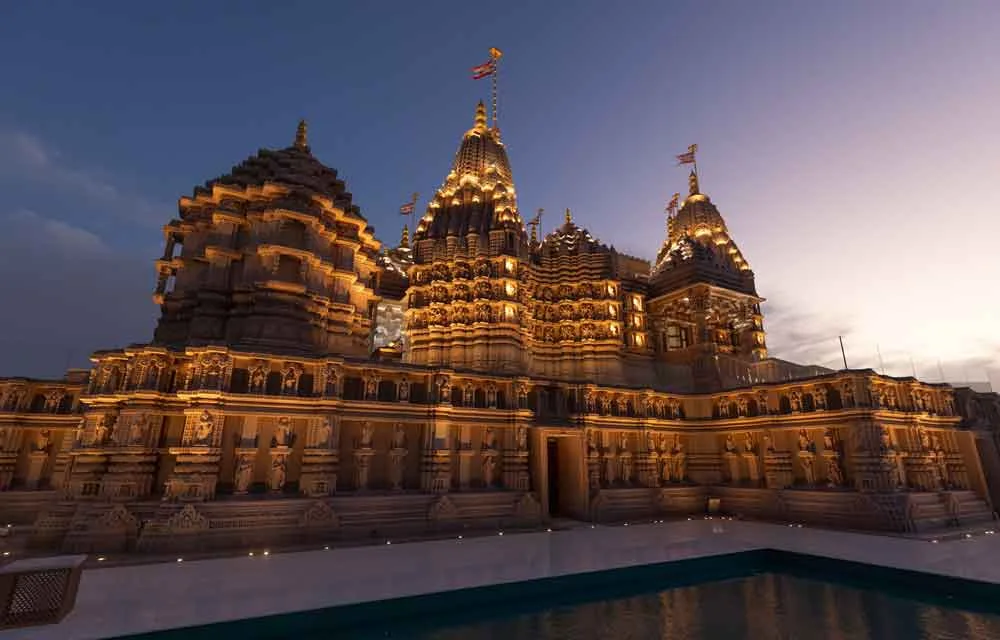
Hindu Events in GCC Countries 2026: Country-Wise Guide to Temple Festivals & Community Programs

Hindu Events in Europe 2026: Country-Wise Guide to Temple Festivals & Community Programs (Late May–June)
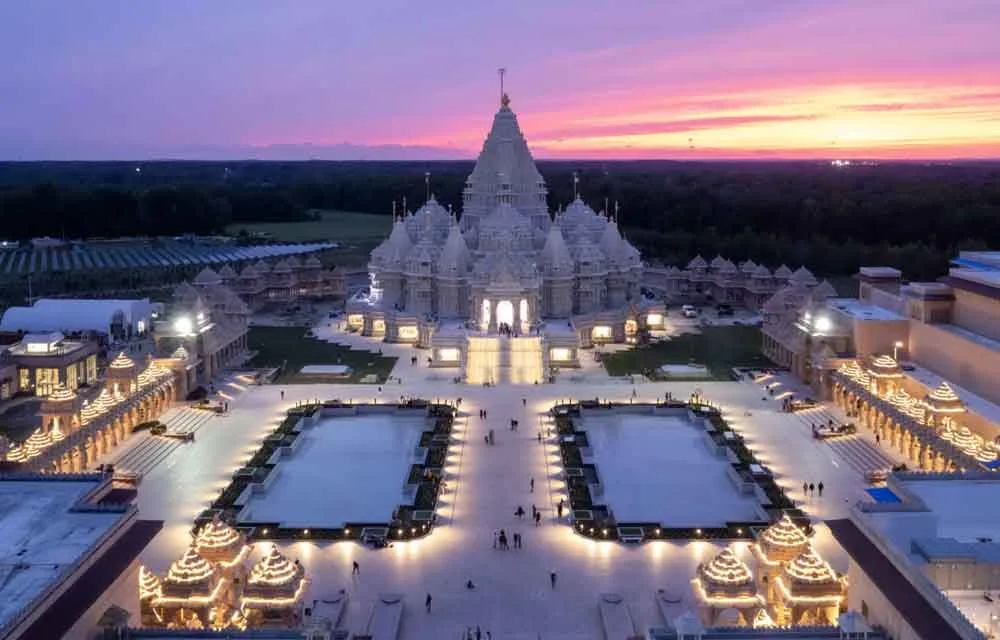
BAPS Temples Worldwide 2026: Complete List of Swaminarayan Mandirs, Locations & Visiting Guide

RSS Contributions to Hinduism Worldwide: A Century of Cultural Preservation, Seva & Global Hindu Unity
The Temple in the Sea — One Man’s 25-Year Act of Devotion That Moved a Nation

Hindus in New Zealand 2026 — Complete Country Guide: Auckland, Wellington, Christchurch Communities, Temples, Festivals & Indo-Kiwi State of the Nation
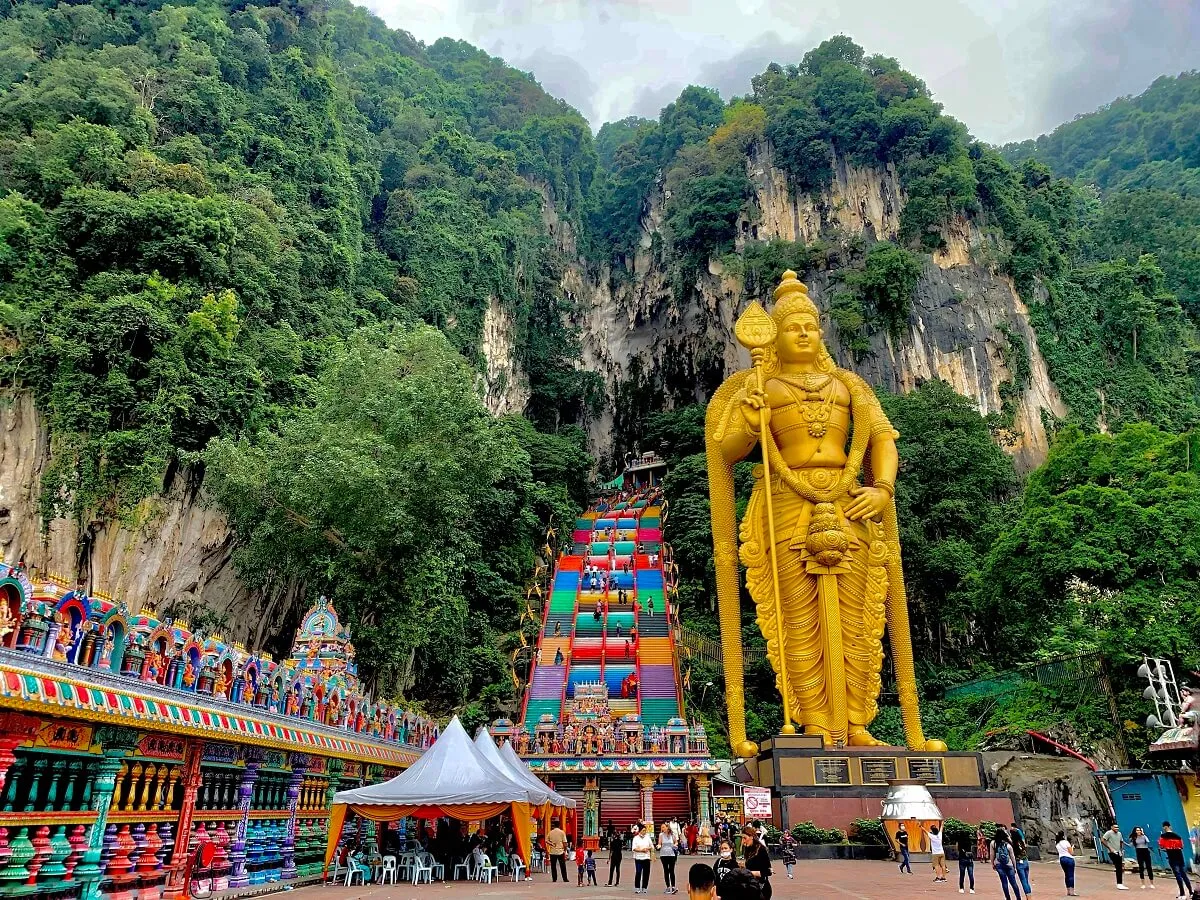
Hindus in Malaysia 2026 — Complete Country Guide: Batu Caves, Sri Mahamariamman Temple, Tamil Community & 175-Year Hindu Heritage
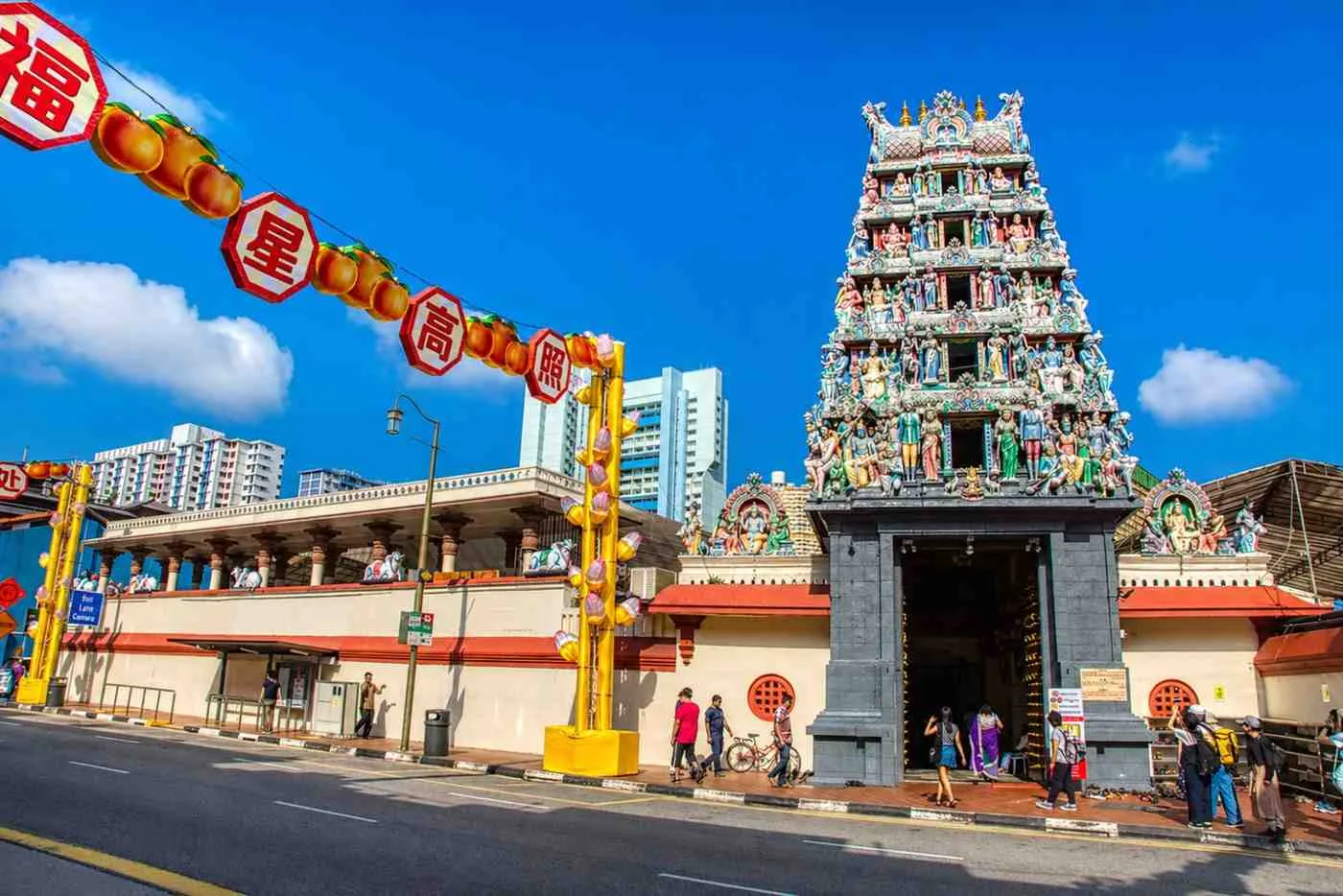
Hindus in Singapore 2026 — Complete Country Guide: Little India, Sri Mariamman Temple, EP & PR Reality, Festivals & Tamil Heritage
Hindus in South Africa 2026 — Complete Country Guide: Durban, Johannesburg, Cape Town Communities, 165-Year Heritage, Temples & Festivals

Hindus in GCC 2026 — Complete Guide: UAE, Saudi Arabia, Qatar, Oman, Bahrain, Kuwait Communities, Temples, BAPS Abu Dhabi & Gulf NRI State of the Nation

Hindus in Australia 2026 — Complete Country Guide: Sydney, Melbourne, Brisbane, Perth Communities, Temples, Festivals & Indo-Australian State of the Nation
Hindus in Canada 2026 — Complete Country Guide: Brampton, Toronto, Vancouver Communities, Temples, Festivals & Indo-Canadian State of the Nation

Hindus in UK 2026 — Complete Country Guide: London, Leicester, Wembley Communities, Temples, Festivals & British Hindu State of the Nation
Hindus in Germany 2026 — Complete Country Guide: Frankfurt, Munich, Berlin Communities, Temples, Festivals & Indian Tech Diaspora
Hindus in USA 2026 — Complete Country Guide: Temples, Community, Festivals, Cities, Statistics & Diaspora State of the Nation

Top Hindu Celebrities in News May 2026: Alia Bhatt’s Traditional Nath at Cannes, Sri Sri Ravi Shankar’s Art of Living Milestone & More
Hindu Dharma Worldwide: Complete NRI Diaspora Guide to Festivals, Temples, Mantras & Traditions (USA, UK, Canada, Australia, UAE & Europe — 2026)
Hindu Temples & Festivals in Europe — Complete NRI Guide to Sanatana Dharma Across the Continent (2026)

Hindu Temples & Festivals in UAE — Complete NRI Guide to Sanatana Dharma in the Emirates (2026)
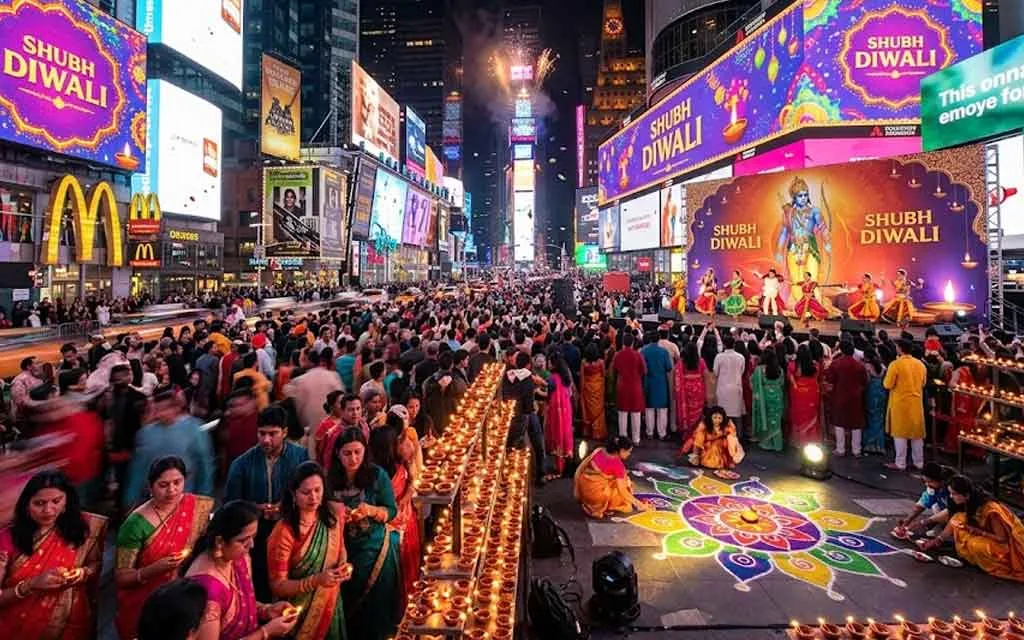
Hindu Temples & Festivals in USA — Complete NRI Guide to Celebrating Sanatana Dharma Across America (2026)
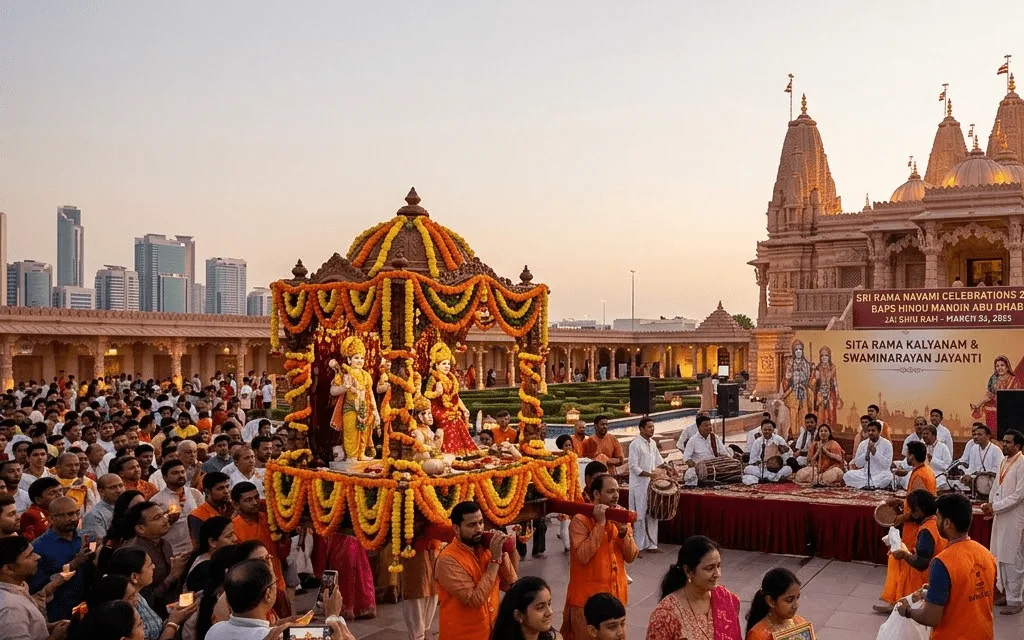
Sri Rama Navami 2026 Celebrations in UAE
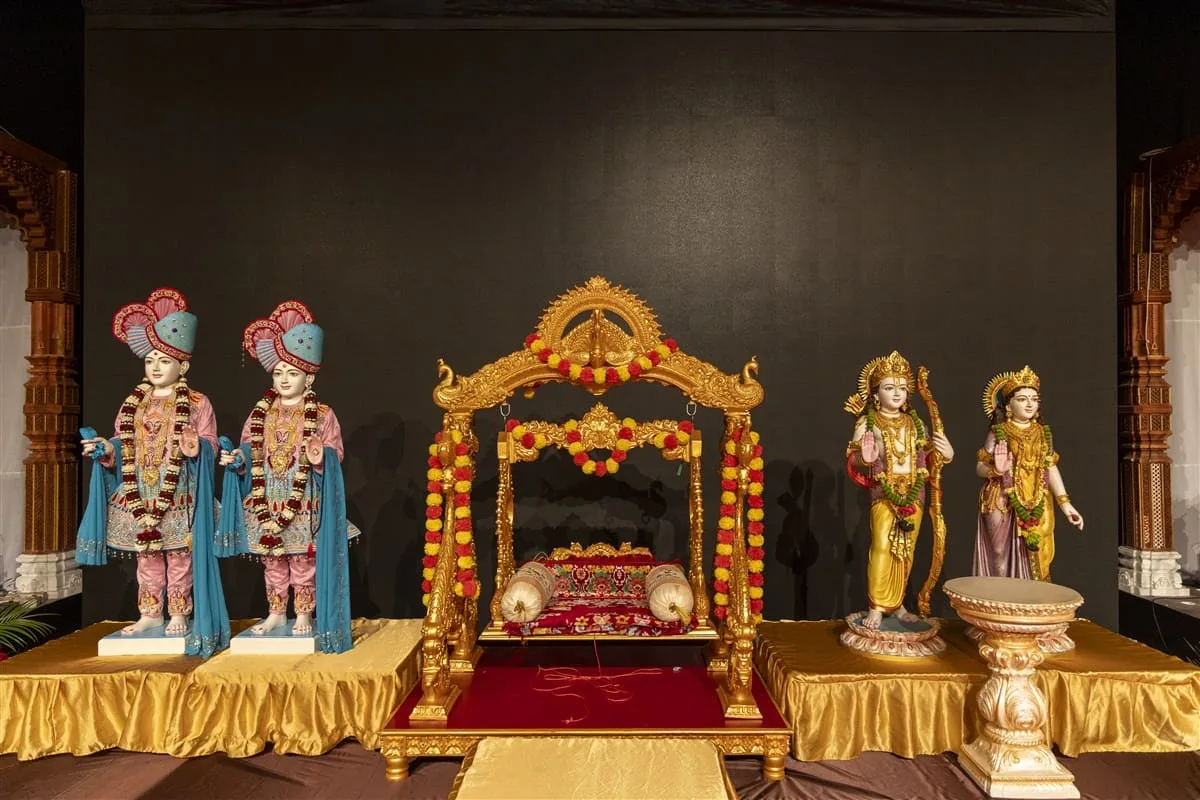
Rama Navami 2026 in the UK
Frequently asked questions
How many Hindus live outside India?
Approximately 30 million worldwide. Largest national communities: Nepal (28 million), USA (~3.4 million), Bangladesh (~13 million), UK (~1 million), Canada (~830,000), Mauritius (~700,000, 49% of pop), South Africa (~520,000), Australia (~440,000), UAE (~400,000), Trinidad (~270,000, 18% of pop). The diaspora continues to grow.
Where are the largest Hindu temples outside India?
BAPS Akshardham Robbinsville NJ (USA, the largest Hindu temple outside India). Neasden Swaminarayan Mandir London. Bochasanwasi Akshardham Toronto. Sri Venkateswara Temple Pittsburgh. Sri Venkateswara Temple Helensburgh Sydney. Sri Venkateswara Temple Bridgewater NJ. Sri Mariamman Temple Singapore. BAPS Hindu Mandir Abu Dhabi (the first traditional stone Hindu temple in West Asia).
How do diaspora Hindus handle muhurat timezones?
Most major NRI temples publish festival muhurat times in local timezone (with the equivalent Indian Standard Time noted). For Lakshmi Puja, Maha Shivaratri jagaran, and Sankranti — events tied to specific astronomical moments — devotees either observe at the local equivalent time or join the Indian Standard Time wave with their family. HinduTone publishes timezone-adjusted muhurat charts for every major festival.
How do diaspora parents teach Sanatana Dharma to children?
A mix of: weekly Bal Vihar / Sunday Hindu Heritage classes at the local temple, BAPS bal-mandal or HSS shakha shibirs, family home routines (daily lamp lighting, Saturday Hanuman Chalisa, festival celebrations), summer trips to India for grandparent-led learning, and increasingly online platforms (HinduTone, Pundits in DC, Veda Studies online) that supplement local resources.
Is religious practice protected for Hindus abroad?
Generally yes in democratic countries — temple-building, festival celebration, cremation, Hindu marriage, and dietary practice are protected by religious-freedom laws in the USA, UK, Canada, Australia and most of Europe. Specific challenges: school holiday accommodations, cremation regulations, kirpan/sikha religious-article allowances in airports, and sometimes zoning issues with new temple construction. The diaspora has built strong civic networks to navigate these.