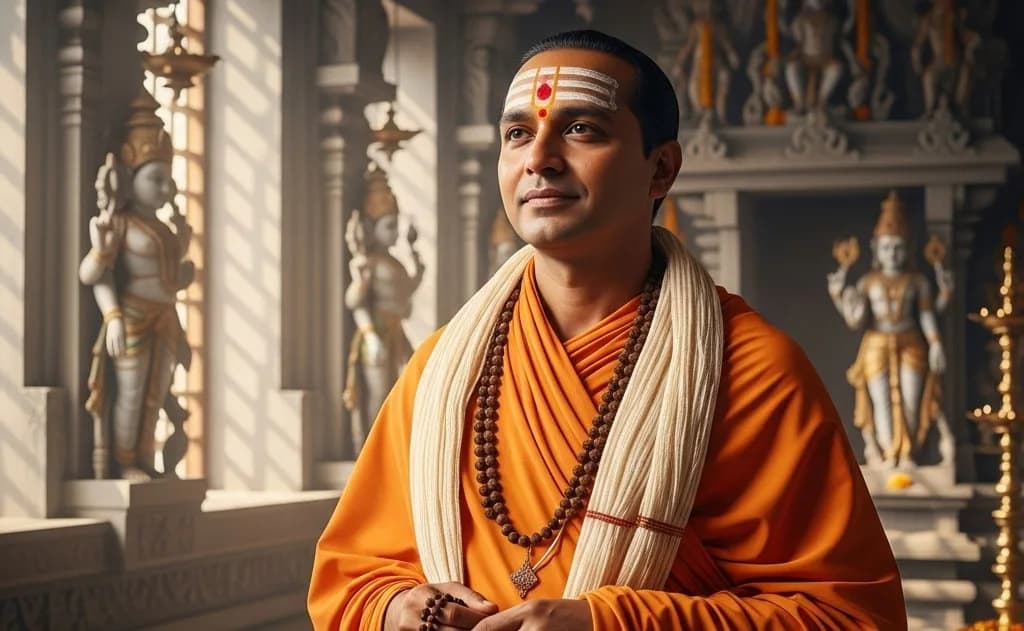
Animal Sacrifice in Hinduism: A Comprehensive Discussion
Animal Sacrifice in Hinduism: A Comprehensive Discussion Animal sacrifice, known as bali in Sanskrit, represents one of the most complex and debated aspects of…
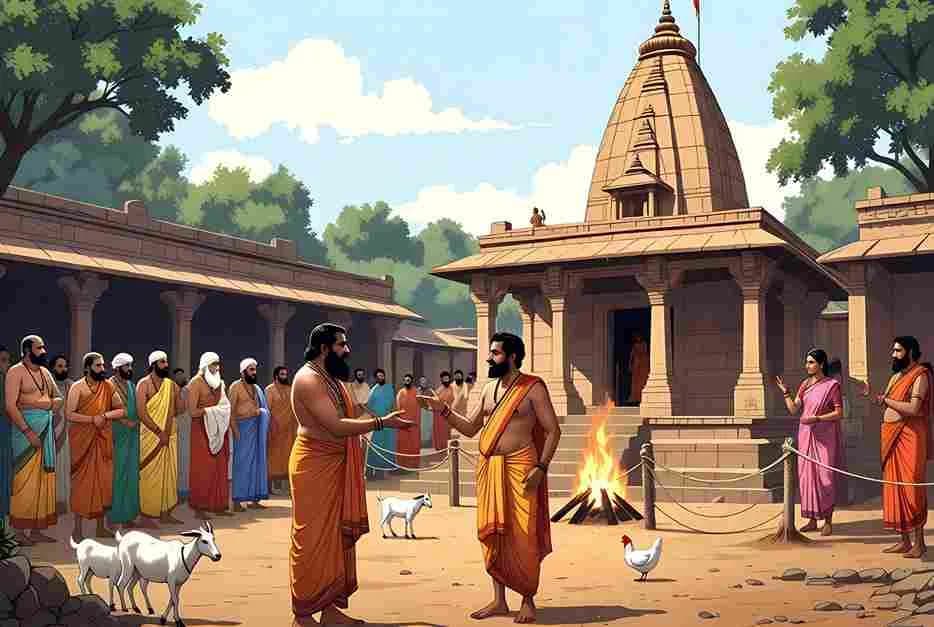
Animal Sacrifice in Hinduism: A Comprehensive Discussion Animal sacrifice, known as bali in Sanskrit, represents one of the most complex and debated aspects of…
Animal Sacrifice in Hinduism: A Comprehensive Discussion
Animal sacrifice, known as bali in Sanskrit, represents one of the most complex and debated aspects of Hindu religious practice. This ancient tradition continues to evoke strong opinions, ranging from devoted adherence to complete rejection, reflecting the diversity and evolution of Hindu thought across millennia.
Historical Foundations
The practice of animal sacrifice in Hinduism traces back to the Vedic period (circa 1500-500 BCE), where it formed an integral part of yajna (ritual offerings). The Rigveda, Yajurveda, and other early texts describe elaborate sacrificial rituals where animals, particularly horses, goats, and sheep, were offered to various deities. The Ashvamedha (horse sacrifice) and Gomedha (cow sacrifice) were among the most significant royal ceremonies, symbolizing sovereignty and cosmic order.
During this era, sacrifice was understood within a sophisticated theological framework. The ritual wasn't merely about offering an animal but represented a cosmic exchange—sustaining the gods who, in turn, sustained the universe. The sacrificial animal was believed to attain a higher birth, and the ritual maintained rita (cosmic order).
Scriptural Perspectives: The Great Debate
Hindu scriptures present a fascinating evolution of thought regarding animal sacrifice, revealing an ongoing internal dialogue within the tradition.
The Supportive View: Certain portions of the Vedas, Puranas, and Tantric texts explicitly sanction animal sacrifice. The Kalika Purana and Markandeya Purana detail specific rituals for goddesses like Kali and Durga. These texts argue that when performed with proper mantras, under qualified priests, and with the correct intention, bali becomes a sacred act that benefits both the sacrificer and the sacrificed.
The Critical Voice: Simultaneously, other Hindu texts strongly critique or reinterpret these practices. The Upanishads mark a philosophical shift, emphasizing internal sacrifice over external ritual. The Chandogya Upanishad speaks of offerings made through breath and meditation. The Bhagavad Gita emphasizes devotion (bhakti) and knowledge (jnana) over ritualistic sacrifice.
The Manusmriti presents an intriguing duality—acknowledging Vedic sanction for ritual sacrifice while simultaneously praising vegetarianism and ahimsa (non-violence). This reflects the tension within Hindu thought itself.
Theological Justifications and Interpretations
Proponents of animal sacrifice offer several theological justifications rooted in tradition and scripture:
The Doctrine of Rebirth: The sacrificed animal is believed to be elevated to a higher existence in its next life, making the act ultimately beneficial for the creature's spiritual evolution.
Shakti Worship: In Shaktism, particularly in the worship of fierce forms of the Goddess (Kali, Durga, Chamunda), blood is seen as a powerful offering representing life force itself. The sacrifice symbolizes the surrender of ego and worldly attachments.
Vedic Injunction: Followers argue that practices sanctioned by the Vedas carry divine authority and shouldn't be abandoned merely due to changing sensibilities.
Symbolic Interpretation: Some theologians interpret the ritual symbolically—the animal represents one's animal nature (anger, lust, greed) that must be sacrificed to attain spiritual progress.
The Ahimsa Counter-Narrative
The principle of ahimsa (non-violence) has become increasingly central to Hindu identity, particularly since the medieval bhakti movement and its modern revival through figures like Mahatma Gandhi.
Scriptural Foundation: Later texts like the Bhagavata Purana and teachings of saints like Adi Shankaracharya emphasize compassion toward all beings. The Tirukural, a Tamil ethical text, declares: "What is virtue? It is not killing. What is sin? It is killing."
Philosophical Reasoning: Advaita Vedanta philosophy, which sees the same divine essence in all beings, makes harming any creature philosophically problematic. If Brahman pervades all existence, violence against any being is violence against the divine itself.
Modern Hindu Reformers: Swami Vivekananda, Sri Aurobindo, and others reinterpreted Hinduism with ahimsa at its core, arguing that the highest expression of Hindu dharma is compassion, not sacrifice.
Contemporary Practice: A Diverse Landscape
Today, animal sacrifice exists in specific contexts within the vast Hindu world:
Where It Continues: The practice persists primarily in:
- Certain Shakti temples, particularly in West Bengal, Assam, Nepal, and parts of South India
- The Gadhimai festival in Nepal (though facing increasing opposition)
- Some tribal and folk Hindu traditions
- Specific Kali and Durga temples during festivals like Navaratri
The Declining Trend: Many traditional sacrifice-practicing temples have voluntarily ceased the practice or replaced it with symbolic alternatives:
- Offering vegetables (pumpkins, coconuts) shaped or decorated to represent animals
- Using effigies or clay representations
- Ritualistic "sacrifice" where the animal is offered symbolically but not killed
- Complete replacement with floral offerings and vegetarian prasad
Legal and Social Factors: Several Indian states have restricted or banned animal sacrifice in temples. Public opinion, influenced by education and urban values, increasingly views the practice unfavorably. Animal rights activism has added pressure for change.
Regional and Sectarian Variations
Hindu practice varies dramatically across geography and sectarian lines:
Vaishnavism: Generally prohibits animal sacrifice, emphasizing pure vegetarian offerings to Vishnu and his avatars. The ISKCON movement exemplifies this approach.
Shaivism: Mainstream Shaivite practice typically avoids blood sacrifice, though some tantric Shaivite traditions may incorporate it.
Shaktism: The most complex relationship with sacrifice—ranging from literal practice in some Kali temples to purely symbolic interpretation in others.
Regional Hinduism: Folk and tribal Hinduism often maintains animal sacrifice as integral to local deity worship, representing continuity with pre-Vedic indigenous practices.
The Ethical Debate Within Hindu Communities
The conversation within Hindu communities today reflects genuine ethical wrestling:
Traditionalists argue:
- Religious freedom allows communities to maintain ancestral practices
- Scriptural authority shouldn't be dismissed based on modern sensibilities
- The practice, when done humanely and ritually, differs fundamentally from commercial slaughter
- Cultural heritage and goddess worship traditions deserve protection
Reformists counter:
- Hinduism's core teaching is ahimsa, and no ritual supersedes this fundamental principle
- The spirit of religion matters more than the letter—compassion over ritual
- What served ancient contexts need not bind modern practitioners
- Evolving consciousness requires evolving practice
Alternative Perspectives: Symbolic Sacrifice
Many contemporary Hindu scholars and practitioners advocate for maintaining the ritual structure while transforming its content:
Internal Sacrifice: Offering one's ego, negative qualities, and selfish desires at the feet of the divine—making the self the sacrifice rather than an external creature.
Substitution: Using symbolic representations that maintain ritual integrity while embracing non-violence. This isn't new—the concept of pratima (substitution) exists in ancient texts.
Service as Sacrifice: Transforming the energy of sacrifice into service (seva) for the poor, sick, or suffering, channeling devotion into compassionate action.
Moving Forward: Synthesis and Respect
The question of animal sacrifice in Hinduism doesn't demand a single answer because Hinduism itself doesn't speak with one voice. It is a living tradition that has always evolved through dialogue, debate, and reinterpretation.
Principles for Engagement:
Understanding the historical and scriptural context helps us appreciate why the practice exists without necessarily endorsing it. Religious freedom means protecting sincere practice while encouraging ethical reflection. Those who continue traditional sacrifice and those who oppose it both stand within Hindu tradition—neither holds exclusive claim to authenticity. The trend toward symbolic and non-violent alternatives represents not a rejection of tradition but its creative evolution, honoring both heritage and contemporary conscience.
Conclusion
Animal sacrifice in Hinduism embodies the tradition's complexity—ancient yet evolving, scriptural yet interpretive, diverse yet seeking unity. The practice reveals how religious communities navigate the tension between preserving ancestral wisdom and responding to developing ethical consciousness.
Whether one views bali as sacred duty or outdated practice, the discussion itself reflects Hinduism's greatest strength: its capacity for internal debate, reinterpretation, and transformation while maintaining connection to its roots. The future likely holds continued diversity—some communities maintaining traditional practice, others embracing alternatives, all within the vast umbrella of Hindu dharma.
What remains constant is the underlying spiritual intention: the surrender of something valued as an expression of devotion, reverence for the divine feminine or masculine, and the recognition of life's sacred dimension. How that intention manifests continues to evolve, as it has for thousands of years.
This article presents multiple perspectives within Hindu tradition. Hindutone.com respects the diversity of Hindu practice and encourages readers to engage with these complex questions thoughtfully and respectfully.
Frequently Asked Questions
What is Animal Sacrifice in Hinduism?
Animal Sacrifice in Hinduism: A Comprehensive Discussion Animal sacrifice, known as bali in Sanskrit, represents one of the most complex and debated aspects of Hindu religious practice. This ancient tradition continues to evoke strong opinions, ranging from devoted adherence to complete rejection, reflecting the diversity and evolution of Hindu thought acros
What are the key points about Animal Sacrifice in Hinduism?
Historical Foundations The practice of animal sacrifice in Hinduism traces back to the Vedic period (circa 1500-500 BCE), where it formed an integral part of yajna (ritual offerings). The Rigveda, Yajurveda, and other early texts describe elaborate sacrificial rituals where animals, particularly horses, goats, and sheep, were offered to v
Why does Animal Sacrifice in Hinduism matter in Hinduism?
It reflects core values of Sanatana Dharma and offers practical and spiritual guidance that remains relevant across generations.
How can devotees apply Animal Sacrifice in Hinduism in daily life?
By reflecting on its teaching, incorporating the related practices or observances into daily routine, and approaching it with sincere devotion and understanding.
You might also like

Purushottam Maas 2026: Lord Vishnu's Sacred Gift of Spiritual Multiplication & Divine Grace
Hindu Priest Jobs New Zealand 2026 — Auckland, Wellington, Christchurch Vacancies & NZ Religious Worker Visa Guide
Hindu Priest Jobs Malaysia 2026 — Batu Caves, KL, Penang Vacancies & Tamil Hindu Career Guide