Importance of Lunar Eclipse in Hinduism – What to Do and What Not to Do
The lunar eclipse (Chandra Grahan) has always held deep significance in Hinduism.
The lunar eclipse (Chandra Grahan) has always held deep significance in Hinduism.
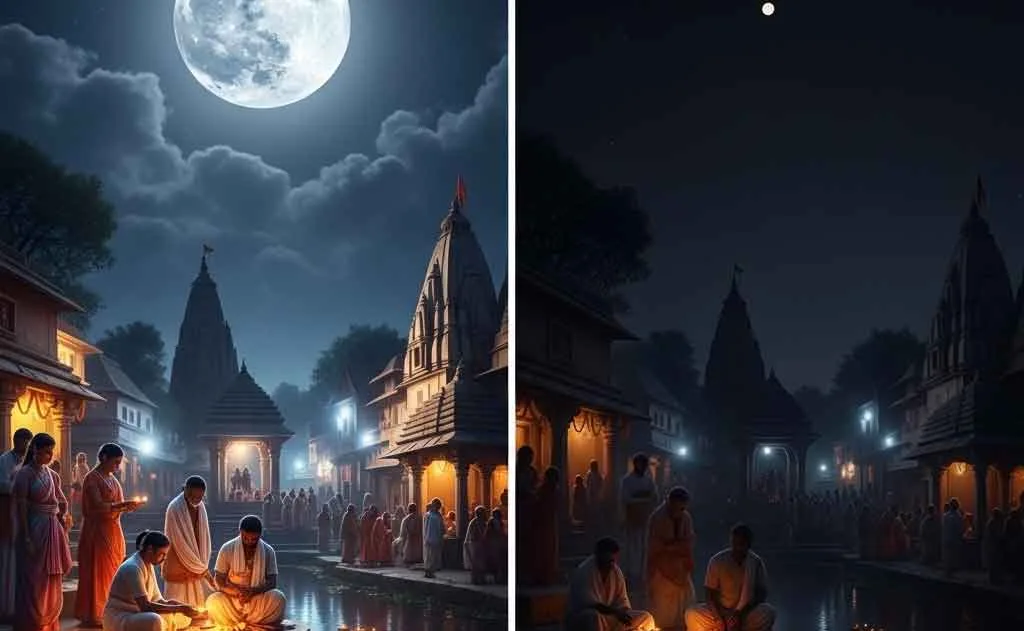
The lunar eclipse (Chandra Grahan) has always held deep significance in Hinduism. Unlike other celestial events, eclipses are not considered auspicious but are seen as moments of intense cosmic energy. Hindu scriptures connect eclipses with the asura Rahu swallowing the Moon, symbolizing a disruption in the natural order. Yet, this disruption also provides a spiritually powerful period for self-purification, prayer, and reflection.
Spiritual Significance of Lunar Eclipse
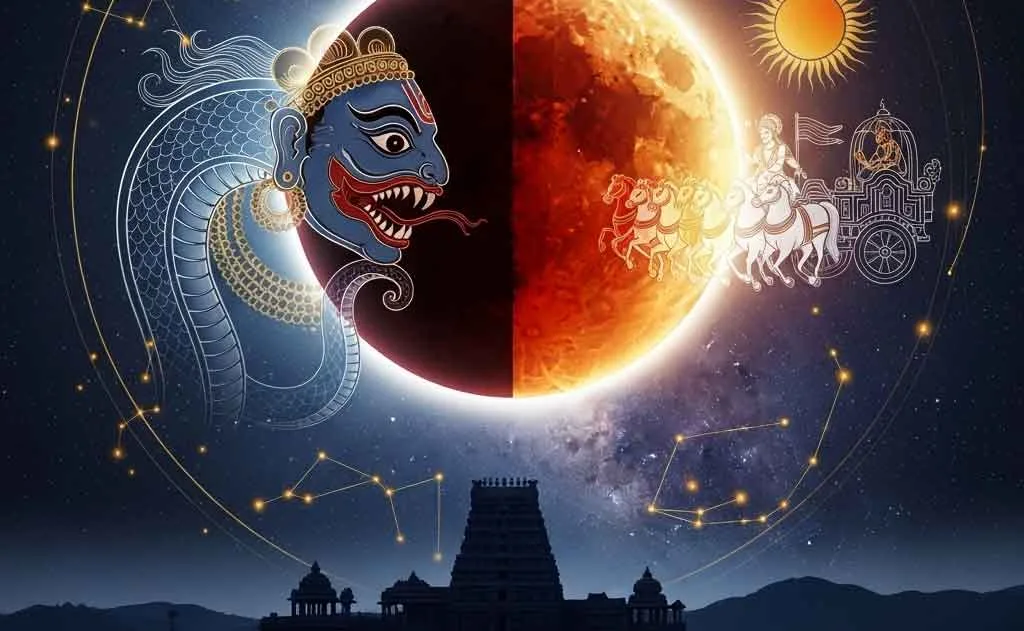
In Hindu mythology, eclipses are described as the time when Rahu and Ketu attempt to swallow the Moon.
- It is believed that during this period, cosmic vibrations are disturbed, making it a time to focus inward through meditation, mantra chanting, and spiritual practices.
- Rituals and offerings done during an eclipse are said to yield multiplied results, making it a special opportunity for devotees to seek divine blessings.
What to Do During Lunar Eclipse (Do’s)
- Observe Fasting – Many Hindus avoid eating for several hours before and during the eclipse (Sutak period).
- Chant Mantras – Recite Mahamrityunjaya Mantra, Hanuman Chalisa, or Chandra Dev mantras to protect from negative energies.
- Meditation & Prayer – Engage in japa, bhajans, and kirtan to elevate spiritual energy.
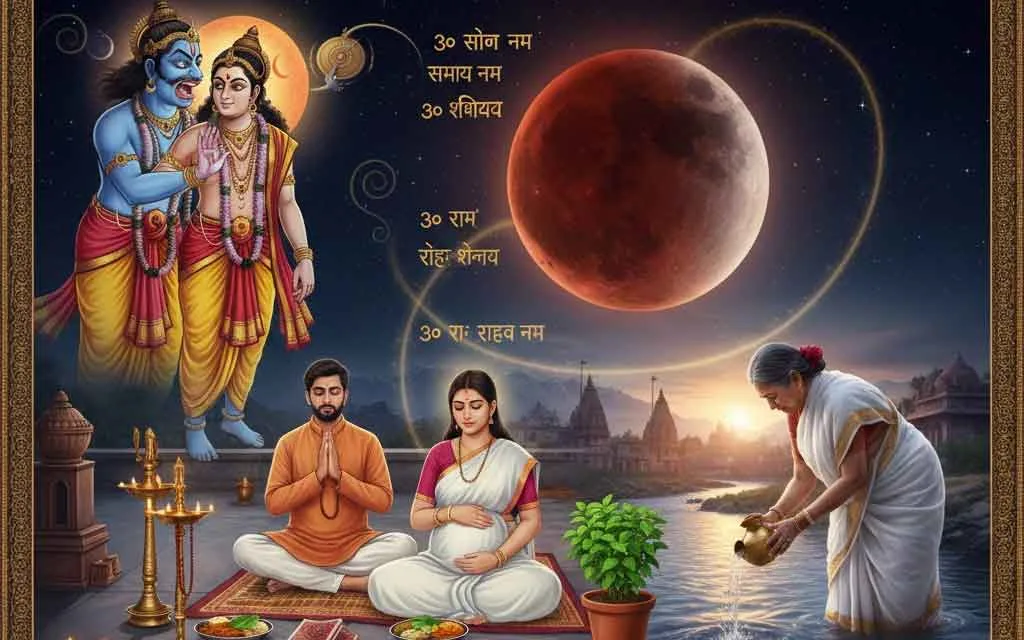
- Pregnant Women Precautions – Expectant mothers are advised to stay indoors and place protective items like coconut or kusha grass nearby.
- Spiritual Acts – Donation, charity, and helping the needy after the eclipse is considered highly meritorious.
What Not to Do During Lunar Eclipse (Don’ts)
- Avoid eating, cooking, or drinking water during the eclipse period.
- Do not touch idols, Tulsi plants, or sacred scriptures until purification rituals are performed afterward.
- Avoid auspicious activities like weddings, housewarmings, or starting new ventures.
- Refrain from sleeping, sexual activity, or traveling during the eclipse.
- Pregnant women should avoid stepping out or using sharp objects.
After the Eclipse
- Take a ritual bath to cleanse spiritual impurities.
- Purify the home by sprinkling Gangajal (holy water).
- Add Tulsi leaves or Kusha grass to stored food items to neutralize negative effects.
- Resume puja, temple visits, and daily rituals after cleansing.
- Offer water to ancestors and perform daan (charity) for enhanced blessings.
Conclusion
In Hindu tradition, the lunar eclipse is not merely an astronomical event but a powerful spiritual moment. While it is often associated with inauspiciousness, it is also seen as a time of cleansing, devotion, and heightened spiritual energy. By following the do’s and don’ts, devotees align themselves with cosmic rhythms, turning the eclipse into an opportunity for inner growth and divine connection.
Do you want me to beautify this further into a blog format (with highlighted bullet boxes for Do’s & Don’ts, and a short FAQ like “Is lunar eclipse harmful?” or “Can we see it with naked eyes?”)?
The Mythology of Rahu, Ketu, and the Churning of the Cosmic Ocean
The story of Chandra Grahan finds its deepest roots in the Samudra Manthan narrative of the Bhagavata Purana and Vishnu Purana. When the gods and asuras churned the cosmic ocean (Kshira Sagara), the divine nectar of immortality — Amrita — emerged. The asura Svarbhanu disguised himself among the gods to drink the Amrita, but the Sun (Surya) and Moon (Chandra) recognized the impostor and alerted Lord Vishnu, who severed the asura's body with his Sudarshana Chakra.
Because Svarbhanu had already tasted the Amrita, both severed halves gained immortality — the head became Rahu and the tail became Ketu. Ever since, Rahu and Ketu are said to periodically exact revenge by swallowing the Sun and Moon, causing solar and lunar eclipses. This is why Hindu tradition associates the eclipse period with momentary cosmic imbalance rather than supernatural disaster — the Moon is not destroyed but temporarily 'held,' and its release is celebrated with the ringing of bells, blowing of conch shells (shankha), and collective chanting in temples.
What Does the Sutak Period Mean and How Long Does It Last
The Sutak (also spelled Sutaka) is a period of ritual impurity observed before the eclipse officially begins. For a lunar eclipse, classical Dharmashastra texts — including the Nirṇayasindhu, a 17th-century digest of Hindu ritual law — prescribe a Sutak period of nine praharas, roughly nine three-hour segments, meaning it begins approximately 27 hours before the eclipse. Children under the age of eight, the elderly, and the ill are generally exempted from its strictest observances in most regional traditions.
During Sutak, cooked food left out is considered ritually contaminated. The traditional remedy is to place darbha grass (kusha) in water vessels and food containers before the Sutak begins — the antimicrobial properties of kusha are recognized in Ayurveda, and its use reflects a convergence of ritual purity and practical hygiene. Once the eclipse ends and the Moon is fully visible again, the Sutak concludes, and a thorough ritual bath (snanam) with sesame seeds or Ganga jal restores full purity.
Which Mantras and Stotras Are Specifically Recommended During Chandra Grahan
The Mahamrityunjaya Mantra from the Rigveda (VII.59.12) — 'Om Tryambakam Yajamahe Sugandhim Pushtivardhanam' — is considered especially potent during a lunar eclipse because it invokes Lord Shiva as the conqueror of death and the guardian of the Moon. Shiva himself bears the crescent Moon (Chandra) on his matted locks as the ornament Chandrashekhara, making his mantra the natural protective shield for the afflicted luminary.
The Chandra Kavacham, a protective armour-stotram found in the Brahma Purana, names the Moon's presiding deity and petitions for protection of every limb and faculty of the devotee. Recitation of the Ashtottara Shatanamavali (108 names) of Chandra Dev is equally recommended. In South Indian tradition, particularly in Tamil Nadu, the Navagraha hymns from the Surya Mandala Ashtakam and Chandra-related verses from Kamba Ramayanam are chanted in Navagraha temples such as the Thingalur Kailasanathar Temple near Kumbakonam, which is the presiding shrine of Chandra among the nine-planet temples of the Cauvery delta.
The Significance of Charity and Dana During and After the Eclipse
Dana (charitable giving) performed during or immediately after a lunar eclipse is described in the Skanda Purana and Dharmasindhu as yielding phala (spiritual merit) multiplied many thousands of times compared with the same act on an ordinary day. The eclipse is therefore treated as a rare window of heightened karmic accountability. Traditional items donated include sesame seeds (til), silver, white cloth, rice, and milk — all of which are symbolically associated with the Moon's cool, nurturing energy.
A specific practice called Chandra Grahan Snan-Dana involves bathing in a sacred river — the Ganga at Varanasi (Kashi), the Godavari at Nashik during Kumbha Mela years, or the Krishna at Srisailam — immediately after the eclipse ends, followed by giving dana to Brahmins or the needy. Pilgrims who manage to bathe in the Triveni Sangam at Prayagraj during a lunar eclipse are said to earn the merit equivalent to performing one hundred Ashvamedha yajnas, according to the Prayaga Mahatmya section of the Matsya Purana.
How Jyotisha Shastra Interprets the Lunar Eclipse in a Personal Horoscope
In Vedic astrology (Jyotisha Shastra), the impact of a Chandra Grahan on an individual depends on which rashi (zodiac sign) the eclipse falls in and whether that rashi coincides with the native's natal Moon sign (Janma Rashi), the sign of the Ascendant (Lagna), or the sign holding the natal Sun. If the eclipse occurs in or directly opposite the Janma Rashi, the traditional recommendation is heightened caution — increased prayer, fasting, and avoidance of major new decisions for a period of up to forty days following the eclipse.
The eclipse point in the sky is always located on or near the Rahu-Ketu axis (the lunar nodes), called the Grahan Bindu. Classical Jyotisha texts such as Brihat Parashara Hora Shastra and Brihat Jataka by Varahamihira devote specific chapters to graha yuddha and grahan phala, describing how the eclipse sensitizes the house it falls in within a natal chart. Remedies (upayas) prescribed include wearing a silver ring on the little finger, offering white flowers and milk to a Shiva linga on the following Monday, and reciting the Chandra Beeja Mantra — 'Om Shram Shreem Shroum Sah Chandraya Namah' — 108 times daily for 11 days after the eclipse.
Regional Customs and Temple Practices Observed Across India During Chandra Grahan
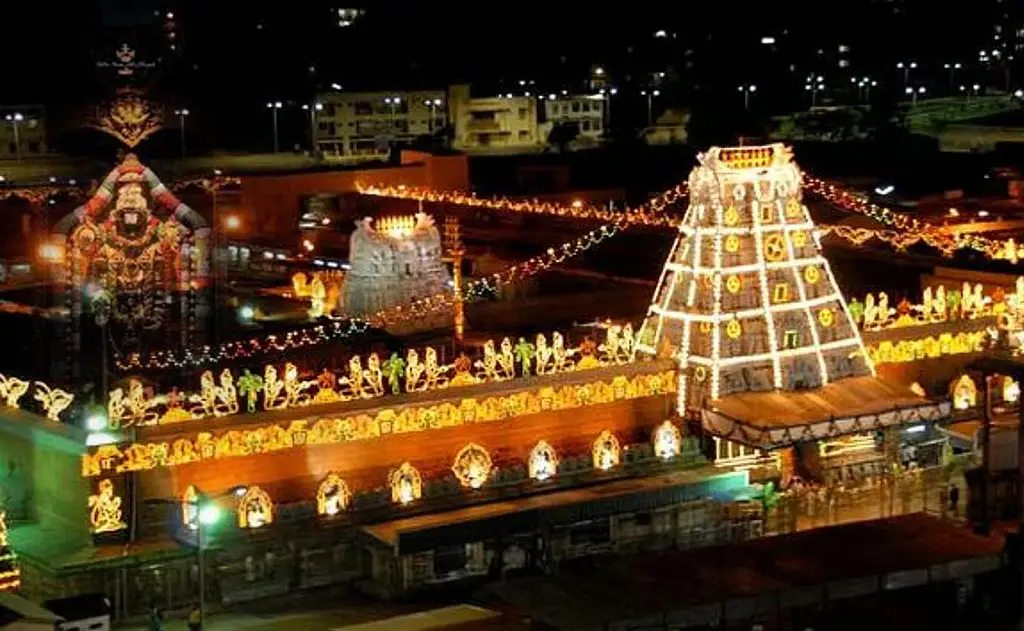
Across India, temple practices during a lunar eclipse vary significantly by region but share a common thread of protective ritual. In most Vaishnava temples following the Pancharatra Agama — such as the Tirumala Venkateswara Temple in Andhra Pradesh and the Ranganathaswamy Temple in Srirangam, Tamil Nadu — the main sanctum doors are closed during the eclipse and reopened only after elaborate purification rituals including abhishekam (sacred bathing of the deity) with Panchamrita and Ganga jal.
In Maharashtra, the tradition of taking a Grahan Snan in rivers like the Godavari or at the Tryambakeshwar Jyotirlinga near Nashik is widely observed. In Odisha, the Jagannatha Temple at Puri follows a distinct protocol: the Lord is given a special offering called Abakasha after the eclipse, and the temple is ritually cleansed before public darshan resumes. In North India, particularly in Uttar Pradesh and Bihar, communities gather at riverbanks to chant the Vishnu Sahasranama collectively during the eclipse hours, believing that the collective vibration of one thousand divine names neutralizes the inauspicious cosmic disturbance caused by Rahu's grip on the Moon.
Frequently Asked Questions
What is the Sutak period for a lunar eclipse?
Sutak is a period of ritual impurity observed before the eclipse. Classical texts prescribe nine praharas, roughly 27 hours before a lunar eclipse. Children under eight, the elderly and the ill are generally exempt from its strictest rules.
What should you avoid during Chandra Grahan?
Avoid eating, cooking and drinking water, touching idols, Tulsi plants or scriptures, and starting auspicious activities like weddings or housewarmings. Sleeping, sexual activity and travel are also avoided, and pregnant women should not step out or use sharp objects.
Which mantras are chanted during a lunar eclipse?
The Mahamrityunjaya Mantra, Hanuman Chalisa and Chandra Dev mantras are recommended. The Chandra Kavacham, the 108 names of Chandra and the Chandra Beeja Mantra are also chanted.
What should you do after a lunar eclipse ends?
Take a ritual bath, sprinkle Gangajal in the home, and add Tulsi leaves or kusha grass to stored food. Then resume puja and temple visits, offer water to ancestors, and give daan.
Why is Rahu linked to a lunar eclipse in Hinduism?
As commonly told, the asura Svarbhanu drank Amrita during the churning of the cosmic ocean and was severed by Vishnu's Sudarshana Chakra. His head became Rahu and tail Ketu, who are said to swallow the Moon periodically.
How should pregnant women observe a lunar eclipse?
Expectant mothers are advised to stay indoors, keep protective items like coconut or kusha grass nearby, and avoid sharp objects.
You might also like
Lunar Eclipse in Hinduism: Beliefs, Rituals, and Spiritual Significance
Darshan Suspended at Tirumala Temple During Lunar Eclipse
Bhadrapada Purnima and Amavasya: Sacred Lunar Rhythms of Prosperity and Peace