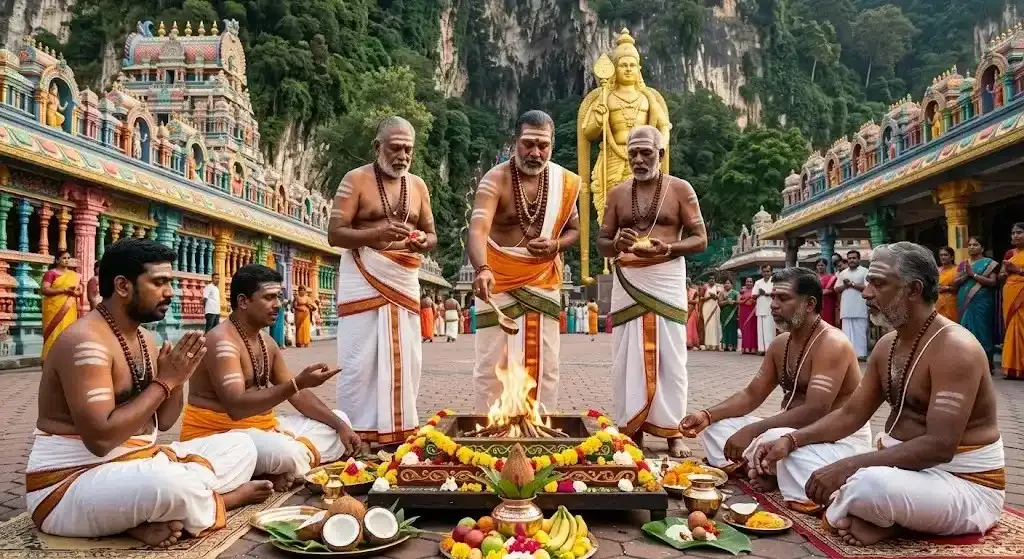
Introduction to Hinduism Through January 2026 Festivals: A Beginner's Guide
Introduction to Hinduism Through January 2026 Festivals: A Beginner's Guide Discover the Beauty and Depth of Hindu Philosophy Through Sacred Celebrations If…

Introduction to Hinduism Through January 2026 Festivals: A Beginner's Guide Discover the Beauty and Depth of Hindu Philosophy Through Sacred Celebrations If…
Introduction to Hinduism Through January 2026 Festivals: A Beginner's Guide
Discover the Beauty and Depth of Hindu Philosophy Through Sacred Celebrations
If you're curious about Hinduism but don't know where to start, festivals offer a perfect window into this ancient spiritual tradition. January 2026 brings several significant Hindu celebrations that beautifully illustrate core concepts of Hindu philosophy, spirituality, and culture. This beginner-friendly guide will walk you through the essential teachings of Hinduism using the vibrant festivals celebrated this month.
Understanding Hinduism: The Basics
Before diving into January's festivals, let's explore what makes Hinduism unique among world religions.
What is Hinduism?
Hinduism, known as Sanatana Dharma (the eternal way) in Sanskrit, is not just a religion but a complete way of life. With roots stretching back over 5,000 years, it is the world's oldest living spiritual tradition and the third-largest religion globally, with over 1.2 billion followers.
Unlike religions with a single founder or holy book, Hinduism is a rich tapestry woven from diverse philosophies, practices, and scriptures. This diversity is one of its greatest strengths, allowing for multiple paths to the same ultimate truth.
Core Principles of Hinduism
1. Dharma (Righteousness) The moral and ethical duties that sustain cosmic and social order. Living according to your dharma means acting with integrity, compassion, and responsibility.
2. Karma (Action and Consequence) Every action has consequences that extend beyond this lifetime. Good actions create positive karma; harmful actions create negative karma. This principle emphasizes personal responsibility and ethical living.
3. Samsara (Cycle of Rebirth) The soul undergoes repeated cycles of birth, death, and rebirth. The quality of each life is determined by accumulated karma from previous lives.
4. Moksha (Liberation) The ultimate goal: liberation from the cycle of rebirth and union with the Divine. This represents spiritual enlightenment and eternal peace.
5. Atman and Brahman Atman is the individual soul, while Brahman is the universal, supreme consciousness. Hindu philosophy teaches that Atman and Brahman are ultimately one—realizing this unity is enlightenment.
The Divine in Hinduism: Understanding Multiple Deities
One of the most fascinating aspects of Hinduism for newcomers is its pantheon of gods and goddesses. Here's the key: Hindus believe in one supreme reality (Brahman) that manifests in countless forms to help humans understand different aspects of the Divine.
The Trimurti (Three Primary Forms):
- Brahma: The Creator
- Vishnu: The Preserver
- Shiva: The Transformer/Destroyer
Each deity represents specific qualities, energies, and aspects of life. Devotees may worship different forms based on their spiritual needs, but ultimately, all worship leads to the same supreme truth.
January 2026 Hindu Festivals: Your Gateway to Understanding Hinduism
Makar Sankranti - January 14, 2026
Core Concept: Uttarayan and Cosmic Harmony
Makar Sankranti marks the Sun's transition into Capricorn (Makar Rashi) and the beginning of Uttarayan—the northward journey of the Sun. This festival beautifully illustrates how Hinduism sees deep connections between cosmic movements, nature, and human spirituality.
What is Uttarayan?
In Hindu cosmology, the year is divided into two phases:
Uttarayan (January to June): The Sun moves northward, days grow longer, and energy increases. This period is considered auspicious for spiritual practices and new beginnings.
Dakshinayan (July to December): The Sun moves southward, days grow shorter. This is a time for introspection and completion.
The concept of Uttarayan teaches a fundamental Hindu principle: everything in the universe is interconnected. The movements of celestial bodies affect life on Earth, and humans should align themselves with natural rhythms.
Key Lessons from Makar Sankranti
1. Gratitude and Abundance This harvest festival celebrates the fruits of hard work. Farmers thank nature for the harvest, teaching us gratitude for life's blessings.
2. Light Over Darkness As days begin to lengthen, the festival symbolizes the victory of light (knowledge, goodness) over darkness (ignorance, evil)—a recurring theme in Hindu philosophy.
3. Letting Go of the Past The transition represents moving from one phase to another, encouraging us to release old grievances and start fresh.
4. Charity and Compassion (Dana) Giving to the less fortunate is central to Makar Sankranti celebrations. This practice reflects the Hindu value of Dana (selfless giving) as a path to spiritual growth.
How Makar Sankranti is Celebrated
- Ritual Bathing: Devotees take holy dips in sacred rivers, especially the Ganges, believing it purifies the soul
- Kite Flying: Particularly popular in Gujarat, symbolizing reaching toward the divine and higher consciousness
- Special Foods: Til (sesame) and jaggery sweets represent the sweetness of relationships and life
- Bonfires: In Punjab (Lohri), bonfires symbolize the light of knowledge dispelling darkness
- Charitable Acts: Donating food, blankets, and money to those in need
What This Teaches About Hinduism: Makar Sankranti demonstrates how Hinduism integrates astronomy, agriculture, spirituality, and social values into a cohesive worldview. It shows that spiritual practice isn't separate from daily life but woven into nature's rhythms and community celebrations.
Pongal - January 14-17, 2026
Core Concept: Gratitude and Harmony with Nature
Pongal, primarily celebrated in Tamil Nadu, is a four-day harvest festival that embodies the Hindu reverence for nature, animals, and community.
The Four Days of Pongal
Day 1 - Bhogi Pongal (January 14): Cleansing day when old items are discarded and homes are cleaned. Symbolizes letting go of past negativity.
Day 2 - Surya Pongal (January 15): Dedicated to the Sun God (Surya), the life-giver. Rice is boiled with milk until it overflows (pongal means "to overflow"), symbolizing abundance and prosperity.
Day 3 - Mattu Pongal (January 16): Honoring cattle, especially cows and bulls, who help in agriculture. Animals are bathed, decorated, and worshipped.
Day 4 - Kaanum Pongal (January 17): A day for family gatherings, strengthening social bonds.
Hindu Values Illustrated by Pongal
Ahimsa (Non-Violence): By honoring animals, Pongal reflects the Hindu principle of ahimsa—respect for all living beings. This is why many Hindus are vegetarian.
Interconnectedness: Recognizing that humans, animals, nature, and the divine are all connected parts of one cosmic whole.
Gratitude as Spiritual Practice: Thankfulness isn't just politeness; it's a spiritual attitude that opens the heart and connects us to the divine source of all blessings.
Vasant Panchami - January 30, 2026
Core Concept: Knowledge, Creativity, and Divine Feminine Energy
Vasant Panchami (also spelled Basant Panchami) welcomes spring and honors Goddess Saraswati, the deity of knowledge, wisdom, music, and the arts. This festival offers profound insights into Hindu concepts of learning and the divine feminine.
Understanding Goddess Saraswati
Saraswati represents Shakti (divine feminine energy) in its most refined form—pure knowledge and creativity. She is depicted in white, symbolizing purity and wisdom, seated on a white lotus, holding a veena (musical instrument) and sacred texts.
What She Represents:
- Academic knowledge and education
- Artistic creativity and expression
- Spiritual wisdom and discernment
- The power of speech and communication
The Significance of Vasant Panchami
1. Spring as Spiritual Metaphor Spring represents renewal, growth, and blossoming—mirroring the soul's journey toward enlightenment. Just as nature awakens, so should our spiritual awareness.
2. Knowledge as Path to Liberation In Hinduism, ignorance (avidya) is the root cause of suffering. True knowledge (vidya) liberates us from illusion and leads to moksha. This is why education and learning are sacred pursuits.
3. The Divine Feminine (Shakti) Vasant Panchami introduces beginners to the concept of Shakti—divine feminine energy that animates the universe. Hinduism uniquely honors the feminine aspect of God through powerful goddesses.
4. Auspicious Beginnings This day is considered ideal for starting educational journeys, learning new skills, or beginning creative projects. It teaches that the right timing and divine blessings enhance human efforts.
Vasant Panchami Celebrations
For Students:
- Books and educational materials are placed before Saraswati's image for blessing
- Children are initiated into learning through Vidyarambham ceremony
- Schools hold special prayers for academic success
Worship Rituals:
- Devotees wear yellow, representing the mustard flowers of spring and prosperity
- Saraswati puja with offerings of yellow flowers, fruits, and sweets
- Chanting of the Saraswati mantra: "Om Aim Saraswatyai Namaha"
Cultural Practices:
- Flying kites to celebrate the freedom and elevation of the spirit
- Preparing sweet saffron rice (meethe chawal)
- Music and poetry recitals honoring the goddess of arts
What This Teaches About Hinduism: Vasant Panchami reveals how Hinduism sanctifies everyday activities like studying and creating. It shows that pursuing knowledge with devotion is itself a form of worship, and that the Divine has both masculine and feminine aspects worthy of reverence.
Magh Gupt Navratri - January 30 - February 7, 2026
Core Concept: Inner Transformation and Devotion
While most people know about the famous autumn Navratri, Magh Gupt Navratri (also called Magha Navratri) is observed more quietly by serious spiritual practitioners. "Gupt" means "secret" or "hidden," indicating this is a time for internal, personal spiritual work.
Understanding Navratri
Navratri means "nine nights," dedicated to worshipping the Divine Mother in her various forms. Each night honors a different aspect of Shakti (divine feminine power).
The Nine Forms of Goddess Durga:
- Shailaputri - Daughter of mountains, representing stability
- Brahmacharini - Embodiment of devotion and penance
- Chandraghanta - Courage and bravery
- Kushmanda - Creative power and cosmic energy
- Skandamata - Motherly love and protection
- Katyayani - Warrior goddess, fierce protector
- Kaalratri - Destroyer of ignorance and evil
- Mahagauri - Purity and peace
- Siddhidatri - Giver of spiritual powers and perfection
Hindu Concepts Illustrated by Navratri
1. Transformation Through Devotion (Bhakti) The nine nights represent the soul's journey from darkness to light, from ignorance to enlightenment. Each goddess form helps overcome different obstacles.
2. Fasting as Spiritual Discipline (Tapas) Devotees often fast during Navratri, practicing tapas (austerity). This isn't punishment but a method to:
- Purify the body and mind
- Develop self-control and willpower
- Increase spiritual awareness
- Reduce distractions and focus on the divine
3. The Power of Mantra and Meditation Chanting mantras during Navratri demonstrates how sound vibrations (nada) can transform consciousness—a key principle in Hindu spirituality.
4. Balance of Masculine and Feminine Energies While goddesses are celebrated, the festival teaches that complete spiritual development requires balancing Shiva (consciousness) and Shakti (energy) within ourselves.
Observing Magh Gupt Navratri
Unlike the festive autumn Navratri with garba dancing, this winter observance is more introspective:
- Personal meditation and prayer at home
- Reading sacred texts like Devi Mahatmya
- Fasting on fruits, milk, or specific foods
- Visiting Shakti temples for darshan (seeing the deity)
- Practicing yoga and pranayama (breath control)
- Charity and service to others
Connecting the Festivals: Universal Themes in Hinduism
As you explore these January festivals, notice how certain themes repeatedly emerge:
1. Cyclical Time
Unlike linear Western concepts of time, Hinduism sees time as cyclical—seasons, festivals, and even lifetimes repeat in patterns. This is reflected in the concept of Yugas (cosmic ages) and Samsara (cycle of rebirth).
2. Unity in Diversity
Different festivals honor different deities and traditions, yet all point toward the same ultimate truth. This reflects the Hindu maxim: "Ekam Sat Vipra Bahudha Vadanti" (Truth is one, the wise call it by many names).
3. Integration of Life and Spirituality
Hindu festivals aren't separate from daily life—they sanctify agriculture (Pongal), learning (Vasant Panchami), and natural cycles (Makar Sankranti). Spirituality permeates all aspects of existence.
4. Individual and Community Balance
While personal spiritual practice (sadhana) is emphasized, festivals bring communities together, showing that individual and collective well-being are interconnected.
5. Multiple Paths to the Divine
These festivals reveal different approaches to spirituality:
- Bhakti (devotion) - Loving worship of deities
- Karma (action) - Righteous work and charity
- Jnana (knowledge) - Study and wisdom (Vasant Panchami)
- Yoga (discipline) - Meditation and inner practice
All paths are valid; individuals choose based on their nature and circumstances.
Essential Hindu Practices Observed During Festivals
Puja (Worship Ritual)
Formal worship involving offerings to deities. Basic elements include:
- Dhyana (meditation) on the deity
- Avahana (inviting the divine presence)
- Offerings of flowers, incense, food, and light
- Mantra chanting
- Aarti (waving of lamps)
- Prasad (blessed food distributed to devotees)
Mantra Chanting
Sacred sound vibrations that focus the mind and invoke divine energies. Even if you don't understand Sanskrit, mantras work through their vibrational quality.
Fasting (Upvas)
Abstaining from certain foods to purify body and mind. Types include:
- Complete fast (no food or water)
- Fruit fast (only fruits and milk)
- Single meal (eating once daily)
- Sattvic fast (avoiding grains, using special ingredients)
Charity (Dana)
Giving without expecting return, reducing ego and creating positive karma. Common forms:
- Annadaan (food donation)
- Vastradaan (clothing)
- Vidyadaan (sharing knowledge)
- Financial support to those in need
Pilgrimage (Tirtha Yatra)
Visiting sacred places to gain spiritual merit and experience divine presence. Rivers, mountains, and temples are considered charged with spiritual energy.
Hindu Philosophy: Key Concepts for Beginners
The Four Goals of Human Life (Purusharthas)
Hinduism recognizes that humans have legitimate worldly and spiritual goals:
1. Dharma (Righteousness) Living ethically and fulfilling your duties
2. Artha (Wealth) Earning prosperity through honest means
3. Kama (Pleasure) Enjoying life's legitimate pleasures
4. Moksha (Liberation) Ultimately seeking spiritual freedom
The first three are steps toward the fourth—a balanced approach that doesn't require renouncing the world to be spiritual.
The Paths to God Realization
Bhakti Yoga - Path of devotion and love for God Karma Yoga - Path of selfless action and service Jnana Yoga - Path of knowledge and wisdom Raja Yoga - Path of meditation and mental discipline
Festivals incorporate elements of all four paths, making them comprehensive spiritual experiences.
Understanding Incarnations (Avatars)
When righteousness declines, the Divine takes physical form to restore balance. Lord Vishnu's ten avatars (dashavatara) include Rama and Krishna, whose stories teach moral and spiritual lessons.
This concept shows Hinduism's dynamic view of divinity—God isn't distant but actively engaged with creation.
Sacred Symbols You'll Encounter
Om (ॐ)
The primordial sound of the universe, representing Brahman (ultimate reality). Chanting Om connects you to cosmic vibration.
Swastika (卐)
Ancient symbol of auspiciousness, well-being, and the sun—has no connection to its misuse by others. Represents prosperity and good fortune.
Lotus (Padma)
Grows from mud to bloom pristinely above water, symbolizing spiritual emergence from material existence. Associated with several deities.
Tilak/Bindi
Mark on the forehead representing the "third eye" of spiritual insight. Different markings indicate different traditions or deities.
Trishul (Trident)
Lord Shiva's weapon, representing creation, preservation, and destruction—the three fundamental forces of existence.
Hindu Scriptures: Where to Learn More
The Vedas
Four ancient texts (Rigveda, Samaveda, Yajurveda, Atharvaveda) containing hymns, rituals, and philosophical wisdom. These are Hinduism's oldest scriptures.
The Upanishads
Philosophical texts exploring the nature of reality, self, and ultimate truth. Essential for understanding Hindu metaphysics.
The Bhagavad Gita
Perhaps the most accessible Hindu scripture for beginners. A 700-verse dialogue between Lord Krishna and warrior Arjuna about duty, righteousness, and spirituality during the Mahabharata war.
The Ramayana and Mahabharata
Epic narratives that convey moral and spiritual teachings through compelling stories. These shape Hindu culture and values profoundly.
The Puranas
Collections of stories about gods, goddesses, and ancient history. Accessible way to learn Hindu mythology and philosophy.
Common Misconceptions About Hinduism Clarified
"Hindus worship many gods"
Reality: Hindus believe in one supreme reality (Brahman) that manifests in multiple forms to help humans understand different aspects of the Divine. Worshipping various deities is like appreciating different facets of one diamond.
"Hinduism is only for Indians"
Reality: Hinduism is a universal spiritual tradition open to anyone. While culturally associated with India, its philosophical teachings transcend ethnicity and geography.
"The caste system is essential to Hinduism"
Reality: While caste became entrenched socially, it's not a core spiritual teaching. Many Hindu reformers and scriptures emphasize that spiritual worthiness comes from character, not birth.
"Hinduism is pessimistic about life"
Reality: While acknowledging suffering exists, Hinduism offers practical paths to peace and joy. The goal isn't to escape life but to live it consciously and spiritually.
"Hindus worship idols"
Reality: Images and murtis (sacred forms) are aids to meditation and devotion, not objects of worship themselves. They help focus the mind on the infinite Divine, much like photos help us remember loved ones.
How to Experience Hindu Festivals as a Beginner
Attending Local Celebrations
- Find Hindu Temples Near You: Most welcome visitors and offer festival celebrations open to the public
- Dress Modestly: Cover shoulders and knees; remove shoes before entering temple areas
- Ask Questions: Hindu practitioners generally love sharing their traditions with sincere seekers
- Participate Respectfully: Join in when invited, but observe first if unsure
- Try the Food: Prasad (blessed food) is shared with all—it's safe and delicious!
Creating Your Own Practice
You don't need to convert or have a formal connection to experience Hindu spirituality:
Start Simple:
- Light a candle and sit quietly each day
- Choose one mantra to chant (Om is perfect for beginners)
- Read a chapter of the Bhagavad Gita
- Practice gratitude meditation
- Observe one festival authentically
Respect the Tradition:
- Learn from authentic sources
- Avoid cultural appropriation (taking symbols out of context)
- Understand the deeper meaning behind rituals
- Approach with humility and openness
The Modern Relevance of Ancient Wisdom
As we face 21st-century challenges—environmental crisis, mental health issues, technological overwhelm—Hindu festivals offer timeless wisdom:
Environmental Harmony: Festivals like Pongal teach sustainability and respect for nature.
Mental Well-being: Practices like meditation, mantra, and fasting promote psychological health.
Community Connection: Festivals combat modern isolation by bringing people together.
Purposeful Living: Hindu philosophy provides meaning beyond material success.
Inclusive Spirituality: Multiple paths acknowledge that different people need different approaches.
Your Journey Into Hinduism Begins
January 2026's festivals offer a perfect introduction to Hinduism's depth and beauty. Whether you observe these celebrations, study their meanings, or simply appreciate their wisdom, you're engaging with a tradition that has guided billions toward peace, purpose, and enlightenment.
Remember, Hinduism isn't about blind belief but direct experience. The festivals, practices, and teachings are invitations to discover truth for yourself. As the Upanishads say: "Tat Tvam Asi" (Thou Art That)—the divine consciousness you seek is already within you.
Start where you are. Be curious. Stay respectful. And allow these ancient celebrations to illuminate your own spiritual journey.
Quick Reference: January 2026 Hindu Festival Calendar
- January 6: Sakat Chauth (Ganesha)
- January 11: Pausha Putrada Ekadashi
- January 13: Paush Amavasya
- January 14: Makar Sankranti / Pongal Begins / Uttarayan Begins
- January 14-17: Pongal (Tamil Nadu)
- January 14 & 29: Pradosh Vrat
- January 25: Jaya Ekadashi
- January 30: Vasant Panchami (Saraswati Puja)
- January 30 - February 7: Magh Gupt Navratri
Recommended Resources for Learning More
Books:
- "The Bhagavad Gita" (various translations; Eknath Easwaran's is excellent for beginners)
- "The Hindu Way" by Shashi Tharoor
- "The Heart of Hinduism" by ISKCON Educational Services
- "Autobiography of a Yogi" by Paramahansa Yogananda
Online Resources:
- HinduTone.com - Festival guides and spiritual articles
- Vedanta Society websites
- Hindu American Foundation resources
- Academic courses on Hinduism (many universities offer free online classes)
Practice:
- Local Hindu temples and cultural centers
- Yoga and meditation classes (many incorporate Hindu philosophy)
- Online satsangs (spiritual gatherings) and discourses
Conclusion: Embracing the Festival Spirit
Hindu festivals are more than cultural celebrations—they're living lessons in spirituality, ethics, community, and cosmic harmony. January 2026's observances offer you a gentle, joyful entry point into one of the world's most profound spiritual traditions.
As you learn about Makar Sankranti's cosmic awareness, Vasant Panchami's reverence for knowledge, and Pongal's gratitude toward nature, you're not just studying an ancient religion. You're discovering timeless wisdom that can transform your daily life.
The beauty of Hinduism is that it doesn't demand you believe anything. It simply invites you to explore, experience, and discover truth for yourself. Whether these festivals inspire you to visit a temple, start a meditation practice, or simply view the world with more gratitude and wonder, you've already begun your journey.
Welcome to the eternal path. Welcome to Sanatana Dharma.
Glossary of Hindu Terms
Ahimsa - Non-violence toward all living beings Aarti - Ritual of waving lamps before a deity Atman - Individual soul Avatar - Divine incarnation Bhakti - Devotional love for God Brahman - Ultimate, supreme reality Darshan - Seeing and being seen by the divine Dharma - Righteous duty and cosmic law Guru - Spiritual teacher Karma - Action and its consequences Mantra - Sacred sound or phrase Moksha - Liberation from rebirth cycle Murti - Sacred image or form of deity Om - Primordial cosmic sound Prasad - Blessed food offered to deity Puja - Worship ritual Sadhana - Spiritual practice Samsara - Cycle of birth, death, rebirth Shakti - Divine feminine energy Tapas - Spiritual discipline/austerity Yoga - Union with the divine; spiritual discipline
🌸 For More Devotional Journey, Follow
- Temples
/temples/ - Tirumala Updates
/tirumala/ - Sabarimala Yatra
/category/sabarimala-yatra/ - Pooja, Slokas & Mantras
/pooja-slokas-and-mantras/ - Hindu Gods
/hindu-gods/
Dive deeper into Hindu spirituality, festivals, and practices at HinduTone.com - your trusted guide to Sanatana Dharma.
Frequently Asked Questions
What is Introduction to Hinduism Through January Festivals?
Introduction to Hinduism Through January 2026 Festivals: A Beginner's Guide Discover the Beauty and Depth of Hindu Philosophy Through Sacred Celebrations If you're curious about Hinduism but don't know where to start, festivals offer a perfect window into this ancient spiritual tradition. January 2026 brings several significant Hindu celebrations that beauti
What are the key points about Introduction to Hinduism Through January Festivals?
This beginner-friendly guide will walk you through the essential teachings of Hinduism using the vibrant festivals celebrated this month. Understanding Hinduism: The Basics Before diving into January's festivals, let's explore what makes Hinduism unique among world religions.
Why does Introduction to Hinduism Through January Festivals matter in Hinduism?
It reflects core values of Sanatana Dharma and offers practical and spiritual guidance that remains relevant across generations.
How can devotees apply Introduction to Hinduism Through January Festivals in daily life?
By reflecting on its teaching, incorporating the related practices or observances into daily routine, and approaching it with sincere devotion and understanding.
You might also like
Gita Jayanti 2026 Prasad Recipes — Tulsi-Honoring Sweets, Krishna's Favourites & December 20 Bhog Plate
Shani Deva Temples Worldwide & Must-Performed Rituals — Complete Devotee's Guide
Maha Shivratri 2026 Vrat Recipes — Sabudana Khichdi, Singhada Halwa, Phalahara Foods Complete Fasting Guide