Kannappa Movie Review: A Devotional Perspective
Rating: ⭐️⭐️⭐️🌟 (3.5/5)Tagline: “A warrior. A devotee. A legend.” Kannappa (2025), directed by Mukesh Kumar Singh and produced by Vishnu Manchu, is a…
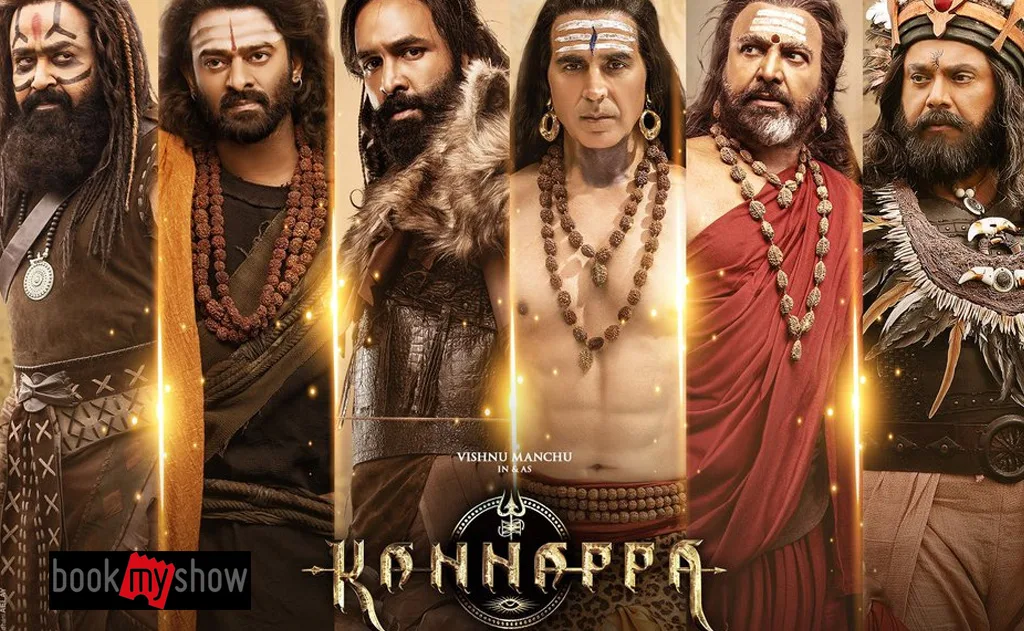
Rating: ⭐️⭐️⭐️🌟 (3.5/5)
Tagline: “A warrior. A devotee. A legend.”
Kannappa (2025), directed by Mukesh Kumar Singh and produced by Vishnu Manchu, is a Telugu-language mythological epic that revives the story of Bhakta Kannappa—a tribal hunter whose unorthodox but unshakable devotion to Lord Shiva makes him one of Sanatan Dharma’s most revered figures. Rooted in Shiv Bhakti and spiritual surrender, the film serves as a heartfelt cinematic offering to Mahadev, resonating deeply with devotees, even if not without a few cinematic imperfections.
Devotional Core and Spiritual Resonance
At the heart of Kannappa lies the transformation of Thinnadu, a skeptical hunter from the Chenchu tribe, into Bhakta Kannappa, a devotee whose love for Lord Shiva defies both caste and ritual norms. Inspired by scriptures such as the Srikalahasti Mahatyam and Basava Puranam, the film retells the powerful legend of Kannappa’s offerings—water from his mouth, hunted meat, and ultimately, the sacrifice of his eyes to stop the Shiva Lingam’s bleeding.
This climax isn’t just cinematic—it’s profoundly spiritual, a striking representation of bhakti yoga (the path of devotion) where intention overrides orthodoxy. The presence of the Avadhoota, a divine guide (interpreted as Shiva in disguise), enriches the mystical undertones of the film, with spiritual festivals like Mahashivratri and the worship of the Vayu Lingam enhancing the sacred atmosphere.
Performances Through a Devotional Lens
Vishnu Manchu, in the titular role, delivers a performance that is raw, sincere, and spiritually charged. His emotional arc—from disbelief to complete surrender—is the film’s devotional backbone. In particular, his portrayal in the final sacrifice scene is likely to evoke tears and goosebumps among Shiva devotees.
Mohan Babu, as the ritualistic Mahadeva Shastri, embodies societal orthodoxy, making Kannappa’s rebellious spirituality all the more compelling. Cameos by Prabhas (as Rudra), Mohanlal (as Kirata), Akshay Kumar (as Lord Shiva), and Kajal Aggarwal (as Goddess Parvati) lend the film divine gravitas. Akshay Kumar’s portrayal of Shiva—calm, powerful, and compassionate—is especially memorable for bhakts, and Kajal’s serene presence adds emotional depth.
Cinematic Craft and Devotional Aesthetic
Shot against the lush landscapes of New Zealand, the film blends natural beauty with sacred mythology, turning forests, mountains, and rivers into living altars. The visuals, though sometimes marred by inconsistent VFX, largely succeed in immersing the audience in Kannappa’s world.
Stephen Devassy’s music and background score elevate the devotional atmosphere, especially during ritual scenes and the climactic sacrifice. However, the first half struggles with pacing, burdened by subplots that distract from the spiritual journey. The initial violence and aggression, which led to censor board cuts and a U/A rating, may feel jarring to viewers expecting an entirely devotional tone.
Spiritual Reflections and Devotional Critique
Kannappa’s strength lies in its emotional and spiritual climax, which echoes the message that true devotion transcends form, caste, and ritual. His sacrifice becomes a metaphor for surrendering ego, body, and mind—a core teaching in Sanatan Dharma. The film also challenges rigid ritualism through its characters, emphasizing divine grace over ritual correctness.
That said, the dialogue choices (e.g., terms like “Pilaka” and “Neecha Jati”), though contextually explained, may discomfort sensitive viewers and feel tonally out of sync with the otherwise spiritual arc. Still, these missteps are largely overshadowed by the spiritual power of the final act.
Recommendation for Shiva Devotees
For followers of Lord Shiva and believers in the bhakti tradition, Kannappa is a must-watch. The film demands patience in its early portions but richly rewards viewers with a soul-stirring, emotionally immersive conclusion. Watching it in theaters—where the visuals and soundtrack can be fully experienced—is highly recommended for maximum spiritual resonance.
Final Thoughts
Kannappa is more than a film; it’s a cinematic yatra—a pilgrimage through doubt, faith, and divine surrender. Though imperfect in its structure, it triumphs in spiritual authenticity, delivering a message that devotion knows no caste, no ritual—only love and sacrifice.
It may not reach cinematic perfection, but for devotees, it offers something far more valuable: bhakti rasa—the flavor of divine devotion.
Frequently Asked Questions
Who directed and produced Kannappa (2025)?
Kannappa is directed by Mukesh Kumar Singh and produced by Vishnu Manchu. It is a Telugu-language mythological epic about Bhakta Kannappa.
What is the story of Bhakta Kannappa?
As commonly told, Thinnadu, a skeptical hunter of the Chenchu tribe, becomes Kannappa. He offers Lord Shiva water from his mouth and hunted meat, and finally his own eyes to stop the Shiva Lingam's bleeding.
Which scriptures inspired the Kannappa film?
The film draws on scriptures such as the Srikalahasti Mahatyam and Basava Puranam to retell the legend of Kannappa's offerings.
Who plays Shiva and Parvati in Kannappa?
Akshay Kumar plays Lord Shiva and Kajal Aggarwal plays Goddess Parvati. Prabhas appears as Rudra and Mohanlal as Kirata, while Vishnu Manchu plays Kannappa.
What is the rating of Kannappa and is it worth watching in theaters?
The review rates it 3.5/5 and calls it a must-watch for Shiva devotees. Theaters are recommended so the visuals and soundtrack can be fully experienced, though the first half struggles with pacing and VFX is inconsistent.
What spiritual message does Kannappa give?
True devotion transcends form, caste and ritual. Kannappa's sacrifice stands for surrendering ego, body and mind, and the film stresses divine grace over ritual correctness.
Share this with family and friends
Send it on WhatsApp, post it, or copy the link.
More from Hinduism
- Robotic Elephants and AI in Hindu Temples: Kerala's Mechanical Tuskers, Tirumala's AI Command Centre and the Debate
- Quantum Computing Explained for Hindus: Qubits, Superposition and Entanglement, with Vedanta Analogies (Not Equivalences)
- Madhava of Sangamagrama and the Kerala School: The Infinite Series for Pi, Sine and Arctangent, Worked Out Step by Step
- Vedic Mathematics: Myth vs Fact. Bharati Krishna Tirtha's 16 Sutras, Where They Come From, and What Still Works
- Pingala and Binary Numbers: Laghu-Guru Patterns, Prastara and the Meru Prastara (Pascal's Triangle) Explained
You might also like
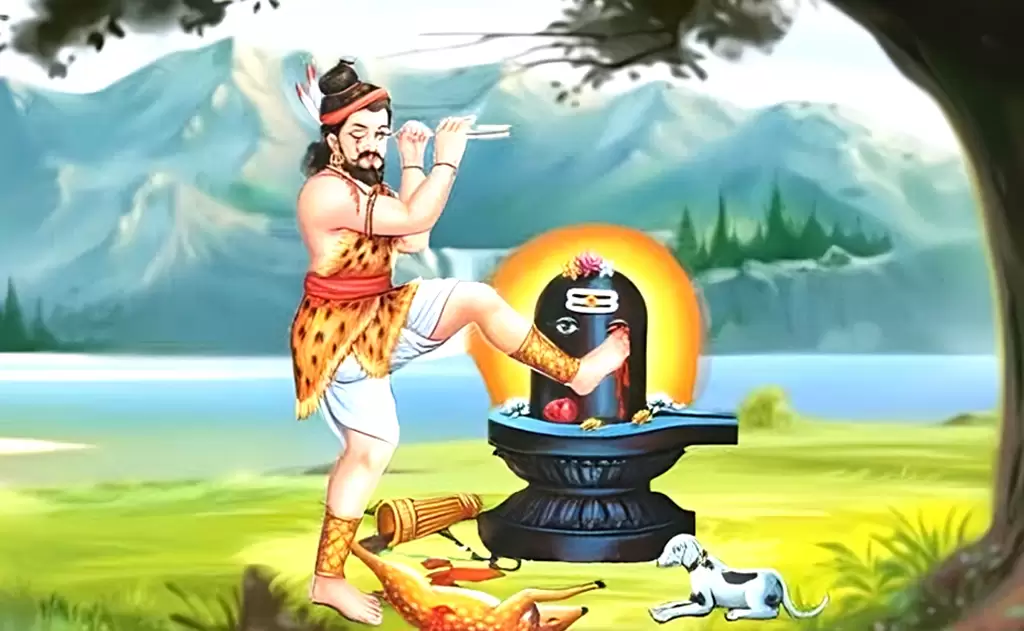
Bhakta Kannappa: The Devotee Who Offered His Eyes to Lord Shiva
AI and the Sanskrit Revival in 2026: Language Models, Manuscript OCR, Translation Tools and What AI Still Gets Wrong

Can a Robot Perform Puja? Robot Aarti, AI in Rituals and What Hindu Tradition Says