

Karma, Rebirth, and Moksha Explained Simply: Core Concepts in Hinduism for 2026 Readers

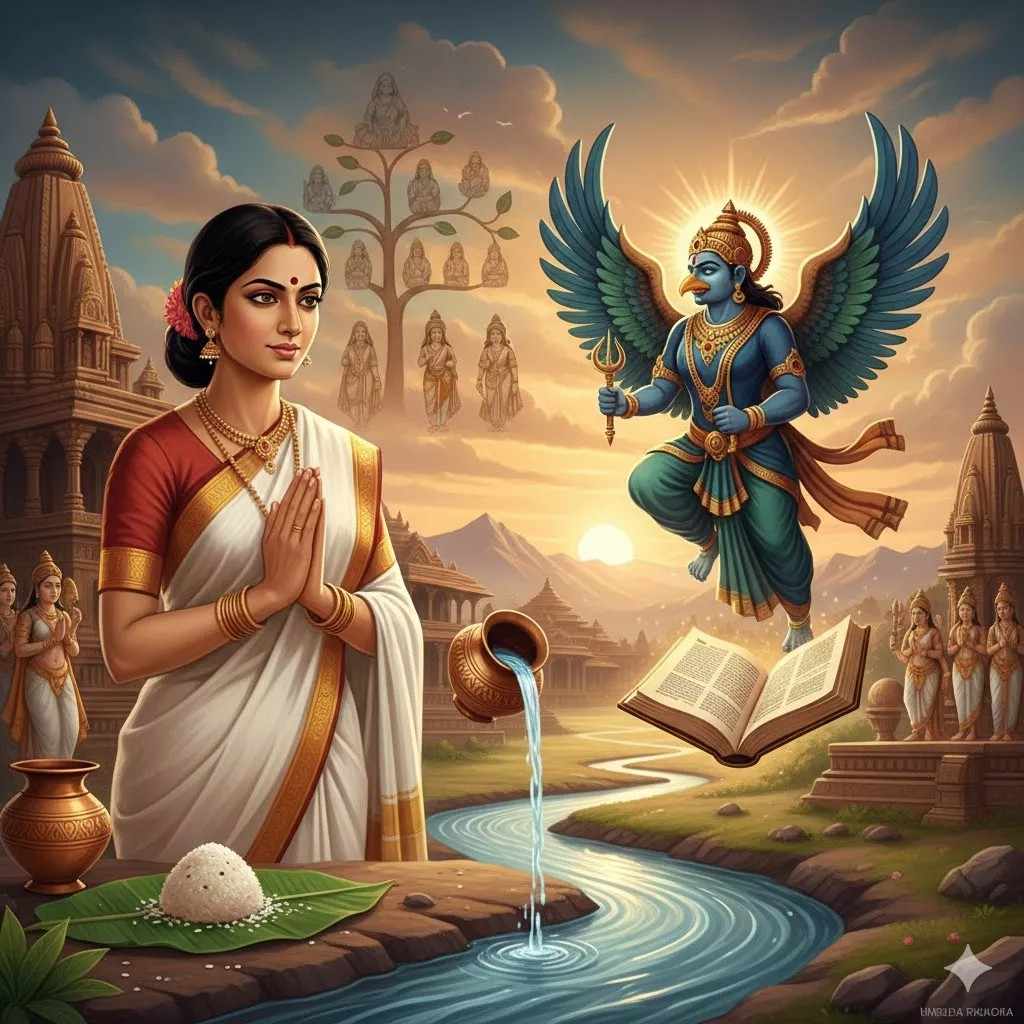
In Hinduism (also known as Sanatana Dharma), three interconnected ideas—karma, rebirth (or reincarnation), and moksha—form the foundation of how life, actions, and spiritual freedom work. These aren’t complicated philosophies reserved for scholars; they’re practical ways to understand why things happen in life and how to find lasting peace.
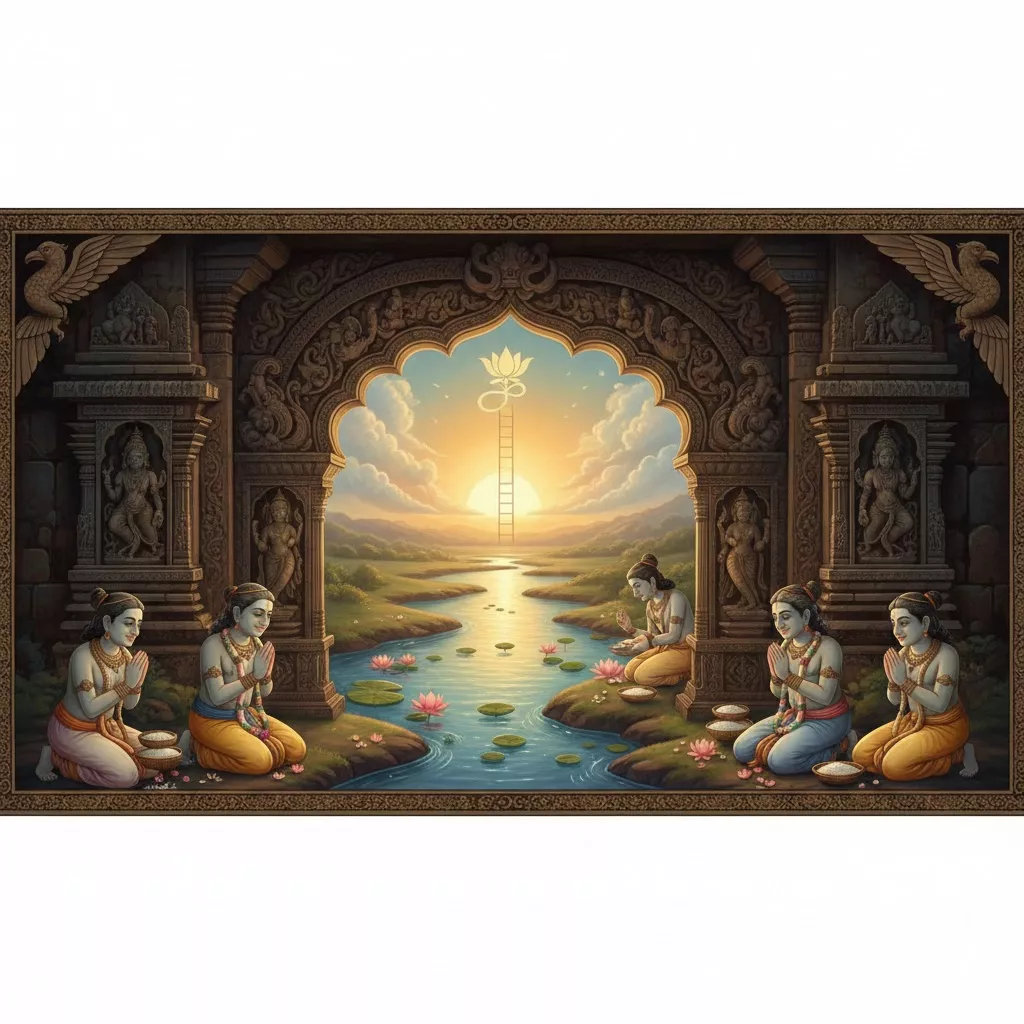
Think of them like this: Your actions create consequences (karma), those consequences shape your next life (rebirth), and the ultimate goal is to break free from the endless loop forever (moksha).
What is Karma? (The Law of Cause and Effect)
Karma literally means “action” or “deed” in Sanskrit. It’s the universal law that every thought, word, and action produces results—good actions bring positive outcomes, harmful ones bring suffering.
- Good karma (punya): Comes from kindness, honesty, helping others, living ethically.
- Bad karma (papa): Comes from lying, harming, selfishness, greed.
Karma isn’t punishment from a judgmental God—it’s natural cause and effect, like planting seeds: plant good ones, harvest good fruits; plant bad ones, harvest difficulties.
There are types of karma:
- Sanchita: Accumulated from past lives.
- Prarabdha: The portion you’re experiencing now (your current life circumstances).
- Kriyamana/Agami: New karma you’re creating right now.
The key? You have free will. Your choices today can improve your future, even across lifetimes.
What is Rebirth (Reincarnation or Samsara)?
Rebirth, or samsara (the cycle of birth, death, and rebirth), is the process where the soul (atman or jiva) doesn’t die—it moves to a new body after death.
- The soul is eternal and immortal.
- Death is like changing clothes: the body wears out, but the soul takes a new one.
- Your next birth depends on your karma balance: Good karma might lead to a comfortable human life; unresolved issues could mean challenges or even rebirth in other forms (though human birth is seen as ideal for spiritual growth).
Samsara has no clear beginning—it’s been going on for countless lives. Each life is a chance to learn, grow, balance karma, and evolve spiritually. Suffering in this life? It might be working off past karma or teaching lessons.
What is Moksha? (Liberation or Freedom)
Moksha means “liberation” or “release”—freedom from samsara, the end of rebirth, karma’s binding effects, and all suffering.
- Once achieved, the soul realizes its true nature: unity with Brahman (the ultimate reality, God, or infinite consciousness).
- No more cycles of birth and death—no more pain, desire, or illusion.
- It’s the highest goal (purushartha) beyond dharma (duty), artha (wealth), and kama (pleasure).
Moksha isn’t “heaven”—it’s transcendence. Some traditions describe it as merging with the divine like a drop returning to the ocean; others as blissful union with a personal God.
How Are They Connected?
- Karma drives rebirth in samsara.
- Accumulated karma keeps the soul tied to the cycle.
- When karma is resolved and true self-knowledge dawns, moksha happens—freedom forever.
It’s hopeful: Every soul can reach moksha, no exceptions. Hinduism promises eventual liberation for all through effort and grace.
Paths to Moksha (Simple Ways to Get There)
The Bhagavad Gita outlines main paths (yogas) suited to different people:
- Karma Yoga: Selfless action—do your duty without attachment to results.
- Bhakti Yoga: Devotion and love for God (personal forms like Krishna, Shiva, or Devi).
- Jnana Yoga: Path of knowledge—self-inquiry to realize “I am not the body/mind, I am the eternal soul.”
- Raja Yoga: Meditation and discipline to control the mind.
Many combine them. Living ethically (dharma), reducing desires, and seeking truth accelerate the journey.
Why These Ideas Matter in 2026
In a fast-paced, uncertain world, karma reminds us our choices matter. Rebirth offers comfort: Life isn’t random or final—there’s purpose and second chances. Moksha inspires hope: True freedom and peace are possible beyond material struggles.
Whether you’re exploring spirituality or just curious, these concepts encourage kindness, self-reflection, and growth.
Related Reads on Hindutone:
- Karma theory in Hinduism
- Path to moksha
Understanding karma, rebirth, and moksha gives a clear lens on life’s bigger picture—simple, profound, and timeless.
Related posts:
 Yoga Part of Hinduism
 Vishwa Hindu Raksha Parishad Launches Nationwide Call Centre to Combat Illegal Religious Conversions
 The Sacred Struggle: A Devotional Story of Hindu Parents Protecting Their Children’s Spiritual Heritage in American Schools
 Hinduism vs Sikhism: Understanding Two Ancient Indian Religions
 Hinduism vs Judaism: A Comprehensive Comparison of Two Ancient Faiths
 How Hindus in USA, UK & Australia Celebrate Hindu New Year


 ︎
︎

