Vaikhanasa Agamas: Complete Explanation of Rules, Principles & Temple Worship
Clear devotional explanation of Vaikhanasa Agamas rules followed at Tirumala TTD — origin, Sage Vikhanasa, priest qualifications, daily rituals, devotee conduct, differences with Pancharatra, and why these traditions are strictly protected.
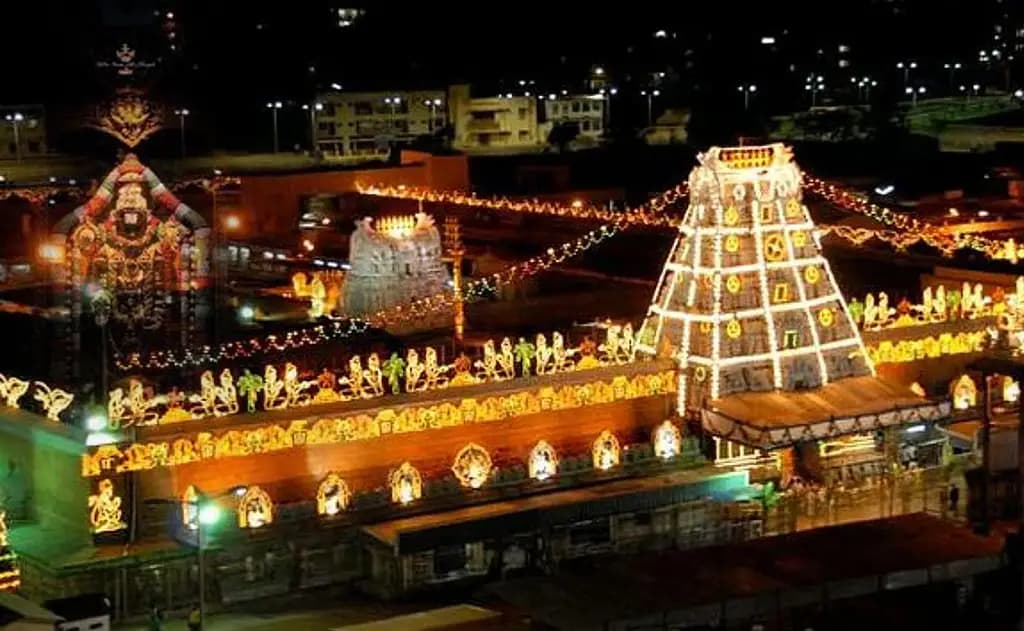
Clear devotional explanation of Vaikhanasa Agamas rules followed at Tirumala TTD — origin, Sage Vikhanasa, priest qualifications, daily rituals, devotee conduct, differences with Pancharatra, and why these traditions are strictly protected.
The Vaikhanasa Agamas are one of the two major scriptural traditions (Agamas) that guide Vaishnava temple worship in South India. The other is the Pancharatra Agama.
Vaikhanasa Agamas provide detailed rules for building temples, installing deities (murti pratishtha), performing daily and festival rituals, qualifications and training of priests, and maintaining purity and sanctity inside the temple.
These Agamas are considered deeply rooted in the Vedas and are known among followers as Bhagavata Shastra. They emphasise disciplined, continuous worship of Lord Vishnu in His iconic form (archa or samurta-archana).
tirumala/" class="auto-interlink" data-interlink="1">Tirumala Tirupati Devasthanams (TTD) follows the Vaikhanasa Agama tradition for the worship of Lord Venkateswara. This is why rituals at Tirumala are performed with strict adherence to ancient procedures. See our companion Today’s Tirumala Pilgrim Guide for current darshan timings and protocols.
Origin and Sage Vikhanasa
The tradition takes its name from Sage Vikhanasa (also called Vaikhanasa). According to tradition, Sage Vikhanasa is considered a direct manifestation or recipient of divine knowledge from Lord Vishnu Himself.
He received the sacred teachings and passed them on to his four main disciples:
- Atri
- Bhrigu
- Kashyapa
- Marichi
These four rishis became the founders of the four main lineages (gotras) in the Vaikhanasa community. The original teachings are said to have been vast (some texts mention thousands of verses), covering both temple rituals and the philosophical basis of Vishnu worship.
The Vaikhanasa tradition is regarded as one of the oldest Vaishnava Agamic systems and maintains a strong connection with Vedic ritual practices while focusing on the worship of Vishnu in temple form.
Core Principles of Vaikhanasa Agamas
- Vishnu as Supreme — Vishnu is worshipped as the highest reality and the very personification of Yajna (sacred ritual).
- Worship of the Icon (Archa) — Strong emphasis on treating the consecrated deity image as the living presence of Vishnu.
- Ritual Precision and Continuity — Every ritual must be performed exactly as prescribed to maintain the sanctity and power of the worship.
- Purity and Discipline — Both priests and the temple space must maintain the highest levels of ritual purity.
- Hereditary Priesthood — Temple rituals are performed only by trained priests from the specific Vaikhanasa lineage.
Key Rules of Vaikhanasa Agamas
1. Priest Qualifications and Training (Most Important Rule)
This is one of the strictest and most distinctive features:
- Only Brahmins born in the Vaikhanasa lineage (descendants of Atri, Bhrigu, Kashyapa, or Marichi, and sons of Vaikhanasa archakas) are eligible to perform core temple rituals.
- The priest must undergo specific samskaras (purification rituals). Training and purification begin even before birth — a ceremony called Shanka Chakra Ankita is performed in the eighth month of pregnancy.
- Only these qualified Vaikhanasa priests can touch the main deity (mula murti), enter the garbha griha (sanctum sanctorum), and perform abhisheka, naivedya offering, and daily nitya puja.
- Other Brahmins, even highly learned acharyas or pontiffs from outside the lineage, are not permitted to perform these core functions in a Vaikhanasa temple.
This rule ensures unbroken continuity and ritual purity passed through generations.
2. Rules for Temple Construction and Deity Installation
- Temples must be built according to specific measurements and directions given in the Agamas.
- The process of prana pratishtha (infusing life into the deity) follows detailed procedures involving mantras, homa, and specific rituals.
- The main deity (mula murti) is considered the most important; subsidiary deities have their own rules.
3. Daily and Occasional Rituals
Vaikhanasa Agamas prescribe a highly structured daily routine for the deity:
- Morning awakening rituals
- Abhisheka (ceremonial bath)
- Alankara (decoration)
- Naivedya (food offering)
- Multiple aratis throughout the day
- Night retirement rituals
All rituals must be performed at the correct times with the correct mantras and procedures. Even small deviations are avoided to maintain the sanctity of the worship.
4. Rules for Devotees and General Conduct Inside the Temple
From traditional Vaikhanasa texts, some important conduct rules include:
- No footwear inside the temple precincts or shrine.
- No vehicles inside the temple area.
- Perform pradakshina (circumambulation) properly, keeping the shrine to your right, with devotion (not in a hurry).
- Bow or prostrate before beginning the circumambulation.
- The towers (gopuram and vimana) should not be trodden upon with feet.
- Maintain silence, cleanliness, and mental purity inside the temple.
- The temple itself is considered a form of the Godhead and must be treated with the highest respect.
These rules protect the sacred atmosphere required for the rituals.
Vaikhanasa Agama vs Pancharatra Agama
| Aspect | Vaikhanasa Agama | Pancharatra Agama |
|---|---|---|
| Age & Origin | Considered older, closer to Vedic roots | Later development, more expansive |
| Priesthood | Strictly hereditary Vaikhanasa lineage only | Allows specific other Brahmin lineages in many cases |
| Ritual Style | Highly disciplined, precise, inward-focused | More elaborate festivals and community participation |
| Emphasis | Ritual continuity and purity | Devotional participation and theology |
| Example Temple | Tirumala (Lord Venkateswara) | Tiruchanoor (Padmavathi Devi temple) |
Both traditions worship Lord Vishnu, but they differ in ritual details and priestly eligibility. TTD follows Vaikhanasa at Tirumala.
Why These Rules Matter at Tirumala (TTD Context)
The strict Vaikhanasa rules explain why TTD maintains very careful protocols about who can perform rituals, what can be brought into the sanctum, and how offerings and symbols are handled.
Any change or introduction of elements not aligned with the Agama can be seen as disturbing the centuries-old ritual continuity that defines Tirumala’s sanctity. This is the scriptural and traditional basis behind many decisions regarding temple practices.
Devotional Significance
For devotees, the Vaikhanasa Agamas represent the meticulous care with which our ancestors arranged the worship of Lord Vishnu so that His presence remains powerfully manifest in the temple. When we visit Tirumala and witness the rituals, we are participating in a living tradition that has been carefully preserved for generations.
The rules are not meant to create barriers but to ensure that the worship remains pure, powerful, and continuous — so that every devotee who comes with faith receives the full grace of Lord Venkateswara.
Om Namo Venkatesaya
Related Reading
- Shanka Chakra Ankita — Vaikhanasa prenatal samskara
- Garbha Samskaras — complete prenatal rituals guide
- Today’s Tirumala Pilgrim Guide
FAQs on Vaikhanasa Agamas
Q: Can anyone become a priest in a Vaikhanasa temple like Tirumala?
No. Only trained priests from the specific Vaikhanasa Brahmin lineage (following the four rishi traditions) who have undergone the required samskaras are eligible.
Q: Why is Tirumala so strict about rituals?
Because it follows the Vaikhanasa Agama, which demands precise adherence to maintain the sanctity and power of the deity’s presence.
Q: Are Vaikhanasa rules only for priests?
No. There are also clear rules for devotee conduct, temple behaviour, and respect toward the sacred space.
Q: Is Vaikhanasa Agama against other forms of Vishnu worship?
No. It is one valid and ancient tradition within Vaishnavism. Other traditions like Pancharatra are equally respected but followed in different temples.
You might also like
Ghosts in Hinduism: Bhuta, Preta and Pishacha — What the Scriptures Actually Say
Black Magic and Demons in Hinduism: What the Scriptures Actually Say
Hindu Financial Ethics: How Sanatana Dharma Frames Money, Wealth and Debt