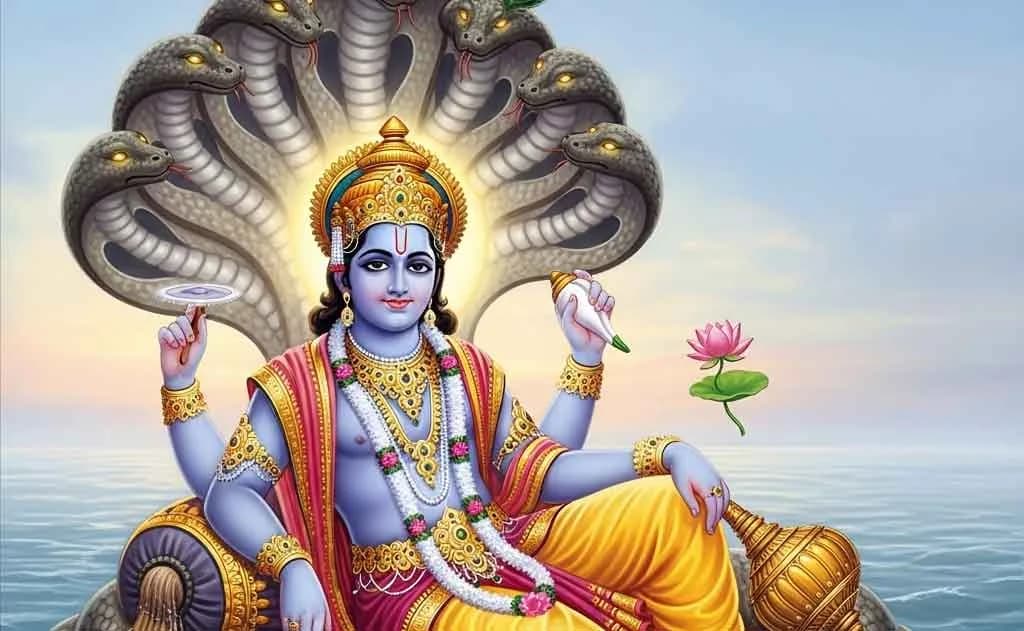
Shanka Chakra Ankita Ritual — Vaikhanasa Agama Prenatal Samskara for Future Priests
Devotional explanation of Shanka Chakra Ankita (Vishnu-Bali) — the Vaikhanasa prenatal samskara performed in the eighth month to sanctify the unborn child as a future temple priest at Tirumala.
Devotional explanation of Shanka Chakra Ankita (Vishnu-Bali) — the Vaikhanasa prenatal samskara performed in the eighth month to sanctify the unborn child as a future temple priest at Tirumala.
The Shanka Chakra Ankita (also spelled Shankha Chakra Ankita) is a sacred prenatal samskara performed in the Vaikhanasa Agama tradition. It is also known as Vishnu-Bali or Garbha-Chakra Samskara.
This ritual is unique to the Vaikhanasa community. Its main purpose is to sanctify the unborn child while still in the mother’s womb, so that the child is born already marked as a Vaishnava and prepared for the path of becoming a Vaikhanasa temple priest (archaka) in the future.
When Is Shanka Chakra Ankita Performed?
The ritual is performed during the eighth month of pregnancy.
- Specifically, it is done in the bright half (shukla paksha) of the eighth lunar month.
- It is usually conducted along with the Seemantha (Seemanta) ritual — the traditional prenatal ceremony in which the pregnant woman’s hair is parted. See Seemantham — Hindu Baby Shower NRI Guide.
- It is a private family ceremony performed at the home of the pregnant mother. It is not a public temple event.
This timing is considered highly auspicious because the foetus is sufficiently developed, and the ritual can have the deepest sanctifying effect.
How Is the Shanka Chakra Ankita Ritual Performed?
The ritual is simple yet deeply symbolic:
- The pregnant mother undergoes the Seemantha ceremony (hair parting).
- As part of or immediately following it, the Vishnu-Bali is offered.
- A cup of payasam (sweet rice pudding or kheer) is prepared.
- The insignia or symbol of Lord Vishnu’s Chakra (divine discus) is dipped into the payasam.
- The pregnant mother is offered or consumes this sanctified payasam.
- Vedic mantras and Vaikhanasa-specific prayers are chanted during the ceremony.
Traditional Belief: It is believed that during this ritual, Lord Vishnu Himself blesses and marks the unborn child with the holy symbols of Shankha (conch) and Chakra (discus) on the child’s arms. This is why the ritual is called Shanka Chakra Ankita — “marked with conch and discus.”
After this ritual, the child is considered a Garbha Vaishnava — a Vaishnava devotee from the very womb.
Spiritual and Traditional Significance
- Early Sanctification — The child receives the status of a Vishnu devotee even before birth. This differs from many other Vaishnava traditions, where the Pancha Samskara (including branding with Shankha and Chakra) is performed after birth.
- Preparation for Priesthood — This is the very first step in the long process of training a future Vaikhanasa priest. It is believed to plant the seed of priestly dharma from the prenatal stage.
- Hereditary Purity — It reinforces the hereditary nature of the Vaikhanasa priestly lineage. Only children born in this lineage who have undergone this prenatal ritual (followed by proper upbringing and training) are considered eligible to perform core rituals in Vaikhanasa temples.
- Protection and Blessing — The ritual is also seen as a protective blessing for both the mother and the unborn child, invoking Lord Vishnu’s grace during pregnancy.
Connection to Vaikhanasa Priest Tradition
This ritual is one of the key reasons why only specific hereditary Vaikhanasa Brahmins can become archakas (priests) in temples following the Vaikhanasa Agama (such as the Tirumala temple):
- The process of becoming a priest begins before birth with Shanka Chakra Ankita.
- After birth, the child undergoes further samskaras, education in the Vaikhanasa texts, and rigorous training under senior priests.
- Only those who have gone through this complete process from the womb onward are considered fully qualified to touch the deity, enter the sanctum, and perform the most important rituals.
This is why, in Vaikhanasa temples, even other learned Brahmins or acharyas from outside the lineage are generally not permitted to perform the core priestly duties.
Why This Ritual Matters for Devotees
For ordinary devotees visiting temples like Tirumala, understanding this ritual helps us appreciate the depth of tradition and discipline behind the worship we witness. The priests we see performing the daily rituals at Tirumala have been prepared through sacred processes that began even before they were born.
It reflects the Vaikhanasa emphasis on purity, continuity, and total dedication to Lord Vishnu’s service.
Summary Table
| Aspect | Details |
|---|---|
| Name | Shanka Chakra Ankita / Vishnu-Bali |
| When | 8th month of pregnancy (bright fortnight) |
| Where | At home (private family ritual) |
| Main Action | Offering payasam with Chakra symbol |
| Belief | Lord Vishnu marks the child with Shankha & Chakra |
| Purpose | Sanctify child as Garbha Vaishnava & future priest |
| Tradition | Unique to Vaikhanasa Agama |
Om Namo Venkatesaya
This ritual beautifully shows how the Vaikhanasa tradition begins preparing its priests with the highest sanctity from the earliest stage of life.
Related Reading
You might also like
Ghosts in Hinduism: Bhuta, Preta and Pishacha — What the Scriptures Actually Say
Black Magic and Demons in Hinduism: What the Scriptures Actually Say
Hindu Financial Ethics: How Sanatana Dharma Frames Money, Wealth and Debt