Garbha Samskaras Explained — Hindu Prenatal Rituals in Vedic & Vaikhanasa Tradition
Complete devotional guide to Garbha Samskaras (prenatal rituals) in Hinduism — Garbhadhana, Pumsavana, Seemantha (Simantonnayana), and the special Shanka Chakra Ankita ritual in Vaikhanasa Agama followed at Tirumala TTD.
Complete devotional guide to Garbha Samskaras (prenatal rituals) in Hinduism — Garbhadhana, Pumsavana, Seemantha (Simantonnayana), and the special Shanka Chakra Ankita ritual in Vaikhanasa Agama followed at Tirumala TTD.
Garbha Samskaras are the sacred prenatal rituals performed during pregnancy for the physical, mental, and spiritual well-being of both the mother and the unborn child.
In Hindu tradition, life is sanctified through 16 Shodasha Samskaras (rites of passage). The first three of these are prenatal and are collectively known as Garbha Samskaras.
These rituals are rooted in the Vedic Grihya Sutras and are followed (with some variations) across different traditions, including the Vaikhanasa Agama observed at Tirumala.
The purpose is not merely ceremonial. Ancient seers believed that performing these rituals with faith and proper mantras:
- Protects the mother and foetus
- Promotes healthy physical and mental development of the child
- Creates positive impressions (samskaras) on the unborn baby
- Invokes divine blessings for a dharmic and healthy life
The Three Main Garbha Samskaras
1. Garbhadhana (Conception Ritual)
- When: Performed at the time of conception or planned before it.
- Purpose: To sanctify the act of procreation and ensure the birth of a healthy, virtuous child.
- Significance: It raises the physical union of husband and wife to a sacred level through prayers and mantras. The parents prepare themselves physically, mentally, and spiritually.
This is the first samskara and sets the foundation for the child’s life.
2. Pumsavana (Foetus Protection Ritual)
- When: Usually performed in the third or fourth month of pregnancy.
- Purpose: Ensure proper formation and development of the foetus; promote strength, vitality, intelligence, and overall well-being of the child. Traditionally associated with prayers for a male child (though many modern interpretations focus on the healthy growth of the child regardless of gender).
- How it is performed: Specific Vedic mantras are chanted, and herbal preparations or sanctified items may be used as per family tradition and the priest’s guidance.
This ritual reflects the deep Vedic understanding of the importance of the early months of pregnancy for the child’s development.
3. Simantonnayana / Seemantha / Seemanta (Hair Parting Ritual)
- When: Typically in the seventh or eighth month of pregnancy.
- Purpose: Protect the mother and unborn child; calm the mother’s mind and reduce anxiety; invoke blessings for a safe and smooth delivery.
- How it is performed: The pregnant woman’s hair is gently parted (symbolising the separation of negative thoughts); elders offer blessings; Vedic mantras are chanted. In many regions, it is celebrated like a baby shower with gifts, prayers, and community participation.
See our detailed NRI guide: Seemantham — The Hindu Baby Shower (Simantonnayana).
Special Vaikhanasa Samskara: Shanka Chakra Ankita
In the Vaikhanasa Agama tradition (followed at Tirumala for Lord Venkateswara’s worship), there is an additional and unique prenatal ritual performed in the eighth month along with Seemantha — Shanka Chakra Ankita (Vishnu-Bali).
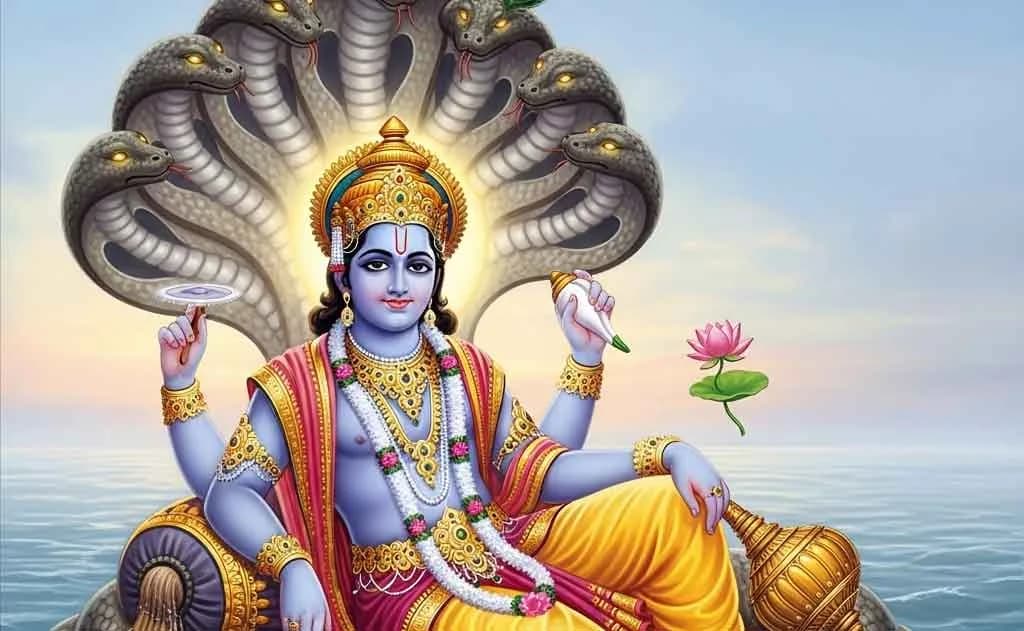
- A cup of payasam is offered in which the symbol of Lord Vishnu’s Chakra (divine discus) is dipped.
- The pregnant mother partakes of this sanctified payasam.
- Lord Vishnu is believed to mark the unborn child with the holy symbols of Shankha (conch) and Chakra (discus).
- The child is sanctified as a Garbha Vaishnava and prepared from the prenatal stage to become a Vaikhanasa archaka.
This ritual beautifully combines devotion to Lord Vishnu with the preparation of future priests who will serve in temples like Tirumala.
Benefits of Performing Garbha Samskaras
According to Vedic wisdom and traditional understanding:
For the Mother:
- Mental peace and emotional stability
- Reduction of fear and anxiety during pregnancy
- Physical protection and blessings for safe delivery
For the Unborn Child:
- Healthy physical and mental development
- Positive samskaras (impressions) from an early stage
- Spiritual protection and divine blessings
- In Vaikhanasa tradition: Early sanctification as a devotee of Vishnu
Garbha Samskaras in Modern Context
Many families today adapt these rituals meaningfully:
- Performing them with faith and proper guidance
- Combining them with modern prenatal care
- Focusing on the spiritual and emotional well-being of the mother
The core message remains the same: pregnancy is a sacred period, and conscious spiritual practices can positively influence both mother and child.
Relevance to Tirumala and Vaikhanasa Tradition
At Tirumala, the worship follows the Vaikhanasa Agama. The priests (archakas) who serve Lord Venkateswara come from families where these Garbha Samskaras — especially the unique Shanka Chakra Ankita — have been performed for generations. This deep-rooted tradition ensures that the worship at Tirumala continues with the highest level of purity, discipline, and continuity as prescribed in the ancient scriptures.
Related Practices for Holistic Care
- Garbhini Paricharya — Ayurvedic Pregnancy Care — month-wise diet & lifestyle.
- Garbha Raksha Mantras for Safe Delivery — sacred chants for protection.
- Shanka Chakra Ankita Ritual — Vaikhanasa-specific prenatal samskara.
- Vaikhanasa Agamas — TTD scriptural basis
Om Shanti — May all mothers and children be blessed with health and happiness.
You might also like
Ghosts in Hinduism: Bhuta, Preta and Pishacha — What the Scriptures Actually Say
Black Magic and Demons in Hinduism: What the Scriptures Actually Say
Hindu Financial Ethics: How Sanatana Dharma Frames Money, Wealth and Debt