Ayurvedic Pregnancy Care (Garbhini Paricharya) — Month-wise Diet, Lifestyle & Benefits
Traditional Ayurvedic pregnancy care through Garbhini Paricharya. Month-wise diet, lifestyle guidelines, safe practices, and how it complements Garbha Samskaras for mother and baby’s well-being.
Traditional Ayurvedic pregnancy care through Garbhini Paricharya. Month-wise diet, lifestyle guidelines, safe practices, and how it complements Garbha Samskaras for mother and baby’s well-being.
Ayurveda offers one of the most comprehensive and time-tested systems of pregnancy care, known as Garbhini Paricharya. The word “Garbhini” means a pregnant woman, and “Paricharya” means care or regimen.
Classical Ayurvedic texts like Charaka Samhita, Sushruta Samhita, and Ashtanga Hridaya describe detailed guidelines for diet (Ahara), lifestyle (Vihara), and mental well-being (Vichara) during pregnancy. These recommendations are given month by month (Masanumasika) because the needs of the mother and growing foetus change with each stage.
Important Disclaimer: This information is based on traditional Ayurvedic knowledge. Every pregnancy is unique. Always consult a qualified Ayurvedic physician along with your obstetrician before following any specific diet, herb, or practice. Self-medication can be harmful.
Core Principles of Garbhini Paricharya
Ayurveda views pregnancy as a delicate period where the health of the mother directly influences the child. The main goals are:
- Proper nourishment and tissue development of the foetus
- Maintaining balance of the three doshas (Vata, Pitta, Kapha)
- Supporting digestion and strength of the mother
- Promoting mental peace and positive impressions on the child
- Preparing for a smooth and safe delivery
The three pillars are:
- Ahara (Diet) — Nourishing, easy-to-digest food
- Vihara (Lifestyle) — Gentle activity, rest, and self-care
- Vichara (Thoughts) — Positive mindset, prayers, and emotional well-being
Month-wise (Masanumasika) Guidelines
Here is a simplified overview based on classical texts (Charaka, Sushruta, Vagbhata). Exact recommendations should be personalised by a qualified vaidya.
| Month | Focus | Diet Recommendations | Lifestyle Tips |
|---|---|---|---|
| 1st | Implantation & stability | Light liquids — milk, thin rice gruel (peya/manda), sweet and cold preparations | Complete rest, avoid physical & mental strain |
| 2nd | Formation of tissues | Milk with sweet herbs or ghee | Gentle routine, nourishing food |
| 3rd | Development of organs | Milk + honey + ghee | Start mild oil massage (abhyanga) |
| 4th | Muscle & blood formation | Milk + butter/ghee, rice with milk | Balanced activity, avoid heavy work |
| 5th | Fat & strength building | Ghee in increasing quantity with milk | Regular gentle walking, positive environment |
| 6th | Overall nourishment | Ghee + medicated rice gruel | Continue abhyanga, light yoga |
| 7th | Further strengthening | Ghee preparations | Focus on digestion and rest |
| 8th–9th | Preparation for delivery | Easy-to-digest food, specific decoctions (under guidance) | Gentle movements, breathing practices |
| 10th | Final preparation | Light, warm, nourishing food | Rest, positive mindset, readiness for labour |
Note: In later months, certain classical procedures (like medicated enemas) are mentioned in texts but should only be done under expert Ayurvedic supervision.
General Ayurvedic Diet Guidelines During Pregnancy
Preferred Foods:
- Warm, freshly cooked, easy-to-digest meals
- Milk (especially cow’s milk) — highly recommended
- Ghee (in moderate quantities)
- Rice, moong dal, wheat
- Sweet fruits (ripe mango, banana, pomegranate, grapes)
- Cooked vegetables (bottle gourd, pumpkin, spinach in moderation)
- Soups and light broths
Foods to Limit or Avoid:
- Heavy, fried, or processed foods
- Excessive spicy, sour, or salty items
- Cold drinks and refrigerated food
- Fermented or stale food
- Excessive non-vegetarian food (as per individual constitution)
General Rule: Eat according to your hunger and digestive capacity. Overeating or undereating both disturb balance.
Lifestyle (Vihara) Recommendations
- Abhyanga (Oil Massage): Gentle daily or regular massage with suitable warm oil (e.g., Bala taila or sesame oil) under guidance. Reduces Vata, improves circulation, and relaxes muscles.
- Rest & Sleep: Adequate rest, especially in the first and last trimesters. Avoid excessive daytime sleep.
- Light Exercise: Gentle walking and pregnancy-safe yoga asanas (under expert guidance). Avoid strenuous activity.
- Hygiene & Environment: Clean surroundings, fresh air, and a calm atmosphere.
- Clothing: Loose, comfortable cotton clothes.
What to Avoid:
- Heavy lifting or sudden jerky movements
- Excessive travel or exposure to extreme weather
- Negative emotions, arguments, or stressful situations
- Suppression of natural urges (like urination or hunger)
Mental & Emotional Well-being (Vichara)
Ayurveda strongly emphasises the effect of the mother’s thoughts and emotions on the developing child. Recommendations include:
- Listening to soothing music, bhajans, or Vedic chants
- Reading or listening to positive, spiritual texts
- Practising gentle breathing and meditation
- Surrounding oneself with supportive and loving family members
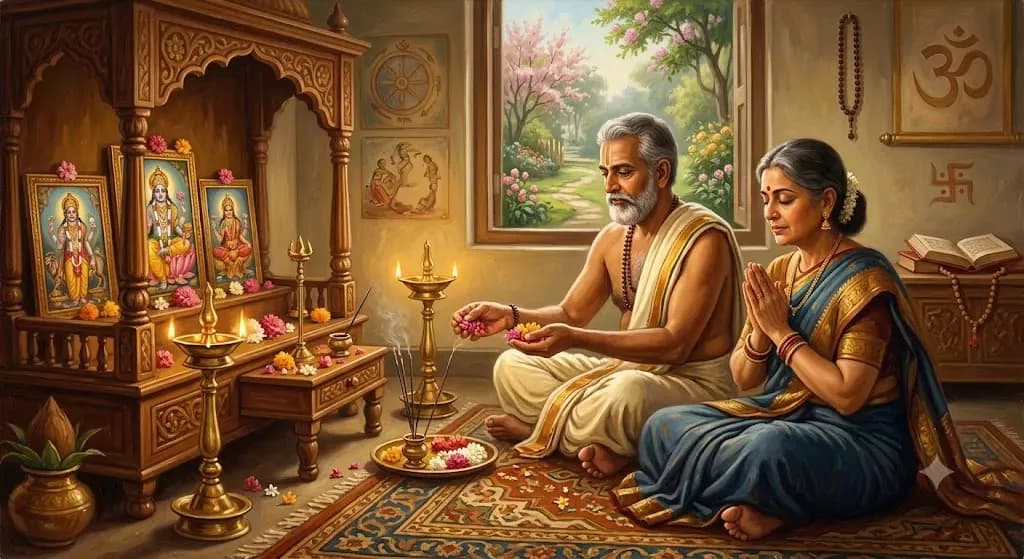
- Performing simple daily prayers or Garbha Samskaras (prenatal rituals)
Safe Use of Herbs in Pregnancy
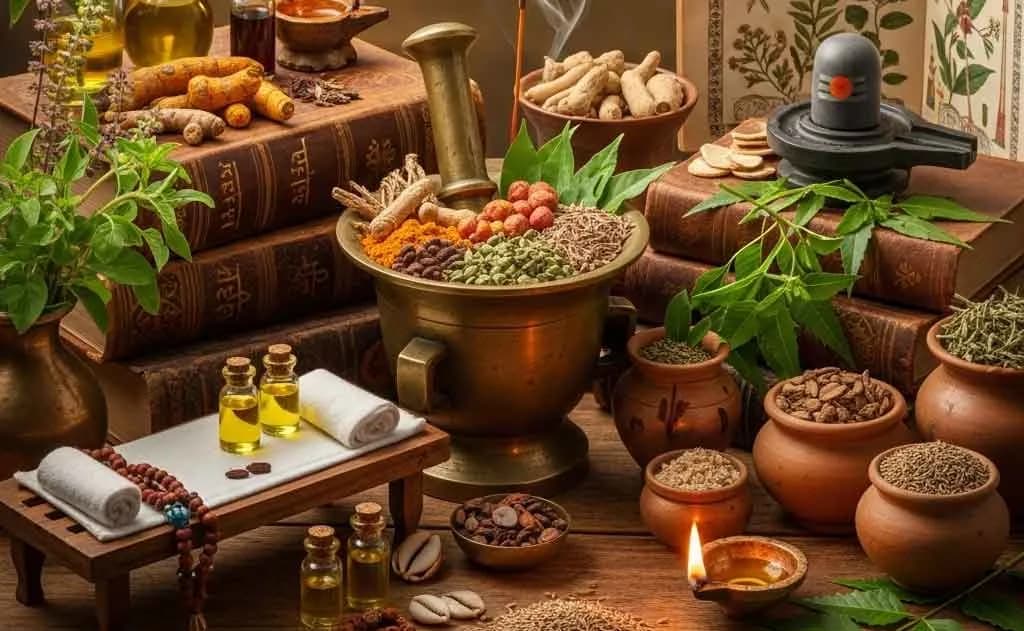
Certain Ayurvedic herbs are traditionally used under supervision for digestion support, immunity, and nourishment (e.g., Shatavari, Bala in specific preparations).
Important: Never self-prescribe herbs during pregnancy. Some herbs can be harmful if used incorrectly. Always take guidance from a qualified Ayurvedic doctor who understands both classical texts and your individual constitution (prakriti).
How Ayurvedic Pregnancy Care Complements Garbha Samskaras
The rituals like Pumsavana, Seemantha, and Shanka Chakra Ankita (in Vaikhanasa tradition) focus on spiritual sanctification and blessings. Garbhini Paricharya provides the physical and lifestyle foundation that supports these rituals. Together, they offer a holistic approach — caring for body, mind, and soul of both mother and child. Add daily chanting of Garbha Raksha Mantras for emotional and spiritual support.
Benefits of Following Ayurvedic Pregnancy Care
- Better digestion and reduced common pregnancy discomforts
- Improved strength and immunity for the mother
- Healthy growth and development of the foetus
- Mental calmness and emotional stability
- Smoother preparation for labour and delivery
Ayurveda treats pregnancy as a sacred and transformative phase. The emphasis is on nourishment, balance, and positivity rather than restriction. When combined with modern medical care and the spiritual practices of Garbha Samskaras, it can support a healthy and joyful pregnancy journey.
Om Shanti — May all mothers and children be blessed with health and happiness.
You might also like

Ghosts in Hinduism: Bhuta, Preta and Pishacha — What the Scriptures Actually Say

Black Magic and Demons in Hinduism: What the Scriptures Actually Say

Hindu Financial Ethics: How Sanatana Dharma Frames Money, Wealth and Debt