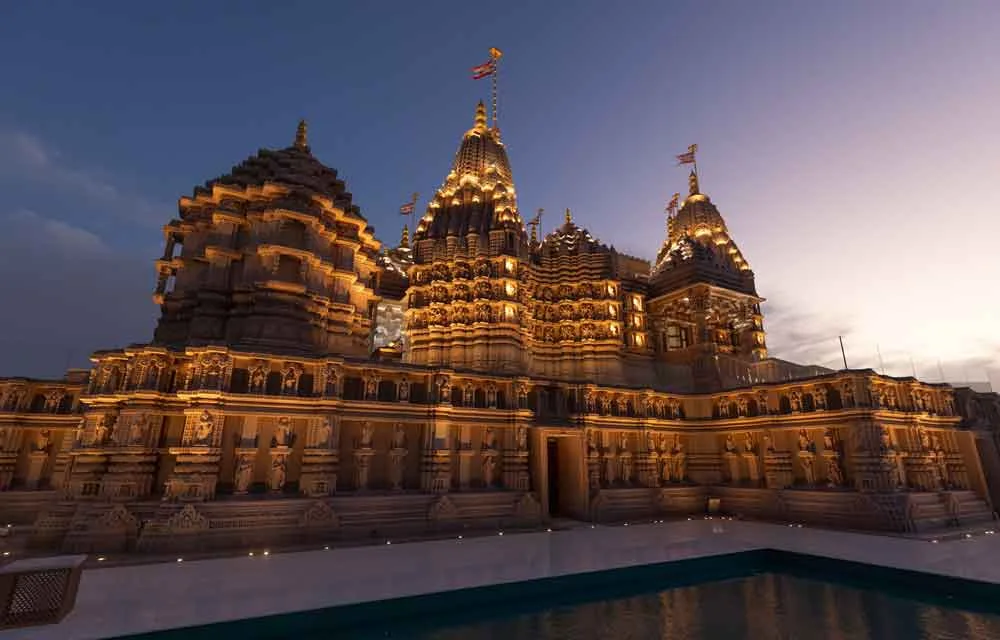
Hindus in Australia 2026 — Complete Country Guide: Sydney, Melbourne, Brisbane, Perth Communities, Temples, Festivals & Indo-Australian State of the Nation
Hindus in Australia 2026 — 700,000+ Indo-Australian Hindus, Sydney/Melbourne/Brisbane/Perth communities, top temples, festivals, 189/190 visa, political voice.
Hindus in Australia 2026 — 700,000+ Indo-Australian Hindus, Sydney/Melbourne/Brisbane/Perth communities, top temples, festivals, 189/190 visa, political voice.
Quick Answer: As of 2026, an estimated 700,000-800,000 Hindus live in Australia, making them the country's third-largest religious community after Christianity and Islam. The community is concentrated in Sydney (Parramatta, Strathfield, Blacktown, Liverpool), Melbourne (Dandenong, Wyndham, Casey), Brisbane (Eight Mile Plains, Sunnybank), Perth (Murdoch, Canning Vale), Adelaide, and Canberra. Major landmarks include Sri Venkateswara Temple Helensburgh NSW (Australia's oldest major Hindu temple), Shree Shiva Vishnu Temple Carrum Downs (Melbourne), and the rapidly growing community pujari networks across Queensland and Western Australia. Australia's 189/190 skilled-migration visas remain the dominant pathway for new Hindu professional migrants.
The Australian Hindu community is young, professionally educated, and rapidly growing. Australia consistently ranks as one of the top three preferred destinations for Indian skilled migration alongside the USA and Canada. The community is genuinely multicultural with strong representation from South India (Tamil, Telugu, Kannada, Malayalam), North India (Hindi, Gujarati, Punjabi), Bengal, and an emerging Indo-Fijian Hindu community with deeper Australian roots.
1. The 2026 Hindu Australian Population
Estimated total: ~700,000-800,000 Hindus (~2.8% of Australian population)
Growth rate: 6-8% annually since 2018
Median household income: ~AUD 100,000-130,000 (tech and medical cohorts higher)
Median age: 33
Education: ~70% hold college degrees or higher
English proficiency: Very high (most arrive on skilled-migration English requirements)
Distribution by state
- New South Wales (Sydney) — ~280,000
- Victoria (Melbourne) — ~240,000
- Queensland (Brisbane) — ~100,000
- Western Australia (Perth) — ~60,000
- South Australia (Adelaide) — ~40,000
- Australian Capital Territory (Canberra) — ~20,000
- Tasmania, Northern Territory — ~10,000
Sydney suburbs with concentrated Hindu population
- Parramatta and Westmead — major hub
- Strathfield — South Indian + Sri Lankan Tamil
- Blacktown — large North Indian community
- Liverpool — Indo-Fijian and recent migrants
- Bondi Junction, Chatswood, Hornsby — professional cohorts
Melbourne suburbs
- Dandenong / Springvale — multi-generational Hindu community
- Wyndham (Werribee, Tarneit) — fastest-growing Hindu suburb in Australia
- Casey (Berwick, Cranbourne) — strong community
- Box Hill, Glen Waverley — professional cohorts
2. Top Hindu Temples in Australia
Tier 1 — Cultural landmarks
- Sri Venkateswara Temple, Helensburgh NSW — Australia's oldest major Hindu temple (1985); the spiritual anchor of the Sydney South Indian community
- Shree Shiva Vishnu Temple, Carrum Downs (Melbourne) — Victoria's major community temple
- Sri Vakratunda Vinayagar Temple, The Basin (Melbourne) — major Ganesha temple
- Sri Mandir, Auburn (Sydney) — major North Indian temple
Tier 2 — Major community temples
- Murugan Temple, Mays Hill (Sydney) — Tamil community
- Sri Karpaga Vinayagar Temple, Helensburgh — adjacent to Sri Venkateswara
- Sri Sai Mandir, Strathfield (Sydney) — Sai Baba devotees
- ISKCON Sydney — Hare Krishna community
- ISKCON Melbourne — Hare Krishna Melbourne
- BAPS Mandirs — multiple Australian centres
Tier 3 — Brisbane / Perth / Adelaide
- Hindu Temple, Eight Mile Plains (Brisbane)
- Sri Selva Vinayakar Koyil, Spring Mountain QLD
- Sri Siva Vishnu Temple, Carlisle (Perth)
- Bharatiya Mandir, Mt Lawley (Perth)
- Sri Ganesha Temple, Oaklands Park (Adelaide)
Total Hindu temples in Australia 2026: Estimated 80+ across the country, with rapid recent growth in Western Australia and Queensland.
3. City-by-City Community Guide
🏛 Sydney — Parramatta / Strathfield / Helensburgh
NSW has the largest Hindu Australian population. The Helensburgh temple complex (1-hour south of Sydney) is the spiritual centre. Parramatta is the cultural and commercial heart — Indian groceries, restaurants, sari shops, and the Parramatta Diwali Festival which draws 30,000+ annually. Strathfield's Indian community is strong with South Indian and Sri Lankan Tamil concentrations.
🏛 Melbourne — Dandenong / Wyndham / Carrum Downs
Victoria's Hindu population is fast-growing. Carrum Downs (the Shree Shiva Vishnu Temple) is the spiritual anchor. Dandenong's Indian community is multi-generational with strong Tamil and Gujarati populations. Wyndham (Werribee/Tarneit) is the fastest-growing Hindu suburb in Australia — predominantly recent professional migrants.
🏛 Brisbane — Eight Mile Plains / Sunnybank
Queensland's Hindu community is growing rapidly with the state's tech and education sector expansion. The Hindu Temple Eight Mile Plains anchors the community.
🏛 Perth — Canning Vale / Carlisle / Murdoch
Western Australia's Hindu community is concentrated in southern Perth suburbs. Sri Siva Vishnu Temple Carlisle is the major centre.
🏛 Adelaide / Canberra / Hobart / Darwin
Smaller but established communities, each with 1-2 active Hindu temples and community organisations.
4. Australian Hindu Festival Calendar 2026 (Southern Hemisphere)
Note: Australia's seasons are reversed. Diwali falls in late spring/early summer (Nov), Navratri in spring (Oct). Outdoor events flourish unlike northern winter celebrations.
Diwali (Nov 8, 2026):
- Parramatta Diwali Festival — NSW flagship; multi-day weekend event
- Sydney Strathfield Diwali Mela
- Sri Venkateswara Helensburgh community Diwali
- Federation Square Melbourne Diwali — Victoria flagship
- Dandenong Diwali
- Brisbane Eight Mile Plains Diwali
- Perth Murdoch Diwali
Navratri (Oct 11–19, 2026):
- Sydney Parramatta Garba
- Strathfield Devi Puja
- Carrum Downs Melbourne 9-night programme
- Brisbane community Garba
Janmashtami (Sep 4, 2026):
- ISKCON Sydney and Melbourne — full festival programmes
- Hindu Temple Helensburgh midnight celebration
Holi (Mar 4, 2026):
- Multiple Holi events across Sydney, Melbourne, Brisbane
- Holi Festival of Colors tours (summer)
Other major: Ganesh Chaturthi, Raksha Bandhan, Karva Chauth, Maha Shivaratri, Pongal (large Tamil celebration), Onam (Kerala), Thaipusam (Tamil)
Distinct Australian festivals: Some communities celebrate Australian-Hindu fusion events — Holi-on-Australia-Day, Yoga-on-Bondi-Beach Diwali variations.
5. Immigration Reality — Australian Visas 2026
Subclass 189 (Skilled Independent visa): Points-based federal route. Highly competitive in 2026; typical successful candidates score 90+ points. Permanent residency on grant.
Subclass 190 (Skilled Nominated visa): Requires state nomination (NSW, Victoria, QLD, WA, SA, TAS, ACT, NT — each runs its own occupation list). Generally easier to qualify for than 189 due to lower point requirements.
Subclass 491 (Skilled Work Regional): Requires regional residence; 5-year provisional visa before PR.
Subclass 482 (TSS — Temporary Skill Shortage): Employer-sponsored 2-4 year visa. Pathway to PR via 186 (Employer Nomination Scheme).
Subclass 500 (Student Visa) → PR pathway: Many Indian students complete master's at Australian universities then transition to PR via Graduate Visa (485) + skilled-migration application. The dominant entry pathway for younger Hindu migrants 2020-2026.
2026 reality:
- Points threshold ~85-95 for 189 invitations
- Health and Allied Health categories: higher demand, easier qualification
- IT and Engineering: most competitive
- Student-to-PR pathway: 4-6 years typical end-to-end
- Average wait: 12-24 months for PR after application
Australian citizenship: Available 4 years after PR (with 1 year as PR before application). Australia allows dual citizenship.
6. Political Representation and Community Organisations
Federal Parliament: Several MPs of Hindu/Indian background across major parties.
State Parliaments: Growing representation in NSW, VIC, QLD.
Local councils: Multiple Indo-Australian mayors and councillors.
Major community organisations:
- Hindu Council of Australia (HCA) — main advocacy and coordination body
- Federation of Indian Associations of Victoria (FIAV)
- Indian Council of Australia
- Sydney Hindu Society
- United Indian Associations (NSW)
- Tamil Society of Australia
- Telugu Association of Australia
- Hindu Heritage Society Australia
- VHP Australia (Vishwa Hindu Parishad)
7. Education and Weekend Programmes
Bal Vihar / weekend Hindu education:
- Helensburgh Temple Sunday Bal Vihar
- Carrum Downs weekend programmes
- BAPS Yuvak / Yuvati programmes in major cities
- ISKCON Sunday schools
Language and culture:
- Tamil, Telugu, Hindi, Gujarati community language schools
- Several universities now offer Sanskrit courses (Sydney, Monash)
Hindu day schools:
- Limited but emerging; some private schools with strong Hindu student bodies offer Hindu-cultural programming
- Discussions for full Hindu schools at advanced stages in NSW and VIC
University Hindu student representation:
- Hindu Students Society chapters at major Australian universities
- Sydney University, UNSW, Monash, University of Melbourne — substantial Indian-Hindu student bodies
8. The Future — Hindus in Australia 2026-2030
Projected growth: Hindu Australian population to reach ~900,000-1 million by 2030.
Key trends:
- Major temple construction: Multiple stone temple projects in planning (NSW, VIC, QLD)
- Suburban migration: Continued outward growth from Sydney/Melbourne CBDs to western suburbs (Wyndham, Blacktown, Liverpool)
- G2 emergence: Australian-born Hindu Australians now in high school and early university; will shape institutional leadership by 2030
- Mixed marriages: Increasing interfaith and cross-ethnic marriages
- Return migration: Limited; Australia's quality-of-life advantages reduce reverse migration compared to UK/Canada
- Hindu media: Growing Indian Australian digital media, podcasts, YouTube content
- Political consolidation: Hindu Australian voter blocs gaining recognition in marginal NSW/VIC seats
- Yoga and wellness mainstreaming: Australian wellness culture deeply influenced by Hindu/Yogic traditions; cultural overlap continues
Final Words
Hindus in Australia 2026 represent one of the world's youngest and most rapidly growing Hindu diasporas. From the establishment of Sri Venkateswara Temple Helensburgh in 1985, through the 189/190 skilled-migration boom of 2010-2026, through the post-COVID consolidation, the Indo-Australian Hindu community has built 80+ temples and rooted Sanatana Dharma in Australian multicultural soil.
The next decade — as Australian-born Hindu children grow up and as new stone temples join Helensburgh as permanent landmarks — will see the community transition from a first-generation immigrant community to a multi-generational established Australian religious tradition.
Sarve Bhavantu Sukhinah. Sarve Santu Niramayah.
Jai Hind! Jai Australia! Sanatan Dharma in the Land Down Under!
HinduTone Editorial Team · Tags: Hindus in Australia 2026, Indo-Australians, Sri Venkateswara Helensburgh, Shree Shiva Vishnu Carrum Downs, Parramatta Diwali, 189 Skilled Migration, Hindu Council Australia
Frequently Asked Questions
Where is Hindus in Australia located?
As of 2026, an estimated 700,000-800,000 Hindus live in Australia , making them the country's third-largest religious community after Christianity and Islam. The community is concentrated in Sydney (Parramatta, Strathfield, Blacktown, Liverpool), Melbourne (Dandenong, Wyndham, Casey), Brisbane (Eight Mile Plains, Sunnybank), Perth (Murdoch, Canning Vale), Ad
Who is the presiding deity of Hindus in Australia?
The temple's presiding deity and its significance are described in the guide above.
What are the timings and how do I reach Hindus in Australia?
Temples typically open early morning and evening; confirm current darshan timings before visiting. The nearest airport, railway station and road routes are covered in the guide above.
What is the best time to visit Hindus in Australia?
Major festival days and the cooler months are popular, though weekday mornings offer a calmer darshan. Plan around the temple's key festivals for the most vibrant experience.
You might also like
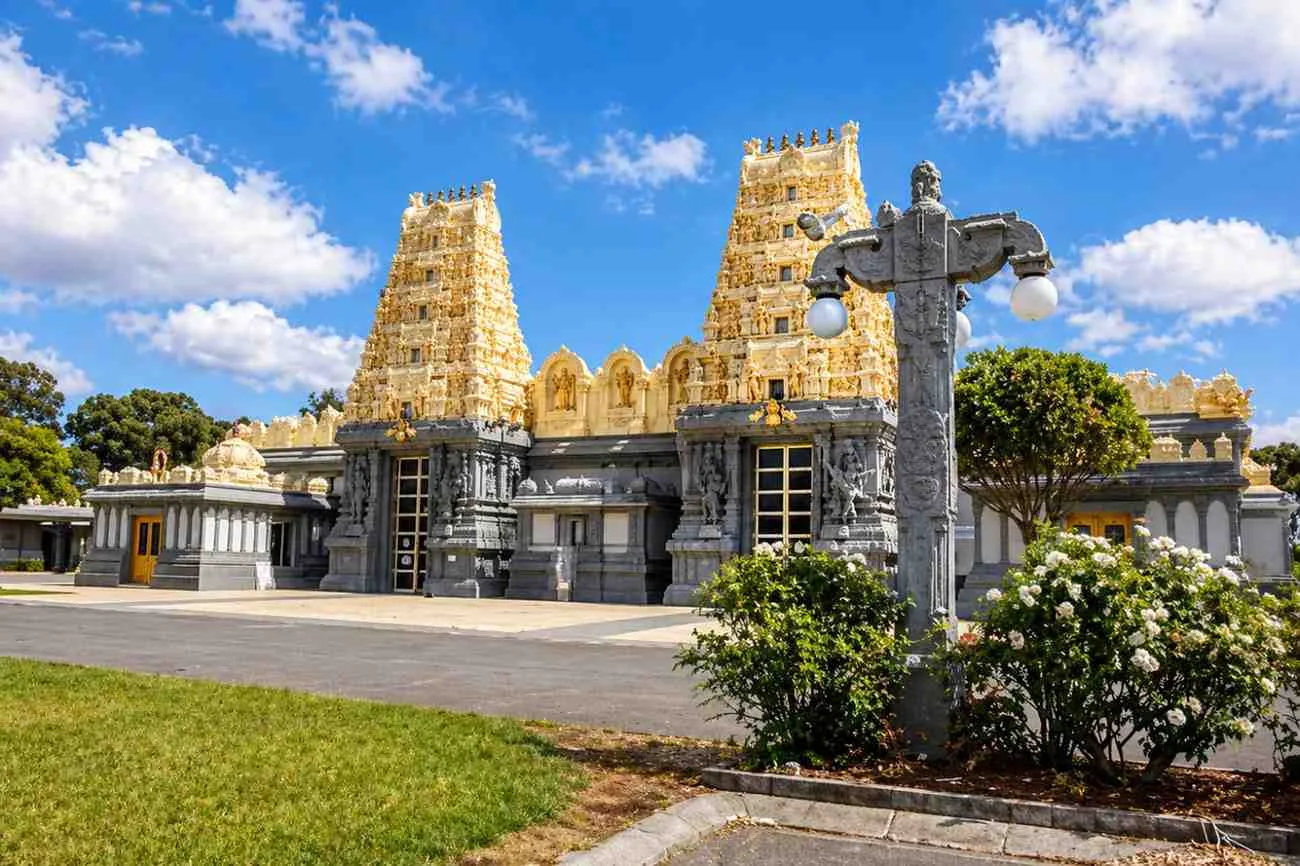
Hindu Temples & Festivals in Australia — Complete NRI Guide to Sanatana Dharma Down Under (2026)
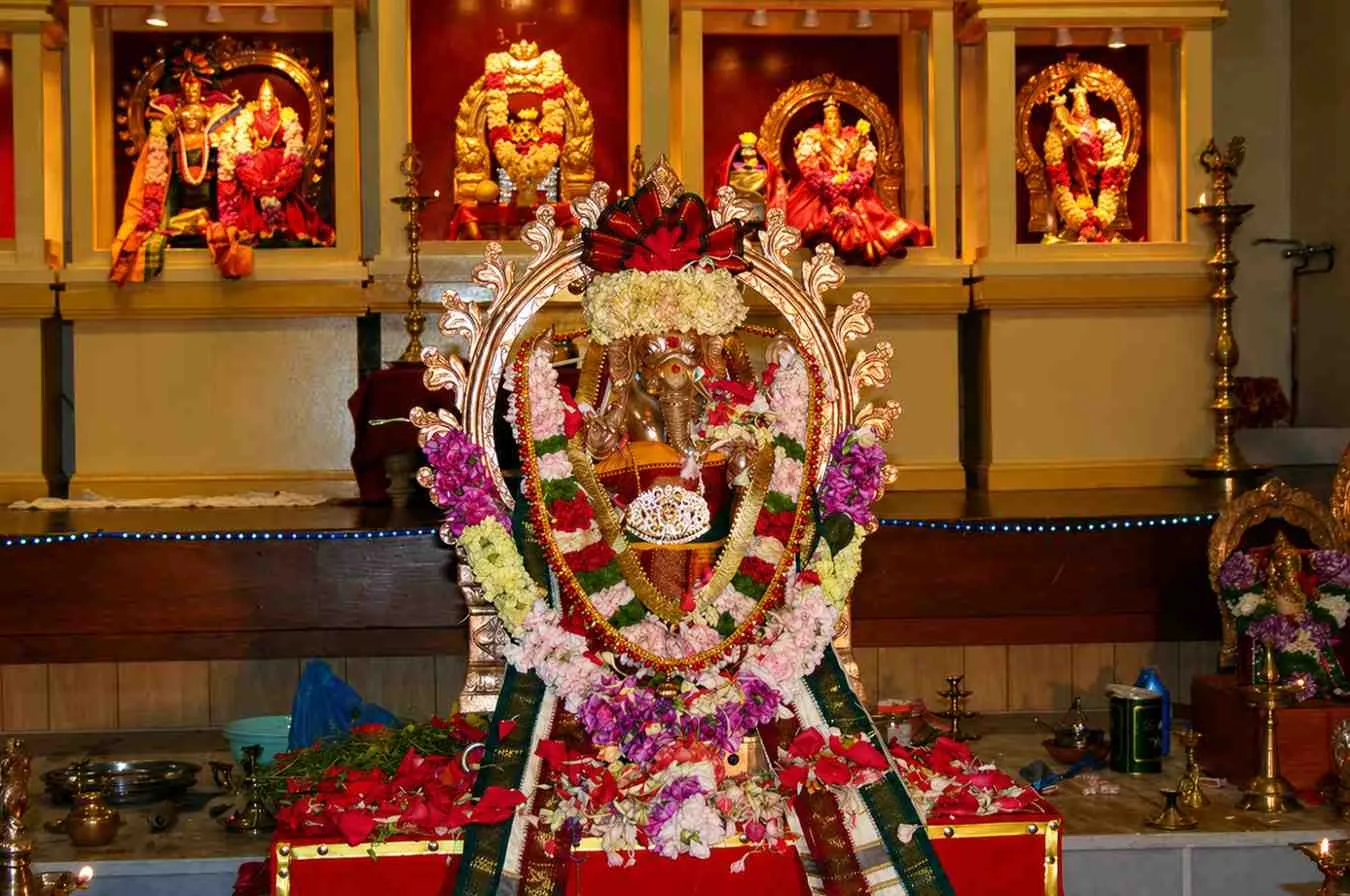
Diwali 2026 Dates Australia: Complete 5-Day Celebration Guide with Stories, Rituals, Lakshmi Puja Timings, Recipes & Major Events in Sydney, Melbourne, Brisbane, Perth & Adelaide
Top Hindu Temples for NRIs in USA, Canada, UK, Australia & UAE: Complete 2026 Visitor Guide