


10 Days After Death: How Each Pinda Forms Organs for the Preta Sharira

10 Days After Death: How Each Pinda Forms Organs for the Preta Sharira – Direct Insights from Garuda Purana Pretakhanda
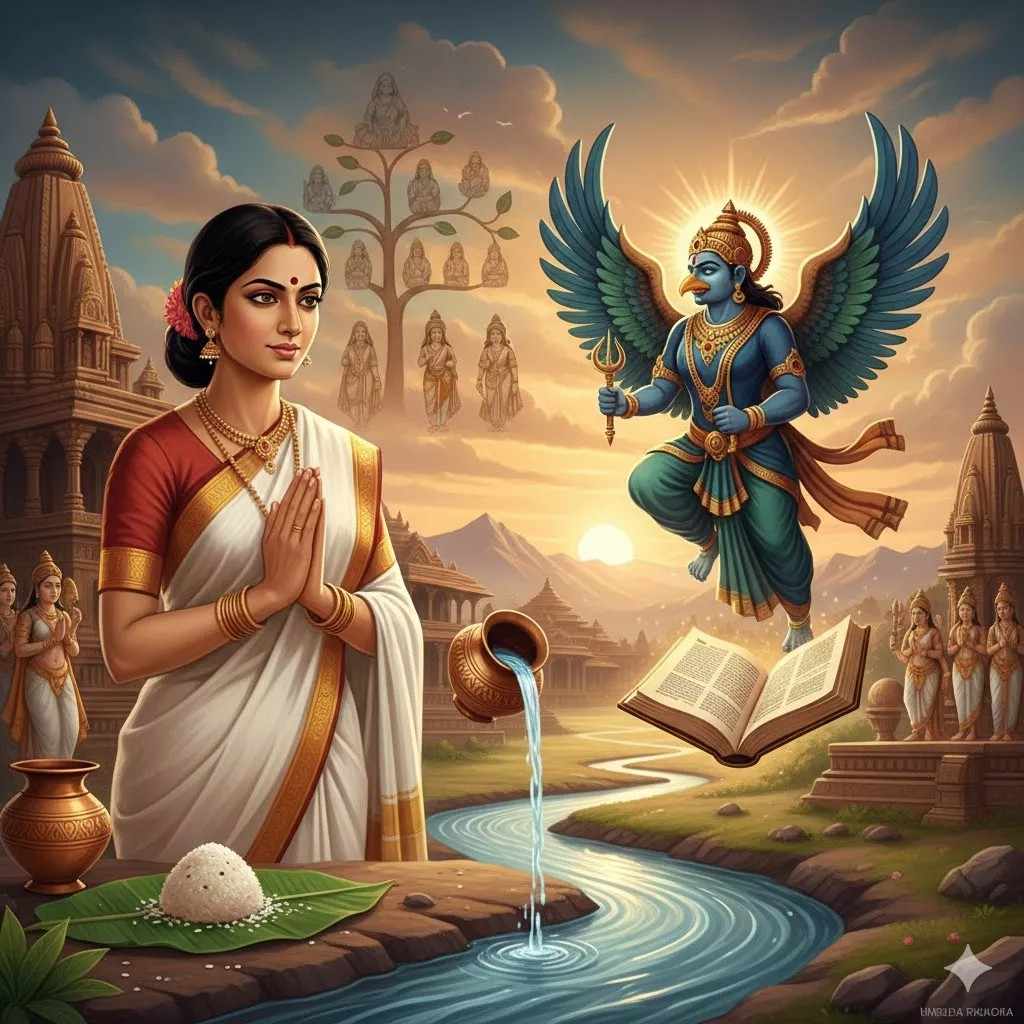
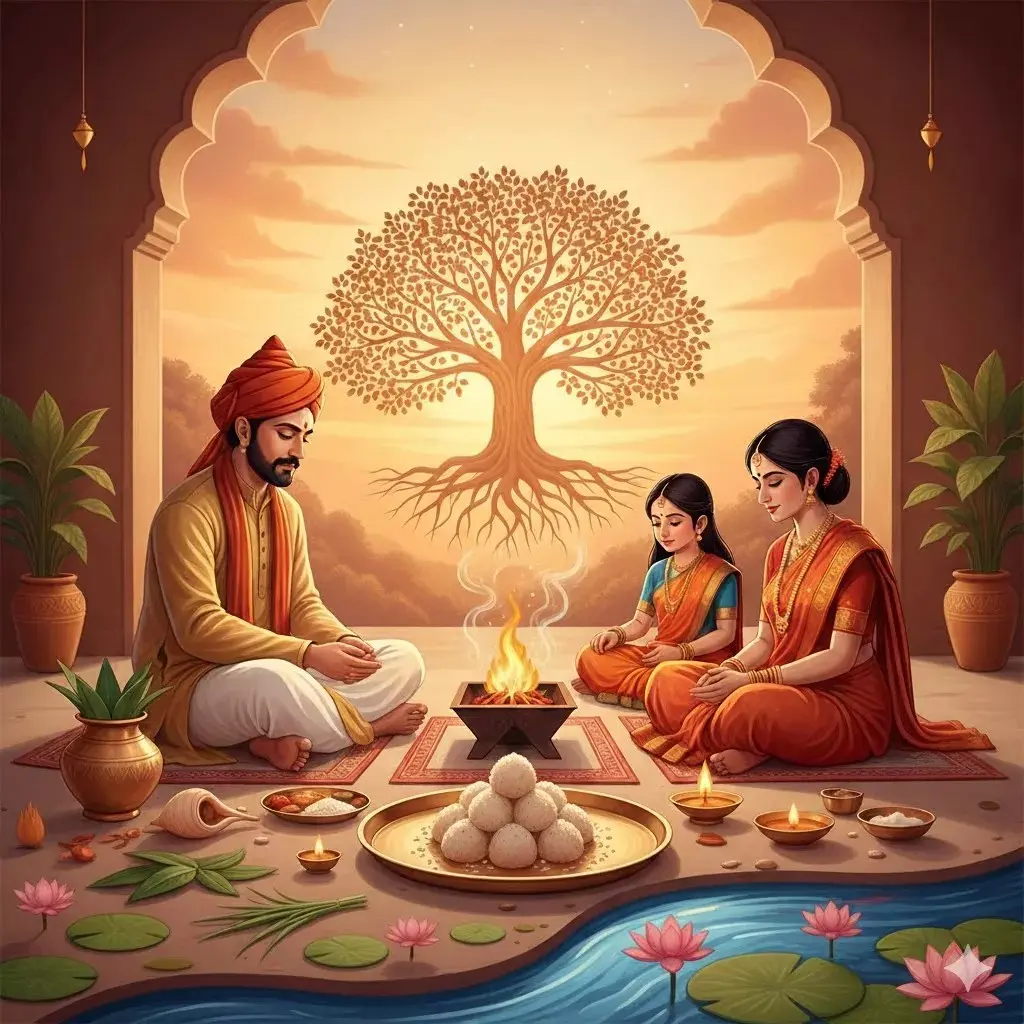
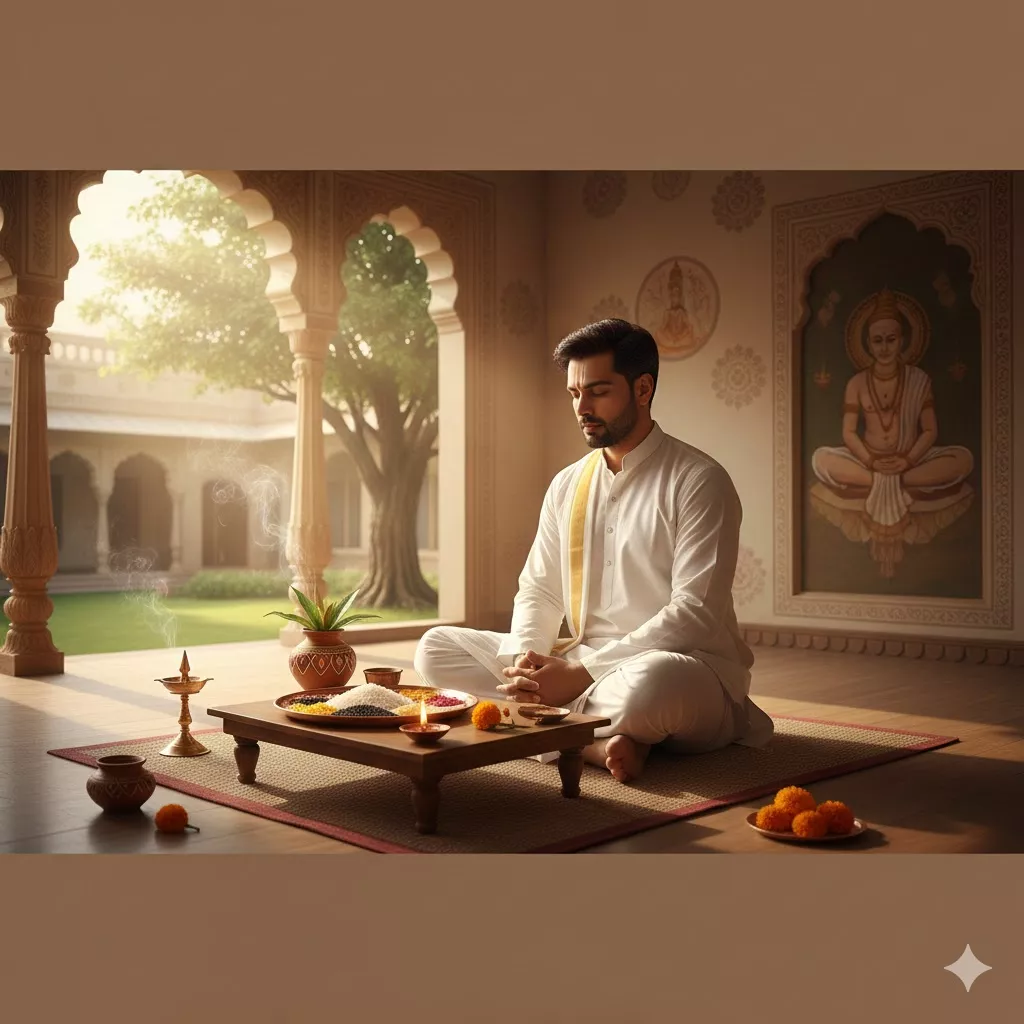
In Hindu tradition, the period immediately following death is profound and sacred. The Garuda Purana (Pretakhanda section) explains that after cremation, the departed soul exists as a preta (subtle disembodied spirit) in a transitional state, suffering from hunger, thirst, and instability without a proper form. To alleviate this and enable the soul’s journey to Pitru Loka (ancestral realm), sons and family perform daily Pinda Daan (offering of rice balls) for the first 10 days. These pindas, made of cooked rice, sesame seeds, ghee, honey, and water, symbolically nourish and construct a preta sharira (subtle body or pinda sharira) for the departed.
The Garuda Purana describes this as a compassionate process: each day’s pinda contributes to forming specific parts of the subtle body, transforming the tormented preta into a nourished entity ready for further rites like Sapindikarana (on the 12th/13th day). Neglecting these offerings can cause the preta to wander as a suffering ghost, leading to unrest for both the soul and descendants (Pitru Dosha).
Day-by-Day Formation of Preta Sharira Through Pinda Daan (As Per Garuda Purana Interpretations)
Traditional sources drawing from Garuda Purana Pretakhanda detail how the pindas progressively build the subtle body:
- Day 1: The head forms. The first pinda provides the foundational structure, stabilizing the preta’s upper part and beginning relief from disembodiment.
- Day 2: Neck, shoulders, face, eyes, ears, and nose develop. This strengthens sensory capabilities in the subtle form.
- Day 3: Upper torso or chest/heart region solidifies. By this point, the subtle body gains more coherence.
- Day 4: Lower torso or waist/abdomen forms, continuing the structural build-up.
- Day 5: Legs take shape, enabling mobility in the subtle realm.
- Day 6: Internal organs (vital parts) manifest, supporting basic functions.
- Day 7: Energy channels (nadis) develop, allowing prana (life force) to flow.
- Day 8: Alimentary canal or digestive system forms, addressing the preta’s intense hunger.
- Day 9: Reproductive organs or completing structural elements solidify.
- Day 10: The entire subtle body integrates, with all vital energies functioning together. The preta now has a complete pinda sharira (arm-length subtle body), nourished and prepared for the journey to Yama’s abode or ancestral merger.
By the 10th day, the offerings culminate in Dasa Gatra Pinda Daan, purifying the family from ashaucha (impurity) and marking the end of intense mourning.
Why Daily Pinda Daan is Essential – Emotional & Spiritual Significance
The Garuda Purana stresses that without these pindas, the preta endures extreme torment—hunger like fire, thirst like oceans—wandering in agony. Each offering is an act of love from the son (or performer), repaying Pitru Rina and granting the departed peace. Proper performance brings blessings: longevity, prosperity, progeny, and protection from doshas for the family. It transforms grief into dharma, ensuring the soul’s smooth transition toward moksha.
How to Perform Daily Pinda Daan (Simplified Guidance)
- Perform in the southern part of the home or designated spot after cremation.
- Prepare pinda (rice ball) with sesame, ghee, etc.; offer with water/milk.
- Invoke the departed by name/gotra; recite mantras like those from Garuda Purana.
- Feed crows (symbolizing Yama’s messengers) or cows/Brahmins with remnants.
- Maintain purity, vegetarian diet, and continence during the 10 days.
Consult a learned pandit for exact mantras and regional variations.
This sacred duty fulfills the son’s role in Hindu dharma, turning sorrow into spiritual merit.
For accurate ritual dates, personalized guidance, or Pandit services in Hyderabad, explore hindutone.com or connect with local experts.
This post is based on traditional interpretations and key teachings from the Garuda Purana Pretakhanda for spiritual awareness and family well-being.
Related posts:
 RSS , VHP Impact on Hinduism
 The Connection Between Hinduism and Ancient Science: Vedic Mathematicsand Astronomy
 Chaganti Koteswara Rao is a revered spiritual orator from Andhra Pradesh
 Chhatrapati Shivaji Maharaj
 Should Hindus Reconsider Visiting Dargahs?
 Truth Revealed: Asharamji Bapu Trapped in a Bogus Case, Says SupremeCourt Advocate | Justice for Bapuji!


 ︎
︎

