

Why Hindu Dharma Is Rising Among Youth in 2026
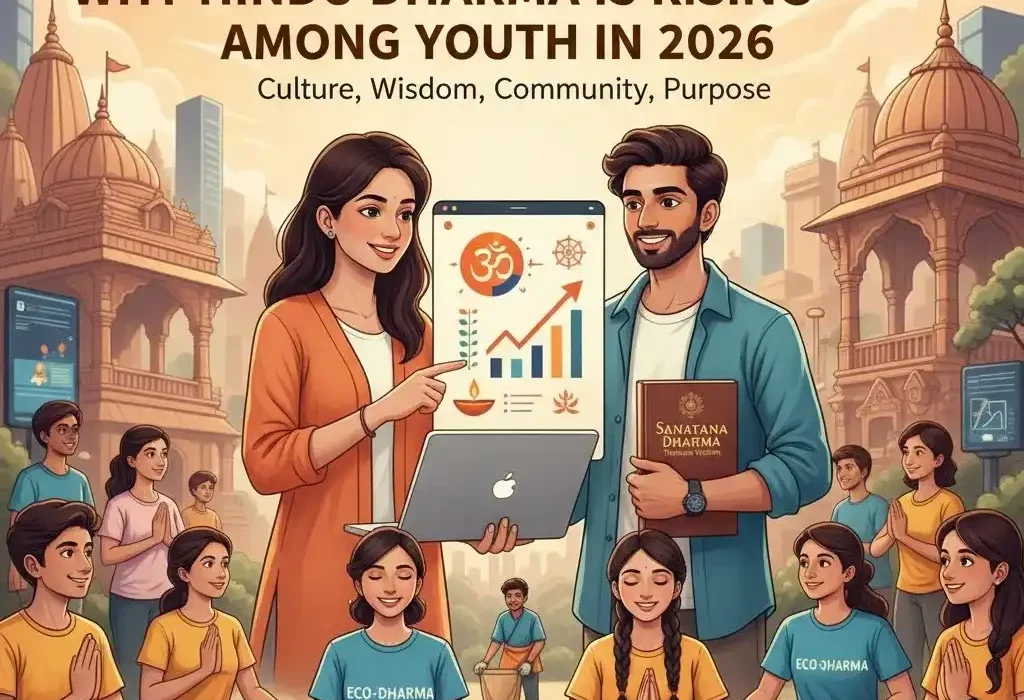
In 2026, Hindu Dharma (often referred to as Hinduism or Sanatana Dharma) is experiencing a profound resurgence among India’s youth, particularly Gen Z (born roughly 1997–2012). This revival is not a return to rigid rituals but a vibrant, personalized embrace of ancient wisdom that addresses modern challenges like mental health struggles, uncertainty in careers, digital overload, and a search for authentic meaning. Young Indians are rediscovering their spiritual roots in ways that feel fresh, inclusive, and empowering—blending timeless teachings with contemporary expressions.
This cultural and spiritual awakening evokes deep pride in India’s civilizational heritage. As one surveys recent trends, it’s clear that youth are turning inward for clarity and strength amid a fast-paced world, finding solace in practices that promote inner peace, resilience, and connection.
The Philosophical Depth of Hindu Dharma
Hindu Dharma offers a profound philosophy that resonates deeply with today’s youth seeking purpose beyond material success. At its core is the concept of Dharma—righteous living aligned with cosmic order—and the pursuit of the four purusharthas: Dharma (duty), Artha (prosperity), Kama (desires), and Moksha (liberation).
As described in ancient scriptures, the Upanishads emphasize self-realization through knowledge (Jnana), teaching that the individual soul (Atman) is one with the universal consciousness (Brahman). This non-dualistic vision (Advaita) provides a framework for understanding life’s interconnectedness, helping youth navigate identity crises in an era of social media comparisons and global influences.
The philosophy encourages self-inquiry (“Who am I?”) and detachment from transient pleasures, offering tools for emotional stability. Youth today appreciate this as a practical guide to mental well-being, where spirituality becomes a tool for personal growth rather than mere tradition.
Insights from Sacred Scriptures
Hindu scriptures provide timeless guidance that speaks directly to contemporary youth concerns. The Bhagavad Gita, a cornerstone of Hindu thought, is particularly popular among Gen Z for its teachings on duty, resilience, and inner equilibrium.
In Chapter 2, Lord Krishna advises Arjuna: “You have a right to perform your prescribed duty, but you are not entitled to the fruits of action” (as described in ancient scriptures). This Karma Yoga approach helps young people detach from outcome anxiety—common in competitive exams, jobs, and relationships—fostering focus and equanimity.
The Gita also addresses fear and confusion, offering paths like Bhakti Yoga (devotion) for emotional connection and Jnana Yoga for intellectual clarity. Youth are drawn to its message of performing actions selflessly while maintaining inner peace, viewing it as a manual for modern life stresses.
The Vedas and Upanishads further inspire through mantras and meditations that promote harmony with nature and the self, aligning with youth interests in sustainability and mindfulness.
Modern Relevance and Expressions Among Youth
In 2026, this revival manifests in innovative, youth-driven ways. Surveys indicate strong engagement: A YouGov-Mint survey found that 53% of Indian Gen Z consider religion important, with 62% praying regularly. An MTV Youth Study noted 62% believe spirituality brings clarity, and studies show over two-thirds of Gen Z feel more confident after praying.
Key trends include:
- Bhajan Clubbing — Traditional devotional songs (bhajans and kirtans) remixed with electronic beats, laser lights, and concert energy. Young crowds gather in urban venues for high-energy chanting and dancing, blending devotion with community and joy—transforming spirituality into a celebratory, collective experience.
- Digital Spirituality — Influencers distill teachings into short reels on platforms like Instagram and TikTok. Apps for meditation, yoga, and Gita study make ancient wisdom accessible. Youth explore astrology, healing crystals, and mindfulness alongside traditional practices.
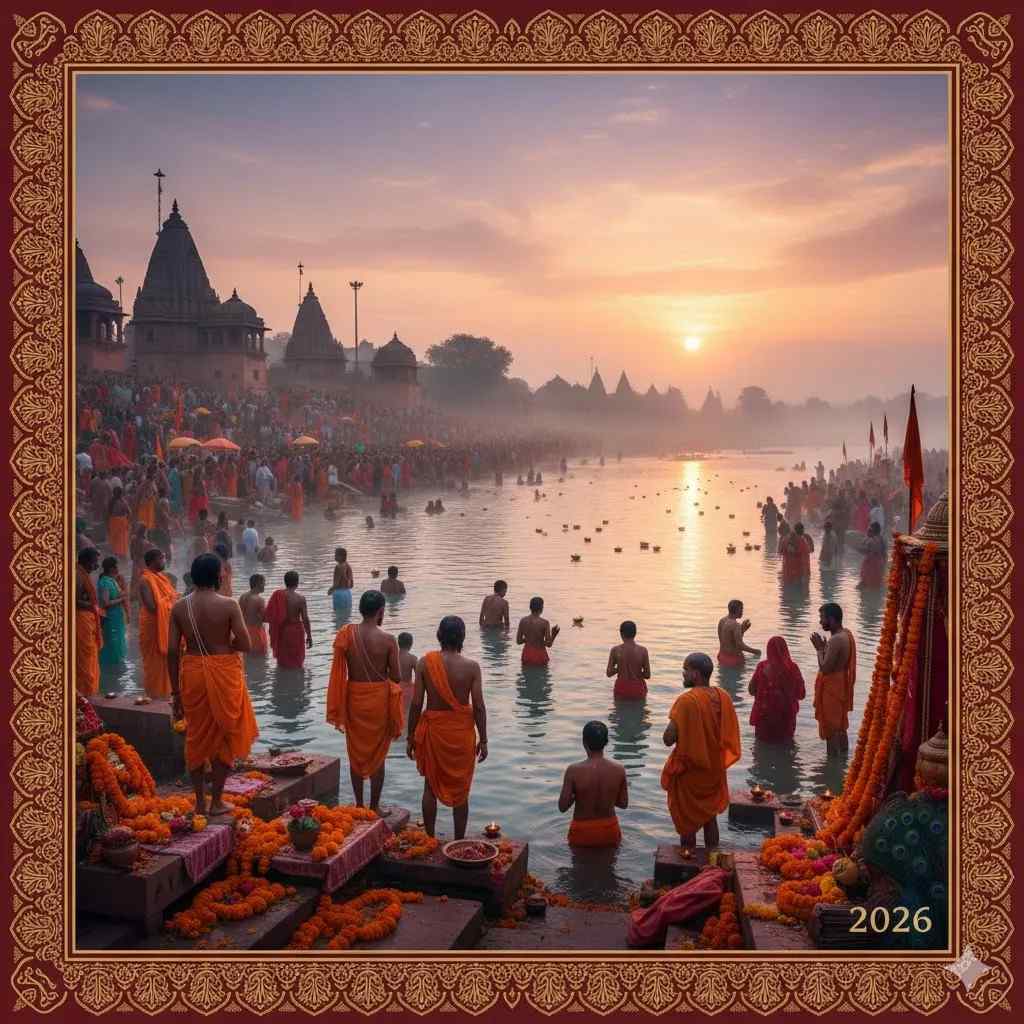
- Pilgrimages and Festivals — Increased participation in events like Kumbh Mela, Ayodhya visits, and temple tours reflects cultural pride and a desire for grounding experiences. Festivals serve as gateways to spiritual awareness, fostering family bonds and inner reflection.
- Mental Health and Resilience — Post-pandemic disillusionment with materialism drives youth toward faith for solace. Practices like yoga, chanting, and satsangs provide tools for managing anxiety, building confidence, and finding purpose.
This resurgence stems from a pushback against uncritical Western imitation, amplified by cultural narratives in media and a reclaiming of civilizational pride. Hinduism’s flexibility—personalized, tolerant, and experiential—allows youth to adapt it without dogma.
For deeper exploration of related practices, see our articles on the Science of chanting in Hinduism and Festivals as gateways to spiritual awareness.
FAQs
Why are Gen Z Indians turning to Hindu Dharma in 2026? Many seek meaning amid uncertainty, finding Hinduism’s teachings on inner peace, duty, and self-realization relevant to modern stresses like career pressure and mental health.
Is this a return to traditional religion or something new? It’s often a reimagined, personalized spirituality—blending ancient wisdom with modern expressions like bhajan clubbing and digital content—rather than strict ritualism.
How do scriptures like the Bhagavad Gita help today’s youth? The Gita teaches equanimity in action, detachment from results, and paths to self-mastery, offering practical tools for resilience and clarity in daily life.
What role do festivals play in youth spirituality? Festivals provide communal joy, cultural connection, and moments of reflection, acting as accessible entry points to deeper awareness.
Is Hindu Dharma growing among youth globally or just in India? Primarily in India, where demographic and cultural factors drive it, though diaspora youth also show renewed interest through digital means.
This revival signifies a beautiful homecoming to roots that nourish the soul. In embracing Hindu Dharma, India’s youth are not just preserving heritage—they are revitalizing it for a brighter, more conscious
Related posts:
 The Role of Yoga and Meditation in Hindu Daily Practices
 Sri Jayendra Saraswati
 Connecting with Nature: The Spiritual Significance of Sacred Rivers and Mountains
 What we need to Learn from Ramayan:
 The India vs Pak Partition’s Impact on Hindu Religious Heritage and Hindu Temples
 ISKCON’s Contribution to Vegetarianism and Ahimsa




 ︎
︎

