Top 5 Temples to Visit Near the Maha Kumbh Mela Locations
The Maha Kumbh Mela is one of the most sacred events for Hindus, attracting millions of devotees seeking spiritual purification.
The Maha Kumbh Mela is one of the most sacred events for Hindus, attracting millions of devotees seeking spiritual purification.
The Maha Kumbh Mela is one of the most sacred events for Hindus, attracting millions of devotees seeking spiritual purification. Held at four different locations—Prayagraj, Haridwar, Nashik, and Ujjain—the Kumbh Mela offers not only the chance to bathe in sacred rivers but also to visit nearby temples of great religious significance. These temple visits provide an opportunity to deepen the spiritual experience.
In this article, we’ll explore the top 5 temples near the Maha Kumbh Mela locations that should be part of your pilgrimage journey.
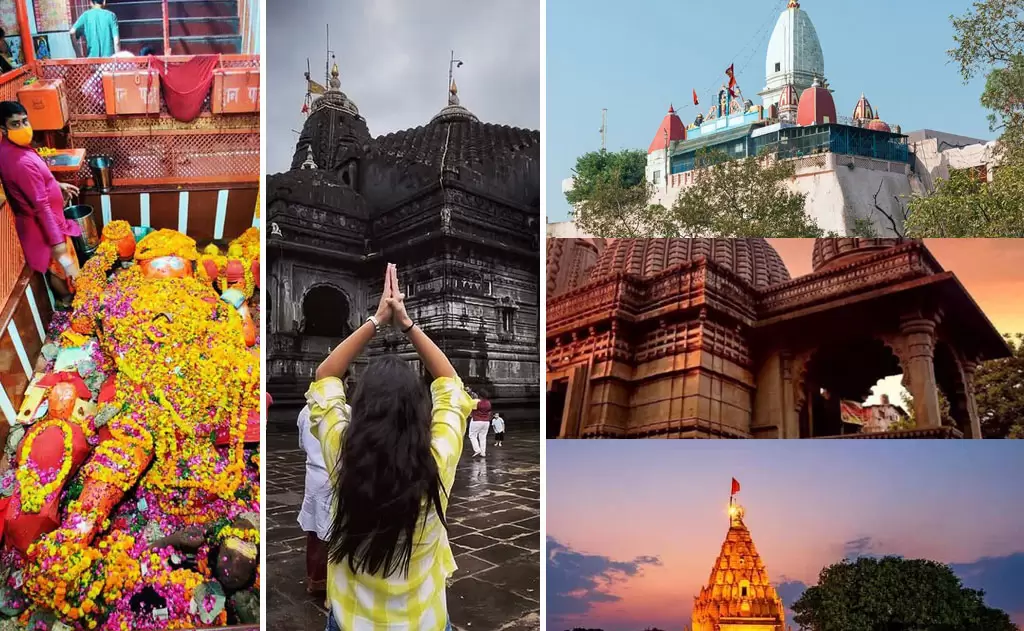
1. Triveni Sangam and Bade Hanumanji Temple (Prayagraj)
- Location: Allahabad (Prayagraj), Uttar Pradesh
- Significance:
- Triveni Sangam is the sacred confluence of Ganga, Yamuna, and the mythical Saraswati rivers.
- Central site for the Kumbh Mela, where pilgrims take a holy dip to cleanse sins.
- Bade Hanumanji Temple nearby is famous for its massive reclining idol of Lord Hanuman.
- How to Incorporate into Your Pilgrimage:
- After performing the sacred bath at Triveni Sangam, visit Bade Hanumanji Temple for prayers and blessings.
2. Mansa Devi Temple (Haridwar)
- Location: Haridwar, Uttarakhand
- Significance:
- Mansa Devi Temple, located on Bilwa Parvat (hill), is dedicated to Goddess Mansa, believed to fulfill wishes.
- Offers stunning views of Haridwar and the Ganges River.
- How to Incorporate into Your Pilgrimage:
- After taking a holy dip at Har Ki Pauri, take a cable car to Mansa Devi Temple.
- Offer prayers and tie threads to the sacred tree for wish fulfillment.
3. Kalaram Temple (Nashik)
- Location: Nashik, Maharashtra
- Significance:
- One of Nashik’s most revered temples, dedicated to Lord Rama.
- Named after the black idol of Lord Rama inside the temple.
- Built in the 18th century, showcasing impressive architecture.
- How to Incorporate into Your Pilgrimage:
- After bathing at Ramkund on the Godavari River, visit Kalaram Temple for prayers and meditation.
4. Mahakaleshwar Temple (Ujjain)
- Location: Ujjain, Madhya Pradesh
- Significance:
- Mahakaleshwar Temple is one of the twelve Jyotirlingas of Lord Shiva.
- Famous for its Bhasma Aarti, a ritual where sacred ashes are offered to Lord Shiva at dawn.
- How to Incorporate into Your Pilgrimage:
- After participating in the Kumbh rituals at the Shipra River, attend the Bhasma Aarti for a divine experience.
5. Trayambakeshwar Temple (Nashik)
- Location: Nashik, Maharashtra
- Significance:
- Another Jyotirlinga, dedicated to Lord Shiva.
- Believed to be the source of the Godavari River.
- A sacred site for ancestral rituals (shradh).
- How to Incorporate into Your Pilgrimage:
- After bathing at Ramkund, visit Trayambakeshwar Temple to seek Lord Shiva’s blessings.
Conclusion: Enhancing Your Kumbh Mela Experience
The Maha Kumbh Mela is a transformative spiritual journey, and visiting these historic temples enhances its significance. These temples offer deeper devotion, cultural richness, and additional blessings, making your pilgrimage truly fulfilling.
By incorporating these must-visit temples into your Kumbh Mela itinerary, you connect with Hindu heritage and create cherished spiritual memories.
FAQs
What are the most important temples to visit during the Kumbh Mela?
- Bade Hanumanji Temple (Prayagraj)
- Mansa Devi Temple (Haridwar)
- Kalaram Temple (Nashik)
- Mahakaleshwar Temple (Ujjain)
- Trayambakeshwar Temple (Nashik)
Why should I visit temples during the Kumbh Mela?
Visiting temples enhances the spiritual experience, offering additional blessings and a deeper connection with Hindu traditions.
What is the significance of the Mahakaleshwar Temple in Ujjain?
Mahakaleshwar Temple is one of the twelve Jyotirlingas, where Lord Shiva is worshipped. It is famous for the Bhasma Aarti, performed early in the morning.
Which temple in Nashik is closely associated with the Kumbh Mela?
The Trayambakeshwar Temple is a Jyotirlinga dedicated to Lord Shiva, and it is believed to be the source of the Godavari River.
What is the importance of the Mansa Devi Temple in Haridwar?
Mansa Devi Temple is dedicated to Goddess Mansa, who fulfills the wishes of her devotees. It is one of the most visited temples during the Kumbh Mela.
Frequently Asked Questions
Where is Top 5 Temples to Visit Near the Maha Kumbh Mela located?
The Maha Kumbh Mela is one of the most sacred events for Hindus, attracting millions of devotees seeking spiritual purification. Held at four different locations— Prayagraj, Haridwar, Nashik, and Ujjain —the Kumbh Mela offers not only the chance to bathe in sacred rivers but also to visit nearby temples of great religious significance.
Who is the presiding deity of Top 5 Temples to Visit Near the Maha Kumbh Mela?
The temple's presiding deity and its significance are described in the guide above.
What are the timings and how do I reach Top 5 Temples to Visit Near the Maha Kumbh Mela?
Temples typically open early morning and evening; confirm current darshan timings before visiting. The nearest airport, railway station and road routes are covered in the guide above.
What is the best time to visit Top 5 Temples to Visit Near the Maha Kumbh Mela?
Major festival days and the cooler months are popular, though weekday mornings offer a calmer darshan. Plan around the temple's key festivals for the most vibrant experience.
You might also like
The Maha Kumbh Mela: A Sacred Journey for Every Hindu

Maha Kumbh Mela: Differences We Can Expect in the Next 144 Years

Maha Shivaratri and Maha Kumbh Mela: A Sacred Union of Devotion, Rituals, and Astrology