Dargahs in Hindu Temples: Exploring India's Syncretic Sacred Spaces and Their Stories
Posted on October 16, 2025 | By Hindutone Team India's spiritual landscape is a vibrant mosaic of diverse faiths, where boundaries often blur in the pursuit of…
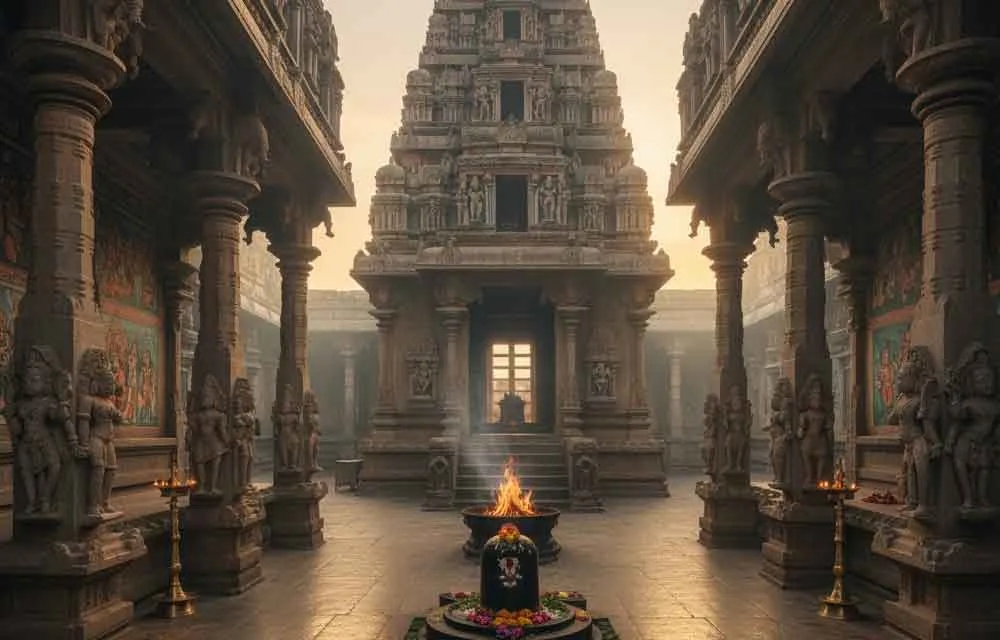
Posted on October 16, 2025 | By Hindutone Team India's spiritual landscape is a vibrant mosaic of diverse faiths, where boundaries often blur in the pursuit of…
Posted on October 16, 2025 | By Hindutone Team
India's spiritual landscape is a vibrant mosaic of diverse faiths, where boundaries often blur in the pursuit of divine grace. One of the most intriguing aspects of this tapestry is the presence of dargahs—Muslim Sufi shrines—within or sharing premises with Hindu temples. These sites embody syncretism, where Hindus and Muslims have coexisted in worship for centuries, blending rituals and legends. While some represent peaceful harmony, others have faced controversies amid modern reclamation movements. In this comprehensive blog post, we explore notable examples of such shared spaces, delving into their histories, legends, practices, and cultural significance. These stories highlight India's enduring tradition of unity in diversity, even as debates evolve.
Understanding Syncretism: Dargahs and Hindu Temples
Syncretism refers to the fusion of religious traditions, often seen in Sufi-Bhakti interactions during medieval India. Sufi saints, revered for their mystical teachings, attracted Hindu devotees who saw them as avatars or gurus. In some cases, dargahs were built within Hindu temple complexes, symbolizing shared devotion. These sites attract pilgrims from all faiths, with joint festivals and rituals. However, recent years have seen tensions, with calls to "reclaim" spaces viewed as encroachments. Below, we detail key examples where dargahs exist or have existed within Hindu temple premises, based on historical accounts and contemporary observations.
1. Sri Raja Rajeshwara Temple, Vemulawada, Telangana
The Sri Raja Rajeshwara Temple, dedicated to Lord Shiva and known as "Dakshina Kasi," is one of the most prominent examples of a dargah within a Hindu temple. Built between 750-973 CE by the Vemulawada Chalukyas, the temple's origins tie to Raja Narendra's miraculous cure from leprosy after bathing in the Dharmagundam tank and installing the Neela Lohitha Shiva Lingam.
The Dargah Story: The dargah of Hazrat Baba Khaja Bagh Sawar, a Sufi saint, was located on the temple's southern side. Legend portrays the saint as a devotee of Lord Shiva who meditated there and received a divine boon for burial within the premises. Alternative narratives claim he was an invader who failed to destroy the lingam. For centuries, Hindus and Muslims prayed side by side, with the dargah integrated into temple rituals.
Practices and Significance: Devotees offered prayers at both sites during festivals like Maha Shivaratri and Urs. It symbolized interfaith harmony, drawing millions annually. However, controversy arose in 2024-2025, with activists demanding relocation to preserve Hindu sanctity. Protests included notes in the hundi and Hanuman Chalisa recitations. On October 15, 2025, the Telangana government relocated the dargah outside the premises after mutual consent, allowing temple expansions like "Koti Lingalu."
This site underscores how shared spaces can foster unity but also face modern divisions, reflecting broader debates on religious purity.
2. Sayyed Darbar and Sankat Mochan Vir Hanuman Mandir, Alwar, Rajasthan
Perched atop Moti Doongri Hill in Alwar, this integrated shrine exemplifies seamless coexistence, with a dargah and Hanuman temple sharing the same compound without walls.
History: The sites are centuries old, with the temple dedicated to Lord Hanuman and the dargah to Sayyed Baba. The caretaker, Mahant Nawal Das, maintains both, emphasizing they "show the same path." Historical accounts suggest the shared setup evolved from local Sufi-Hindu interactions, fostering peace amid Rajasthan's diverse heritage.
The Dargah Story: Sayyed Darbar honors a Sufi saint revered for blessings. Devotees enter via the temple gate, receive a tika, then cover their heads at the dargah, kissing the grave and offering circumambulation.
Practices and Significance: Rituals blend: a common puja thali serves both, shared instruments play bhajans and qawwalis, and evening aarti mixes with Roshni-Ki-Rasm, creating a unique fragrance. Saffron and green flags fly together, and a tricolor symbolizes national unity. Amid communal tensions, like the 2017 Pehlu Khan incident, it stands as a beacon of harmony, attracting devotees seeking solace across faiths. Its significance lies in proving interfaith integration through everyday practices.
3. Baba Budan Giri (Dattapeeta), Chikmagalur, Karnataka
Nestled in the Baba Budan range at 1,895 meters, this hilltop shrine is a cave-like structure revered by both Hindus and Muslims, representing one of India's most iconic syncretic sites.
History: Named after 17th-century Sufi saint Baba Budan (also Dada Hayath Qalandar), who introduced coffee to India by smuggling seven seeds from Yemen. He settled in the caves, preaching unity. Hindus view him as an incarnation of Guru Dattatreya, blending Sufi and Avadhuta traditions.
The Dargah Story: The dargah houses Baba Budan's grave, accessible via trek. Legends say he meditated in the caves, attracting followers from both communities. The site derives its name from "Baba Budan Giri," meaning "Old Man's Hill."
Practices and Significance: Both faiths offer prayers in the cave; Hindus perform puja, Muslims recite Quran. The annual Urs festival unites devotees in celebrations. It symbolizes communal harmony and tolerance, also known as Chandra Drona Parvat for its crescent shape. However, since the 1990s, controversies have arisen with Sangh Parivar campaigns to "liberate" it as a purely Hindu site, dubbing it the "Ayodhya of the South." Court orders in 2022 allowed Hindu rituals alongside Muslim ones, but tensions persist. Its ecological beauty and spiritual fusion make it a pilgrimage for unity seekers.
4. Haji Malang Dargah (Malanggad), Kalyan, Maharashtra
Atop Malanggad hill, this 700-800-year-old Sufi shrine is a contested yet syncretic space, claimed by Hindus as a Nath Yogi site.
History: Dedicated to Haji Malang Baba (Abdul Rahman Malang Shah), a 12th-13th century Sufi saint from Arabia who defeated demons and promoted peace. Hindus associate it with Shri Malang Nath (Machindranath), a Nath yogi, and figures like Nal Raja (a Hindu king) and Anusuya Mata (goddess).
The Dargah Story: Legend says the saint arrived to combat evil forces, establishing the shrine. Hindus believe it's a samadhi of their yogi, leading to shared veneration. The hill has multiple associations, reflecting medieval syncretism.
Practices and Significance: Attended by all faiths, the annual Urs features processions, qawwalis, and offerings. Hindus perform aarti and tie threads for wishes. It embodies inclusivity, with a Hindu trustee managing affairs. Controversies began in the 1980s with Shiv Sena's agitation, revived in 2024 by CM Eknath Shinde's "liberation" calls, claiming it's a temple. Despite disputes, it remains a symbol of shared heritage, drawing lakhs during festivals. Courts have upheld its dargah status, but political rhetoric highlights threats to syncretism.
Other Notable Syncretic Sites with Similar Elements
While not strictly dargahs within temples, these sites echo the theme:
- Baba Ramdev Temple, Runecha, Rajasthan: A shrine to Baba Ramdeoji, worshiped by Hindus as Vishnu's Kalki avatar and Muslims as Ram Shah Pir. Built in the 15th century, it hosts joint fairs, blending bhajans and Sufi music.
- Shirdi Sai Baba Temple, Ahmednagar, Maharashtra: Sai Baba, revered by both faiths, lived in a mosque now a temple. His teachings fused Hinduism and Islam, attracting diverse pilgrims.
These examples illustrate how dargahs and temples have intertwined, fostering devotion beyond labels.
Challenges and the Path Forward
In recent years, sites like Vemulawada, Baba Budan Giri, and Haji Malang have faced reclamation drives, often fueled by political narratives. Yet, their histories remind us of India's pluralistic ethos, where saints transcended divides. As devotees continue shared rituals, these spaces inspire hope for harmony.
At Hindutone, we celebrate such stories as vital to Hindu heritage's inclusive spirit. If you've visited these sites, share your experiences. Namaste!
Frequently Asked Questions
Where is Dargahs in Hindu Temples located?
Posted on October 16, 2025 | By Hindutone Team India's spiritual landscape is a vibrant mosaic of diverse faiths, where boundaries often blur in the pursuit of divine grace. One of the most intriguing aspects of this tapestry is the presence of dargahs—Muslim Sufi shrines—within or sharing premises with Hindu temples.
Who is the presiding deity of Dargahs in Hindu Temples?
The temple's presiding deity and its significance are described in the guide above.
What are the timings and how do I reach Dargahs in Hindu Temples?
Temples typically open early morning and evening; confirm current darshan timings before visiting. The nearest airport, railway station and road routes are covered in the guide above.
What is the best time to visit Dargahs in Hindu Temples?
Major festival days and the cooler months are popular, though weekday mornings offer a calmer darshan. Plan around the temple's key festivals for the most vibrant experience.
You might also like
Shani Deva Temples Worldwide & Must-Performed Rituals — Complete Devotee's Guide
ISKCON to Serve Pure Sattvik Mid-Day Meals to School Children in Bengal | Suvendu Adhikari Initiative
The Resolve of a Monk – A Divine Incident Showcasing Kanchi Paramacharya’s Compassion