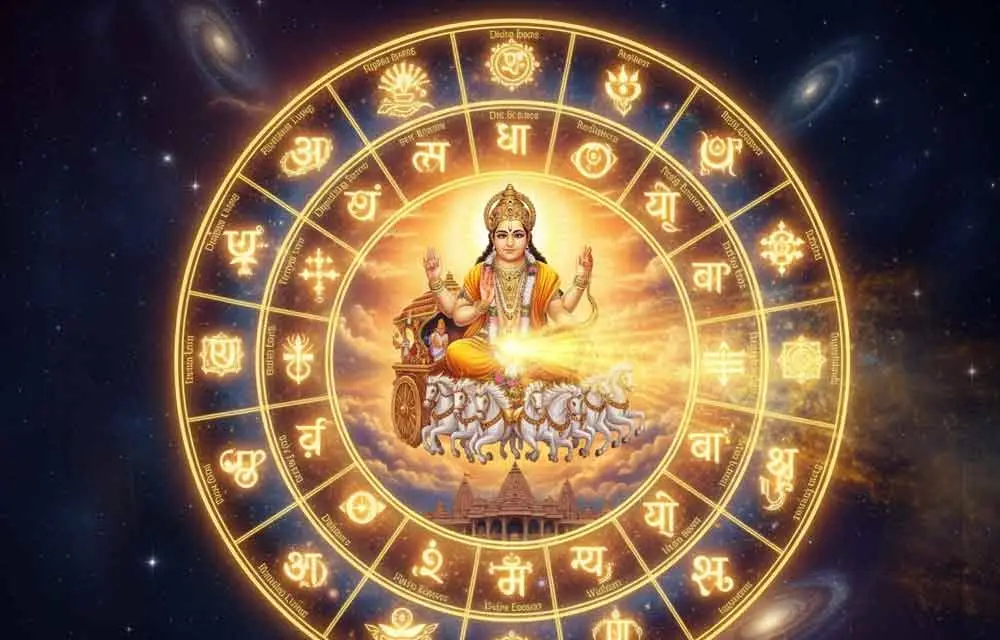
Illuminating the Soul: Chanting Divine Mantras After Karthigai Deepam
In the heart of the Tamil month of Karthigai, when the night sky blooms with a thousand flickering flames, the festival of Karthigai Deepam descends like a…
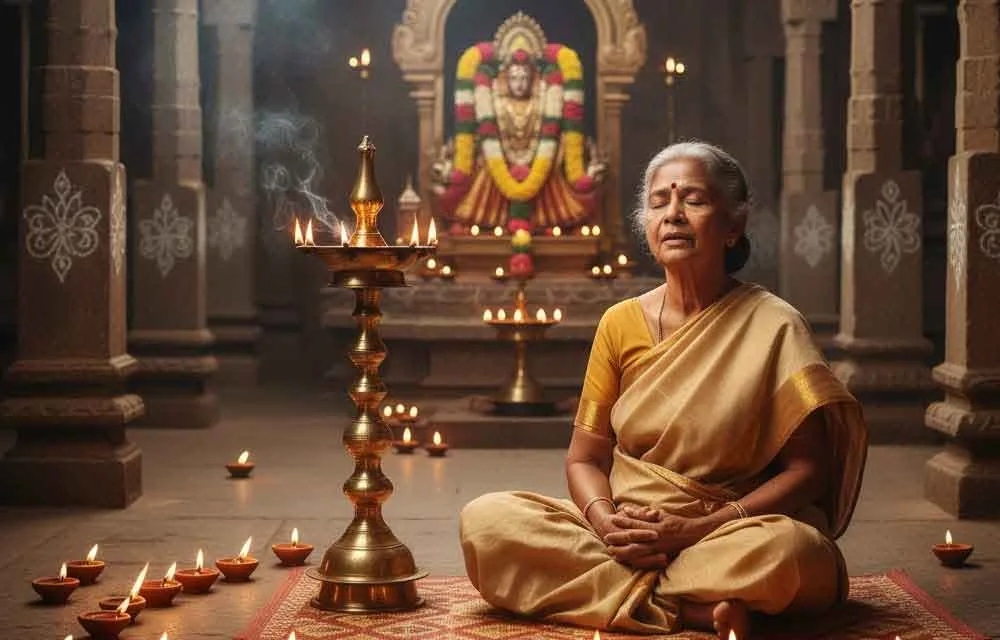
In the heart of the Tamil month of Karthigai, when the night sky blooms with a thousand flickering flames, the festival of Karthigai Deepam descends like a celestial benediction upon the earth. This ancient celebration, revered across South India and beyond, is more than a mere festival of lights; it is a profound spiritual awakening, a symphony of devotion that echoes the eternal dance of light over darkness. As the full moon of Karthigai casts its silvery glow, homes and temples alike are adorned with rows of oil lamps—kuthu vilakku—each wick a silent prayer, each flame a testament to the divine radiance within us all. But the true magic of Karthigai Deepam unfolds not just on the eve of the festival but in the sacred days that follow. It is in this post-festive hush, when the echoes of jubilant chants fade and the lamps continue to burn softly, that the soul finds its deepest communion with the divine.
Karthigai Deepam, often simply called Deepam, honors Lord Shiva in His infinite form as the Jyotirlinga—the pillar of light that transcends creation and dissolution. Rooted in the Shaivite traditions of Tamil Nadu, the festival commemorates the moment when Shiva revealed Himself as boundless effulgence to settle a cosmic dispute between Brahma and Vishnu, reminding all beings of the supremacy of pure consciousness. It also celebrates the birth of Lord Kartikeya, the six-faced warrior deity born from Shiva's sparks, nurtured by the six Krittika stars, symbolizing the victory of dharma over adharma. For devotees, this is a time of purification, where the lighting of lamps signifies the banishment of ignorance (avidya) and the ignition of inner wisdom (jnana). Families gather, fasting through the day until the auspicious karthigai nakshatra rises, then breaking their viratham with offerings of sweet pongal, adhirasam, and fruits placed before the deity.
Yet, as the grand Maha Deepam blazes atop the Annamalai Hill in Thiruvannamalai—a colossal flame visible for miles, drawing lakhs of pilgrims in ecstatic surrender—the festival does not conclude with the dawn. Instead, it extends into a luminous afterglow, a period of sustained devotion where the rituals evolve into personal sadhana. Here, mantras become the bridge, carrying the devotee's heart across the threshold from external celebration to internal transformation. Chanting these sacred syllables after Karthigai Deepam is not a mere recitation; it is an invocation of Shiva's grace, a way to anchor the festival's energy into everyday life. These mantras, drawn from the Vedas, Puranas, and Tamil saint-poets like the Nayanmars, resonate with the festival's theme of light, purifying the mind, healing the body, and elevating the spirit. In the days following Deepam, as the lamps in our homes are tended with fresh oil each evening, these chants weave a protective garland around the soul, ensuring that the divine light kindled on that holy night never dims.
To embark on this devotional journey post-Karthigai Deepam, one must first understand the sanctity of the act. The festival's culmination leaves the air thick with prana—the vital life force amplified by collective bhakti. Devotees are encouraged to maintain a sattvic routine: rising before sunrise for a purifying bath, wearing clean veshtis or sarees in auspicious colors like white or saffron, and creating a small puja mandapam at home with a Shiva lingam or picture of Arunachaleswara. Light a single ghee lamp here each twilight, offering bilva leaves and milk, while softly chanting the mantras. This practice, sustained for at least nine days—or ideally through the waning moon phase—amplifies the festival's blessings, warding off negativity and inviting prosperity. As the Tamil adage goes, "Deepam ezhuthum pothu, manthiram sollu"—when the lamp is lit, let the mantra flow, for together they dispel the shadows of karma.
Let us now delve into the heart of this article: the mantras to chant after Karthigai Deepam. These are not arbitrary verses but living energies, each tailored to invoke a facet of Shiva's grace, aligning with the festival's luminous essence. We shall explore them one by one, unraveling their meanings, phonetic grace, ritualistic application, and profound benefits. Through diligent sadhana, these chants transform the post-festive period into a personal Karthigai, where every breath becomes a flame of devotion.
The Panchakshari Mantra: Om Namah Shivaya – The Quintessence of Surrender
Foremost among the mantras for the days after Karthigai Deepam is the sacred Panchakshari: Om Namah Shivaya. This five-syllabled jewel, Na-Ma-Shi-Va-Ya, encapsulated in the cosmic hum of Om, is the moola mantra of Shaivism, the very heartbeat of Lord Shiva. Revealed in the Yajur Veda, it encapsulates the five elements—earth, water, fire, air, and ether—mirroring the festival's theme of elemental fire as divine light. Each syllable dissolves a veil of illusion: Na negates the ego, Ma purifies the senses, Shi ignites inner fire, Va vitalizes the prana, and Ya unites the self with the supreme.
To chant it post-Deepam, begin on the morning after the festival, seated in padmasana facing east, with a rudraksha mala in hand. Inhale deeply, visualizing the Maha Deepam's blaze enveloping your form, then exhale the mantra 108 times, allowing the rhythm to sync with your heartbeat. In the evenings, as you tend the household lamps, let the chant rise like incense, filling the space with vibrations that echo the temple's deeparadhanai. For deeper immersion, dedicate the first three days to 1,008 repetitions, offering a bilva leaf after every 108, symbolizing the surrender of material attachments.
The benefits are manifold, as extolled in the Shiva Purana. This mantra bestows mental clarity, shielding the chanter from the post-festive lethargy that often follows exuberant celebrations. It kindles the manipura chakra, the solar plexus of willpower, ensuring that the light of Karthigai permeates daily decisions—be it in family harmony or professional pursuits. Devotees report a profound sense of protection; one Tamil elder recounts how, after a family crisis, nightly chants of Om Namah Shivaya post-Deepam restored peace, as if Shiva Himself had whispered resolutions in the quiet hours. Spiritually, it erodes sanchita karma, the accumulated burdens, paving the way for moksha. In a world dimmed by modern distractions, this mantra revives the soul's innate luminosity, reminding us that true light resides not in external flames but in the eternal chant of surrender.
The Maha Mrityunjaya Mantra: Triumph Over Transience
As the festival's flames symbolize victory over deathly darkness, the Maha Mrityunjaya Mantra emerges as a potent post-Deepam invocation for longevity and healing: Om Tryambakam Yajamahe Sugandhim Pushtivardhanam | Urvarukamiva Bandhanan Mrityor Mukshiya Maamritat. This Rudra hymn from the Rig Veda, chanted by Markandeya to conquer Yama, invokes Shiva as the three-eyed healer, fragrant with divine nectar, nurturing all life like a cucumber freed from its vine—granting liberation from the cycle of birth and death without hatred.
Post-Karthigai Deepam, this mantra is ideal for the subsequent seven days, when the body's energies, stirred by fasting and vigils, seek restoration. Perform it at dawn, after ablutions, with a copper vessel of water infused with tulsi leaves placed before a Shiva yantra. Dip your fingers in the water, sprinkle it over your crown, and chant 21 times, gradually building to 108 over the week. Accompany it with the offering of a single banana, representing the fruit of immortality, and visualize golden light from Annamalai Hill dissolving ailments in your aura.
Its efficacy lies in its alchemical power: physically, it bolsters immunity, aiding recovery from any festival-induced fatigue; emotionally, it soothes anxieties, fostering resilience amid life's impermanence. The Shiva Purana narrates how Rishi Shukracharya revived the dead through this chant, a tale that inspires countless devotees to invoke it after Deepam for family well-being. In contemporary terms, practitioners in bustling Chennai suburbs share testimonies of chronic pains vanishing after consistent japa, attributing it to Shiva's compassionate gaze. Beyond the tangible, it awakens the sahasrara chakra, the crown of enlightenment, where the soul merges with the infinite Jyoti, echoing the festival's core revelation. Thus, chanting Maha Mrityunjaya post-Deepam is akin to carrying the Maha Deepam's fire within, illuminating paths through illness, loss, and fear.
The Rudra Gayatri Mantra: Awakening the Inner Flame
Aligned with Karthigai's fiery essence, the Rudra Gayatri—Om Tatpurushaya Vidmahe Mahadevaya Dhimahi | Tanno Rudrah Prachodayat—invokes Shiva as Tatpurusha, the primal being embodying the fire element. This Vedic gem, a variant of the supreme Gayatri, prays for illumination: "Let us know the Supreme Person, meditate on the Great God, may Rudra inspire our intellects." It is the perfect bridge from the festival's external blaze to internal gnosis.
In the fortnight following Deepam, integrate this into twilight sadhana. Light a ghee lamp with a single wick, symbolizing focused awareness, and chant facing north, the direction of Kubera's wealth and Shiva's abode. Use a sphatik mala for 27 repetitions daily, escalating to 108 on auspicious pournami echoes. Pair it with pranayama—alternate nostril breathing—to channel the mantra's energy through the pingala nadi, the solar channel ignited by Karthigai's flames.
The fruits are transformative: intellectually, it sharpens discernment, dispelling post-festive confusion; spiritually, it activates the ajna chakra, the third eye, granting visions of Shiva's formless light. Legends from the Skanda Purana describe sages attaining siddhis through Rudra Gayatri, much like the Krittikas who birthed Kartikeya from Shiva's tejas. Modern devotees, from Tiruvannamalai pilgrims to diaspora Tamils in distant lands, find it an anchor against cultural dilution, reigniting bhakti's spark. One poignant story speaks of a young professional, overwhelmed by career shadows after the festival's high, who through daily chants rediscovered purpose, as if Rudra's thunder had cleared her mental storms. In essence, this mantra ensures that Karthigai's light evolves from a fleeting spectacle to an enduring inner sun.
The Deepa Jyoti Mantra: Eternal Gratitude to the Lamp of Divinity
No post-Deepam practice is complete without the Deepa Jyoti Mantra, the shloka recited while tending lamps: Subham Karoti Kalyanam Arogyam Dhana Sampadam | Shatru Buddhi Vinashaya Deepa Jyoti Namostu Te. "You bring auspiciousness, welfare, health, wealth; you destroy enemies' intellect—salutations to the lamp's light." This Sanskrit verse, attributed to ancient tantric texts, personifies the diya as Shiva's emissary, warding malice and bestowing abundance.
Chant it thrice each evening after Karthigai, as you refill oil lamps arranged in a kolam of rice flour. Hold a flower in your joined palms, bow to the flame, and let the words flow melodiously, imagining the light merging with your atma jyoti. For amplified potency, recite it 21 times on the third, seventh, and eleventh days post-festival, offering camphor aarti thereafter.
Its blessings manifest as holistic prosperity: materially, it attracts opportunities, as the lamp's steady glow mirrors unwavering faith; karmically, it neutralizes hidden foes, including self-doubt. The Tiruvilaiyadal Purana weaves tales of lamps lit with this mantra saving kingdoms from doom, a motif echoed in folk traditions where families attribute generational harmony to its nightly invocation. In today's fragmented lives, it fosters gratitude, turning mundane routines into rituals of reverence. A devotee from Madurai shares how, post-Deepam, this chant resolved a long-standing feud, the "enemy intellect" dissolving like shadows before dawn. Thus, it sustains the festival's joy, transforming homes into perpetual temples of light.
The Arunachala Shiva Mantra: Invocation of the Hill of Fire
Tied intrinsically to Thiruvannamalai's sanctity, the Arunachala Shiva Mantra—Om Arunachaleswaraya Namah or the fuller Arunachala Shiva Arunachala Shiva Arunachala Shiva Aruna-Shiva—calls upon the sacred hill as Shiva's lingam of fire. Composed in the spirit of Ramana Maharshi's hymns, it dissolves ego in the blaze of self-realization.
Post-Deepam, embark on a mini-girivalam at home: circumambulate your puja space 14 times (symbolizing the hill's girth in kosas), chanting this 108 times per round. If possible, visit a local Shiva temple on the fifth day, or stream the temple's live darshan while japa. Light a hill-shaped lamp of sand to evoke Arunachala.
Benefits include karmic dissolution and profound peace; it purifies the subtle body, resolving deep-seated vasanas stirred by the festival. Arunachala Ashtakam, an octet companion, amplifies this, with verses like "O Hill of Fire, burn my illusions." Stories abound of pilgrims healed by its power, from physical maladies to spiritual aridity. In the global Tamil community, it bridges distances, making every chant a virtual pradakshina. Through it, the Maha Deepam's fire becomes personal, incinerating limitations and revealing the Self.
The Skanda Shashti Kavacham: Honoring Kartikeya's Valor
To balance Shiva's stillness with dynamic protection, chant the Skanda Shashti Kavacham after Deepam, invoking Kartikeya: Om Sharavana Bhavaya Namah prefixed to select verses. This Tamil armor hymn by Sri Kachiappar shields against adversities, celebrating the six-faced Lord's triumph over Taraka.
Recite excerpts daily for six days post-festival, clad in red, with a vel (spear) icon. Benefits: unyielding courage, family unity, and obstacle removal. Its rhythmic cadence, like peacock calls, invigorates the sacral chakra, empowering action infused with devotion.
Integrating These Mantras: A Lifelong Sadhana
Beyond rote chanting, weave these into life: pair Om Namah Shivaya with morning walks under Karthigai's lingering stars; use Maha Mrityunjaya during meals for nourished vitality; let Rudra Gayatri guide studies or work. Journal insights post-japa, fostering a devotional diary. Community satsangs, sharing experiences, amplify collective energy.
In Tamil lore, saints like Appar and Sundarar sustained post-festive bhakti through such practices, their lives lamps of inspiration. Today, amid urban haste, these mantras offer solace, grounding us in heritage.
Conclusion: Perpetual Light of Devotion
As Karthigai Deepam's flames fade into memory, the mantras ensure their eternity within. In surrender to Om Namah Shivaya, healing with Maha Mrityunjaya, illumination via Rudra Gayatri, gratitude through Deepa Jyoti, union with Arunachala, and protection by Skanda—they form a garland of grace. May Shiva's Jyoti forever dispel your darkness, filling life with auspicious light. Hara Hara Mahadev!
Frequently Asked Questions
What is the Illuminating the Soul?
In the heart of the Tamil month of Karthigai , when the night sky blooms with a thousand flickering flames, the festival of Karthigai Deepam descends like a celestial benediction upon the earth. This ancient celebration, revered across South India and beyond, is more than a mere festival of lights ; it is a profound spiritual awakening, a symphony of devotio
How many times should the Illuminating the Soul be chanted?
It is traditionally chanted 108 times using a rudraksha or tulsi mala. Even 11 or 21 sincere repetitions daily are considered beneficial — steady, focused practice matters more than the count.
What is the best time to chant the Illuminating the Soul?
Dawn (Brahma Muhurta) after a bath is considered ideal, though it may be chanted any time with a calm, focused mind. Many devotees keep a fixed daily time to build consistency.
Who can chant the Illuminating the Soul?
Anyone may chant it with faith and a pure mind, regardless of age, gender or background. Beginners benefit from first hearing the correct pronunciation and understanding its meaning.
What are the benefits of chanting the Illuminating the Soul?
It is believed to calm the mind, dissolve negativity, and draw divine grace, protection and clarity to the devotee.
Share this with family and friends
Send it on WhatsApp, post it, or copy the link.
More from Pooja, Slokas and Mantras
- Narmadashtakam (Sabindu Sindhu) by Adi Shankaracharya: Full Text in Sanskrit with Meaning
- Hari Stotram (Jagajjalapalam) by Swami Brahmananda: Full Text in Sanskrit with Meaning
- Ganeshashtakam (Yato Anantashakteh) from the Ganesha Purana: Full Text with Meaning
- Kashi Vishwanath Ashtakam (Gangataranga Ramaniya Jatakalapam): Full Text with Meaning
- Shivashtakam (Prabhum Prananatham Vibhum Vishvanatham): Full Text with Meaning
You might also like
Maha Mrityunjaya Mantra for Hindus

Viral Patna Video: Muslim Family Lights Up Flyover with Firecrackers on Diwali, Sparks Debate on Harmony and Joy
Mahishasura Mardini Stotram (Aigiri Nandini): Full Sanskrit Lyrics, IAST and Meaning