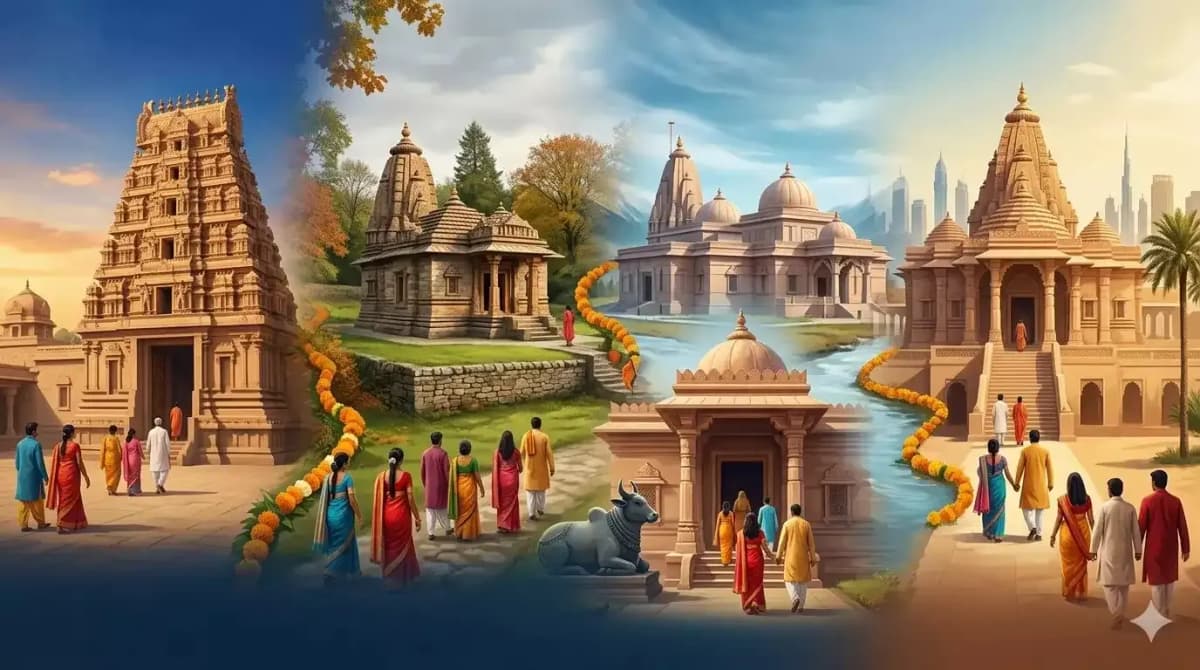
The Divine Origin of Pashupatinath and Its Spiritual Bond with Kedarnath in the Shiva Purana
In the vast spiritual tapestry of Hinduism, the temples of Pashupatinath and Kedarnath shine with divine resonance.
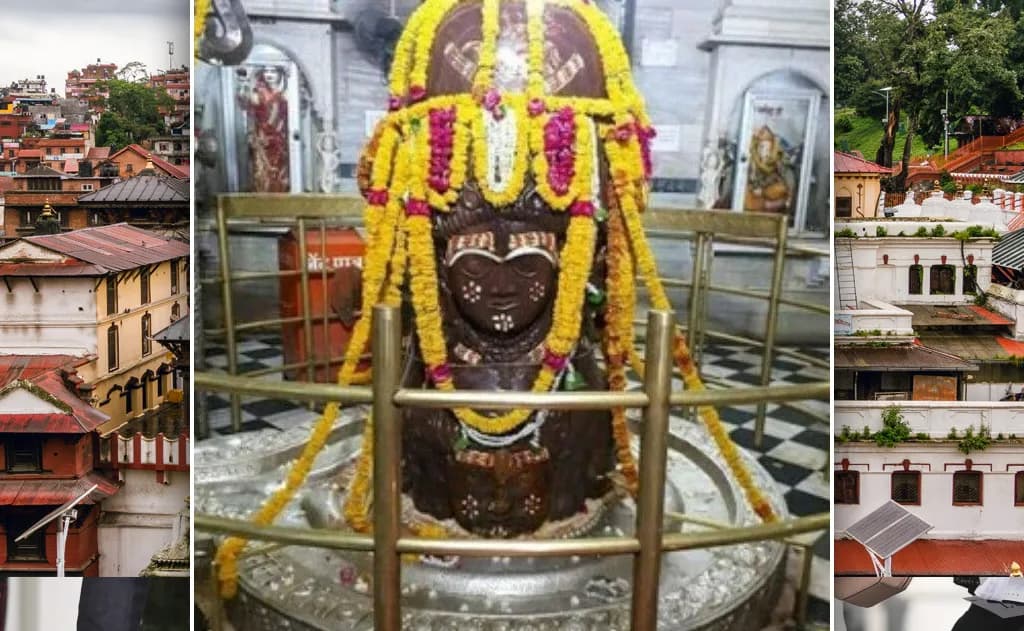
In the vast spiritual tapestry of Hinduism, the temples of Pashupatinath and Kedarnath shine with divine resonance.
In the vast spiritual tapestry of Hinduism, the temples of Pashupatinath and Kedarnath shine with divine resonance. Both are intimately linked through sacred texts like the Shiva Purana, narrating tales of Lord Shiva's earthly manifestations. Their shared mythological and spiritual significance forms a vital axis of Shaivite devotion.
The Sacred Legend Behind Pashupatinath's Origin
Pashupatinath, nestled on the banks of the Bagmati River in Kathmandu, Nepal, is among the holiest Shiva shrines. According to the Shiva Purana and other Puranic texts, Lord Shiva once disguised himself as a deer and roamed the forest of Mrigasthali to escape worldly responsibilities. His divine glow was so intense that even the gods could not find him. When they finally discovered him in deer form, they tried to capture him, leading to a struggle where one of his antlers broke and was enshrined as the Jyotirlinga—Pashupatinath.
Pashupatinath in the Shiva Purana
The Shiva Purana reveres Pashupatinath as the “Lord of all beings” (Pashupati). It tells of how the gods invoked Shiva’s compassion to stop the cycles of destruction by anchoring his energy in a single location. Shiva agreed and appeared as Pashupati to serve as the cosmic shepherd for all creatures. The temple thus became a symbol of Shiva’s compassion and control over life and death.
Kedarnath: The Himalayan Abode of Lord Shiva
Kedarnath, located in the Garhwal Himalayas of India, is one of the twelve Jyotirlingas and the highest among the Char Dham pilgrimage sites. As per the Purana, it is here that Lord Shiva took the form of a bull to evade the Pandavas. Upon being discovered, he dived into the earth, re-emerging in five different parts—the hump at Kedarnath, the arms at Tungnath, the face at Rudranath, the navel at Madhyamaheshwar, and the hair at Kalpeshwar—together forming the Panch Kedar.
The Mystical Connection Between Pashupatinath and Kedarnath
Though separated geographically, the connection between Pashupatinath and Kedarnath lies in the continuity of Lord Shiva’s spiritual presence. Pilgrims often regard visiting both temples as part of a higher yatra, honoring Shiva in both his peaceful (Pashupati) and fierce (Kedar) aspects. While Pashupatinath represents Shiva’s nurturing and cosmic role, Kedarnath symbolizes his transformative power.
Shared Themes in the Shiva Purana
Both temples emphasize the dual nature of Shiva—the benevolent creator and the fierce destroyer. The Shiva Purana uses these temples to illustrate how Lord Shiva transcends form and time. The concept of Jyotirlingas—spiritual lighthouses of Shiva—binds both shrines under a singular divine principle.
Conclusion
Pashupatinath and Kedarnath are not just destinations—they are sacred intersections of legend, devotion, and metaphysical truth. Their connection, vividly chronicled in the Shiva Purana, offers a timeless reminder of Shiva’s omnipresence and the cyclical nature of existence. Together, they inspire millions to walk the spiritual path with reverence and humility.
FAQs
1. What is the meaning of Pashupatinath?
Pashupatinath means "Lord of all living beings," signifying Shiva's role as the protector and destroyer.
2. How is Kedarnath connected to Pashupatinath?
Both temples are considered Jyotirlingas and represent different divine aspects of Shiva. Pilgrims often consider visiting both part of a sacred journey.
3. What does the Shiva Purana say about Pashupatinath?
It describes Shiva's transformation into a deer and the subsequent establishment of the shrine where his divine energy was anchored.
4. What are Panch Kedar temples?
Panch Kedar refers to five sacred temples—Kedarnath, Tungnath, Rudranath, Madhyamaheshwar, and Kalpeshwar—each representing a different part of Shiva’s body.
5. Why is Pashupatinath important to Nepal?
Pashupatinath is a cultural and spiritual epicenter for Hindus in Nepal and beyond, symbolizing divine grace and national identity.
Frequently Asked Questions
What is The Divine Origin of Pashupatinath and Its Spiritual?
In the vast spiritual tapestry of Hinduism, the temples of Pashupatinath and Kedarnath shine with divine resonance. Both are intimately linked through sacred texts like the Shiva Purana, narrating tales of Lord Shiva's earthly manifestations.
What are the key points about The Divine Origin of Pashupatinath and Its Spiritual?
Their shared mythological and spiritual significance forms a vital axis of Shaivite devotion. The Sacred Legend Behind Pashupatinath's Origin Pashupatinath, nestled on the banks of the Bagmati River in Kathmandu, Nepal, is among the holiest Shiva shrines.
Why does The Divine Origin of Pashupatinath and Its Spiritual matter in Hinduism?
It deepens a devotee's connection with Lord Shiva and with the values of Sanatana Dharma — clarity, devotion and dharmic living.
How can devotees apply The Divine Origin of Pashupatinath and Its Spiritual in daily life?
By reflecting on its teaching, incorporating the related practices or observances into daily routine, and approaching it with sincere devotion and understanding.
You might also like
Sri Medha Dakshinamurthy Swami Dhyanam | Meditation Sloka for Intelligence, Eloquence & Self-Realization
Om Namah Shivaya: 108 Times Chanting Benefits & Method — Complete Panchakshara Mantra Guide
The Resolve of a Monk – A Divine Incident Showcasing Kanchi Paramacharya’s Compassion