Onam: Bringing Kerala's Harvest Festival Home - A Complete NRI Guide
For millions of Non-Resident Indians around the globe, few festivals evoke the same emotional connection to homeland as Onam.
For millions of Non-Resident Indians around the globe, few festivals evoke the same emotional connection to homeland as Onam.
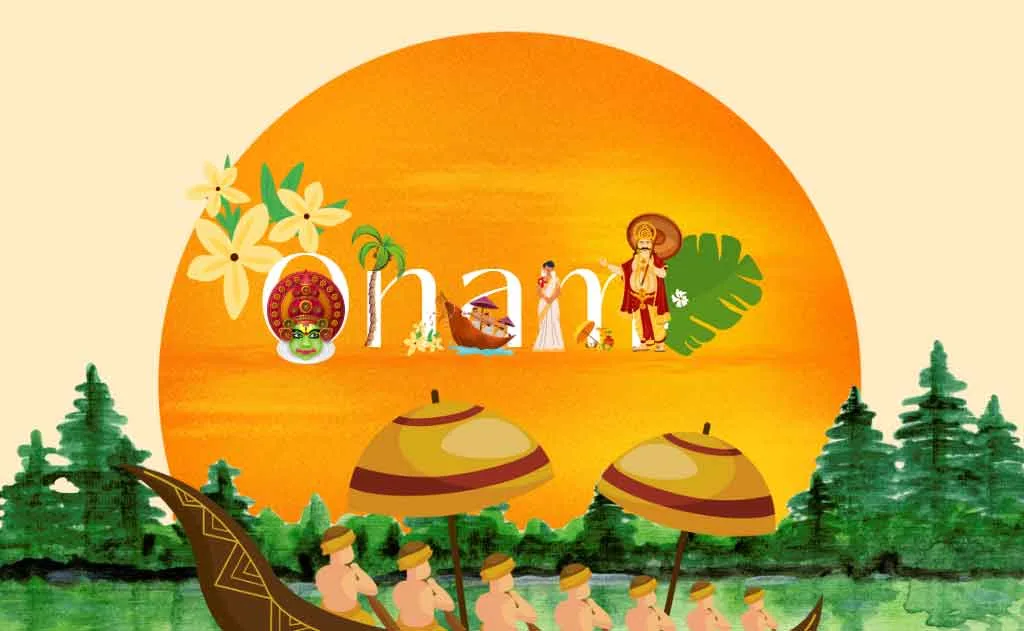
For millions of Non-Resident Indians around the globe, few festivals evoke the same emotional connection to homeland as Onam. This magnificent ten-day celebration, extending into early September 2025, serves as a bridge connecting diaspora hearts to Kerala's rich cultural tapestry. Whether you're in New York, Dubai, London, or Sydney, celebrating Onam authentically helps preserve our heritage while creating lasting memories for the next generation of global Malayalis.
Understanding Onam: More Than Just a Festival
Onam transcends religious boundaries to become Kerala's most unifying cultural celebration. For NRIs, it represents something deeper - a connection to roots, values, and the timeless story of prosperity and righteousness that defines Malayali identity worldwide.
The King Mahabali Legend: A Universal Message
The story of King Mahabali resonates powerfully with the NRI experience. Mahabali, an Asura king, created a utopian society where everyone prospered regardless of their background - a vision that mirrors what many of us seek in our adopted countries. His unwavering commitment to his word, even in the face of divine testing, reflects the integrity and dedication that characterizes successful NRI communities globally.
When Lord Vishnu, disguised as the dwarf Vamana, requested three steps of land, Mahabali's generous response led to his eventual banishment to the netherworld. However, moved by the king's devotion and sacrifice, Vishnu granted him permission to visit his beloved subjects annually. This homecoming is what we celebrate as Onam - making it particularly meaningful for those of us living far from home, as we too make our spiritual journey back to Kerala through this festival.
The Global Onam Calendar: Ten Days of Connection
Understanding each day's significance helps NRIs plan meaningful celebrations regardless of time zones or work schedules:
Atham (Day 1 - August 26, 2025): Begin with a simple Pookalam and family video calls to Kerala. This is perfect for busy professionals to start the festival mindfully.
Chithira (Day 2): Ideal for shopping at local Indian stores for festival essentials. Many NRI communities organize group buying for specialty items.
Chodhi (Day 3): Cultural programs begin - perfect timing for weekend celebrations in NRI communities worldwide.
Vishakam (Day 4): Mid-week planning day - coordinate with Malayalam associations and finalize Sadya menus with friends and family abroad.
Anizham (Day 5): Virtual participation in Kerala's snake boat races through livestreams, connecting global Malayalis to homeland traditions.
Thriketa (Day 6): Temple visits and prayers - research local Hindu temples or organize community prayer sessions.
Moolam (Day 7): Cultural performances peak - ideal for NRI communities to showcase traditional arts to local audiences.
Pooradam (Day 8): Preparation intensifies - perfect for involving non-Malayali spouses and friends in festival traditions.
Uthradom (Day 9): Final preparations - coordinate potluck-style Sadya with your local Malayalam community.
Thiruvonam (Day 10 - September 4, 2025): The grand finale - when NRI homes worldwide transform into Kerala for a day.
Pookalam for Global Malayalis: Adapting Tradition
Creating authentic Pookalam outside Kerala requires creativity and advance planning:
Flower Sourcing Strategies by Region
North America: Mexican marigolds, chrysanthemums, and roses work excellently. Visit farmers' markets or establish relationships with local florists who can special-order Indian flowers.
Middle East: Take advantage of the flower markets in Dubai, Doha, and other major cities where Indian flowers are more readily available.
Europe: Contact Indian grocery stores that often coordinate flower deliveries during festival season. Alternatively, use locally available flowers in traditional color schemes.
Australia/New Zealand: Native flowers like wattle can substitute for thumba, while local roses and chrysanthemums complete the palette.
Modern Pookalam Innovations
Apartment-Friendly Designs: Create stunning miniature Pookalam on large trays or in courtyards, perfect for high-rise living.
Preservation Techniques: For working professionals, prepare flower arrangements the evening before and store in refrigerated conditions.
Community Projects: Coordinate with building management or local councils to create large public Pookalam displays, introducing local communities to Kerala's artistry.
Digital Documentation: Create time-lapse videos of Pookalam creation to share with family back home and preserve memories for children.
The NRI Onam Sadya: Mastering the Art of Adaptation
Preparing an authentic Onam Sadya outside Kerala requires strategic planning and creative substitutions:
Essential Sadya Planning for NRIs
Three Weeks Before: Order specialty ingredients online from Indian grocery platforms. Items like coconut oil, curry leaves, and specific lentils need advance planning.
One Week Before: Connect with local Malayalam families to coordinate ingredient sharing and recipe exchanges.
Day Before: Prepare coconut-based accompaniments and pickles that taste better after marinating overnight.
Key Dishes with Global Adaptations
Sambar: The foundation of any Sadya. NRIs can prepare large batches and freeze portions for multiple celebrations throughout the year.
Avial: Adapt using locally available vegetables while maintaining the coconut-yogurt base. Root vegetables from local farmers' markets often work perfectly.
Payasam: The crowning glory of Sadya. Master at least two varieties - rice payasam and vermicelli payasam for variety.
Banana Leaf Sourcing: Connect with Southeast Asian stores, Latin American markets, or online suppliers who can provide authentic banana leaves for serving.
Modern Kitchen Adaptations
Equipment: Invest in a good pressure cooker and large pans essential for Sadya preparation in smaller kitchens.
Time Management: Prepare a detailed timeline starting 4-5 hours before serving, accounting for smaller kitchen spaces and equipment.
Portion Control: Scale recipes appropriately for smaller nuclear families while maintaining authentic flavors.
Building Community: Onam Celebrations That Unite
The true magic of NRI Onam lies in community building:
Organizing Successful Community Celebrations
Malayalam Associations: Partner with existing organizations to create large-scale celebrations that introduce local communities to Kerala's culture.
Cultural Exchange: Invite non-Indian neighbors and colleagues to experience Onam, fostering cross-cultural understanding.
Children's Programs: Organize storytelling sessions, cultural competitions, and traditional games to ensure the next generation connects with their heritage.
Professional Networks: Create Onam networking events that combine cultural celebration with career development opportunities.
Leveraging Technology for Global Connection
Virtual Celebrations: Organize video calls with family in Kerala during Sadya time, creating a sense of shared celebration across continents.
Social Media Campaigns: Document and share Onam celebrations using hashtags to connect with global Malayalam communities.
Digital Cultural Programs: Host online Kathakali performances, traditional music concerts, or storytelling sessions that connect NRIs worldwide.
Teaching Heritage: Onam for NRI Children
One of the most crucial aspects of NRI Onam celebrations is ensuring cultural transmission to children born and raised outside India:
Age-Appropriate Cultural Education
Toddlers (2-5 years): Focus on sensory experiences - flower arranging, taste-testing Sadya components, and simple storytelling with pictures.
School Age (6-12 years): Involve them in cooking simple dishes, learning basic Malayalam phrases, and understanding the Mahabali story's moral lessons.
Teenagers (13-18 years): Encourage them to lead family celebrations, research and present different aspects of Kerala culture, and connect with peer networks celebrating Onam globally.
Creating Lasting Memories
Family Traditions: Establish unique family customs that blend traditional Onam elements with your adopted country's culture.
Documentation: Create annual photo albums, videos, and written records of your family's Onam celebrations for future generations.
Skill Development: Use Onam as an opportunity to teach cooking, artistic skills, and cultural knowledge that children can carry forward.
Economic and Social Impact of Global Onam
The celebration of Onam by NRI communities has significant implications beyond cultural preservation:
Supporting Homeland Economy
Specialty Imports: NRI demand for authentic ingredients supports Kerala's agricultural economy and specialty food exporters.
Cultural Tourism: Many NRIs time visits to Kerala around Onam season, boosting tourism revenue.
Remittances: Festival-related money transfers to family for celebrations contribute to Kerala's economy.
Building Multicultural Bridges
Community Integration: Onam celebrations in NRI communities often serve as introduction points for local populations to Indian culture.
Workplace Diversity: Professional Onam celebrations contribute to workplace diversity and inclusion initiatives.
Educational Opportunities: Schools and universities in areas with large NRI populations often incorporate Onam into their multicultural programming.
Modern Challenges and Solutions for NRI Onam
Common Obstacles and Creative Solutions
Time Constraints: Busy professional schedules often clash with ten-day celebrations. Solution: Focus on weekend events and involve extended community in weekday preparations.
Ingredient Availability: Authentic items may be scarce or expensive. Solution: Build networks with other families for bulk buying and ingredient sharing.
Cultural Dilution Concerns: Fear that celebrations may lose authenticity over generations. Solution: Regular video calls with elders in Kerala, hosting visiting relatives during Onam season.
Space Limitations: Apartment living may restrict large-scale celebrations. Solution: Community spaces, parks, and cultural centers can host larger gatherings.
Innovation Within Tradition
Fusion Celebrations: Incorporate elements from adopted country's harvest festivals while maintaining Onam's core essence.
Professional Integration: Use workplace diversity initiatives to educate colleagues about Onam while building professional networks.
Educational Partnerships: Collaborate with local schools and universities to create cultural exchange programs centered around Onam.
The Future of Global Onam
As NRI communities grow and evolve, Onam celebrations continue adapting while preserving essential elements:
Emerging Trends
Sustainable Celebrations: Eco-conscious NRIs are creating zero-waste Onam celebrations using locally sourced, organic materials.
Digital Integration: Virtual reality experiences allowing NRIs to "visit" Kerala temples and participate in traditional ceremonies remotely.
Culinary Innovation: Fusion Onam Sadya incorporating local ingredients while maintaining traditional preparation methods and nutritional balance.
Preserving Authenticity
The key to successful NRI Onam lies in understanding that adaptation doesn't mean dilution. Every creative substitution, every community partnership, and every effort to share our culture with new neighbors strengthens rather than weakens our connection to Kerala.
As we gather around banana leaves in apartments in Manhattan, suburban homes in Toronto, or community centers in Melbourne, we're not just eating a meal - we're participating in an unbroken chain of tradition that connects us to our ancestors and ensures our children remain rooted in their heritage while flourishing in their global identities.
Your Global Onam Action Plan
Start Now: Begin planning this year's celebration by connecting with local Malayalam associations and sourcing specialty ingredients.
Build Networks: Establish relationships with other NRI families, local Indian grocery stores, and cultural organizations.
Document Everything: Create lasting records of your celebrations to share with family back home and preserve for future generations.
Teach and Learn: Use this Onam as an opportunity to deepen your own cultural knowledge while passing it on to children and sharing it with friends from other backgrounds.
The spirit of King Mahabali's benevolent rule lives on every time an NRI family opens their home to share Onam with neighbors, every time children born abroad learn to arrange flowers in traditional patterns, and every time our celebrations build bridges between cultures while preserving the timeless values of righteousness, generosity, and unity that define this magnificent festival.
Frequently Asked Questions
What is Onam?
For millions of Non-Resident Indians around the globe, few festivals evoke the same emotional connection to homeland as Onam. This magnificent ten-day celebration, extending into early September 2025, serves as a bridge connecting diaspora hearts to Kerala's rich cultural tapestry.
What are the key points about Onam?
Whether you're in New York, Dubai, London, or Sydney, celebrating Onam authentically helps preserve our heritage while creating lasting memories for the next generation of global Malayalis. Understanding Onam: More Than Just a Festival Onam transcends religious boundaries to become Kerala's most unifying cultural celebration.
Why does Onam matter in Hinduism?
It reflects core values of Sanatana Dharma and offers practical and spiritual guidance that remains relevant across generations.
How can devotees apply Onam in daily life?
By reflecting on its teaching, incorporating the related practices or observances into daily routine, and approaching it with sincere devotion and understanding.
You might also like
June 2026 Hindu Festival Calendar — Complete Dates, Vrat & Puja Guide for NRIs
Shani Deva Temples Worldwide & Must-Performed Rituals — Complete Devotee's Guide

The Hindu Festival Calendar Abroad: How NRI Households Choose Which to Commit To