


Phalguna Masam 2026: Complete Guide to Dates, Significance & Vedic Importance

Overview of Phalguna Masam 2026
Phalguna Masam, the twelfth and final month of the Hindu lunar calendar, holds profound spiritual significance as it marks the transition from winter to spring and prepares devotees for the Hindu New Year. In 2026, this auspicious month brings with it the celebration of major festivals including Mahashivratri and Holi.
Phalguna Masam 2026 Dates
North Indian Calendar (Purnimanta System)
Start Date: February 2, 2026 (Monday)
End Date: March 3, 2026 (Tuesday)
Duration: 30 days
South Indian Calendar (Amanta System)
Start Date: February 18, 2026 (Wednesday)
End Date: March 19, 2026 (Thursday)
Duration: 30 days
Vikram Samvat Year
Year: 2082
Shaka Samvat Year
Year: 1947 (Viswavasu Nama Samvatsaram)
Etymology and Meaning
The name “Phalguna” derives from the Phalguni Nakshatra (Purva Phalguni or Uttara Phalguni constellation), under which the full moon occurs during this month. The word itself carries deep symbolism:
- Phala means “fruit”
- Guna means “character” or “quality”
Together, Phalguna signifies “meritorious character” or “sweet character,” representing the fruitful culmination of the year and the blossoming of nature during spring.
Vedic and Historical Significance
Position in Hindu Calendar
Phalguna Masam occupies a unique position as the concluding month of the Hindu calendar year. After Phalguna comes Chaitra Masam, which marks the beginning of the Hindu New Year. This transitional nature makes Phalguna a month of completion, celebration, and spiritual preparation.
Seasonal Importance
According to Vedic tradition, Phalguna corresponds to:
- Ritu (Season): End of Shishira (winter) and beginning of Vasanta (spring)
- Solar Movement: Sun transitions from Kumbha Rashi (Aquarius) to Meena Rashi (Pisces)
- Natural Phenomenon: Nature blooms, flowers appear, and pleasant weather prevails
Mythological and Epic Connections
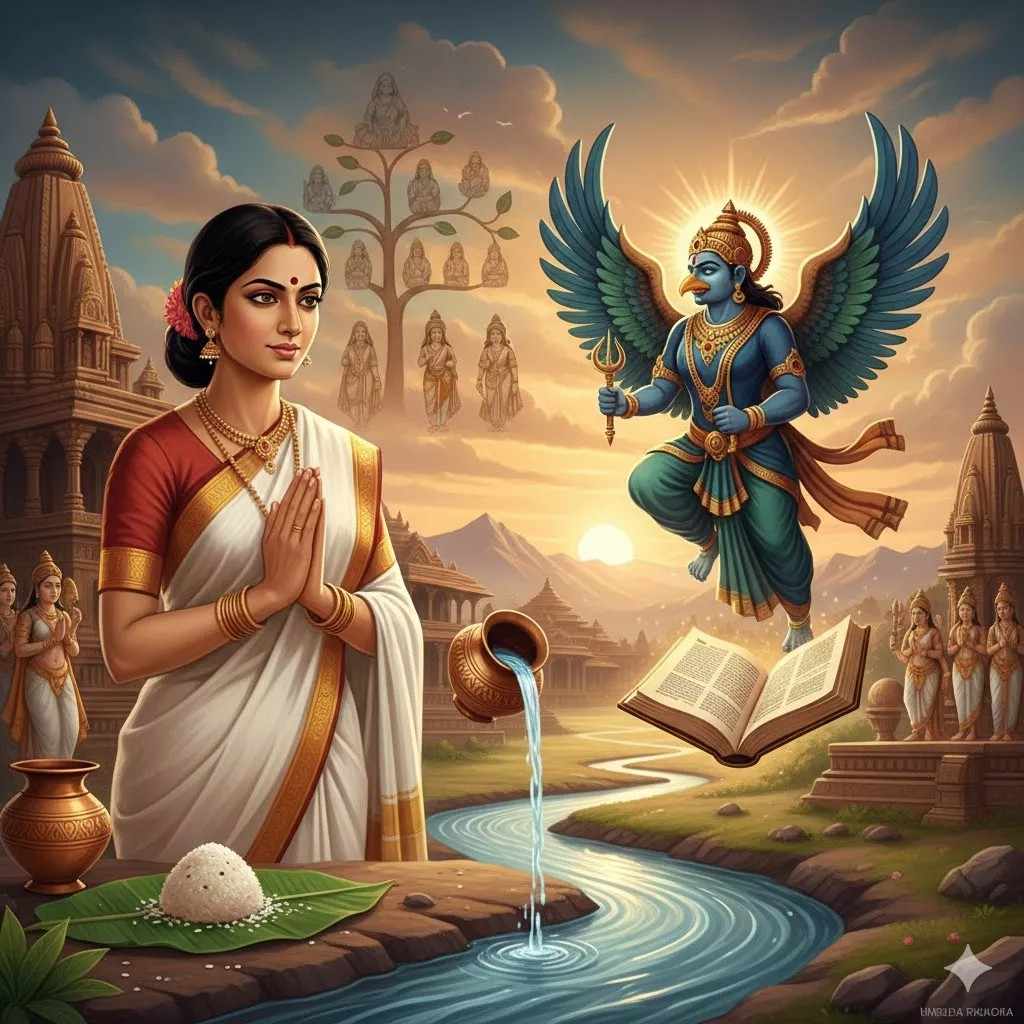
Ramayana Events in Phalguna
Several pivotal events from the Ramayana occurred during Phalguna Masam:
- Phalguna Bahula Padyami: The great war between Lord Rama’s Vanara army and Ravana’s forces began
- Phalguna Vidiya: Demon Doomraksha was vanquished
- Phalguna Thadiya: Demon Vajradanshtra was destroyed
- Phalguna Chavithi: Demon Akampana was defeated
- Phalguna Bahula Panchami: Prahastha, Ravana’s army chief, was killed by Neela
- Phalguna Bahula Ashtami: Athikaya, son of Ravana, was killed by Lakshmana
- Phalguna Bahula Ekadashi to Trayodashi: The crucial battle between Lakshmana and Indrajit (Meghanath) took place
- Phalguna Amavasya: The most significant event – Ravana Vadha (the destruction of Ravana by Lord Rama)
Mahabharata Events in Phalguna
Important births in the Mahabharata occurred during this month:
- Phalguna Bahula Ashtami: Birth of Yudhishthira (Dharmaraja) under Jyeshta Nakshatra
- Phalguna Shukla Trayodashi: Birth of Bhimasena (the mighty warrior of Pandavas)
- Same Day: Birth of Duryodhana and Dushasana
- Throughout the Month: Birth of 15 other Kauravas
Sacred Births and Saints
- Sri Raghavendra Swamy: The revered saint of Mantralaya was born on Phalguna Shukla Navami
- Arjuna: The legendary Pandava warrior was born in this month (Phalguna is also an alternate name for Arjuna)
- Chandradev (Moon God): According to mythology, the Moon deity was born in Phalguna month
Religious and Spiritual Importance
Primary Deities Worshipped
- Lord Vishnu (Govinda): Prominently worshipped throughout the month
- Lord Shiva (Mahadeva): Special worship during Mahashivratri
- Satyanarayana Swamy: Satyanarayana Puja is particularly auspicious
- Lord Krishna: Three forms – Child Krishna, Young Krishna, and Guru Krishna
- Mata Sita: Revered for her devotion and virtue
- Mata Lakshmi: Worshipped for prosperity
- Chandra Dev (Moon God): Special worship as the month is associated with lunar blessings
Spiritual Significance
Phalguna month is considered especially sacred for:
- Purification: A time for spiritual cleansing and renewal
- Bhakti (Devotion): Singing bhajans and kirtans of Lord Shiva and Krishna
- Dana (Charity): Donations of food, clothes, money, pure ghee, mustard oil, seasonal fruits, and grains
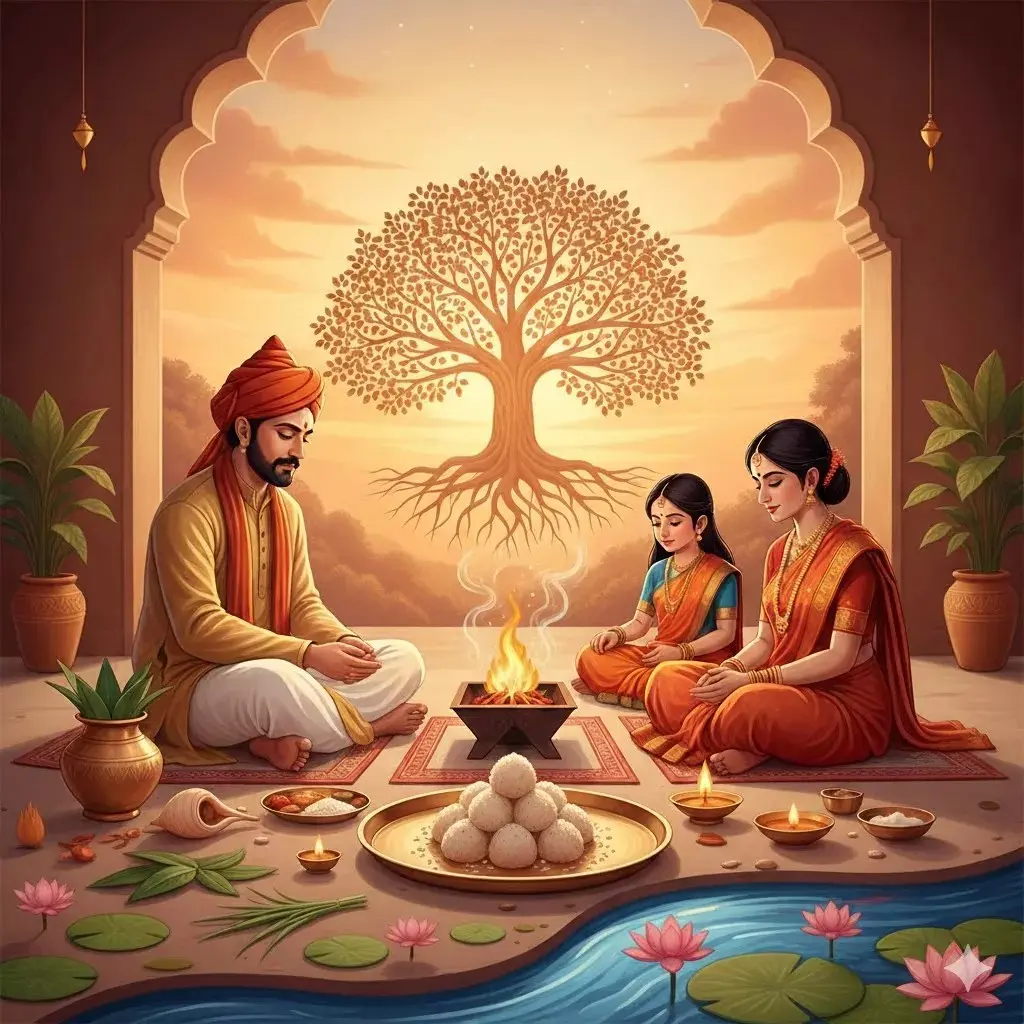
- Pitru Karma: Ancestral worship and offerings
- Tarpan: Water offerings to ancestors and deities
- River Bathing: Holy baths in sacred rivers, especially on Phalguna Purnima
Major Festivals and Observances in Phalguna Masam 2026
1. Dwijapriya Sankashti Chaturthi
Date: February 5, 2026 (Thursday)
Significance: Dedicated to Lord Ganesha for removing obstacles
2. Vijaya Ekadashi
Date: February 13, 2026 (Friday)
Significance: Worshipping Lord Vishnu brings victory and success in life
3. Shani Pradosh Vrat
Date: February 14, 2026 (Saturday)
Significance: Fasting dedicated to Lord Shiva for blessings and removal of Saturn’s malefic effects
4. Mahashivratri (Most Important Festival)
Date: February 15, 2026 (Sunday)
Significance: The great night of Lord Shiva, celebrating the cosmic dance and the union of Shiva-Parvati. One of the most sacred nights in Hinduism for spiritual awakening
5. Phalguna Amavasya (Darsh Amavasya)
Date: February 17, 2026 (Tuesday)
Significance: New moon day for ancestral worship, Shraddha ceremonies, Tarpan rituals, and Pitru Paksha observances
6. Phulera Dooj & Chandra Darshan
Date: February 19, 2026 (Thursday)
Significance: Auspicious day for new beginnings and first sighting of the moon after Amavasya
7. Amalaki Ekadashi (Bhishma Ekadashi)
Date: February 27, 2026 (Friday)
Significance: Mentioned in Brahmanda Purana, this Ekadashi grants wealth, prosperity, and liberation (Moksha). Devotees worship the Amla tree and donate Amla fruits
8. Pradosh Vrat
Date: March 1, 2026 (Sunday)
Significance: Worship of Lord Shiva during twilight hours
9. Phalguna Purnima / Holika Dahan / Choti Holi
Date: March 3, 2026 (Tuesday)
Significance: Full moon day marking Vasant Purnima, the burning of Holika, and preparation for Holi. According to tradition, this night also witnesses a Purna Chandra Grahan (total lunar eclipse)
10. Holi (Festival of Colors)
Date: March 4, 2026 (Wednesday)
Significance: Celebrating the arrival of spring, the divine love of Radha-Krishna, and the victory of good over evil
Paksha (Lunar Fortnight) Details
Krishna Paksha (Waning Moon Phase)
- Begins: After Magha Purnima (around February 2)
- Key Days: Sankashti Chaturthi, Mahashivratri (Chaturdashi), Phalguna Amavasya
Shukla Paksha (Waxing Moon Phase)
- Begins: After Phalguna Amavasya
- Key Days: Phulera Dooj, Amalaki Ekadashi, Pradosh, Phalguna Purnima
Rituals and Spiritual Practices
Daily Practices
- Brahma Muhurta Bath: Taking bath before sunrise, preferably in holy rivers or with Gangajal
- Vishnu Sahasranama: Recitation of the thousand names of Lord Vishnu
- Gayatri Mantra: Chanting for spiritual illumination
- Om Namo Narayana: Reciting 1008 times on Phalguna Purnima
- Satyanarayana Katha: Reading or listening to the sacred story
Fasting Traditions
- Nirjala Vrat: Waterless fasting on Amavasya
- Ekadashi Fasting: On Vijaya Ekadashi and Amalaki Ekadashi
- Partial Fasting: Consuming fruits, milk, and sattvic foods
Charitable Acts (Dana)
The month emphasizes giving:
- Food to the hungry
- Clothes to the needy
- Money to the poor
- Pure ghee and mustard oil
- Seasonal fruits and grains
- Water to travelers
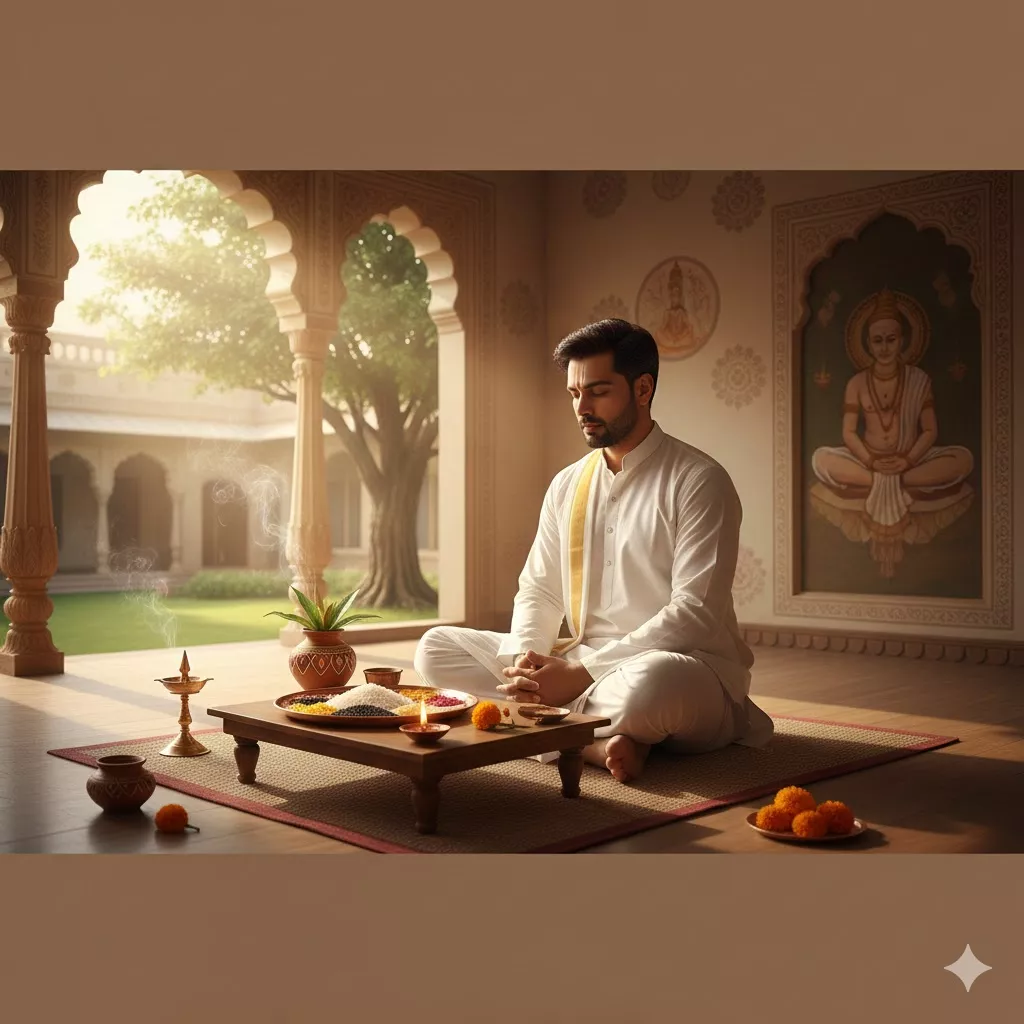
Puja and Worship
- Morning Rituals: Begin with bath, sankalpa (intention), and deity worship
- Temple Visits: Especially to Vishnu and Shiva temples
- Havan/Yagna: Fire offerings with sesame seeds, coconut, and wheat
- Bhajan Kirtan: Group singing of devotional songs
- Scripture Reading: Studying Puranas, Upanishads, and Bhagavad Gita
Benefits of Observing Phalguna Masam
According to Vedic scriptures and tradition:
- Spiritual Liberation: Observances in this month lead toward Moksha
- Blessings of Vishnu & Shiva: Special grace from both supreme deities
- Ancestral Blessings: Pitru satisfaction brings peace and prosperity
- Removal of Obstacles: Worship removes karmic blockages
- Material Prosperity: Brings happiness, wealth, and abundance
- Health and Harmony: Purifies mind and body
- Victory Over Enemies: Spiritual and worldly obstacles are overcome
- Family Welfare: Ensures happiness and well-being of family members
- Merit Accumulation: Punya (spiritual merit) equivalent to great sacrifices
Regional Variations
North India
- Follows Purnimanta calendar (month begins after Purnima)
- Major celebrations: Mahashivratri and Holi
- Emphasis on Lord Shiva worship
South India
- Follows Amanta calendar (month begins after Amavasya)
- Dates differ by approximately 15 days
- Strong Vishnu worship tradition
- Panguni Uthiram celebrated (divine marriages of deities)
Maharashtra and Goa
- Shigmo festival celebrated
- Folk dances and agricultural celebrations
- Spring harvest preparations
Odisha
- Sabarmati Ekadashi in Jagannath temples
- Special pujas and rituals
Traditional Beliefs and Practices
Weather and Nature
- Pleasant spring weather symbolizes emotional harmony
- Nature blooms from Vasant Panchami to Phalguna Purnima
- Ideal time for outdoor spiritual activities
Astrological Importance
- Sun’s transition affects individual horoscopes
- Auspicious for starting spiritual practices
- Good time for purification rituals
Cultural Practices
- Holika Dahan Vows: Taking pledge to give up bad habits
- Color Play: Symbolic of life’s diversity and unity
- Community Bonding: Festivals bring people together
- Spring Celebrations: Welcoming new beginnings
Precautions and Guidelines
During Fasting
- Stay hydrated (except on nirjala vrat)
- Avoid overexertion
- Maintain sattvic diet
- Consult elders or priests for proper observance
During Festivals
- Celebrate with natural, safe colors during Holi
- Respect others’ boundaries
- Maintain sanctity of rituals
- Follow environmental-friendly practices
Spiritual Discipline
- Maintain purity of thought and action
- Avoid negative speech and thoughts
- Practice non-violence (Ahimsa)
- Observe Brahmacharya (celibacy) during special vratas
Phalguna Purnima – The Grand Finale
The full moon day of Phalguna is particularly sacred:
- Vasant Purnima: Marks the peak of spring season
- Holika Dahan: Symbolic burning of evil
- Lakshmi Jayanti: Some traditions celebrate Goddess Lakshmi’s appearance
- River Bathing: Most meritorious day for holy dips
- Vishnu Puja: Complete worship with all 16 upacharas
Connection to Chaitra Masam
As the final month, Phalguna prepares devotees spiritually for:
- Chaitra Navratri: Beginning in the next month
- Rama Navami: Celebration of Lord Rama’s birth
- New Year: Hindu lunar New Year observances
- Fresh Start: Spiritual renewal and new resolutions
Conclusion
Phalguna Masam 2026 offers devotees a sacred opportunity to conclude the year with spiritual merit, divine blessings, and cultural celebrations. From the austerity of Mahashivratri to the joy of Holi, this month encapsulates the essence of Hindu dharma – balancing devotion, celebration, and selfless service.
By observing the festivals, performing rituals with devotion, and maintaining spiritual discipline, devotees can receive the combined blessings of Lord Vishnu, Lord Shiva, and the ancestors, ensuring prosperity, peace, and spiritual progress in the coming year.
Quick Reference Guide
Month Name: Phalguna / Phagun / Falgun
Position: 12th and last month
2026 Dates (North): February 2 – March 3
2026 Dates (South): February 18 – March 19
Key Festivals: Mahashivratri, Holi, Vijaya Ekadashi, Amalaki Ekadashi
Primary Deities: Vishnu, Shiva, Krishna, Lakshmi
Season: End of Winter (Shishira), Beginning of Spring (Vasanta)
Rashi: Kumbha to Meena (Aquarius to Pisces)
May this Phalguna Masam bring you divine blessings, spiritual growth, and abundant joy!
Om Namo Narayanaya | Har Har Mahadev | Hare Krishna
Related posts:
 Jyestha Poornima: Harnessing the Power of Jyestha Nakshatra for Spiritual Growth*
 Pancha Bhoota Sthalas of Shiva: A Divine Journey Through the Five Elements
 Bhadrapada Masam Sunday: Sacred Significance, Rituals, and Divine Blessings
 Complete Guide to Skanda Shashti 2025 Celebrations in Canada: Temples, Events, Rituals & Sacred Mantras
 The Connection Between Amavasya and Lord Shiva Worship
 Pushya Masam 2025 & 2026: Complete Guide with Dates, Festivals & Spiritual Significance | Telugu Calendar 2025–2026


 ︎
︎

