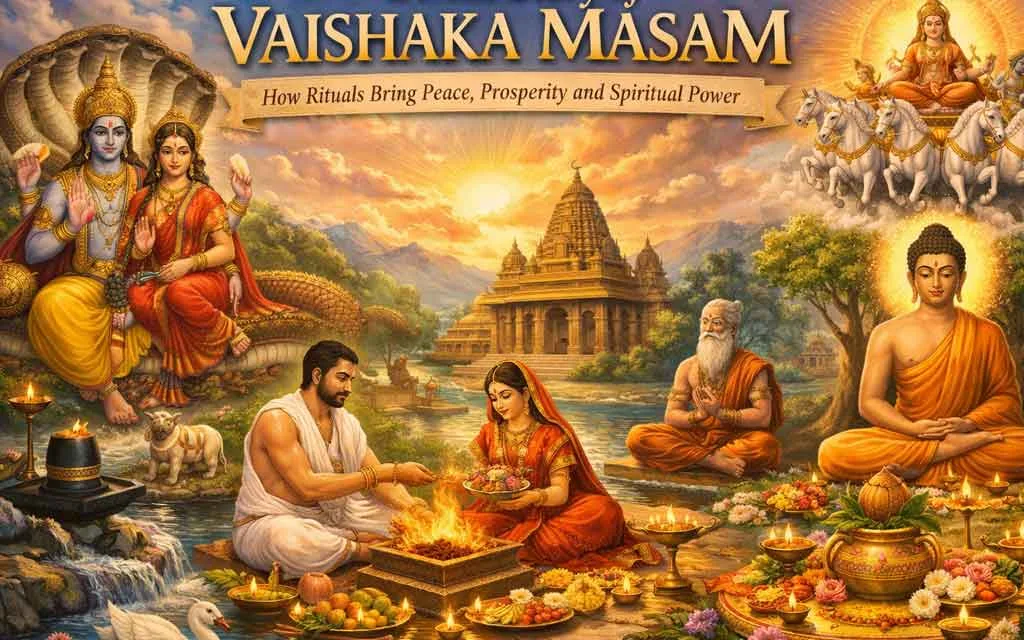
Rituals and Puja Vidhi for Sravana Purnima: A Comprehensive Guide
Sravana Purnima, also known as Raksha Bandhan or Rakhi Purnima, is a sacred day in the Hindu calendar, falling on the full moon day of the Sravana month…
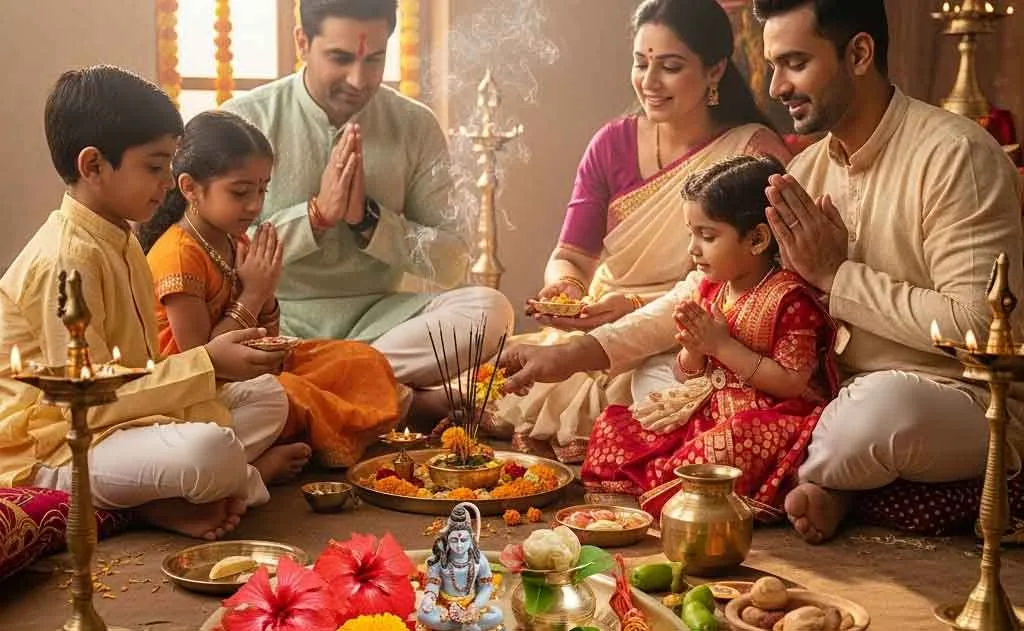
Sravana Purnima, also known as Raksha Bandhan or Rakhi Purnima, is a sacred day in the Hindu calendar, falling on the full moon day of the Sravana month…
Sravana Purnima, also known as Raksha Bandhan or Rakhi Purnima, is a sacred day in the Hindu calendar, falling on the full moon day of the Sravana month (August-September). This auspicious day holds immense spiritual significance, marked by rituals, fasting, charity, sacred baths, and mantra chanting. It is a time to seek divine blessings, strengthen familial bonds, and purify the soul. Below is a detailed guide on performing the rituals, the importance of fasting, and a devotional story for www.hindutone.com.
Puja Vidhi for Sravana Purnima
Step-by-Step Guide to Performing Puja
- Preparation for Puja:
- Begin the day early with a bath to cleanse the body and mind.
- Clean the puja area and set up a small altar with idols or images of Lord Vishnu, Goddess Lakshmi, and Lord Shiva, as Sravana Purnima is dedicated to these deities.
- Arrange puja items: a copper or silver plate, kumkum, turmeric, sandalwood paste, flowers, incense sticks, a lamp, ghee, cotton wicks, and offerings like fruits, sweets, and milk.
- Sankalp (Vow):
- Sit facing east or north, and take a sankalp (vow) to observe the Sravana Purnima vrat with devotion for spiritual and material prosperity.
- Chant: “Om Vishnuve Namah” while sprinkling water on yourself and the puja items to purify them.
- Puja Ritual:
- Light the lamp and incense sticks to invoke divine presence.
- Offer flowers, sandalwood paste, and kumkum to the deities.
- Chant the Vishnu Sahasranama (1000 names of Lord Vishnu) or the mantra “Om Namo Bhagavate Vasudevaya” 108 times using a tulsi mala.
- Perform aarti with a camphor lamp while singing devotional hymns.
- Raksha Bandhan Ritual:
- If observing Raksha Bandhan, sisters tie a rakhi on their brothers’ wrists, applying tilak and offering sweets, while brothers pledge protection and give gifts.
- Recite: “Yenabaddho Bali Raja, Danavendro Mahabalah, Tenatvamapi Baddhami, Raksha Ma Chala Ma Chala” (the mantra for tying the rakhi).
- Offering Naivedya:
- Offer satvik food (pure vegetarian food without onion or garlic) like kheer, puri, or fruits to the deities.
- Distribute the prasad among family members after the puja.
Importance of Charity (Daan), Sacred Baths (Snanam), and Chanting Mantras
- Charity (Daan): Sravana Purnima is a day to practice generosity. Donating food, clothes, or money to the needy is believed to attract divine blessings and remove negative karma. Offering cows, sesame seeds, or gold to Brahmins is considered especially meritorious.
- Sacred Baths (Snanam): Taking a dip in holy rivers like the Ganges or performing a ritual bath at home with water mixed with Gangajal purifies the soul and prepares one for spiritual practices. It is believed to wash away sins and enhance the efficacy of the vrat.
- Chanting Mantras: Reciting mantras like the Vishnu Mantra or Shiva Mantra aligns the devotee with divine energies, fostering peace and spiritual growth. Chanting 108 times with a mala is ideal for maximum benefits.
Sacred Fasting (Vrat) on Sravana Purnima
Benefits of Fasting
Fasting on Sravana Purnima is a powerful spiritual practice that purifies the body, mind, and soul. It is believed to:
- Grant divine blessings from Lord Vishnu and Goddess Lakshmi for prosperity and happiness.
- Strengthen familial bonds and promote harmony.
- Remove obstacles and negative energies from one’s life.
- Enhance spiritual discipline and devotion.
Satvik Diet for Fasting
- Permitted Foods: A satvik diet includes fruits, milk, curd, nuts, sabudana (tapioca pearls), buckwheat flour (kuttu), and water chestnut flour (singhara). Dishes like sabudana khichdi, fruit salad, or kheer are ideal.
- Foods to Avoid: Avoid non-vegetarian food, onion, garlic, and processed foods. Refrain from consuming grains like wheat or rice unless permitted in specific regional traditions.
- Fasting Rules: Devotees may opt for a full fast (nirjala, without food or water) or a partial fast (phalaahar, consuming fruits and milk). Break the fast after evening puja with prasad.
Devotional Story: The Blessings of Sravana Purnima
In a quaint village nestled along the banks of the Yamuna, lived a humble weaver named Keshav. Known for his unwavering devotion to Lord Vishnu, Keshav faced dire poverty, yet his faith never wavered. As Sravana Purnima approached, the village buzzed with preparations for the sacred day. Keshav, however, had little to offer—no fine clothes, no lavish food, only a heart full of devotion.
Determined to honor the day, Keshav woke before dawn and bathed in the Yamuna, chanting “Om Namo Bhagavate Vasudevaya” with fervor. He cleaned his modest hut, created a small altar with a clay idol of Lord Vishnu, and adorned it with wildflowers he gathered from the fields. With no money for offerings, he placed a single tulsi leaf and a bowl of milk before the deity, praying for his family’s well-being.
Keshav observed a nirjala fast, spending the day reciting the Vishnu Sahasranama under a banyan tree. His wife, Radha, tied a simple thread as a rakhi on his wrist, praying for his long life. Though they had no sweets to share, their love and faith made the ritual profound. Moved by their sincerity, a wandering sage visited their home and blessed them, advising Keshav to continue his devotion.
That evening, as Keshav performed the puja, a miracle unfolded. A wealthy merchant, passing through the village, was drawn to Keshav’s hut by the glow of his lamp and the sound of his chants. Touched by Keshav’s devotion, the merchant offered him a job weaving fine fabrics for his business. Over time, Keshav’s skill and honesty earned him prosperity, yet he remained humble, attributing his success to Lord Vishnu’s grace.
Years later, Keshav built a small temple in the village, where every Sravana Purnima, devotees gathered to perform puja and chant mantras. His story spread, inspiring countless others to observe the vrat with sincerity. Keshav’s life became a testament to the power of faith, charity, and devotion, proving that even the simplest offerings, when made with a pure heart, can attract divine blessings.
Conclusion
Sravana Purnima is a day of immense spiritual potential, where rituals, fasting, and charity align devotees with divine energies. By following the puja vidhi, observing the vrat, and practicing generosity, one can attain peace, prosperity, and spiritual growth. Keshav’s story reminds us that true devotion transcends material wealth, and a sincere heart is the greatest offering to the divine.
Frequently Asked Questions
Which deities are worshipped on Sravana Purnima?
Lord Vishnu, Goddess Lakshmi and Lord Shiva are worshipped, as Sravana Purnima is dedicated to them. A small altar is set up with their idols or images.
What is the step-by-step puja vidhi for Sravana Purnima?
Bathe early, set up the altar, take a sankalp facing east or north, and light a lamp and incense. Offer flowers, sandalwood paste and kumkum, chant mantras, perform aarti, offer naivedya and distribute the prasad.
Which mantras are chanted on Sravana Purnima?
Chant "Om Vishnuve Namah" while sprinkling water for purification. Then recite the Vishnu Sahasranama or "Om Namo Bhagavate Vasudevaya" 108 times with a tulsi mala.
What can be eaten while fasting on Sravana Purnima?
A satvik diet of fruits, milk, curd, nuts, sabudana, kuttu and singhara flour is allowed. Avoid non-vegetarian food, onion, garlic and processed foods, and break the fast after the evening puja with prasad.
How is Raksha Bandhan observed on Sravana Purnima?
Sisters tie a rakhi on their brothers' wrists, apply tilak and offer sweets. Brothers pledge protection and give gifts, while the rakhi mantra "Yenabaddho Bali Raja" is recited.
Can Sravana Purnima be observed with a partial fast?
Yes. Devotees may keep a full nirjala fast without food or water, or a partial phalaahar fast of fruits and milk.
You might also like
Sravana Masam for Kids: Engaging Children in Sacred Traditions
Vaishaka Masam Rituals: Complete Devotional Guide with Mythological Stories from Puranas | HinduTone
Vaishaka Masam: Why This Sacred Hindu Month Is So Powerful