



Vasant Panchami 2026: Saraswati Puja Date, Timings, Rituals, Mantras, Significance & Blessings for Knowledge & Wisdom

Vasant Panchami 2026, also revered as Basant Panchami or Saraswati Puja 2026, arrives on Friday, January 23, 2026. This sacred day heralds the vibrant arrival of spring, dispels the chill of winter, and invites devotees to seek the divine blessings of Maa Saraswati, the eternal embodiment of knowledge, wisdom, music, arts, and learning. As the harbinger of renewal, Vasant Panchami inspires spiritual seekers, students, parents, artists, and all who yearn for enlightenment to honor the Goddess who removes ignorance and illuminates the path of truth.
In Hindu tradition, drawn from ancient scriptures like the Rigveda, Puranas, and Devi Mahatmya, Maa Saraswati is the divine consort of Lord Brahma, the creator, and the source of all creative expression. Her worship on this auspicious day fosters intellectual growth, creativity, and spiritual awakening. Whether you are a student preparing for exams, an artist seeking inspiration, or a parent guiding your child toward wisdom, Saraswati Puja 2026 offers profound blessings for success, clarity, and inner peace.
Vasant Panchami 2026 Date, Tithi Timings, and Auspicious Muhurat
According to authentic Hindu panchang sources such as Drik Panchang and traditional calendars:
- Vasant Panchami / Saraswati Puja Date 2026: Friday, January 23, 2026.
- Panchami Tithi Begins: January 23, 2026, at 02:28 AM.
- Panchami Tithi Ends: January 24, 2026, at 01:46 AM.
- Basant Panchami Muhurat (Auspicious Puja Time): 07:13 AM to 12:33 PM (duration approximately 5 hours 20 minutes). This is the ideal window for performing Saraswati Puja to receive maximum blessings, based on the madhyahna moment around noon.
Timings may vary slightly by location due to local sunrise and solar noon; devotees in India (especially North India, Hyderabad, and other regions) should consult a local panchang for precision. Performing rituals during this muhurat ensures alignment with cosmic energies for knowledge and prosperity.
Mythological Significance and Legends of Maa Saraswati
The legends of Maa Saraswati are rooted in Vedic and Puranic texts, emphasizing her role as the goddess of vak (speech), vidya (knowledge), and veena (music).
One profound story from the Brahma Vaivarta Purana describes how Lord Brahma, while creating the universe, felt incomplete without the power of speech and wisdom. From his kamandalu (water pot) emerged Maa Saraswati, radiant in white, embodying the essence of knowledge. Brahma worshipped her as his consort and creative force, declaring her the mother of the Vedas.
Another legend involves Kamadeva, the god of love. When Shiva was in deep meditation, Kamadeva disturbed him, leading to his incineration by Shiva’s third eye. To revive Kamadeva, Brahma sought Saraswati’s help; her soothing presence restored balance, symbolizing how wisdom tempers desire.
In the Devi Bhagavata Purana, Saraswati is depicted as one of the Tridevi (alongside Lakshmi and Parvati), born to aid in cosmic harmony. These stories, drawn from authentic Hindu sources, illustrate her as the remover of tamas (ignorance) and the bestower of sattva (purity).
Spiritual Meaning: Awakening Wisdom and New Beginnings
Vasant Panchami transcends seasonal change; it symbolizes the awakening of inner wisdom and the triumph of knowledge over darkness. As spring blooms with yellow mustard fields and fresh blossoms, the festival reminds us to shed mental inertia and embrace learning.
Spiritually, worshipping Maa Saraswati purifies the mind, sharpens intellect, and fosters creativity. It marks new beginnings—initiating studies, starting musical instruments, or pursuing artistic endeavors. For spiritual seekers, it is a day to meditate on the eternal truth: true knowledge liberates the soul.
Step-by-Step Saraswati Puja Vidhi at Home
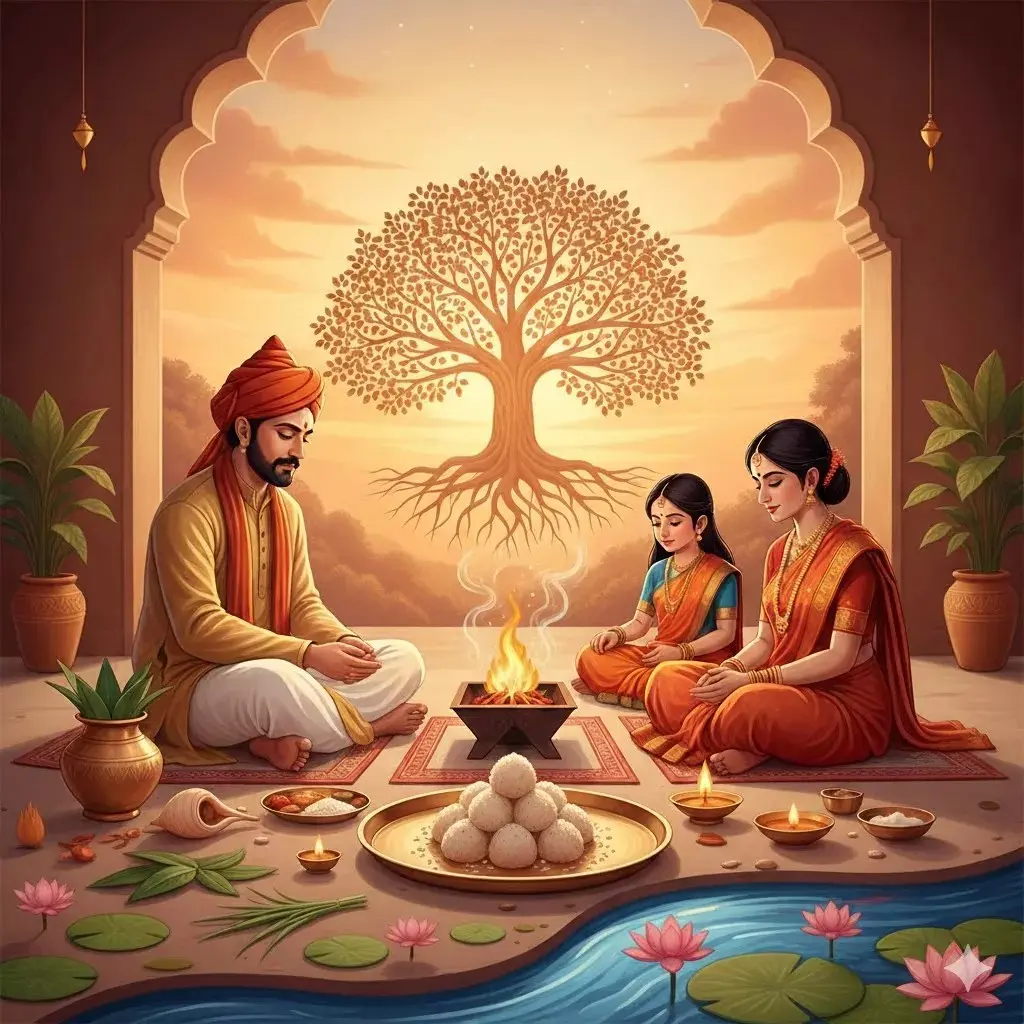
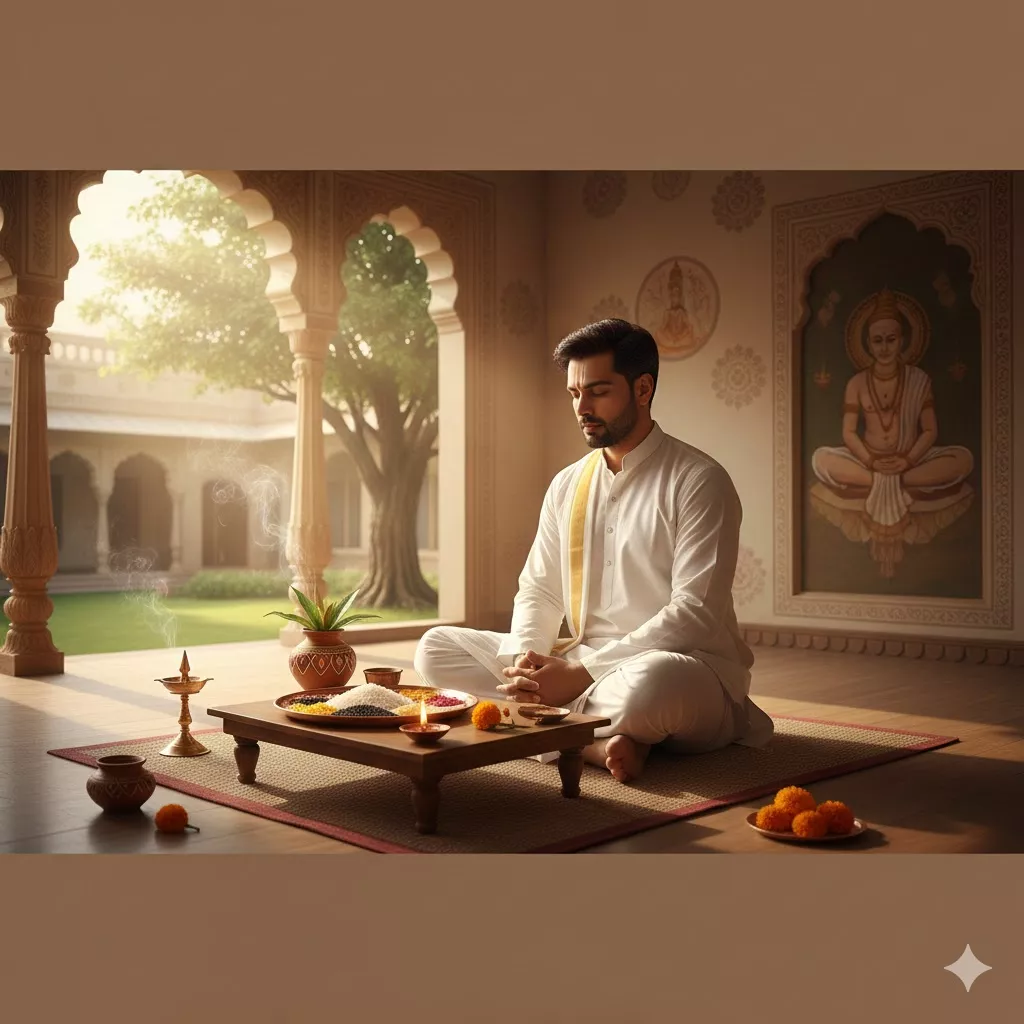
Performing Saraswati Puja at home is simple yet deeply devotional. Follow this traditional vidhi inspired by Shodashopachara Puja:
- Preparations: Wake early, bathe, and wear yellow clothes (symbolizing spring and purity). Clean the puja area thoroughly.
- Altar Setup: Place a yellow cloth on a wooden platform. Install Maa Saraswati’s idol or picture facing east. Surround with yellow flowers (marigold, jasmine), books, pens, musical instruments, and a kalash filled with water topped with mango leaves and coconut.
- Invoke the Goddess: Light a ghee lamp and incense. Chant the Dhyana Mantra for meditation.
- Offerings: Offer yellow sweets (besan laddoo, kesari halwa), fruits, rice, and betel nuts. Place books/instruments for her blessings.
- Main Rituals: Perform Avahan (invocation), Asana (seating), Padya (water for feet), Arghya, Achamana, Snana, Vastra, Yajnopavita, Gandha, Pushpa, Dhupa, Deepa, Naivedya, and Phala.
- Aarti and Pushpanjali: Sing Saraswati Aarti and offer flowers while chanting mantras.
- Conclusion: Perform Pradakshina, seek forgiveness for errors, and distribute prasad.
Maintain a sattvic atmosphere—no non-vegetarian food or tamasic items.
Powerful Saraswati Mantras with Meaning and Benefits
Chant these mantras during puja for profound effects:
- Saraswati Beej Mantra ॐ ऐं सरस्वत्यै नमः Om Aim Saraswatyai Namah Meaning: Salutations to Goddess Saraswati; “Aim” is her seed sound for wisdom. Benefits: Enhances intelligence, memory, and speech; ideal for students.
- Saraswati Vandana (Most Popular) या कुन्देन्दुतुषारहारधवला या शुभ्रवस्त्रावृता या वीणावरदण्डमण्डितकरा या श्वेतपद्मासना । या ब्रह्माच्युतशंकरप्रभृतिभिर्देवैः सदा पूजिता सा मां पातु सरस्वति भगवती निःशेषजाड्यापहा ॥ Yaa Kundendu Tushaara Haara Dhavalaa… Meaning: She who is fair like jasmine, moon, and snow; clad in white, holding veena, seated on white lotus, worshipped by Brahma, Vishnu, Shiva—may she protect me from ignorance. Benefits: Removes mental dullness, grants eloquence and creativity.
- Vidya Mantra ॐ ऐं ह्रीं सरस्वत्यै नमः Om Aim Hreem Saraswatyai Namah Benefits: Boosts concentration and success in education.
Chant 108 times for amplified blessings, citing Vedic authority.
Regional Variations in Celebrations
- West Bengal: Saraswati Puja is grand; students place books for blessings, avoid reading post-puja until next day.
- Punjab/Haryana: Kite flying, yellow attire, and foods like khichdi with yellow sweets celebrate spring.
- South India: Emphasis on Vidyarambh (initiation into learning) for children; books worshipped as sacred.
- Other Regions: Artists offer instruments; eco-friendly idols gain popularity.
Importance for Students: Vidyarambh and Learning Initiation
Vasant Panchami is ideal for Vidyarambh—starting education. Parents initiate toddlers with alphabets in rice or sandalwood paste. Students seek blessings for academic success, as Maa Saraswati blesses diligence with wisdom.
Devotional Wishes, Scriptural Quotes, and Inspirational Stories
May Maa Saraswati shower her grace upon you! From Rigveda: “Saraswati, the purifier of thoughts…”
Inspirational story: A young Ekalavya, denied formal teaching, worshipped Saraswati and achieved mastery through devotion.
Health, Spiritual Benefits, and Eco-Friendly Tips
Chanting mantras reduces stress, improves focus. Yellow foods boost mood. Use clay idols, natural flowers for eco-friendliness.
FAQs on Vasant Panchami 2026
Q: Is Saraswati Puja on January 23 or 24, 2026? A: January 23, as Panchami prevails during the day.
Q: Can we study after Puja? A: Many avoid until next day in some traditions.
Q: What color to wear? A: Yellow for auspiciousness.
Q: Best offerings? A: Yellow flowers, sweets, books.
In heartfelt prayer: O Maa Saraswati, the divine mother of wisdom, bless us with clarity, creativity, and success. Remove ignorance from our minds and guide us toward truth. May your veena’s melody fill our lives with harmony. Jai Maa Saraswati!
Published on www.hindutone.com – Your trusted source for authentic Hindu festivals and spirituality.
Related posts:
 Jyestha Poornima: Harnessing the Power of Jyestha Nakshatra for Spiritual Growth*
 Pancha Bhoota Sthalas of Shiva: A Divine Journey Through the Five Elements
 Bhadrapada Masam Sunday: Sacred Significance, Rituals, and Divine Blessings
 The Cultural Tapestry of Ashwin: How India Celebrates Unity in Diversity
 Complete Guide to Skanda Shashti 2025 Celebrations in Canada: Temples, Events, Rituals & Sacred Mantras
 The Connection Between Amavasya and Lord Shiva Worship


 ︎
︎

