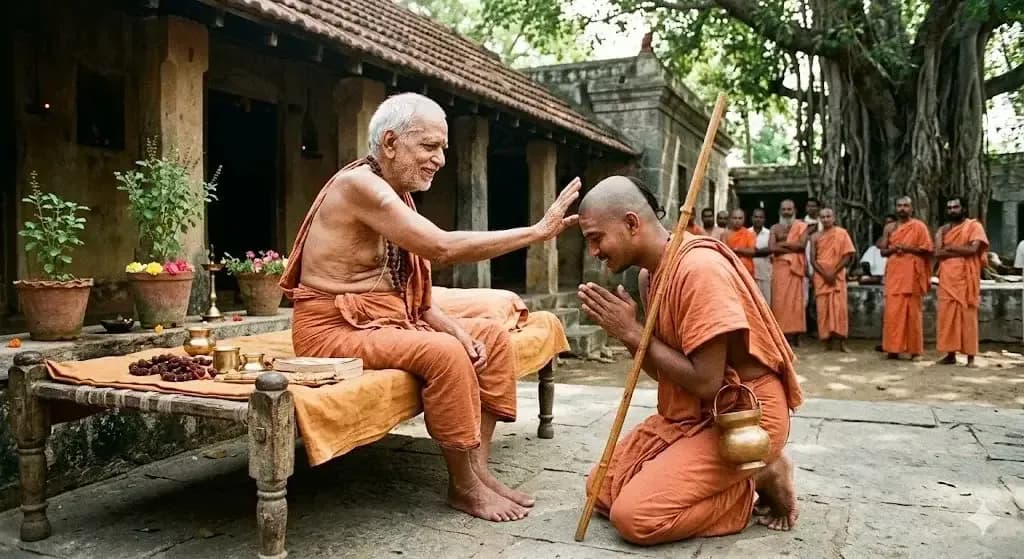
Shravana Masam 2025: A Sacred Journey of Devotion and Blessings
Shravana Masam, one of the holiest months in the Hindu calendar, holds immense spiritual significance for devotees of Lord Shiva and Goddess Lakshmi.
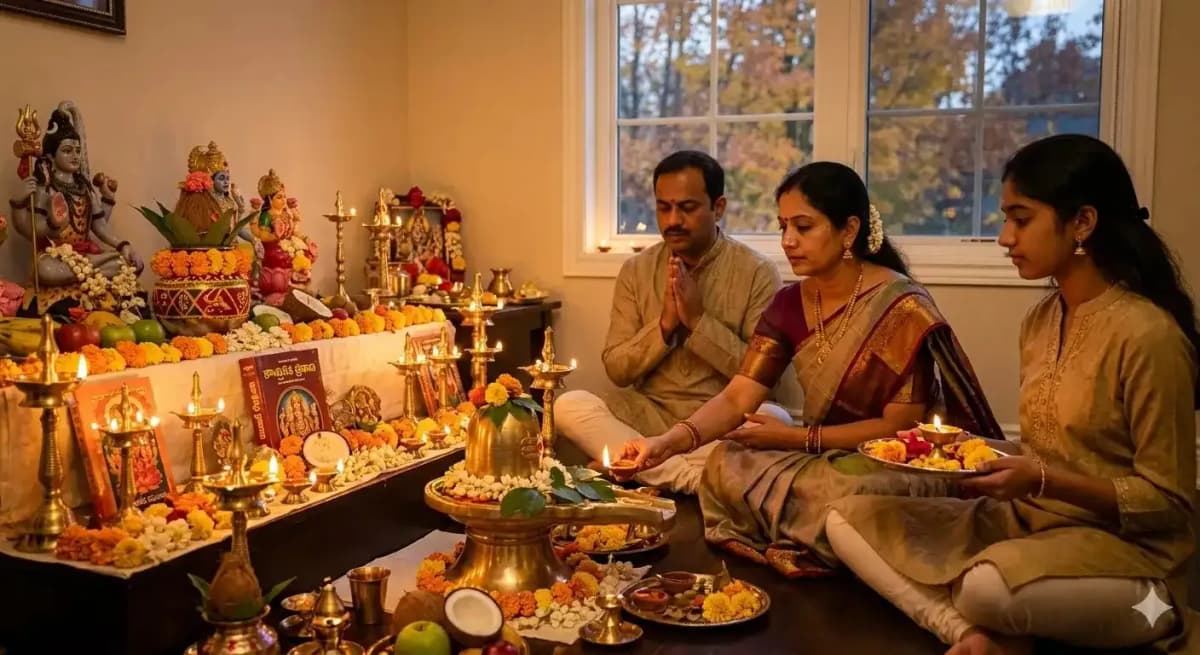
Shravana Masam, one of the holiest months in the Hindu calendar, holds immense spiritual significance for devotees of Lord Shiva and Goddess Lakshmi.
Shravana Masam, one of the holiest months in the Hindu calendar, holds immense spiritual significance for devotees of Lord Shiva and Goddess Lakshmi. In 2025, this sacred month concludes on August 23 as per the Amavasyant calendar followed in states like Andhra Pradesh, Telangana, Karnataka, Maharashtra, and Gujarat. However, for those following the Purnimant calendar in North Indian states, Shravan ends earlier on August 9. This month, filled with devotion, fasting, and vibrant festivals, offers a divine opportunity to deepen one’s spiritual connection and seek blessings for prosperity, health, and peace. Let’s explore the significance, rituals, and key observances of Shravana Masam 2025, culminating in the sacred Shravana Amavasya.
Why is Shravana Masam So Auspicious?
Shravana Masam derives its sanctity from the mythological event of Samudra Manthan (the churning of the cosmic ocean). According to Hindu scriptures, during this divine event, Lord Shiva consumed the deadly Halahala poison to protect the universe, earning the epithet Neelkanth (the blue-throated one). His selfless act is commemorated through intense devotion during this month, with devotees offering Bilva leaves, milk, and performing Rudrabhishekam to honor Lord Shiva.
Additionally, Shravana Masam is associated with Goddess Lakshmi, the deity of wealth and prosperity. Fridays during this month, known as Sravana Sukravaram, are particularly auspicious for performing Varalakshmi Vratam, a powerful ritual to invoke the goddess’s blessings. The alignment of the Shravan Nakshatra (constellation) further enhances the spiritual potency of this month, making it ideal for penance, charity, and worship.
Key Festivals and Rituals in Shravana Masam 2025
Shravana Masam is packed with festivals and rituals that cater to various aspects of spiritual and familial life. Here are the major observances in 2025:
1. Shravana Somvar Vrat (Mondays for Lord Shiva)
- Dates: July 28, August 4, August 11, August 18
- Devotees observe fasts on Mondays, known as Shravana Somvar, to honor Lord Shiva. Visiting Shiva temples, offering Panchamrit (a mixture of milk, curd, ghee, honey, and sugar), and chanting Om Namah Shivaya or the Maha Mrityunjaya Mantra are common practices. These fasts are believed to cleanse sins and bring peace and prosperity.
2. Mangala Gowri Vrat (Tuesdays for Married Women)
- Dates: July 29, August 5, August 12, August 19
- Married women observe this vrat to pray for the long life and well-being of their husbands. The ritual involves worshipping Goddess Gowri (Parvati) with offerings of turmeric, vermillion, and flowers, followed by performing aarti and sharing prasad.
3. Varalakshmi Vratam (Fridays for Prosperity)
- Date: August 8
- This is one of the most significant rituals of Shravana Masam, especially for women seeking prosperity and family well-being. Devotees worship Goddess Lakshmi with devotion, offering sweets, fruits, and flowers. The vrat is performed with strict adherence to rituals, including tying a sacred thread on the wrist.
4. Nag Panchami (Snake Worship)
- Date: August 2
- On this day, devotees worship snakes, considered sacred in Hinduism, to seek protection from harm and negative energies. Milk and sweets are offered to snake idols or images, and prayers are made to Lord Shiva and the Naga Devatas.
5. Raksha Bandhan (Celebrating Sibling Bonds)
- Date: August 12
- This festival celebrates the bond between siblings. Sisters tie a Rakhi (sacred thread) on their brothers’ wrists, praying for their long life, while brothers offer gifts and protection in return. The day is marked by love, unity, and familial harmony.
6. Krishna Janmashtami (Lord Krishna’s Birth)
- Date: August 18
- Celebrating the birth of Lord Krishna, devotees observe fasts, sing bhajans, and reenact scenes from Krishna’s life. Temples are adorned, and midnight prayers mark the moment of Krishna’s birth, accompanied by offerings of butter and sweets.
7. Shravana Amavasya (Polala Amavasya / Pithori Amavasya)
- Date: August 23
- The final day of Shravana Masam, known as Shravana Amavasya, is highly significant, especially in Telugu traditions. Devotees perform rituals to honor ancestors and seek blessings for spiritual liberation. This day marks the culmination of the month-long spiritual journey with intense devotion.
How to Observe the Last Days of Shravana Masam?
As Shravana Masam 2025 draws to a close on August 23, devotees can maximize their spiritual efforts with the following practices:
1. Visit Shiva Temples
- Visit a nearby Shiva temple and perform Abhishekam with milk, honey, curd, and water. Offer Bilva leaves, considered especially dear to Lord Shiva, and light diyas to invoke his divine presence.
2. Chant Sacred Mantras
- Recite powerful mantras like Om Namah Shivaya, Maha Mrityunjaya Mantra, or Shiva Tandava Stotram. These chants purify the mind, body, and soul, fostering a deeper connection with the divine.
3. Observe Fasting
- Follow a sattvic diet during the last days, avoiding onion, garlic, and non-vegetarian food. Many devotees observe partial or full fasts, consuming only fruits, milk, or light meals to maintain spiritual purity.
4. Engage in Charity
- Annadanam (offering food to the needy) is highly meritorious during Shravana Masam. Donating clothes, food, or money to the underprivileged is believed to attract divine blessings and cleanse karma.
5. Meditate and Reflect
- Spend time in meditation, focusing on gratitude and spiritual growth. Reflect on the month’s observances and set intentions for personal and familial well-being.
Spiritual Significance of Shravana Amavasya
Shravana Amavasya, the final day of the month, holds profound importance. Known as Polala Amavasya in Telugu traditions, it is a day to honor ancestors and perform Tarpanam (offerings to departed souls). Devotees also worship Lord Shiva and Goddess Parvati to seek liberation from the cycle of birth and death. The day is marked by rituals like Pithori Amavasya, where women pray for the well-being of their children.
This day is a reminder of the impermanence of life and the importance of spiritual discipline. By observing fasts, performing pujas, and engaging in acts of charity, devotees can cleanse negative karma and strengthen their spiritual resolve.
Tips for a Fulfilling Shravana Masam
- Plan Your Rituals: Mark the key dates for fasting and festivals in advance to ensure you can participate fully.
- Create a Sacred Space: Set up a small altar at home with idols or images of Lord Shiva, Goddess Lakshmi, and other deities for daily worship.
- Stay Consistent: Even simple acts like lighting a lamp or chanting mantras daily can amplify your spiritual energy.
- Involve Family: Encourage family members to participate in rituals, fostering unity and shared devotion.
- Seek Knowledge: Read scriptures like the Shiva Purana or Bhagavad Gita to deepen your understanding of the month’s significance.
Final Thoughts
Shravana Masam 2025, concluding on August 23, is a golden opportunity to immerse oneself in devotion, purify the soul, and seek divine blessings. Whether through fasting, chanting, or acts of charity, this sacred month allows devotees to connect with Lord Shiva and Goddess Lakshmi on a profound level. By observing the rituals and festivals with sincerity, one can cleanse negative karma, strengthen familial bonds, and pave the way for spiritual growth.
May the divine grace of Lord Shiva and Goddess Lakshmi shower upon you and your loved ones during this auspicious month. Embrace the spiritual journey, and let Shravana Masam 2025 be a time of transformation and divine connection.
For more devotional insights, rituals, and spiritual guidance, visit HinduTone.com to deepen your connection with Hindu traditions and practices.
Frequently Asked Questions
When is Shravana Masam?
Shravana Masam is observed on its traditional tithi in the Hindu lunar calendar; refer to the year's panchang for the exact date in your region.
What is the significance of Shravana Masam?
Shravana Masam, one of the holiest months in the Hindu calendar, holds immense spiritual significance for devotees of Lord Shiva and Goddess Lakshmi. In 2025, this sacred month concludes on August 23 as per the Amavasyant calendar followed in states like Andhra Pradesh, Telangana, Karnataka, Maharashtra, and Gujarat.
How is Shravana Masam celebrated?
Devotees observe it with puja, fasting or special offerings, visiting temples, chanting mantras, and gathering with family. Customs vary by region and tradition.
What should devotees do on Shravana Masam?
Take a sacred bath, perform the day's puja and charity (dana), observe any prescribed fast, and chant mantras with sincere devotion.
You might also like
Shani Deva Temples Worldwide & Must-Performed Rituals — Complete Devotee's Guide
June 2026 Hindu Festival Calendar — Complete Dates, Vrat & Puja Guide for NRIs
Panchangam Today — June 5, 2026, Friday (Krishna Paksha Panchami with Shravana Nakshatra)