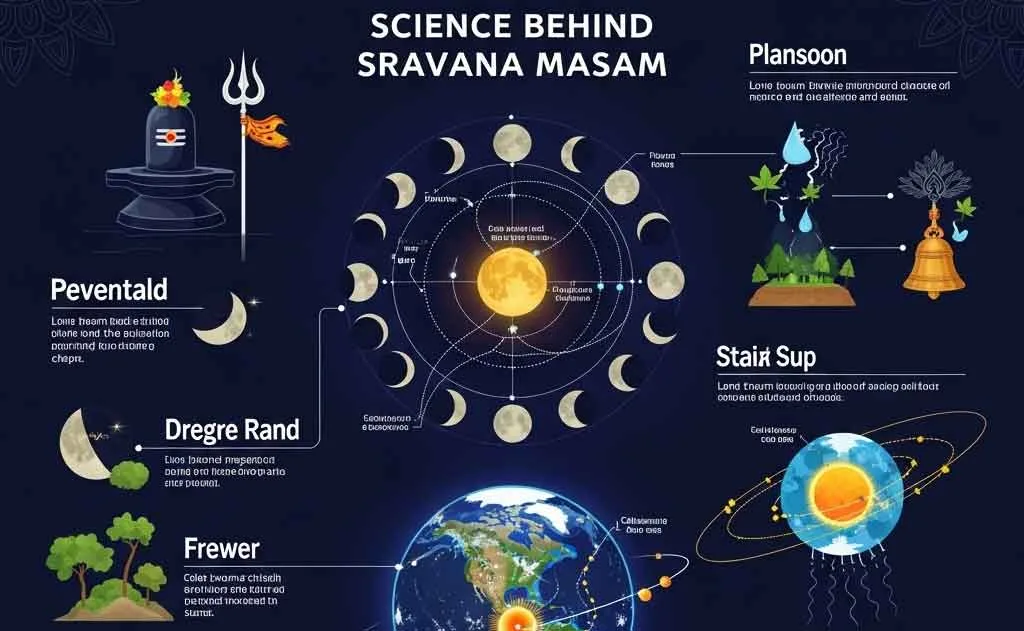
Sravana Masam Fasting Benefits: Spiritual & Ayurvedic Health Advantages
Introduction: Why Fasting in Sravana Masam is PowerfulSravana Masam (July-August) is considered the holiest month in Hinduism, especially for devotees of Lord…
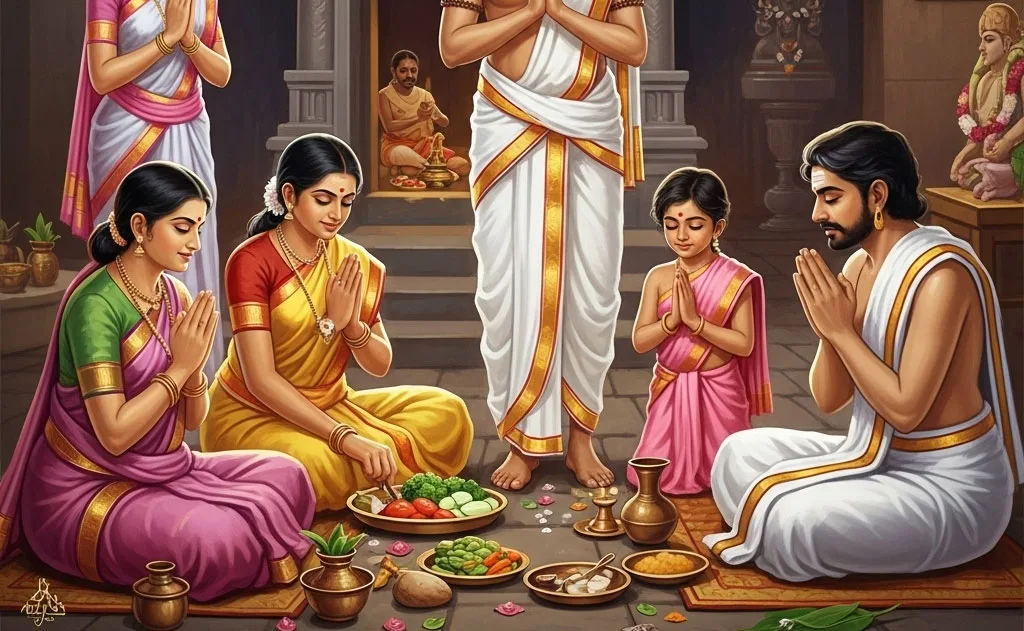
Introduction: Why Fasting in Sravana Masam is PowerfulSravana Masam (July-August) is considered the holiest month in Hinduism, especially for devotees of Lord…
Introduction: Why Fasting in Sravana Masam is Powerful
Sravana Masam (July-August) is considered the holiest month in Hinduism, especially for devotees of Lord Shiva and Goddess Lakshmi. Beyond religious significance, fasting during this period aligns with Ayurvedic principles of seasonal detoxification.
In this 1500+ word guide, we explore:
- Spiritual benefits of Sravana fasting (Mondays & Fridays)
- Ayurvedic health advantages backed by science
- Traditional fasting foods (sattvic diet)
- Mantras & meditation for mental clarity
1. Spiritual Benefits of Sravana Masam Fasting
1.1 Purification of Mind & Soul
Fasting (Upavasa) is believed to reduce ego and increase self-discipline.
Lord Shiva’s blessings are said to be strongest during Sravana Somvar Vrat (Monday fasts).
Devotees report enhanced focus during prayers due to controlled eating.
1.2 Fulfillment of Wishes (Manokamana Siddhi)
Mythological belief: Goddess Parvati observed Sravana fasts to win Shiva’s heart.
Modern devotees fast for marital harmony, career success, and health.
1.3 Strengthening Planetary Influences
Astrologically, fasting on:
- Mondays (Shiva) balances Chandra (Moon)
- Fridays (Lakshmi) strengthens Shukra (Venus)
2. Ayurvedic & Health Benefits of Sravana Fasting
2.1 Monsoon Detoxification (Ritucharya)
Ayurveda recommends fasting in monsoon (Varsha Ritu) to:
- Flush toxins (Ama) due to sluggish digestion.
- Boost immunity before winter.
Science-backed benefits:
- Autophagy (cellular cleansing) triggered by intermittent fasting.
- Improved gut health from light, sattvic meals.
2.2 Weight Management & Metabolism
- Sabudana (Tapioca) & Singhara Atta (Water Chestnut Flour) provide energy without fat.
- Rock salt (Sendha Namak) maintains electrolyte balance.
2.3 Mental Clarity & Stress Relief
- Fasting combined with meditation increases BDNF (Brain-Derived Neurotrophic Factor) for cognitive health.
- Mantra chanting (Om Namah Shivaya) reduces cortisol (stress hormone).
3. Traditional Sravana Fasting Foods (Sattvic Diet Plan)
3.1 What to Eat?
3.2 What to Avoid?
- Onion, Garlic (Tamasic foods)
- Non-vegetarian food
- Alcohol & caffeine
4. Step-by-Step Sravana Fasting Rituals
4.1 Morning Routine
- 5 AM: Wake up, drink warm lemon water (detox).
- 6 AM: Chant Mahamrityunjaya Mantra (for longevity).
4.2 Fasting Rules
- Ekadashi-style fast: No grains, only fruits & milk.
- Partial fast: One meal before sunset.
4.3 Evening Puja
- Offer milk & bilva leaves to Shiva Lingam.
- Light a ghee lamp for Goddess Lakshmi.
5. Scientific Studies Supporting Hindu Fasting
5.1 Intermittent Fasting & Longevity
- A 2023 NIH study found fasting reduces inflammation.
- Harvard Research: Fasting improves insulin sensitivity.
5.2 Meditation & Brain Health
- MRI scans show chanting Om activates the prefrontal cortex (decision-making).
6. Frequently Asked Questions (FAQ)
Q1. Can I drink coffee during Sravana fast?
No. Opt for herbal teas (Tulsi, Ginger).
Q2. Is fasting safe for diabetics?
Consult a doctor. Alternatives: Fruit fasting.
Q3. Why is rock salt used instead of regular salt?
Ayurveda says it’s lighter & alkalizing.
Conclusion: A Month of Healing & Devotion
Sravana Masam fasting is more than a religious practice—it’s a holistic wellness ritual combining spirituality, Ayurveda, and modern science. Whether you seek divine blessings or better health, this sacred month offers transformative benefits.
What Do the Vedas and Puranas Actually Say About Sravana Upavasa?
The Skanda Purana dedicates several adhyayas (chapters) within its Shiva Khanda to the observance of Sravana Somvar Vrat, describing it as one of the twelve most meritorious monthly fasts a Shiva devotee can undertake. The text states that Lord Shiva himself chose Sravana Masa as the period when his cosmic energy (Shiva Shakti) is most accessible to devotees on earth, because it coincides with the descent of the Ganga from the celestial realm — symbolised by the monsoon rains.
The Shiva Purana's Vidyeshvara Samhita further explains the concept of Upavasa not merely as abstinence from food but as dwelling near the divine (upa = near, vasa = dwelling). Fasting is thus framed as an interior act of proximity to Shiva, not a physical feat. The Rigveda (Book X, Hymn 136) also references tapas and regulated eating as tools by which the Muni (sage) attains heightened perception — a passage frequently cited in the context of austere seasonal vows.
Additionally, the Devi Bhagavata Purana recounts Goddess Parvati's prolonged Sravana fasting under the Nanda Vriksha tree, observing nirjala (waterless) vrat on certain days to secure Shiva's acceptance. This narrative is the foundational mythological reason why women in Maharashtra, Uttar Pradesh, and Andhra Pradesh continue the Mangala Gauri Vrat and Solah Somvar Vrat specifically during this month.
How Does Ayurvedic Ritucharya Define the Dos and Don'ts of Varsha Ritu Fasting?
Charaka Samhita (Sutrasthana, Chapter 6) lays out the Ritucharya — the seasonal regimen — for Varsha Ritu (monsoon, roughly mid-July to mid-September), which overlaps almost exactly with Sravana Masam. The text warns that Agni (digestive fire) is at its weakest during the monsoon because the atmosphere is heavy with moisture and vata dosha becomes aggravated. For this reason, Ayurveda recommends light, warm, easily digestible meals — precisely the character of traditional fasting foods like kuttu (buckwheat), samak rice, and boiled aloo with sendha namak.
Ashtanga Hridayam by Vagbhata reinforces this by advising the use of old grains (purana dhanya), rock salt, and honey during Varsha Ritu and explicitly discourages raw vegetables, heavy pulses, and river water — all practices mirrored in the Sravana fasting food code. The avoidance of regular table salt (which may aggravate water retention when digestion is sluggish) and its replacement with sendha namak is therefore not merely a religious convention but a direct Ayurvedic prescription.
One practical guideline from Ritucharya that devotees often overlook is Vyayama pramana — the reduction of strenuous physical exercise during the monsoon. Charaka advises moderate walks and light yoga rather than intense activity, as the body is simultaneously managing weakened Agni and elevated external dampness. Pairing a light Sravana fast with gentle pranayama such as Anuloma Viloma or Bhramari thus aligns both the spiritual intention and the Ayurvedic health protocol.
Which Temples and Pilgrimage Sites Are Central to Sravana Fasting Traditions?
The twelve Jyotirlinga shrines hold the highest significance during Sravana Masam, and pilgrims observe their vrats specifically timed to coincide with darshan at these sites. Shri Somnath Jyotirlinga in Prabhas Patan (Gujarat), Shri Mahakaleshwar Jyotirlinga in Ujjain (Madhya Pradesh), and Shri Kashi Vishwanath Jyotirlinga in Varanasi (Uttar Pradesh) witness their largest annual footfall during Sravana Mondays. At Varanasi, the tradition of Kanwar Yatra — carrying Ganga jal by foot from Gangotri or Haridwar to local Shiva temples — reaches its peak during this month, with participants observing strict upavasa throughout the journey.
In South India, the Sravana festival takes a distinct form centred on Goddess Lakshmi. The Varalakshmi Vratam, observed on the Friday before the full moon (Purnima) of Sravana, is especially prominent in Andhra Pradesh, Telangana, Karnataka, and Tamil Nadu. Devotees fast through the day and offer elaborate naivedyam at household shrines or at temples such as the Sri Padmavathi Ammavari temple in Tiruchanur near Tirupati (Andhra Pradesh). The fast breaks only after the evening puja and tying of the sacred thread (Raksha) on the kalasha.
In Maharashtra, the Mangala Gauri Vrat observed by newly married women on all four Tuesdays of Sravana is tied to temples of Goddess Gauri across the Deccan Plateau, with special significance given to the Mahalakshmi temple at Kolhapur and the Tulaja Bhavani temple at Tuljapur. Fasting here involves consuming only one meal of sabudana khichdi or fruit, maintaining mental purity through abstention from harsh speech (vak shuddhi) — an often-overlooked dimension of the upavasa discipline.
What Is the Significance of the Pradosha Vrat Within Sravana Masam?
Pradosha Vrat falls on the Trayodashi tithi (thirteenth lunar day) of both the waxing (Shukla Paksha) and waning (Krishna Paksha) fortnights every month, but the two Pradoshas that occur within Sravana Masam are considered especially potent. According to the Shiva Purana's Dharma Samhita, Shiva and Parvati are said to dance on Mount Kailasa during the Pradosha twilight hour, and all devas, Navagrahas, and rishis gather to witness this cosmic dance (Pradosha Nritya). Fasting through the day and performing abhishekam with milk, honey, and bel leaves (Aegle marmelos) during the one-and-a-half-hour twilight window is believed to grant the merit of an Ashvamedha yajna.
The Bel Patra (Bilva leaf) offered during Pradosha puja deserves special mention: the Shiva Purana states that each three-lobed Bilva leaf represents the three eyes of Shiva (Tryambaka), and offering even a single fresh leaf with sincere intent during Sravana equals the merit of offering gold. Devotees who fast during Sravana Pradosha typically break their fast only after the puja is complete, consuming a simple meal of milk and fruits, keeping the sattvic quality of the day intact.
How Should Beginners Structure a Sravana Monday Fast From Morning to Evening?
For first-time observers of Sravana Somvar Vrat, the traditional structure begins with Brahma Muhurta (approximately 4:30–6:00 AM) — rising, bathing, and lighting a diya of pure ghee before a Shiva linga or image. The Panchakshara Mantra 'Om Namah Shivaya' is chanted 108 times using a Rudraksha mala, ideally facing east or north. This early morning practice is said in the Shiva Purana to invoke the blessings of Shiva before the mind becomes engaged with worldly concerns.
Through the day, the devotee abstains from cereals, non-vegetarian food, onion, garlic, and regular salt. Permitted foods include sabudana khichdi prepared in ghee with cumin and green chilli, kuttu ki roti with curd, singhara atta halwa, boiled sweet potatoes, fresh fruits, and milk. These foods keep blood sugar stable and provide slow-release energy, supporting both the religious intention and Ayurvedic guidance on light monsoon digestion.
The fast breaks in the evening after the Pradosh kaal puja — ideally between sunset and one hour forty-eight minutes later. The breaking meal (parana) should be simple: milk, a banana, or a small quantity of the fasting foods eaten during the day. Abruptly eating a heavy meal after a day-long fast aggravates Vata and Pitta, so Ayurveda recommends reintroducing heavier foods the following morning rather than at the breaking of the fast itself. Maintaining this discipline across all four or five Mondays of Sravana is considered the complete fulfilment of the Somvar Vrat sankalpa.
Frequently asked questions
Which days are fasts observed in Sravana Masam?
Mondays, the Sravana Somvar Vrat, are observed for Lord Shiva, and Fridays for Goddess Lakshmi. In Maharashtra, newly married women also keep Mangala Gauri Vrat on the Tuesdays of the month.
Can I drink coffee during the Sravana fast?
No. Opt for herbal teas such as tulsi or ginger instead. Alcohol, onion, garlic and non-vegetarian food are also avoided.
Why is rock salt used instead of regular salt in Sravana fasting?
Rock salt (sendha namak) is considered lighter and is recommended by Ayurvedic tradition for the monsoon season. It is used alongside foods like sabudana, singhara atta, kuttu and samak rice.
Is fasting safe for diabetics during Sravana Masam?
Consult a doctor before fasting. A fruit fast is mentioned as an alternative to stricter fasting.
What are the common fasting rules for Sravana?
An Ekadashi-style fast means no grains, only fruits and milk, while a partial fast means one meal before sunset. The evening puja offers milk and bilva leaves to the Shiva Lingam and a ghee lamp to Goddess Lakshmi.
What is Varalakshmi Vratam in Sravana Masam?
It is observed on the Friday before the full moon (Purnima) of Sravana, especially in Andhra Pradesh, Telangana, Karnataka and Tamil Nadu. Devotees fast through the day, and the fast breaks after the evening puja and tying of the sacred thread on the kalasha.
You might also like
Sravana Masam for Newlyweds: Rituals for a Happy Married Life
Why Sravana Masam is the Best Time for Property & Gold Investments

DIY Sravana Masam Home Decor: Traditional Torans & Puja Setup Ideas