
Anant Chaturdashi
Anant Chaturdashi holds a double significance for many Hindu families. It is the day devotees worship Lord Vishnu as Ananta, the infinite, and tie the sacred Anant sutra while praying for the family's protection. In much of western and southern India it is also the day on which the Ganesh Chaturthi festival traditionally concludes with Ganesh visarjan.
The Anant vrat is linked with stories from the Puranas and is especially dear to families who follow the Ananta Padmanabha tradition. Observed in the Bhadrapada Month, it is approached by devotees as a time for gratitude and steady faith rather than grand display, while the visarjan processions bring entire neighbourhoods together.
On this page you will find guides to the Anant vrat and its katha, explanations of the sacred thread and its meaning, Ganesh visarjan guides including eco-friendly options, and articles for families marking the day in India and abroad.
Latest Articles
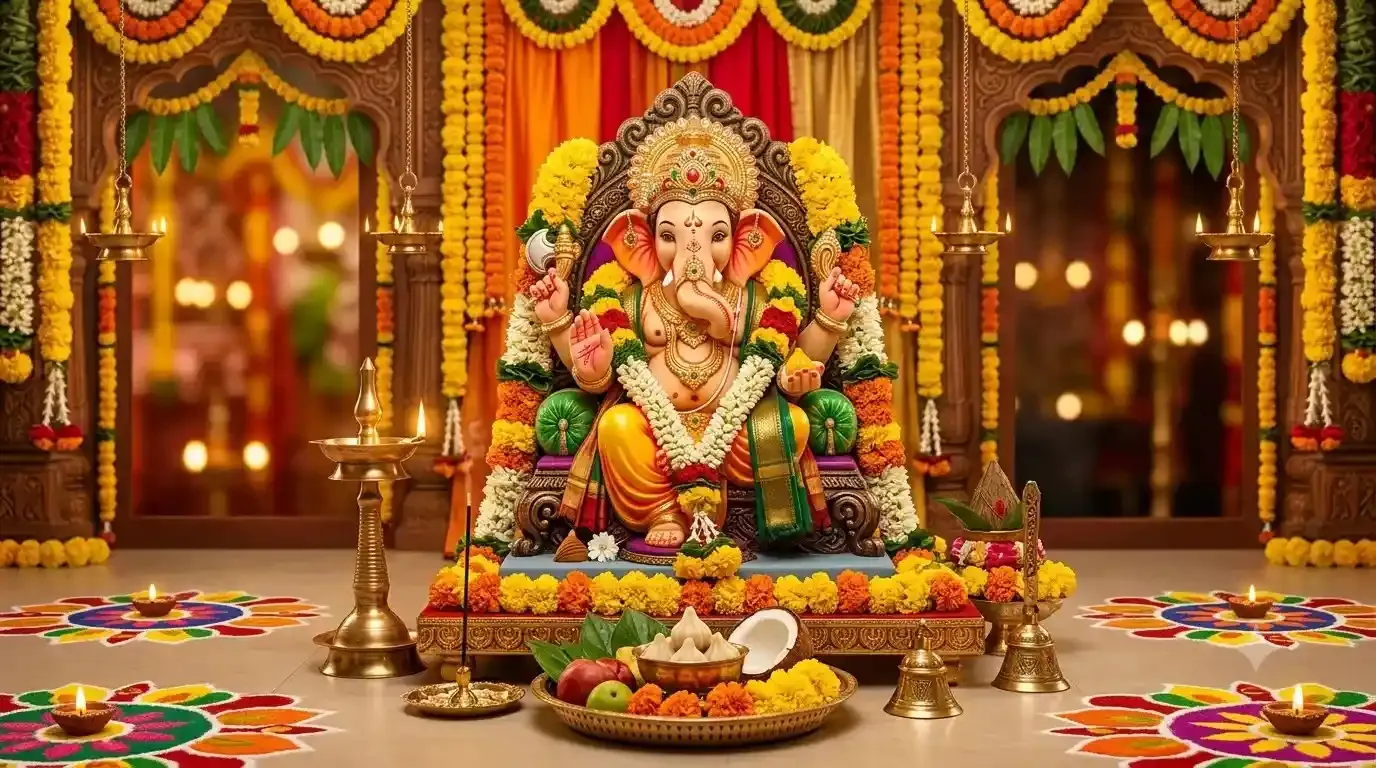
Ganesh Visarjan in the USA: Permits, Rules & Eco-Friendly Options
Ganesh Visarjan 2026 in North India: Delhi, Lucknow and Beyond, a Complete Guide
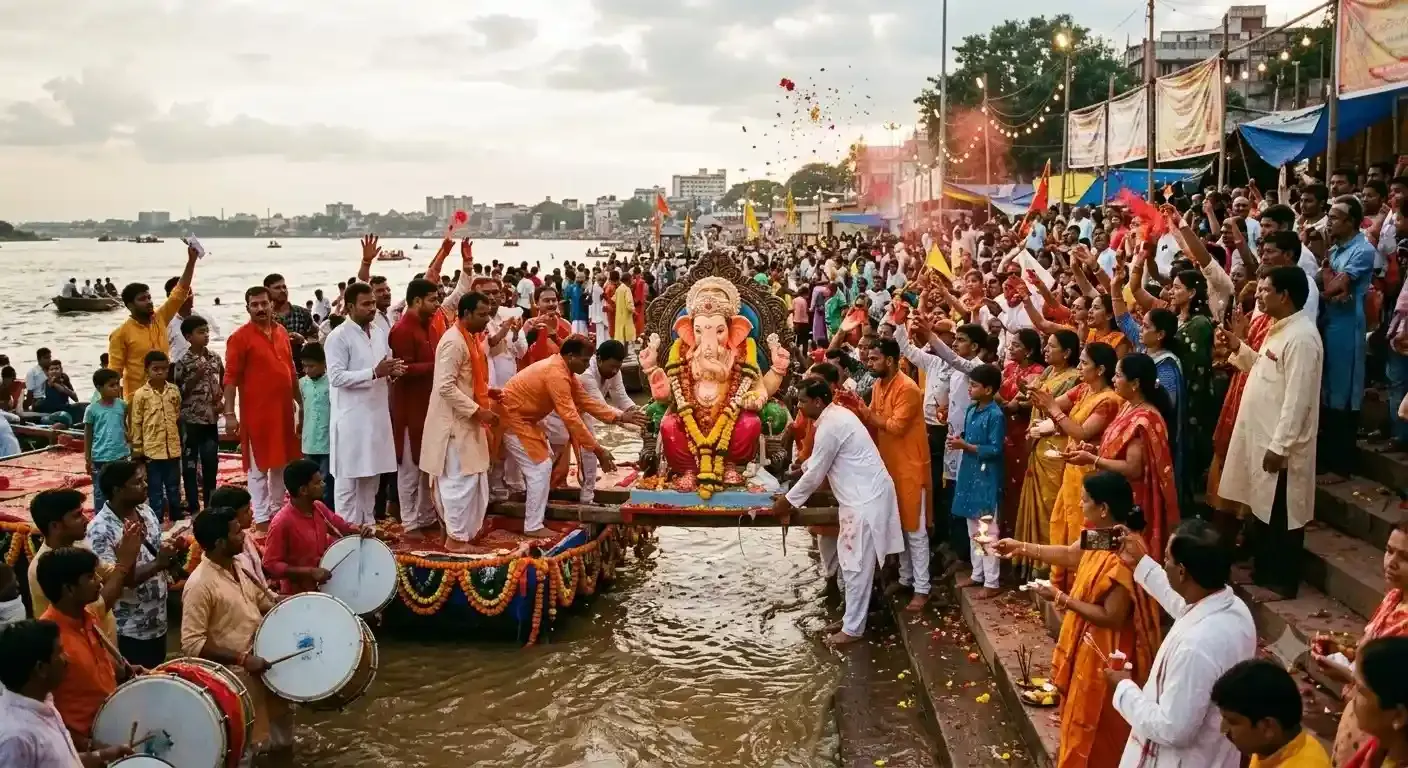
Ganesh Visarjan Mantra: Sanskrit Text, Meaning, Samagri and Step-by-Step Visarjan Vidhi
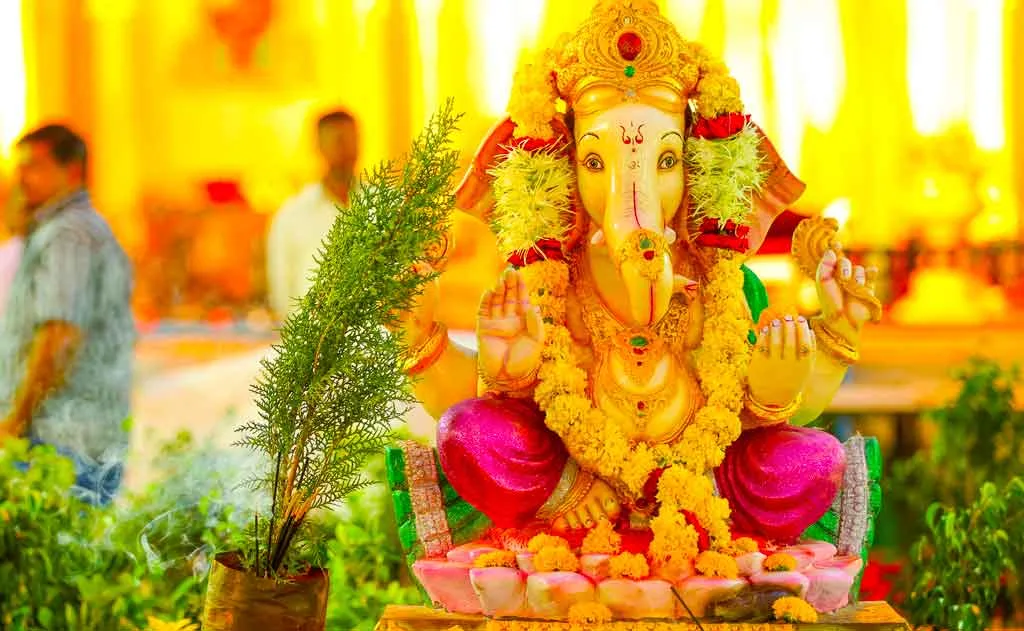
Anant Chaturdashi 2026 — Date (September 5), 14-Knot Vishnu Thread Puja Vidhi, Mantras & NRI Guide
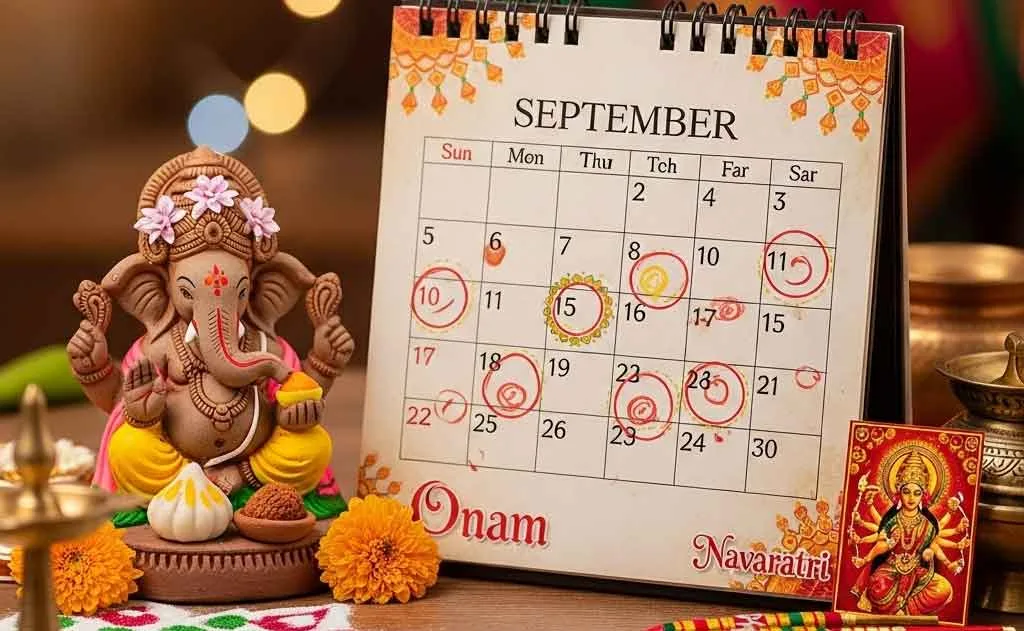
September 2026 Hindu Festival Calendar: Janmashtami, Ganesh Chaturthi, Anant Chaturdashi & Pitru Paksha Dates
Ganesh Visarjan 2026 and 2027: Dates, Vidhi, Samagri and Eco-Friendly Immersion
Ganesh Chaturthi to Ananta Chaturdashi: The Cycle of Creation and Dissolution

Anant Chaturdashi 2025: Complete Guide to Date, Rituals, and Significance

FAQs
What is Anant Chaturdashi?
Anant Chaturdashi is dedicated to Lord Vishnu in his infinite (Ananta) form, often shown resting on the serpent Adishesha. Devotees observe the Anant Vrat and tie a sacred thread with fourteen knots on the arm. In Maharashtra and many other places it is also the day of the final Ganesh immersion.
When is Anant Chaturdashi?
It falls on the fourteenth day (Chaturdashi) of the bright fortnight of Bhadrapada, usually in late August or September, about ten days after Ganesh Chaturthi. The exact date changes each year with the lunar calendar, so check our panchang before planning the vrat or visarjan.
How is the Anant Vrat performed?
Devotees bathe early, set up an image of Lord Vishnu or Ananta Padmanabha, and worship a sacred thread (Anant sutra) with flowers, sandal paste and naivedya. The Anant Vrat katha is read, and the thread is then tied on the right arm for men and the left for women. Family customs may differ.