Ahilyabai Holkar: Temple Architecture & Sacred Legacy
Ahilyabai Holkar (1725–1795), the Holkar queen of Maheshwar, rebuilt Kashi Vishwanath in 1780 and revived temples and ghats across India — a legacy of devotion and selfless service.
In short: Ahilyabai Holkar (1725–1795), the Holkar queen who ruled from Maheshwar, was among the greatest temple builders in Indian history — most famously rebuilding the Kashi Vishwanath Temple in 1780 — in a restrained, pilgrim-first style devoted to reviving ancient sacred sites rather than personal glory.
Ahilyabai Holkar (1725–1795) is remembered not only as a wise and just ruler of the Holkar dynasty, but as one of the most prolific temple builders the Indian subcontinent has known. From her capital at Maheshwar on the banks of the Narmada, she devoted a large share of her resources to building, restoring and endowing temples, ghats, wells and rest-houses across the length of Bharat. Her 300th birth anniversary, commemorated in 2025, renewed interest in this remarkable legacy of dharma and seva.
A philosophy of devotion, not display
Unlike rulers who raised monuments to their own name, Ahilyabai built sacred spaces to serve pilgrims and honour the divine. Her architectural approach was guided by a few clear principles:
- Simplicity and elegance — clean lines and functional form over heavy ornamentation.
- Pilgrim-centric design — wide courtyards, clear pathways, ghats and water access, built for the comfort of ordinary devotees.
- Durability — local stone and time-tested construction techniques meant to last for centuries.
- Restoration of tirthas — she prioritised reviving ancient, damaged sacred sites over building anew.
- A meditative atmosphere — spaces that turned the mind naturally toward prayer.
Hallmarks of an Ahilyabai temple
- A classical Hindu layout — sanctum (garbhagriha), hall (mandapa) and spire (shikhara).
- A subtle blend of Maratha elements with North-Indian temple traditions.
- Predominantly stone construction with restrained, dignified carving.
- Well-planned courtyards and, beside rivers, ghats and steps for ritual bathing.
- A design that draws the eye to the deity rather than to decoration.
The temples and sacred works she revived
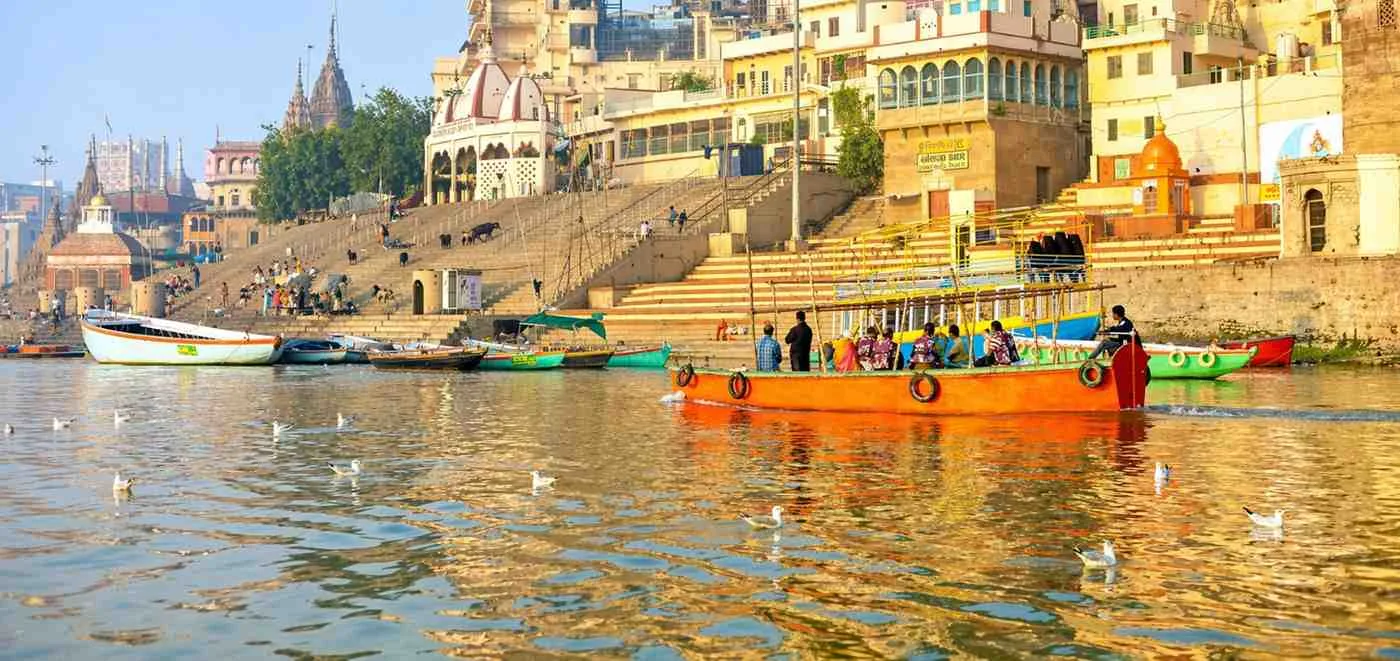
Kashi Vishwanath Temple, Varanasi (rebuilt 1780). Her most celebrated work — the reconstruction of the Kashi Vishwanath Jyotirlinga temple. The structure she built stood as the heart of Shiva devotion in Kashi for more than two hundred years.
Maheshwar. In her own capital she built temples and the famous ghats on the Narmada, blending civic and spiritual life along the river.
Jyotirlinga and tirtha sites across India. She contributed to development and restoration at sacred sites including Omkareshwar on the Narmada, Somnath in Gujarat, Gaya, Ujjain and many more — part of a vast programme of ghats, wells, dharmashalas and shrines that knit together India’s pilgrimage geography.
A legacy carved in stone and devotion
Ahilyabai’s contribution went far beyond individual buildings. She helped revive ancient pilgrimage centres at a difficult moment in history, set a model of accessible and spiritually uplifting sacred space, and showed that temple-building could be an act of selfless service rather than a display of power. Many of the temples, ghats and rest-houses she endowed remain living centres of worship today — a quiet, enduring monument to faith and good governance alike. Her spirit of restoration echoes in later revivals, from Somnath to the rebuilt sacred precincts of Kashi and beyond.
Related reading
- Complete guide to visiting the Kashi Vishwanath Temple
- The 12 Jyotirlingas — complete darshan & pilgrimage guide
- Somnath — the first and most powerful Jyotirlinga, rebuilt
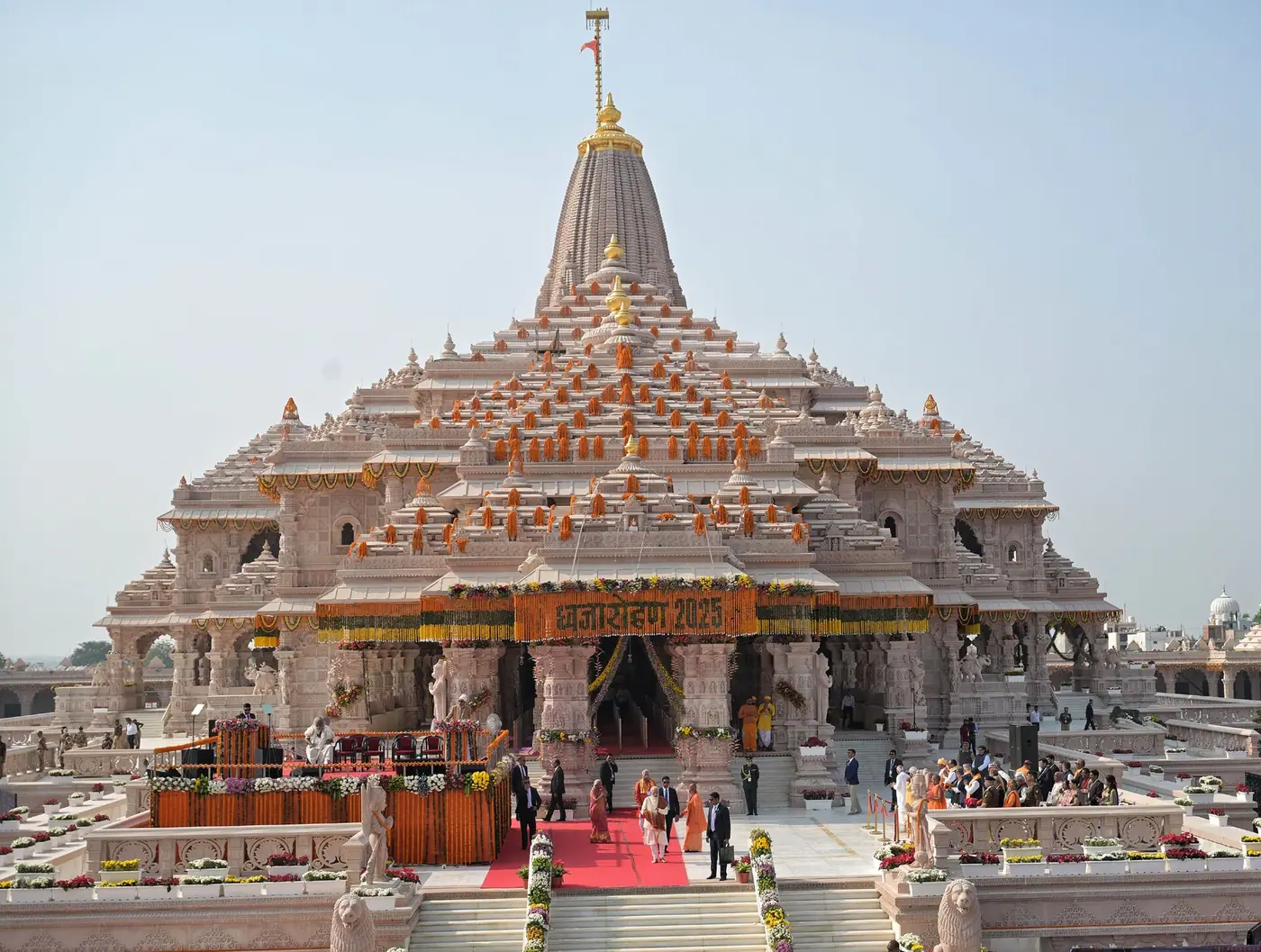
- Ayodhya Ram Mandir — history, significance & architecture
Frequently Asked Questions
Which is the most famous temple rebuilt by Ahilyabai Holkar?
The Kashi Vishwanath Temple in Varanasi, which she had reconstructed in 1780. The structure she built remained the heart of Shiva worship in Kashi for over two centuries.
What style of architecture did Ahilyabai Holkar favour?
She favoured a restrained, pilgrim-centric style that blended classical Hindu temple form (garbhagriha, mandapa, shikhara) with subtle Maratha influences — durable stone construction, clean lines, and functional courtyards and ghats rather than ostentation.
Did Ahilyabai Holkar build only Shiva temples?
No. Though she was deeply devoted to Lord Shiva, she funded and restored temples, ghats, wells and dharmashalas for many deities and at many sacred sites across India, from Somnath in the west to Gaya and Kashi in the north and east.
When did Ahilyabai Holkar live?
Ahilyabai Holkar lived from 1725 to 1795 and ruled the Malwa territory of the Holkar dynasty from her capital at Maheshwar on the banks of the Narmada. Her 300th birth anniversary was widely commemorated in 2025.
Why is her temple-building considered unique?
Because it was an act of devotion and public service (seva) rather than personal glory — she rebuilt ancient tirthas that had been damaged, and designed for the comfort of ordinary pilgrims, leaving a network of sacred infrastructure still in use today.
Share this with family and friends
Send it on WhatsApp, post it, or copy the link.
More from Temples
- Famous Temples in Gujarat: A Source-Checked Guide to Somnath, Dwarka, Dakor, Ambaji, Modhera and More
- Famous Temples in Madhya Pradesh: A Source-Checked Guide to Mahakaleshwar, Omkareshwar, Khajuraho, Orchha and Datia
- Famous Temples in Kerala: A Source-Checked Guide to Guruvayur, Padmanabhaswamy, Vadakkunnathan, Attukal, Sabarimala and 70 More
- Famous Temples in Andhra Pradesh: A Source-Checked Guide from Tirumala and Simhachalam to Srikurmam, Lepakshi and Kanipakam
- Famous Temples in Karnataka: A Source-Checked Guide to Kukke, Kollur, Mysuru, Melukote, Hampi and More
You might also like
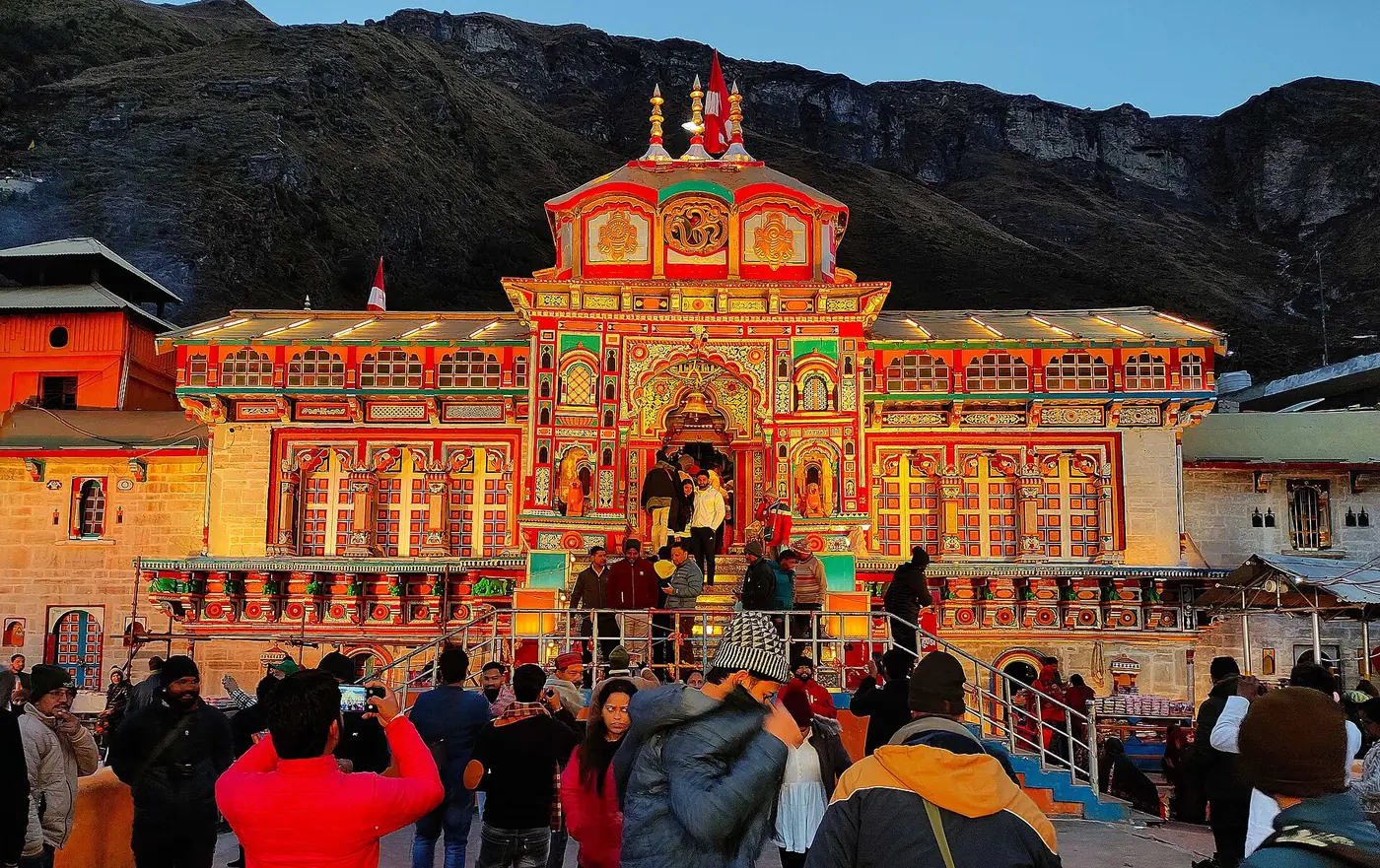
Famous Temples in Uttarakhand: A Source-Checked Guide to Kedarnath, Badrinath, Tungnath, Haridwar, Almora and More
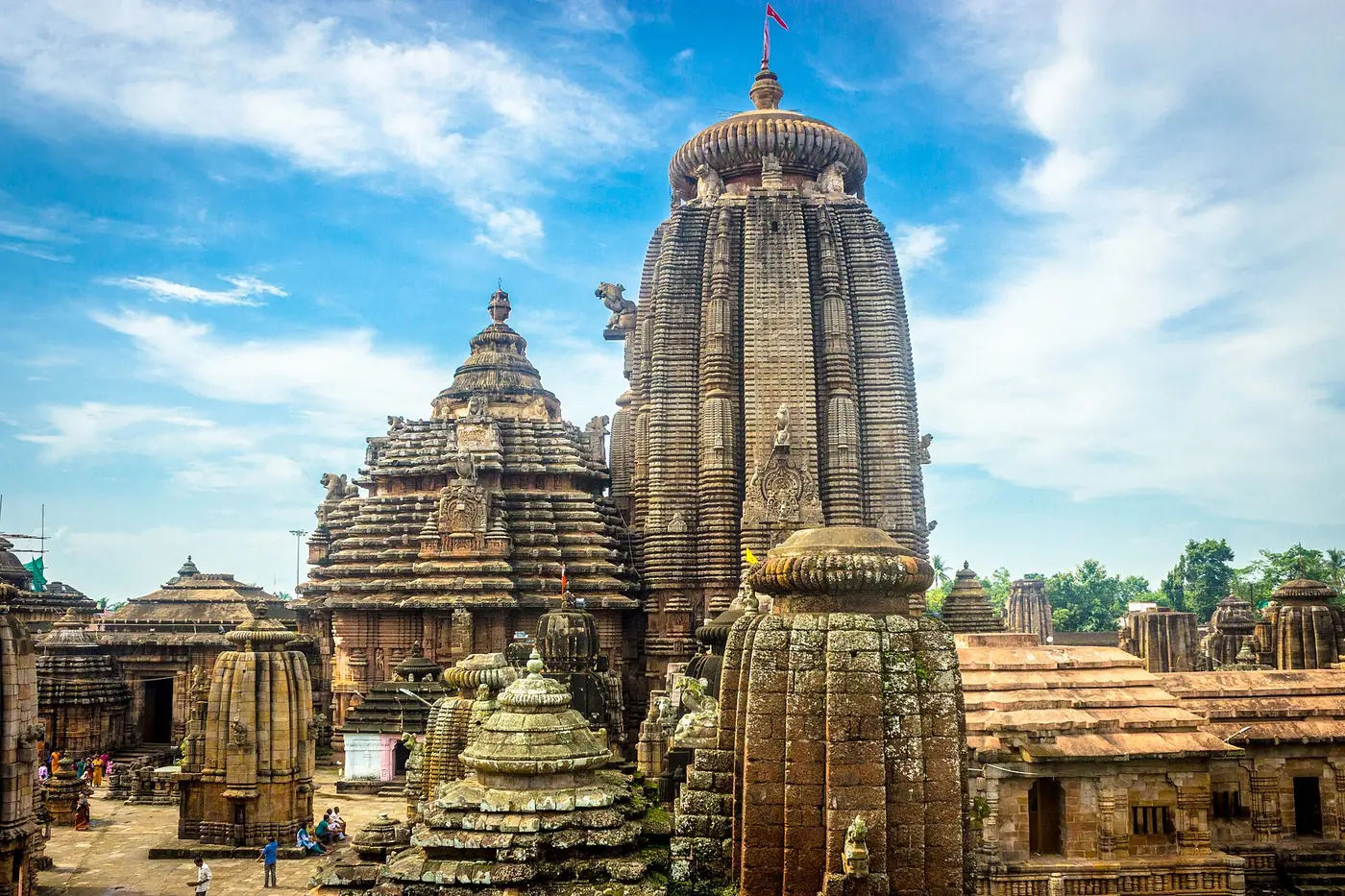
Famous Temples in Odisha: A Source-Checked Guide to Puri, Bhubaneswar, Biraja, Tara Tarini and Western Odisha
Famous Temples in West Bengal: A Source-Checked Guide to Kalighat, Dakshineswar, Tarapith, Bansberia, Bishnupur and More