Beechupally Anjaneya Swamy Temple
History of 200-year-old Beechupally Anjaneya Swamy Temple Lord Hanuman is one of the principal gods in Hinduism and is worshipped by all the devotees in the…
History of 200-year-old Beechupally Anjaneya Swamy Temple Lord Hanuman is one of the principal gods in Hinduism and is worshipped by all the devotees in the…
History of 200-year-old Beechupally Anjaneya Swamy Temple
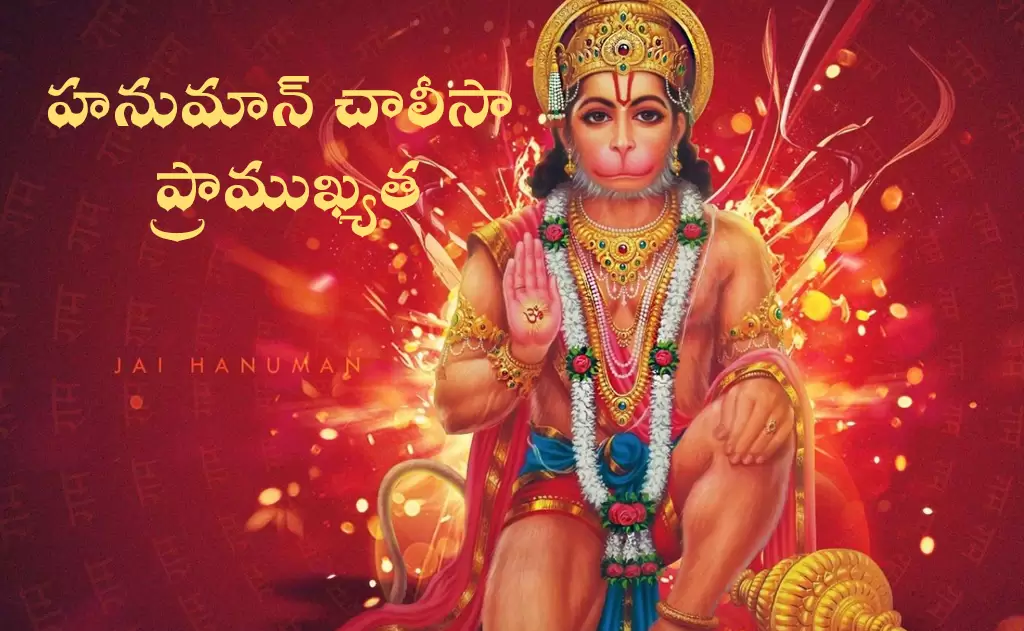
Lord Hanuman is one of the principal gods in Hinduism and is worshipped by all the devotees in the Kalyugam. He is considered the eleventh avatar of Lord Shiva. Hanuman here is also known as Mahavir and Sri Anjaneya Swamy. Lord Hanuman is believed to be the living God of the Universe as he is considered as the immortal deity and is assumed to solve the problems of the people immediately after their wish proving right the name given “SankatMochan Anjaneya”.
Let us discuss the history of this 200-year-old grand temple in India.
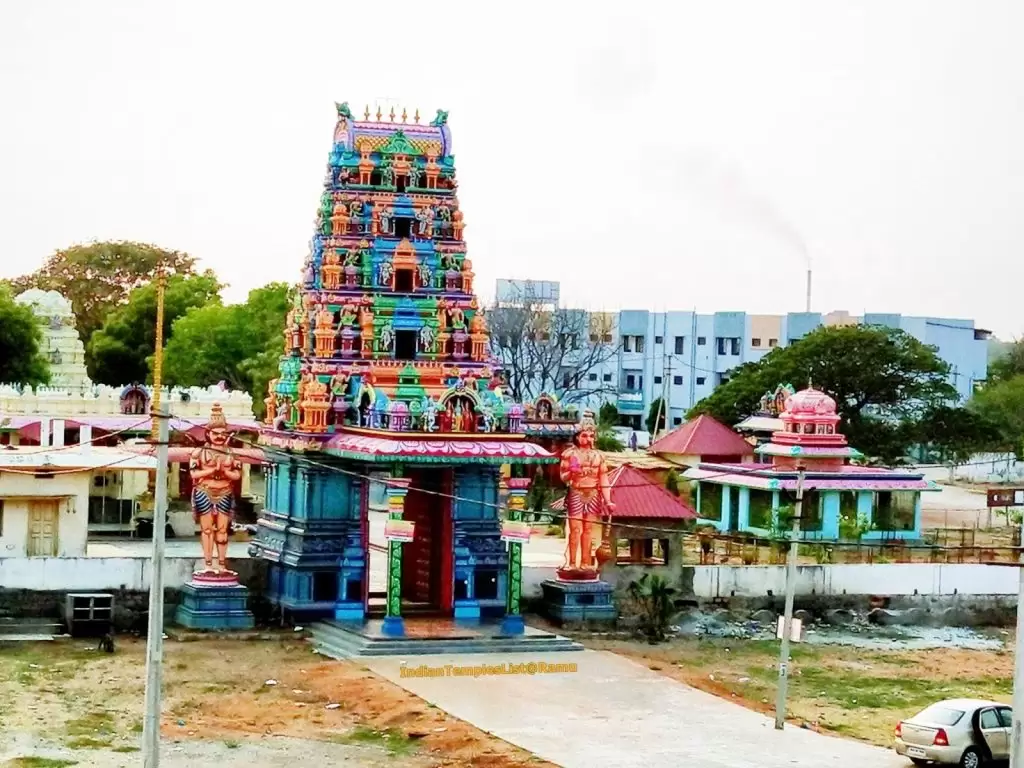
Lord Anjaneya is considered the strongest and brave is worshipped in many temples in the country which also have spiritual powers. Many of these temples are famous for their unique architectural styles. Among all these, one such temple is the Beechupalli Anjaneya Swamy Temple located in Mahabubnagar district in Telangana State. The temple is located on NH-7 at a distance of about 200 meters from the Divine River Krishna. The idol of the presiding God is Lord Anjaneya which belongs to the 16th century.
The two islands “Gurram Gadda” and “Nizam Konda” are close to the temple premises. Gurram Gadda has now turned into a fertile land from Island whereas the other island, Nizam Konda is smaller and is closer to the Anjaneya temple. People of the neighboring areas believe Beechupalli Lord Hanuman as their family God to be worshipped. People of this place also celebrate the Pushkaralu which is the festival celebrated in honor of River Krishna held once in 12 years with joy.
Beechupally Anjaneya Swamy Temple was built 200 years ago with South Indian style of architecture. According to stories, the Idol of Lord Anjaneya was installed by “Sri Vyasaraja”. After placing, he left and started thinking that he will be moving out of this place then who performs Pooja and other rituals. That night Lord Sri Anjaneya appeared in his dream and gave a solution stating that a young tribal boy named “Beechupally” offers prayers for the Idol every day and from then the place is called Beechupally and the God is known as “Beechupally Rayudu”. After years Madhwa Brahmins and Gadwal Rulers are allowed to perform rituals at the temple with devotion.
Gadwal Rulers will conduct the sacred chariot festival every year and give support to this temple. For every twelve years, Krishna Pushkaras is held to honor the river. Devotees here believe that the water of the Krishna River during Pushkaras will have supernatural powers to cure people's illnesses.
This is the history of Beechupally Anjaneya Swamy Temple. A must-visit the divine place to be visited and one of the famous tourist spots.
Who was Sri Vyasaraja and why is his connection to this temple significant?
Sri Vyasaraaja Tirtha (c. 1447–1539 CE) was one of the most influential saints of the Dvaita Vedanta school founded by Madhvacharya. He served as the royal preceptor (rajaguru) at the Vijayanagara court under Emperor Krishnadevaraya and is credited with consecrating over 732 Hanuman idols across the length and breadth of the Deccan region, believing Anjaneya to be the supreme protector of dharma in Kali Yuga.
Each idol installed by Vyasaraja was carefully selected for its svayambhu (self-manifested) or highly charged quality, and specific tantric rituals of pratishtha (consecration) were performed to invoke the living presence of the deity. The idol at Beechupally, reported to belong to the 16th century, fits squarely within this historical and spiritual itinerary, making the temple not merely a local shrine but part of a pan-Deccan sacred network established by a towering Vaishnava acharya.
What makes the idol of Anjaneya Swamy at Beechupally architecturally and iconographically distinctive?
The presiding deity at Beechupally is rendered in the Veera Anjaneya form — the heroic, standing posture with one hand raised in the abhaya mudra (gesture of protection) and the other holding the Sanjeevani mountain or a gadha (mace), reflecting the iconographic conventions described in the Agama Shastra texts followed by South Indian temple sculptors. This form emphasises Hanuman's role as a fearless warrior-devotee, consistent with his epithets Mahavir (the great hero) and Bajrangabali (one with the strength of thunderbolt limbs).
The temple's South Indian style of architecture, referenced in the existing account, is most visible in its gopuram (entrance tower) proportions and the use of locally quarried stone that reflects the craftsmanship traditions of the Vijayanagara period. The proximity of the idol's installation date to Vyasaraja's active years in the 16th century aligns with the sculptural grammar of that era, when Hanuman iconography experienced a renaissance across Telugu-speaking territories.
What is the spiritual importance of the temple's location on the banks of River Krishna?
In Hindu sacred geography (tirtha kshetra vidya), a temple situated within the drishti (visible range or influence) of a holy river is considered doubly blessed. The Krishna River — known in the Puranas as Krishnaveni and praised in the Skanda Purana as one of the seven most sacred rivers of the Deccan — is believed to carry the combined merit of thousands of yajnas performed on its banks over millennia. Devotees who bathe in the Krishna before entering the Beechupally temple are thus performing a dual act of purification.
The two islands Gurram Gadda and Nizam Konda, lying within the river's reach near the temple, amplify this sacred landscape. Islands formed by river currents are traditionally regarded in Vaishnava and Shaiva texts as naturally protected tirtha-sthalas, enclosed by water on all sides much like the mythical Dwarka or Lanka, making the energy within them concentrated and conducive to spiritual practice. The transformation of Gurram Gadda from island to fertile land over time is itself read by local communities as an act of divine grace.
How is Pushkaralu celebrated here and what is its theological basis?
Pushkaralu is a twelve-yearly festival observed when the planet Guru (Jupiter) transits into a specific zodiac sign associated with each of India's major sacred rivers. For the River Krishna, the Pushkara period is regarded as exceptionally auspicious, drawing hundreds of thousands of pilgrims to its ghats across Telangana, Andhra Pradesh, and Karnataka. The festival has Puranic sanction: the Brahmanda Purana narrates how the divine being Pushkara, who has the capacity to sanctify water bodies, is carried from river to river by Guru Graha over a twelve-year cycle.
During the Pushkaralu at Beechupally, the ritual bathing at the Krishna ghat near the temple is combined with special abhisheka (ritual bathing of the deity) and maha-deepa seva for Lord Anjaneya Swamy, turning the twelve-yearly festival into a convergence of river worship and temple worship. Local tradition holds that offering prayers to Sankatmochan Anjaneya during the Pushkara period removes generational debts (pitru dosha) and fulfils long-pending wishes, a belief rooted in the understanding that Hanuman's grace, combined with the sanctifying power of the Krishna in its most potent phase, creates an unmatched spiritual environment.
What daily rituals and annual festivals are observed at the temple?
Like most temples following the Agamic tradition of South India, the Beechupally Anjaneya Swamy Temple conducts a sequence of daily sevas — from Suprabhata Seva (morning awakening of the deity) through Archana, Naivedyam, and Deeparadhana (lamp offering at dusk). Tuesdays and Saturdays are considered especially sacred for Hanuman worship throughout the Shaiva and Vaishnava traditions alike; on these days devotee footfall at Beechupally significantly increases, with recitation of the Hanuman Chalisa and Sundara Kanda from the Valmiki Ramayana forming the core liturgical practice.
Hanuman Jayanti, celebrated on the full moon of Chaitra masa (typically March–April), is the temple's most prominent annual festival. During this period, the idol is adorned with special alankara (decoration) using vermillion (sindoor), which is theologically grounded in a popular narrative from the Uttara Kanda of the Valmiki Ramayana where Hanuman covers his entire body with sindoor to express his devotion to Lord Rama. The festival at Beechupally draws devotees from across Mahabubnagar district and from villages along the NH-7 corridor, reflecting the temple's importance as a regional pilgrimage centre.
Why is Lord Hanuman considered especially relevant for worship in Kali Yuga?
Several Puranic texts, including the Brahma Vaivarta Purana and the Muktika Upanishad, describe Lord Hanuman as a chiranjeevi — one of the seven immortal beings who continue to exist through all four cosmic ages (yugas). In Kali Yuga specifically, when direct communion with the divine is considered more difficult due to the diminishing of sattva guna (the quality of purity), Hanuman is regarded as the most accessible among the great deities because he himself demonstrated the path of bhakti (devotion) and seva (service) through his relationship with Lord Rama.
The epithet Sankatmochan — 'the one who liberates from all afflictions' — gains particular resonance in Kali Yuga theology, where material and psychological difficulties (sankata) are said to be more pervasive. The Tulsidas-composed Hanuman Chalisa, recited at temples like Beechupally, explicitly states: 'Yuga sahasra yojana para Bhanu, Leelyo taahi madhura phala jaanu' — describing Hanuman's extraordinary capability, and 'Sankata kate mite sab peera' — confirming his role as the remover of suffering. This doctrinal foundation explains why communities in the Mahabubnagar region revere the Beechupally Anjaneya as their kula devata (family deity), turning to him in times of personal, familial, and communal crisis.
Frequently Asked Questions
Where is Beechupally Anjaneya Swamy Temple located?
History of 200-year-old Beechupally Anjaneya Swamy Temple Lord Hanuman is one of the principal gods in Hinduism and is worshipped by all the devotees in the Kalyugam. He is considered the eleventh avatar of Lord Shiva.
Who is the presiding deity of Beechupally Anjaneya Swamy Temple?
The presiding deity is Lord Hanuman.
What are the timings and how do I reach Beechupally Anjaneya Swamy Temple?
Temples typically open early morning and evening; confirm current darshan timings before visiting. The nearest airport, railway station and road routes are covered in the guide above.
What is the best time to visit Beechupally Anjaneya Swamy Temple?
Major festival days and the cooler months are popular, though weekday mornings offer a calmer darshan. Plan around the temple's key festivals for the most vibrant experience.
You might also like
Hanuman Chalisa: Complete Meaning, Scientific & Spiritual Benefits, and a 30-Day Daily Practice for NRIs
Mangalvar — The Sacred Tuesday: Complete Guide to Rituals, Hanuman Puja, Fasting & Worship for Hindus in India and Across the World

Hanuman Worship on Saturday: Powerful Rituals & Remedies for Shani Dosha