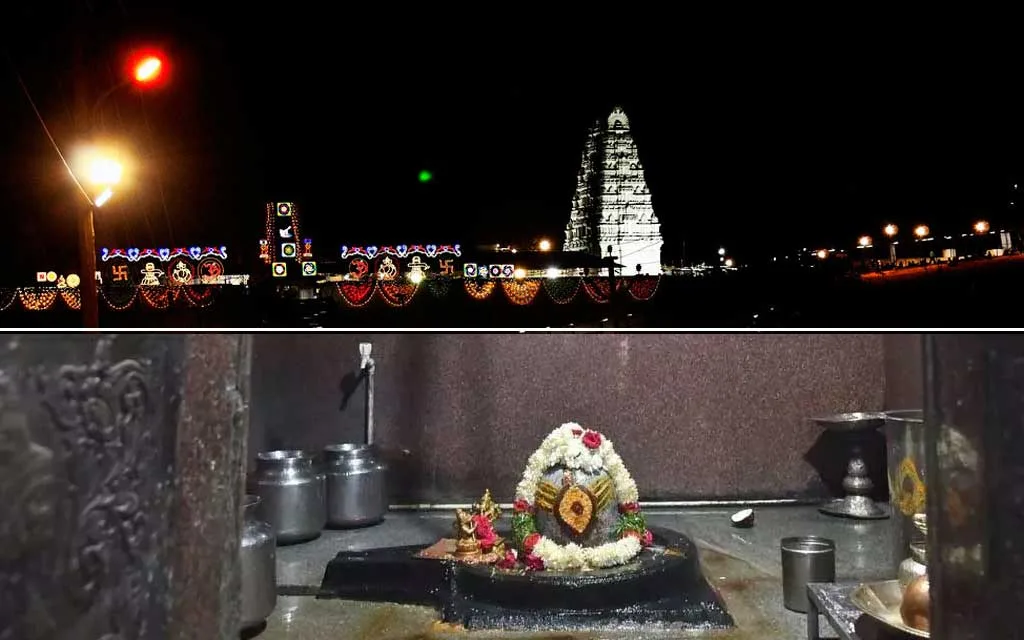
Keesaragutta Temple: The Lord Shiva Connection
Nestled amidst the serene hills of Keesara, approximately 30 kilometers from Hyderabad, the Keesaragutta Temple stands as a monumental testament to the…
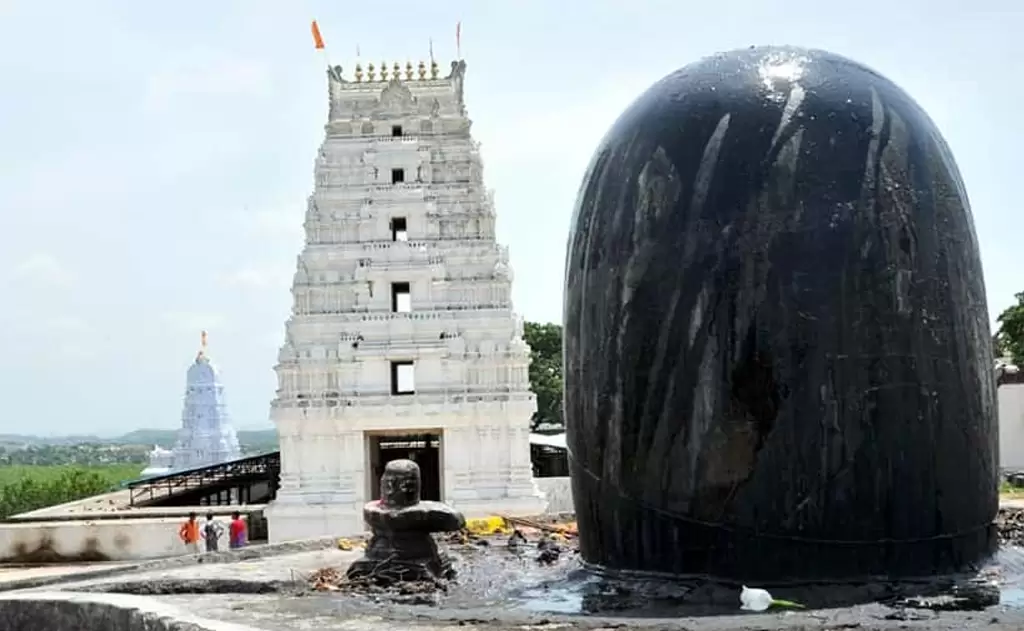
Nestled amidst the serene hills of Keesara, approximately 30 kilometers from Hyderabad, the Keesaragutta Temple stands as a monumental testament to the devotion of Lord Shiva’s followers. Known for its historical and spiritual significance, this ancient temple is a beacon for devotees and tourists alike, drawing visitors with its tranquil setting and divine aura.
Historical Significance
The origins of the Keesaragutta Temple trace back to the Treta Yuga, as per Hindu mythology. It is believed that Lord Rama installed the Shiva Lingam here to atone for the sin of killing Ravana, a Brahmin by birth, during his quest to rescue Sita. Legend has it that Lord Hanuman brought 101 lingams for the installation, but Lord Shiva chose only one among them. The remaining lingams are said to have been scattered around the hill, giving the place its unique character.
Archaeological evidence suggests that the temple has been a site of worship since the early Chalukyan period, showcasing inscriptions and carvings from ancient times. The combination of mythology and historical artifacts makes Keesaragutta a rich cultural and religious heritage site.
Spiritual Importance
The presiding deity of the temple is Lord Shiva, worshipped here as Ramalingeshwara Swamy. The temple’s sanctum sanctorum houses the Shiva Lingam, which is believed to emit powerful spiritual vibrations. Devotees flock to the temple, particularly during Maha Shivaratri, when elaborate rituals and celebrations transform the site into a hub of devotion and festivity.
Keesaragutta is also home to idols of Goddess Bhavani and Sita, adding a unique dimension to the temple’s spiritual offerings. The presence of these deities reinforces the belief that the site is blessed with divine feminine energy alongside Shiva’s cosmic power.
Architectural Highlights
Set against the backdrop of lush greenery and rolling hills, the temple’s architecture is both simple and profound. The intricate carvings on the temple walls and pillars reflect ancient Indian craftsmanship. The temple’s elevated position provides a panoramic view of the surrounding landscape, making it a serene spot for meditation and spiritual rejuvenation.
A Haven for Nature and History Enthusiasts
Beyond its spiritual allure, Keesaragutta offers a picturesque retreat for nature lovers. The hills surrounding the temple are dotted with trails, making it a popular spot for trekking enthusiasts. Archaeological excavations in the area have uncovered ancient artifacts, including terracotta items and pottery, which are now displayed in museums, providing a glimpse into the region’s historical significance.
Visiting Keesaragutta Temple
How to Reach: The temple is easily accessible from Hyderabad via road. Public transport and private vehicles can reach the site conveniently.
Timings: The temple is open from 6:00 AM to 12:30 PM and 4:00 PM to 8:00 PM, ensuring ample time for devotees and visitors.
Best Time to Visit: Maha Shivaratri is the most auspicious time to visit, but the temple’s serene ambiance makes it a year-round destination.
Conclusion
The Keesaragutta Temple is more than a religious site; it’s a confluence of mythology, history, and natural beauty. For devotees seeking spiritual solace or travelers yearning for a slice of Telangana’s cultural heritage, this temple offers an experience that is both enriching and elevating. A visit to Keesaragutta is not just a journey to a sacred site but also a step closer to understanding the profound legacy of Lord Shiva in Indian spirituality.
Why is the deity here called Ramalingeshwara Swamy and not simply Shiva?
The name Ramalingeshwara Swamy directly encodes the temple's founding legend: 'Rama' refers to Sri Rama of Ayodhya, and 'Lingeshwara' denotes the Shiva Lingam he consecrated. This compound name is theologically significant because it marks the Lingam as a Rama-pratishtita Linga — one personally installed by an avatara of Vishnu — placing the shrine within a rare category of sacred sites that embody the unity of Shaiva and Vaishnava devotion.
The Valmiki Ramayana (Yuddha Kanda) alludes to Rama's deep reverence for Shiva even as a Vishnu avatara, and later Puranic traditions elaborate that Rama sought Shiva's pardon for the brahmahatya (sin of killing a Brahmin) incurred by slaying Ravana, who was born of the sage Vishrava. By installing the Lingam at Keesaragutta, Rama is said to have performed prayaschitta (atonement), and Shiva's acceptance of that Lingam conferred both absolution and blessings for Rama's onward journey home.
This narrative gives Keesaragutta a dual pilgrimage identity: it is simultaneously a Shaiva kshetra, sacred to Shiva worshippers, and a Ramayana tirtha, meaningful to devotees tracing the footsteps of Sri Rama across the Deccan. Few temples in Telangana carry this layered theological weight so explicitly in their very name.
What is the significance of the 101 Lingams and the scattered hillside shrines?
According to local sthala purana (temple origin tradition), Hanuman was dispatched to fetch Lingams for the consecration ceremony. He gathered 101 Lingams, but when the auspicious muhurta (sacred time) arrived before Hanuman returned, Sita herself fashioned a Lingam from the riverside sand — the one Shiva ultimately accepted. The 100 remaining Lingams that Hanuman carried are said to have been set down across the hill when the ceremony was already complete, and each is worshipped as a swayambhu or deity-established icon.
Pilgrims who circumambulate the Keesaragutta hill — a pradakshina route that can take two to three hours — encounter these subsidiary Lingams in natural rock niches and small open-air shrines along the path. The practice of offering bilva (bael) leaves and water to each shrine during the parikrama is considered equivalent, in local belief, to performing puja at 101 individual Shiva temples in a single visit.
The number 101 itself carries ritual significance in Hindu tradition: it represents completeness with an auspicious overflow (100 being the full number, with one extra as a sacred surplus). This numerology explains why dakshina (ritual gifts) and pradakshina counts of 101 are commonly observed at this temple, distinguishing Keesaragutta's worship customs from those of nearby Shiva temples.
How does the Chalukyan heritage shape the temple's architecture and iconography?
Archaeological surveys of the site have documented stone inscriptions and sculptural elements consistent with the Early Western Chalukya period (roughly 6th–8th centuries CE), when the Deccan plateau saw an efflorescence of rock-cut and structural temple construction. The Chalukyas were ardent Shaivas, and their patronage helped transform many pre-existing open-air worship sites into formally structured temple complexes with mandapas (pillared halls) and sanctum chambers.
The carvings visible on the temple pillars include dvarpala (doorkeeper) figures and floral medallion friezes that are stylistically analogous to Chalukyan work found at Alampur (Navabrahma temples, Telangana) and Bidar. These shared motifs suggest that Keesaragutta was part of a broader regional network of royally patronised Shiva shrines, linked by pilgrimage routes and shared artistic workshops rather than being an isolated site.
Later additions to the complex — visible in the differently dressed stonework and the distinct finish of the gopura (tower) — reflect subsequent periods of renovation, likely under Kakatiya and Qutb Shahi-era local chieftains who continued to regard the hill shrine as a protective deity for the surrounding region. Reading these architectural layers together gives the visitor an on-site timeline of over a millennium of continuous worship.
What rituals and festivals beyond Maha Shivaratri define the annual worship cycle?
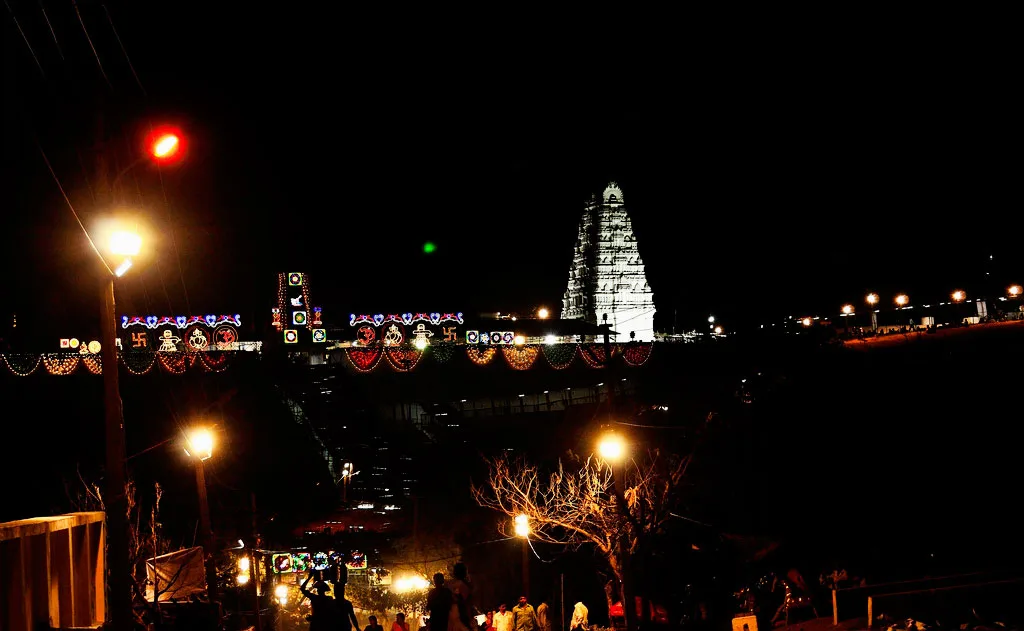
While Maha Shivaratri draws the largest crowds — with hundreds of thousands of devotees ascending the hill through the night in a continuous stream of oil lamps — the temple maintains a year-round calendar of observances. Mondays (Somavar), sacred to Shiva in all traditions, see particularly high footfall, and the Shravan month (July–August) is marked by special abhisheka (ritual bathing of the Lingam) performed with milk, honey, curd, and sacred water brought from the Godavari river.
Karthika Masam (October–November), the month most beloved of Shiva in Telugu devotional culture, transforms Keesaragutta into a sea of deepa (lamp) offerings each evening. Devotees light rows of clay lamps along the pradakshina path and at each of the hillside Lingam niches, a practice rooted in the Skanda Purana's instruction that Karthika deepa-dana grants liberation from the cycle of rebirth.
The temple also observes Ugadi (Telugu New Year) with panchangashravanam — the public recitation of the astrological almanac — followed by special naivedya (food offering) to Ramalingeshwara Swamy, blending the civic new-year celebration with Shaiva devotion in a manner characteristic of Telangana's composite religious culture.
How should a first-time pilgrim plan the visit to receive the full spiritual benefit of the site?
The traditional approach to Keesaragutta is on foot from the base of the hill, ascending the stone steps that wind through the forested slope — a climb of roughly 300 steps that is itself considered a form of tapas (austerity). Devotees conventionally begin the ascent after a bath in the small pushkarini (temple tank) at the foot of the hill, carrying a pot of water (abhisheka jalam) and bilva leaf garlands to offer at the main sanctum.
The pradakshina of the hill, best undertaken in the early morning before the summer heat intensifies, passes through shaded forest cover and offers views of the surrounding Keesara reservoir. Visitors are advised to note that footwear must be removed before the pradakshina commences, following standard Agamic temple protocol, and that photography inside the inner sanctum is restricted on festival days to preserve the sanctity of the space.
For those arriving during Maha Shivaratri, the Telangana State Road Transport Corporation (TSRTC) runs dedicated services from Hyderabad's Secunderabad and MGBS bus terminals. The four praharas (night watches) of Shivaratri — each marked by a distinct abhisheka sequence — can be attended by pilgrims who plan to remain at the temple through the night, a vigil that the Shiva Purana describes as yielding the spiritual merit of a thousand ordinary Mondays of worship.
Frequently Asked Questions
Where is Keesaragutta Temple located?
Nestled amidst the serene hills of Keesara, approximately 30 kilometers from Hyderabad, the Keesaragutta Temple stands as a monumental testament to the devotion of Lord Shiva ’s followers. Known for its historical and spiritual significance, this ancient temple is a beacon for devotees and tourists alike, drawing visitors with its tranquil setting and divine
Who is the presiding deity of Keesaragutta Temple?
The presiding deity is Lord Shiva.
What are the timings and how do I reach Keesaragutta Temple?
Temples typically open early morning and evening; confirm current darshan timings before visiting. The nearest airport, railway station and road routes are covered in the guide above.
What is the best time to visit Keesaragutta Temple?
Major festival days and the cooler months are popular, though weekday mornings offer a calmer darshan. Plan around the temple's key festivals for the most vibrant experience.
Share this with family and friends
Send it on WhatsApp, post it, or copy the link.
More from Temples
- Famous Temples in Uttarakhand: A Source-Checked Guide to Kedarnath, Badrinath, Tungnath, Haridwar, Almora and More
- Famous Temples in Odisha: A Source-Checked Guide to Puri, Bhubaneswar, Biraja, Tara Tarini and Western Odisha
- Famous Temples in West Bengal: A Source-Checked Guide to Kalighat, Dakshineswar, Tarapith, Bansberia, Bishnupur and More
- Famous Temples in Uttar Pradesh: A Source-Checked Guide to Kashi, Ayodhya, Mathura-Vrindavan, Gorakhpur and Kanpur
- Famous Temples in Gujarat: A Source-Checked Guide to Somnath, Dwarka, Dakor, Ambaji, Modhera and More
You might also like
The Sacred Saga of Keesaragutta Temple: Where Rama’s Devotion Meets Shiva’s Grace
Keesaragutta Temple Guide: Sri Ramalingeswara Swamy Near Hyderabad
Famous Temples in Tamil Nadu: A Source-Checked Guide to Shiva, Vishnu, Devi, Murugan and Ganesha Shrines