Must-Visit Lord Shiva Temples in Canada: A Spiritual Journey Across the True North
Introduction: The Divine Presence of Lord Shiva in the Land of the Maple Leaf In the expansive and multicultural mosaic of Canada, where indigenous wisdom…
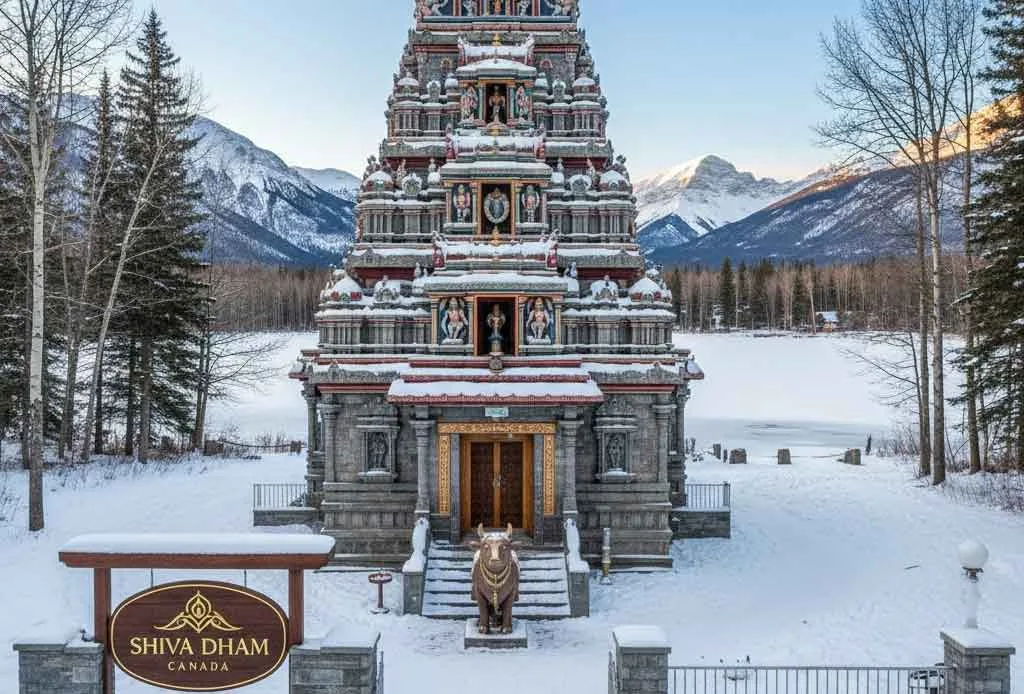
Introduction: The Divine Presence of Lord Shiva in the Land of the Maple Leaf
In the expansive and multicultural mosaic of Canada, where indigenous wisdom intertwines with global heritages, the worship of Lord Shiva—the eternal yogi, the cosmic destroyer, and the embodiment of pure consciousness—has carved out sacred enclaves of profound serenity. Lord Shiva, the Adi Yogi and Mahadeva of Hinduism, symbolizes the cycle of creation, preservation, and dissolution, inviting devotees to transcend the material through meditation, ritual, and surrender. From the towering Rockies to the Atlantic shores, Shiva's lingam stands as a beacon for the Indian diaspora, newcomers, and spiritual explorers alike, blending ancient Vedic traditions with Canada's ethos of inclusivity and natural harmony.
The roots of Shiva temples in Canada trace back to the late 1960s and 1970s, fueled by immigration from India, Sri Lanka, and the Caribbean. Initial gatherings in community halls evolved into permanent structures as families sought to preserve Shaivite practices amid snowy winters and urban vibrancy. Today, over 150 Hindu temples dot the nation, with dozens dedicated or prominently featuring Shiva worship, from Ontario's bustling suburbs to British Columbia's coastal rains. These sites are not carbon copies of Kashi or Chidambaram; they incorporate sustainable designs using local cedar and granite, heated floors for winter pujas, and programs fostering interfaith dialogue, reflecting Shiva's universal appeal as the lord of all beings.
A visit to these temples transcends mere ritual; it immerses one in Shaivism's essence—the recognition of the divine in every atom, echoed in the mantra "Om Namah Shivaya." Devotees engage in abhishekam with chilled maple-infused milk, chant during aurora-lit Shivaratris, and partake in feasts of samosas alongside traditional prasadam. These abodes host yoga retreats inspired by Shiva's tandava, cultural festivals blending Bollywood with Bharatanatyam, and youth camps teaching environmental stewardship as devotion to Pashupati, the protector of nature.
Why must-visit? In a nation of vast wilderness and diverse voices, these temples offer respite from modern frenzy, awakening Shiva's third eye of discernment. For the faithful, they are tirthas (pilgrimage spots); for others, gateways to mindfulness amid the Rockies' majesty or Niagara's roar. This comprehensive guide spotlights ten essential Shiva temples, delving into their histories, architectures, rituals, and soul-stirring tales. From urban sanctums in Toronto to mountain retreats in British Columbia, embark on a detailed voyage where the Neelkantha's grace flows through Canadian veins, harmonizing the eternal with the everyday.
1. Sri Siva Vishnu Temple, Mississauga, Ontario: The Gateway to Shaiva Splendor in the GTA
Tucked in the verdant suburbs of Mississauga, part of the Greater Toronto Area (GTA), the Sri Siva Vishnu Temple emerges as a cornerstone of Shaivite devotion, established in 1986 by Tamil pioneers envisioning a spiritual anchor for Canada's burgeoning South Indian community. Born from modest basement gatherings in the 1970s, the temple's history mirrors the resilience of immigrants braving Canadian winters to sustain agamic traditions. Consecrated with prana pratishta in 1990, it spans 5 acres, evolving into a multicultural hub serving over 20,000 families annually.
The architecture fuses classical Dravidian grandeur with practical Canadian adaptations: a 65-foot rajagopuram entrance tower, hand-carved from Tamil Nadu granite, depicts Shiva as Nataraja amidst cosmic flames, flanked by Vishnu's avatars. The Shiva sanctum, a dimly lit garbhagriha, enshrines a towering 6-foot sphatika lingam sourced from the Narmada River, its crystalline facets refracting light like Shiva's inner luminosity. Adjacent shrines to Parvati as Meenakshi and Subramanya feature bronze murtis imported from Chennai, while the vimana dome, capped with gold kalasha, withstands blizzards via insulated roofing. Surrounding gardens bloom with hardy tulsi and bilva saplings, blending Indian sanctity with Ontario's maple foliage, creating a serene prakaram for circumambulation. Devotees often liken it to "Thiruvannamalai in the snow," with kolam designs etched in colored salt for winter festivals.
Core rituals revolve around the lingam: thrice-daily abhishekam with vibhuti-laced waters, honey, and gangajal flown from India, accompanied by nadaswaram and mridangam recitals echoing through heated halls. Mondays, sacred to Shiva, feature Rudra Homam, where 1,008 bilva leaves are offered amid Vedic chants. The temple's significance as a cultural nexus shines in its role bridging sects—Shaivites and Vaishnavites coexist, hosting interfaith seminars on Advaita Vedanta. Maha Shivaratri draws 10,000 for a 24-hour vigil: dawn abhishekam under floodlights, followed by kavadi processions and a midnight tandava performance. Pradosham observances include personalized archana for health and prosperity, while Skanda Shashti reenacts Murugan's triumphs with dramatic skits by youth troupes.
Accessibility is devotee-friendly: open daily 7 AM-9 PM, with free entry but suggested donations for upkeep; modest attire enforced via provided shawls, and shoes stored in climate-controlled lockers. Sundays offer guided tours in English, Tamil, and Hindi, exploring Shaiva Siddhanta texts in the on-site library. Unique highlights include a heated tirtha pond for ritual dips (sans ice in winter) and a yoga shala for Nataraja-inspired vinyasa flows. One elder devotee shares, "In this temple, Shiva's damaru syncs with Toronto's traffic hum, turning chaos into cosmic rhythm." Families cherish the Bal Vihar program, where kids craft rudraksha malas while learning Shiva's leelas through puppetry. Beyond worship, the temple's community kitchen serves idli-sambhar fusions with local berries during fundraisers, supporting food banks in Shiva's compassionate spirit. Environmental initiatives plant native trees during Vata Purnima, honoring Shiva as Vriksharaja, king of trees. For wellness seekers, chakra alignments using the lingam's vibrations are offered post-puja. The temple hosts annual Vedic science conferences linking quantum mechanics to Shiva's vibration, with guest speakers from universities. A dedicated wing for seniors offers chair-based abhishekam participation, ensuring inclusivity. During summer, outdoor homams under the stars incorporate firefly-lit diyas, blending Canadian nature with Shaivite fire rituals. The temple's bookstore stocks rare translations of the Tirumantiram and Linga Purana, inspiring reading circles. Stories of miraculous visa approvals after sincere Pradosham prayers circulate among newcomers. The complex includes a wedding hall where Shiva-Parvati kalyanams incorporate Canadian unity vows, symbolizing eternal partnership. For tech-savvy youth, an app allows live-streamed pujas and virtual archana bookings, with prasad mailed nationwide. The temple's role in mental health is profound, offering counseling infused with Shiva's detachment philosophy. This temple isn't just a site; it's a living pulse of Shaivism in Canada's heartland, where the Ganges' flow meets the Great Lakes' whisper.
2. Sri Chandramouleeshwara Shivaalayam, Scarborough, Ontario: The Moon-Crowned Glory of the East End
In the diverse enclave of Scarborough, Toronto's eastern mosaic, Sri Chandramouleeshwara Shivaalayam stands as a luminous homage to Shiva as Chandramouli, the moon-adorned one, founded in 1992 by Sri Lankan Tamil refugees seeking solace after civil strife. Its history unfolds from a 1980s prayer room in a strip mall to a dedicated 3-acre complex consecrated in 1998, symbolizing rebirth amid displacement. Named after Shiva's crescent-crowned form from Chidambaram lore, it serves 15,000 devotees, fostering unity through shared rituals.
Architecturally, it's a Chola-inspired jewel: the 50-foot gopuram, etched with stucco scenes of Shiva quelling the ocean of milk, leads to a crescent-domed vimana sheltering a swayambhu-like moonstone lingam from Sri Lanka's ancient quarries. Flanking shrines to Thaiyalnayaki (healing Parvati) and Chandikeswara feature silver-plated icons, while black granite pillars bear bas-reliefs of the 27 nakshatras, tying Shiva's lunar dance to Canada's starry nights. The prakaram's arched corridors, lined with LED-lit diyas for dark winters, house a navagraha mandala for astrological pujas. Eco-elements like solar panels and rainwater bilva irrigation reflect Shiva's regenerative aspect, earning it "Kailash in the suburbs" acclaim.
Rituals pulse with lunar cadence: daily Chandramouli abhishekam at dusk, bathing the lingam in milk under moonlight simulations, with Tamil suprabhatam awakening the deity at dawn. Ekadashi vigils feature Sahasranama chants, invoking Shiva's 1,000 names for prosperity. The temple's essence lies in healing—dedicated to Vaitheeswaran traditions, it hosts monthly vibhuti distribution for ailments, blending ayurveda with modern counseling. Maha Shivaratri unfolds as a three-day extravaganza: homam fires roaring against January chill, chariot processions through snow-dusted streets, and all-night kirtans with fusion qawwali-Shiva bhajans. Karthigai Deepam lights 1,000 lamps, symbolizing inner illumination amid Scarborough's multicultural glow.
Open 6 AM-8:30 PM, visits encourage pre-booking for special pujas; vegetarian-only zones and child-friendly mats ensure inclusivity. Guided heritage walks Sundays reveal Tamil inscriptions, while the cultural wing offers Bharata Natyam classes. Standouts: a crescent moon garden for meditation, where devotees journal under aurora views, and a podcast series on Shaiva philosophy in Tamil-English. A young visitor recalls, "Here, Shiva's crescent cools the fire of migration's scars, birthing peace in my soul." Community drives collect winter coats as Shiva-seva, while annual health melas screen for diabetes, tying to Shiva's soma elixir. The temple's library stocks rare Tevaram hymns, inspiring choral groups. For romantics, Shiva-Parvati kalyanams incorporate Canadian vows. The alayam's youth council organizes anti-bullying workshops using Shiva's Ardhanarishvara as a model of balance. During Purnima, moon-gazing sessions pair telescopic views with lunar mantra recitations. The temple's kitchen innovates with coconut milk payasam infused with maple, served during festivals. Stories of dream visitations by Chandramouli guide lost travelers home. An on-site herbarium cultivates rare Sri Lankan plants for medicinal pujas. The temple partners with local schools for cultural exchange, teaching Tamil epics alongside Canadian history. Virtual reality tours recreate Chidambaram's rahasya for homebound devotees. This alayam transforms urban exile into divine embrace, proving Shiva's grace knows no borders.
3. Ottawa Sivan Temple (Vallavambika Sri Thaiyalnayaki Sametha Vaithiyanatha Swamy Koyil), North Gower, Ontario: The Capital's Healing Haven
Perched in the pastoral outskirts of North Gower, 30 km south of Ottawa, the Ottawa Sivan Temple—affectionately called Vaitheeswaram after Shiva's healing abode—crystallizes as the capital's Shaivite heart, inaugurated in 2007 by Ottawa's Saivite collective. Its narrative begins in 1990s home pujas amid parliamentary bustle, culminating in a 10-acre sanctuary consecrated with 108 kalasha abhishekam, embodying Shiva's balm for national and personal wounds.
Dravidian elegance defines it: a 55-foot vimana with teak carvings of Vaithiyanatha (healer Shiva) lifting poison from the world, enclosing a 4-foot emerald lingam flanked by Thaiyalnayaki's compassionate murti. Sub-shrines to Muruga and Bhairava feature brass icons from Madurai, while the yaga shala's eternal flame honors agni as Shiva's ally. Canadian touches—geothermal heating and cedar accents—ensure year-round accessibility, with the complex's hilltop perch mirroring Ottawa Valley's undulations. Admirers call it "Kashi by the Rideau," its bilva grove a snowy sanctuary.
Pujas emphasize restoration: shodasha upachara daily, with vibhuti abhishekam Tuesdays for maladies, led by Kanchipuram-trained priests. Pradosha kala features silver chariot processions, invoking Shiva's twilight grace. As a dharmic beacon, it pioneers interfaith forums with indigenous elders on creation myths. Maha Shivaratri's 12-hour marathon includes Ganga snanam simulations and youth-led tandava workshops. Thai Poosam kavadi climbs the temple hill, blending penance with panoramic views.
Daily 8 AM-7 PM, with entry for festivals; modest dress and no-leather policy upheld. Tours Saturdays explore Vaitheeswaran lore, plus a herbarium for ayurvedic teas. Icons: a healing spring fed by artesian well, believed Shiva-blessed, and virtual pujas for remote MPs. A devotee confides, "In Ottawa's policy storms, Sivan's touch heals the heart's hidden fractures." Seniors' circles chant for global peace, while eco-yagnas plant maples as Shiva's trident. The temple's archive preserves Tamil manuscripts, fueling literary festivals. For families, storytelling nights weave Shiva tales with Canadian folklore. Annual wellness retreats combine sound healing with damaru rhythms. The temple's counseling center uses Shaiva psychology for stress relief. During fall, leaf-peeping processions carry the lingam through colored forests. The koyil hosts bilingual (French-English) pujas, bridging Quebec-Ontario divides. Youth volunteer in hospital visits, distributing vibhuti. This sanctuary crowns Canada's capital with curative divinity.
4. Sri Siva Satyanarayana Swamy Temple, Mississauga, Ontario: Vedic Vision in the Prairies' Shadow
Adjacent to Mississauga's industrial hum, Sri Siva Satyanarayana Swamy Temple radiates as a Vedic bastion, founded in 2005 by Andhra scholars to instill sastras in diaspora youth. From 2000s garage classes to a 2009 kumbhabhishekam spanning five days with 42-day mandala puja, its legacy honors Satyanarayana's truth-revealing form alongside Shiva.
Nagara-Chola hybrid architecture: a 45-foot shikhara with moonstone filigree of Shiva lifting Ganga, housing a satya lingam with Lakshmi-Narayana. Pillars encode Upanishadic verses, while the mandapa's dome blends lotuses with maple motifs. Solar-lit for eternal aarti, it's "Dakshinamurthy in Dixie."
Rituals fuse: Satyanarayana vratam Thursdays with Shiva homam, teaching Vedas via "Vision of Vedas" school. Shivaratri's yugadi prelude features annabhishekam feasts. It bridges generations with sastric discourses. Daily pujas include Telugu suprabhatam, with priests explaining slokas in English. The temple's significance lies in education—weekend classes cover Sanskrit grammar through Shiva stotras, and summer intensives simulate gurukul life. Maha Shivaratri incorporates Andhra folk dances depicting Pralaya. Open 7 AM-8 PM; pujas available. Unique: Vedic recitation labs with recording booths, prasad with quinoa khichdi. A student says, "Shiva's truth pierces illusions here, making ancient wisdom modern." Youth debates link quantum physics to Shaiva non-dualism. The temple's kitchen experiments with telugu-spiced poutine during cultural nights. Annual book fairs promote rare Andhra Shaiva texts. For professionals, stress management workshops use Rudram chanting. The complex includes a mini-planetarium projecting nakshatras during pujas. Stories of career breakthroughs after Satyanarayana vratam abound. This temple forges knowledge in suburbia.
5. Gauri Shankar Mandir, Vancouver, British Columbia: Coastal Caress of the Divine Couple
In Vancouver's rainy embrace, Gauri Shankar Mandir blooms as a 1980s gift from Himalayan migrants, dedicated to Shiva-Parvati's union. Consecrated 1995 on 4 acres, it heals through shakti. Kashmiri-Pahari style: pagoda roofs over a silver lingam shrine, gardens of rhododendrons as Parvati blooms. "Kailash by the Pacific."
Abhishekam with ocean gangajal; Shivaratri surfside processions with bioluminescent diyas. Open 9 AM-7 PM; yoga under cedars with whale-song soundscapes. "Gauri's warmth thaws winter souls," shares a devotee. Wellness retreats fuse tantra with mindfulness, using coastal crystals. The temple's library holds Himalayan Shaiva manuscripts. Annual Parvati kalyanams incorporate First Nations blessings. Youth programs teach environmental seva as Pashupati worship, cleaning beaches post-puja. The mandir's kitchen serves Himalayan momos with bilva chutney. During monsoon season, indoor kavadi uses LED flames. Virtual tours recreate Kedarnath for snowbirds. This coastal haven proves Shiva's dance flows with Pacific tides.
6. Shiv Sewa Sangh Mandir, Scarborough, Ontario: Community's Devotional Forge
Scarborough's Shiv Sewa Sangh, born 2000 from immigrant fervor, centers Shiva lingam abhishekam Mondays. 2-acre site with rustic arches depicting daily leelas. Rituals: 108x108 Namah Shivaya chants during Ram Navami halts. Open Sundays primarily; seva drives distribute meals. "Shiva's service binds us," says a volunteer. Cultural fusions include Bhojpuri bhajans with reggae beats. The temple hosts cricket tournaments named after Shiva's trishul. Youth organize blood drives as raksha karma. The kitchen innovates with roti-poutine prasad. Annual homams fund scholarships. This mandir forges community through action.
7. Shiva Ganesh Mandir, Brampton, Ontario: Dual Guardians of Prosperity
Brampton's 1995 dual shrine to Shiva-Ganesha removes obstacles before devotion. Granite lingam with modaka offerings daily. Pujas Sundays; Ganesh Chaturthi features tandava-modaka fusion. Open daily; youth satsangs debate karma. "Ganapati opens, Shiva sustains," teaches the priest. Educational hubs offer coding classes named after Ganesha's intelligence. The temple's garden grows mango saplings in greenhouses. Annual processions weave through Brampton's suburbs. This mandir guards prosperity in the diaspora.
8. Sri Kandaswamy Temple, Montreal, Quebec: Tamil Triumph in the Francophone Hearteasy
Montreal's 1980s Kandaswamy focuses on Shiva's son but maintains lingam-centric pujas in French-Tamil. Dravidian gopuram over Ganges-fed lingam. Navaratri fusions with Quebecois music; open 7 AM-8 PM. "Muruga's spear pierces linguistic divides." Cultural bilingualism includes poutine-prasad experiments. The temple hosts winter carnival kavadi with ice sculptures. Youth programs teach Tamil through Shiva games. This temple bridges cultures in la belle province.
9. Sri Varasiththi Vinayagar Temple (with Shiva Shrine), Calgary, Alberta: Prairie Purity
Calgary's 1990s Vinayagar with Shiva annex endures chinooks. Crystal lingam in heated sanctum glows during northern lights Shivaratri. Open weekends; rodeo-rudrabhishekam blends cowboy culture. "Shiva's calm amid oil booms." The temple's ranch-style hall hosts line-dancing bhajans. Annual stampede parades feature chariot floats. This prairie shrine proves devotion thrives in wild spaces.
10. Sivarpanam Temple, Hope, British Columbia: The 450 Lingam Mountain Marvel
In Hope's mountains, Sivarpanam's 2010s cluster of 450 black-stone shivlings centers a fountain idol. "Mini Amarnath in the Cascades." Puja by pouring waters over multiple lingams; low crowds allow silence. "Shiva's multiplicity echoes peaks." Nature hikes post-darshan follow bear trails. The temple offers glamping retreats with damaru meditation. Annual snowshoe processions in winter. This mountain marvel multiplies grace in wilderness.
Conclusion: Eternal Echoes of Om Namah Shivaya in the Great White North
These ten sanctuaries, strung like Shiva's serpents across Canada's vastness, narrate devotion's triumph over distance. From Mississauga's urban pulse to Hope's alpine hush, they affirm Shiva's omnipotence. Visit to chant, heal, unite—may the Mahadeva's trident pierce ignorance, bestowing ananda in the True North. Har Har Mahadev!
Frequently Asked Questions
Where is Must located?
Introduction: The Divine Presence of Lord Shiva in the Land of the Maple Leaf In the expansive and multicultural mosaic of Canada, where indigenous wisdom intertwines with global heritages, the worship of Lord Shiva—the eternal yogi, the cosmic destroyer, and the embodiment of pure consciousness—has carved out sacred enclaves of profound serenity. Lord Shiva
Who is the presiding deity of Must?
The presiding deity is Lord Shiva.
What are the timings and how do I reach Must?
Temples typically open early morning and evening; confirm current darshan timings before visiting. The nearest airport, railway station and road routes are covered in the guide above.
What is the best time to visit Must?
Major festival days and the cooler months are popular, though weekday mornings offer a calmer darshan. Plan around the temple's key festivals for the most vibrant experience.
Share this with family and friends
Send it on WhatsApp, post it, or copy the link.
More from Temples
- Famous Temples in Uttarakhand: A Source-Checked Guide to Kedarnath, Badrinath, Tungnath, Haridwar, Almora and More
- Famous Temples in Odisha: A Source-Checked Guide to Puri, Bhubaneswar, Biraja, Tara Tarini and Western Odisha
- Famous Temples in West Bengal: A Source-Checked Guide to Kalighat, Dakshineswar, Tarapith, Bansberia, Bishnupur and More
- Famous Temples in Uttar Pradesh: A Source-Checked Guide to Kashi, Ayodhya, Mathura-Vrindavan, Gorakhpur and Kanpur
- Famous Temples in Gujarat: A Source-Checked Guide to Somnath, Dwarka, Dakor, Ambaji, Modhera and More