Must-Visit Lord Shiva Temples in India: A Sacred Odyssey Through the Eternal Abode of Mahadeva
Introduction: The Divine Resonance of Lord Shiva Across the Sacred Soil of Bharat In the timeless cradle of India, where the Himalayas kiss the skies and the…
Introduction: The Divine Resonance of Lord Shiva Across the Sacred Soil of Bharat In the timeless cradle of India, where the Himalayas kiss the skies and the…
Introduction: The Divine Resonance of Lord Shiva Across the Sacred Soil of Bharat
In the timeless cradle of India, where the Himalayas kiss the skies and the Ganges murmurs ancient hymns, the worship of Lord Shiva—the ascetic yogi, the cosmic dancer Nataraja, and the benevolent destroyer of illusion—permeates every corner of the land. As the third pillar of the Trimurti, Shiva embodies the eternal cycle of creation, preservation, and dissolution, inviting all beings to merge into the bliss of Shivoham — “I am Shiva.”
His sacred lingam, symbol of the formless infinite, has inspired countless temples—from the twelve resplendent Jyotirlingas, self-manifested flames of divine light, to the Pancha Bhoota Sthalams, representing the five elements of nature. These sanctuaries, carved in granite, marble, and devotion, stand as timeless portals to moksha—where devotees perform abhishekam with holy waters, chant the Rudram, and glimpse the rhythm of the Tandava in the flicker of oil lamps.
The legacy of Shiva temples in India spans millennia—from Indus Valley seals depicting proto-Shiva forms to the soaring Chola vimanas and Nagara spires of the Marathas. Across this sacred land, over two million temples rise—thousands dedicated to Mahadeva—blending Shaiva Siddhanta’s non-dual philosophy with folk devotion. In the north, they crown snow-capped peaks; in the south, they rise amid coconut groves; in the east, they echo with Odia chants; and in the west, they face the roaring Arabian Sea.
These abodes nurture not only bhakti but also samskara—with yoga beneath banyan trees, annadanam feasts, and festivals like Maha Shivaratri, where the night dissolves in chants of “Om Namah Shivaya.” Visiting them is a pilgrimage of the soul, a journey from ego to enlightenment—each temple reflecting Shiva’s third eye: wisdom beyond duality.
This comprehensive guide unveils 18 of India’s most sacred Shiva temples—including the twelve Jyotirlingas and other iconic shrines—exploring their legends, architecture, rituals, and divine experiences. From Somnath’s storm-washed shores to Arunachala’s fiery hills, may this odyssey awaken the Rudra within.
1. Somnath Temple, Prabhas Patan, Gujarat — The Eternal Guardian of the Western Seas
Standing proud upon the edge of the Arabian Sea, Somnath Temple reigns as the first Jyotirlinga—a phoenix reborn after centuries of invasions. According to legend, Chandra Deva (the Moon God) built the first shrine to seek Shiva’s grace for his waning light. Destroyed and rebuilt multiple times—from Mahmud of Ghazni’s onslaught in 1026 CE to its glorious reconstruction in 1951 under Sardar Vallabhbhai Patel—Somnath stands as a monument to resilience and faith.
The temple’s Nagara-style architecture features a 150-foot shikhara adorned with celestial carvings and Ashtadikpalas (guardians of the directions). Within the sanctum, the Swayambhu Jyotirlinga glows with serene brilliance, surrounded by silver and brass icons of Parvati and Nandi. Every wave that crashes upon its steps seems to chant Shiva’s eternal mantra.
Rituals follow a sacred rhythm—five daily aartis, continuous abhishekams with milk, honey, and Gangajal, and elaborate Rudrabhishekam on Mondays. During Maha Shivaratri, millions keep vigil, while a grand rath yatra lights up the coastal skies. Somnath is not just a temple—it is India’s indomitable spirit embodied in stone and sea.
2. Mallikarjuna Temple, Srisailam, Andhra Pradesh — The Moonlit Blossom of the Nallamala Hills
Hidden in the Nallamala forests, Mallikarjuna Temple is where Shiva and Parvati reside together as Mallika and Arjuna. Its origins trace back to the Satavahanas, with magnificent Vijayanagara embellishments. Known as the “Kailash of the South,” it radiates both spiritual power and ecological harmony.
A towering seven-tier gopuram greets pilgrims, while within the cave-like sanctum, the crystal Jyotirlinga gleams under ghee lamps. Abhishekam rituals use honey, milk, and bilva leaves, echoing ancient Kamika Agama traditions. The annual Brahmotsavam transforms the forest into a celestial city, with elephants and devotees parading beneath jasmine-scented skies.
3. Mahakaleshwar Temple, Ujjain, Madhya Pradesh — The Timeless Lord of Avanti
On the banks of the sacred Shipra River, Mahakaleshwar stands as the Lord of Time, where Shiva conquers death itself. Unique among the Jyotirlingas, its Dakshinamurti lingam faces south—the direction of liberation. The famed Bhasma Aarti, performed with sacred ash from the cremation grounds, symbolizes life’s impermanence and Shiva’s dominion over Kala (time). During Kumbh Mela, millions gather at Ujjain for the cosmic cleansing of the soul.
4. Omkareshwar Temple, Khandwa, Madhya Pradesh — The Island of Divine Om
On a river island shaped like the sacred syllable Om, Omkareshwar manifests the primal vibration of creation. The temple, surrounded by the holy Narmada’s flow, exudes serene energy. The dual shrines of Omkareshwar and Mamleshwar signify unity of the self and the supreme—a pilgrimage of both body and spirit.
5. Kedarnath Temple, Uttarakhand — The Himalayan Crown of Char Dham
High amidst snow-clad peaks, Kedarnath stands as a beacon of devotion and endurance. Built by Adi Shankaracharya in the 8th century, it enshrines Shiva as the bull’s hump—a symbol of humility and strength. Despite floods and tempests, the temple endures untouched, embodying Shiva’s eternal stillness amid chaos. Trekking to Kedarnath is not merely a journey—it is a test of faith.
6–18. Other Sacred Abodes of Shiva
- Bhimashankar (Maharashtra): The roaring Jyotirlinga of the Sahyadris, where Shiva vanquished the demon Bhima.
- Kashi Vishwanath (Varanasi): The shining heart of Kashi—gateway to moksha.
- Trimbakeshwar (Nashik): Source of the Godavari and home to the three-faced Sadashiva.
- Vaidyanath (Deoghar): The divine healer of Ravana’s devotion.
- Nageshwar (Dwarka): Protector from serpentine evils, symbolizing fearlessness.
- Rameshwaram (Tamil Nadu): The Ramalingam of Rama’s repentance—bridge to divinity.
- Grishneshwar (Aurangabad): The final Jyotirlinga—flame of compassion beside Ellora Caves.
- Brihadeeswarar (Thanjavur): Chola masterpiece—an architectural hymn to Shiva.
- Arunachaleswarar (Tiruvannamalai): The Fire Hill of Self-Realization—Ramana Maharshi’s refuge.
- Ekambareswarar (Kanchipuram): The Earth Element Temple—Parvati’s mango grove of penance.
- Jambukeswarar (Trichy): The Water Temple—Shiva’s whisper through underground springs.
- Kalahasteeswarar (Srikalahasti): The Air Element—eternal flame for Rahu-Ketu dosha relief.
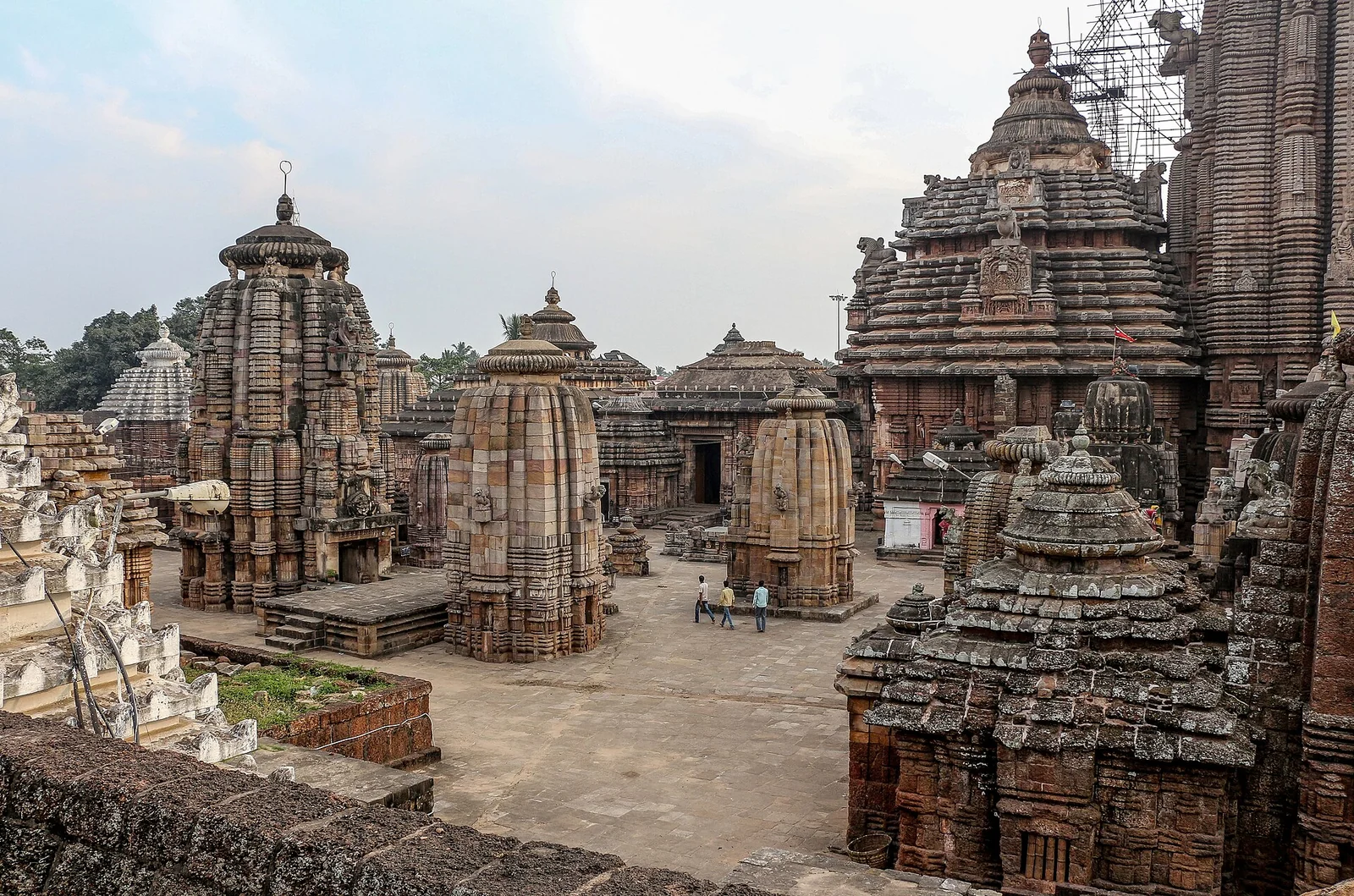
- Lingaraja (Bhubaneswar): The union of Hari and Hara—Odisha’s Kalinga masterpiece.
Conclusion: The Eternal Echo of Rudra Across Bharatavarsha
These eighteen sanctuaries are not mere monuments—they are living embodiments of consciousness. Each stone vibrates with Aum, each lingam mirrors the cosmos within. To walk through them is to journey inward—where silence roars like the damaru and the self dissolves into Shiva’s boundless light.
As the pilgrim’s heart whispers Har Har Mahadev, the sacred flame within awakens—reminding us that Shiva is not elsewhere; He is the stillness within all movement.
Frequently Asked Questions
Where is Must located?
Introduction: The Divine Resonance of Lord Shiva Across the Sacred Soil of Bharat In the timeless cradle of India, where the Himalayas kiss the skies and the Ganges murmurs ancient hymns, the worship of Lord Shiva —the ascetic yogi, the cosmic dancer Nataraja , and the benevolent destroyer of illusion—permeates every corner of the land. As the third pillar o
Who is the presiding deity of Must?
The presiding deity is Lord Shiva.
What are the timings and how do I reach Must?
Temples typically open early morning and evening; confirm current darshan timings before visiting. The nearest airport, railway station and road routes are covered in the guide above.
What is the best time to visit Must?
Major festival days and the cooler months are popular, though weekday mornings offer a calmer darshan. Plan around the temple's key festivals for the most vibrant experience.
You might also like
The Twelve Jyotirlingas of Lord Shiva: A Complete Pilgrim's Guide Across India

Mahakaleshwar: Divine Mysteries & Soul-Stirring Miracles of the Lord of Time at Ujjain

Bhimashankar Jyotirlinga Reopens June 15, 2026 After Major Renovation