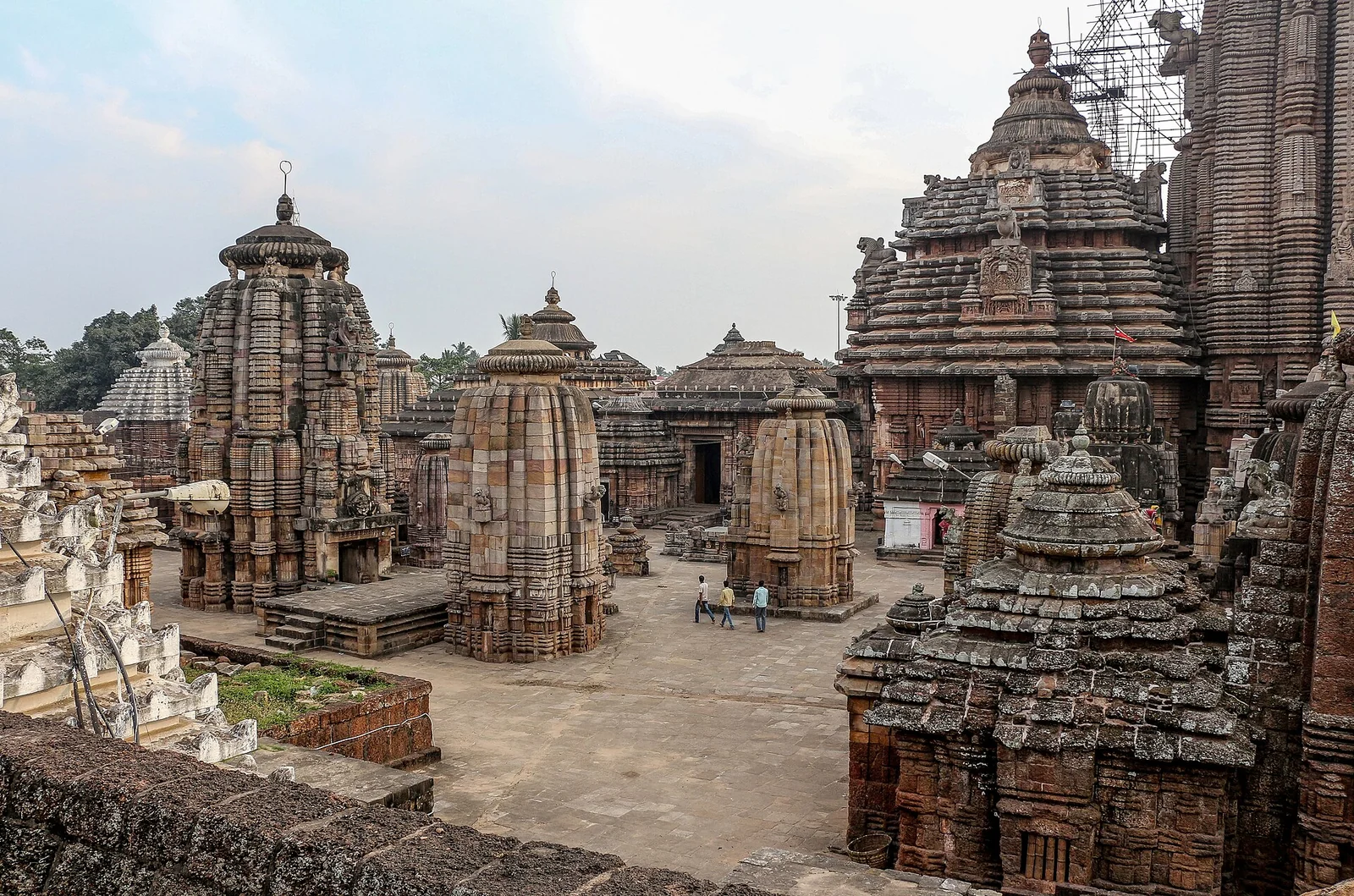
Kashi Vishwanath: Divine Mysteries & Soul-Stirring Miracles of Lord Shiva in Varanasi
Discover the eternal mysteries of Kashi Vishwanath — Lord Shiva's Jyotirlinga in the city he never abandons. Cosmic origin, the Adi Vishweshwar sanctum, the Annapurna shrine, daily rituals, miracles of moksha, and why Varanasi is the only place where dying grants liberation.
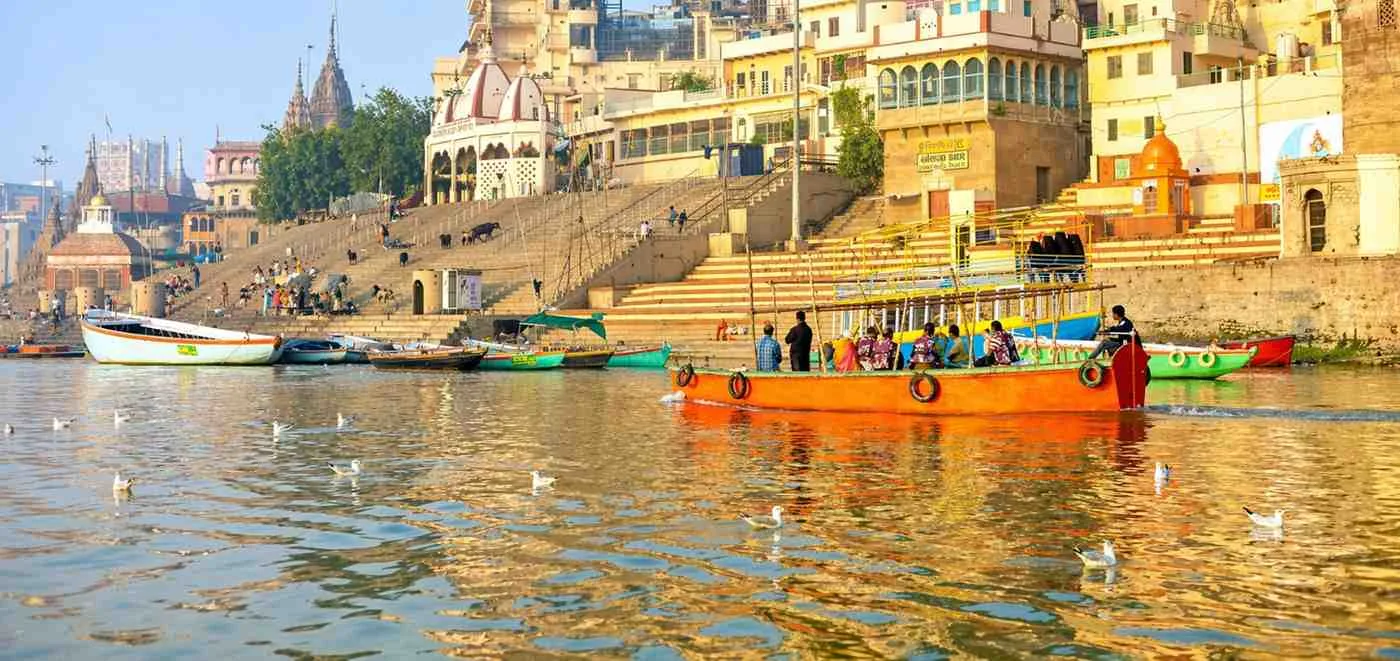
Discover the eternal mysteries of Kashi Vishwanath — Lord Shiva's Jyotirlinga in the city he never abandons. Cosmic origin, the Adi Vishweshwar sanctum, the Annapurna shrine, daily rituals, miracles of moksha, and why Varanasi is the only place where dying grants liberation.
On the western bank of the eternal Ganga, in the city older than legend itself, rises Kashi Vishwanath — the abode where Lord Shiva took the form of Vishweshwar, the Lord of the Universe. Among the twelve Jyotirlingas, none is closer to the cosmic core than this one: Kashi is the place Shiva never abandons, the city he carries on the tip of his trident, the only earthly ground where dying is said to grant liberation itself.
This guide on HinduTone unravels the divine origin, the layered sanctum, the unbroken rituals, the soul-stirring miracles, and the moksha tradition that has drawn pilgrims to Varanasi for over five thousand years.
The Cosmic Story: How Lord Shiva Made Kashi His Eternal Abode
The Skanda Purana, the Kashi Khanda, and the Linga Purana describe Kashi as a city not built by mortals but emanated from the light of Shiva himself. When the cosmos was being formed, Lord Shiva and Goddess Parvati needed an unchanging seat — a place that would survive even pralaya, the dissolution at the end of every cosmic cycle. Shiva struck the earth with his trishul and lifted Kashi above the world, anchoring it on the prongs of the trident itself. The Ganga flows past it; time flows past it; Kashi alone does not move.
Another deeply moving legend speaks of the Jyotirlinga's origin. When Brahma and Vishnu argued about who was supreme, an infinite pillar of light pierced through the three worlds. They set out to find its ends — Vishnu as a boar burrowing downwards, Brahma as a swan flying upwards — and neither could find a beginning or an end. From that endless pillar Shiva emerged as the Jyotirlinga, declaring himself the unmanifest source of all. Twelve such columns settled across Bharata, and the one in Kashi became Vishweshwar — the Lord of the Universe.
Kashi is also said to be one of the very few places that survives every yuga unchanged. While civilisations rose and fell, while invasions levelled the temple repeatedly, the sanctum re-emerged again and again — most famously rebuilt by Maharani Ahilyabai Holkar in 1780 after centuries of destruction. The Lord, the legends say, simply waited.
The Living Deity: Hidden Spiritual Secrets of the Sanctum
Step inside the present temple complex and the first thing you feel is the density of the air. The garbhagriha is small — deliberately so — and the silver-plated Jyotirlinga rises only a few inches above a square yoni pitha. There are no grand prabhavalis, no jewelled bedecking; the linga is bathed in milk, water, bilva leaves and bhasma, and devotees are permitted to touch it directly. That tactile darshan, rare among major temples, is itself part of Kashi's spiritual technology — the Lord here is not distant.
- The Jyotirlinga is svayambhu (self-manifested), not carved by any sculptor — its form arose from the earth on its own.
- The garbhagriha is oriented towards Manikarnika Ghat, the cremation ground — a deliberate alignment that reminds the devotee that the path to Shiva passes through letting go of the body.
- A small Annapurna shrine lies just beside the sanctum: Shiva once begged from Parvati here as Annapurna, the goddess of food, after a cosmic argument about the unreality of the material world. She fed him; he never left.
- The Gyanvapi well, between the temple and the adjacent mosque, is believed to hold the original linga, hidden by priests during a 17th-century invasion to keep it from being destroyed.
- The Kashi Vishwanath corridor, completed in 2021, restored direct access from the Ganga to the sanctum — re-establishing the ancient pilgrim flow that had been buried under centuries of accreted construction.
Daily Rituals: How Kashi Worships Its Lord
Five aartis structure the day at Kashi Vishwanath, each one a different mood, each one open to devotees. The temple opens around 2:30 am and stays alive until midnight — closer to a continuous worship than a daily one.
- Mangala Aarti (3:00–4:00 am): the Lord is woken from sleep. Bhasma is offered, the garbhagriha is cleansed, the first lamps are lit. The most spiritually charged aarti of the day.
- Bhog Aarti (mid-morning): annaprasad is offered — rice, lentils, vegetables — recalling the Annapurna legend.
- Sapta Rishi Aarti (just after sunset): seven priests perform together, representing the Saptarishis paying homage. This is the aarti most visitors attend.
- Shringar Aarti (around 9:00 pm): the Lord is dressed and decorated for the night.
- Shayan Aarti (10:30 pm): the Lord is put to rest. The final lamps are dimmed; the sanctum doors are closed until Mangala Aarti.
On Mondays — Shiva's day — and through the holy month of Shravan (July–August), the queue stretches from the sanctum to the Ganga itself. The Maha Shivratri all-night vigil here is considered the single most powerful Shiva darshan available to mortals.
Soul-Stirring Miracles That Strengthen Faith
Kashi's miracles are not the kind that arrive once and become legend. They are the quiet, daily kind, reported by pilgrim after pilgrim across generations.
The Moksha Promise: Hindus across the subcontinent return to Kashi to die. The shastras say that anyone who breathes their last within the city limits is whispered the Tarak Mantra by Shiva himself at the moment of death, and is liberated from the cycle of rebirth. Hospices like Kashi Labh Mukti Bhawan have hosted the dying for over a century — and the staff routinely describe peaceful, even radiant passings, no matter how the person arrived.
The Floods That Stop at the Steps: The Ganga has swollen catastrophically into Varanasi many times. In 1978, 2013 and again in 2024, the waters reached the lower ghats and the surrounding lanes — yet repeatedly stopped just short of the inner sanctum. Local priests recount this as the Lord's daily promise to the city: the river bows, never crosses.
Survival Through Destruction: The temple has been razed at least four documented times — by Qutb-ud-din Aibak, Aurangzeb, and others. Each time, the linga was hidden, the structure was destroyed, and within decades the worship resumed at the same spot. The present temple stands on the exact ancient site. Across a thousand years of violence, the Jyotirlinga itself has never been broken.
Healing in the Sanctum: Devotees with chronic illness, depression, addictions, and grief consistently describe a single touch of the linga shifting something profoundly inside them. Many of these accounts are dismissed as faith — and yet they keep arriving, every day, from people who came as last resort and left changed.
The Legacy of Tulsidas: Faith Composed on the Banks of Ganga
Saint-poet Goswami Tulsidas (16th century) spent much of his life in Kashi. It was here, beside the Vishwanath sanctum and the Sankat Mochan Hanuman temple he founded, that he composed the Ramcharitmanas — the Hindi retelling of the Ramayana that put bhakti within reach of every common household. Tulsidas saw no contradiction in being a Ram bhakta within Shiva's city: in his own verses, Shiva is Ram's greatest devotee and Ram is Shiva's ishta. Walking the lanes of Kashi today, you walk through the geography of Tulsidas's devotion — and through verses that millions still recite each morning.
The Path of Devotion: How Kashi Transforms the Pilgrim
A Kashi yatra is structured as a slow surrender. The devotee bathes in the Ganga at dawn, offers tarpana to ancestors at Manikarnika or Dashashwamedh, takes the darshan at Vishwanath, completes the Panchakroshi parikrama — a five-kosa circumambulation of the sacred city — and visits the related shrines of Annapurna, Kaal Bhairav (the city's kotwal), and Sankat Mochan.
Spiritual guidance for devotees:
- Begin with a Ganga snan before sunrise. The water is cold; this is part of the cleansing.
- Carry only bilva leaves, water, milk, white flowers — no jewellery, no shoes near the sanctum.
- For full liberation darshan, attend Mangala Aarti at 3 am at least once — booked through the temple trust.
- Visit Kaal Bhairav before leaving the city; without his permission, the pilgrimage is incomplete.
- Offer prayers for ancestors at Manikarnika; the pinda dana here is uniquely powerful.
- Speak less, walk slower, sit beside the river — Kashi reveals itself to the patient.
Why Kashi Vishwanath is the Ultimate Refuge in Kali Yuga
Of all earthly places, Kashi is the one Lord Shiva chose to never leave. The Skanda Purana says even the worst sinner who utters the name "Vishweshwar" with sincerity, even once, is freed from karmic burden. In an age where sacred geography is fading, where temples can be moved and rebuilt, Kashi stands as a singular promise: that the Divine remains accessible, tactile, and present — for anyone who comes.
To touch the Jyotirlinga, to hear the Ganga at dawn, to walk past pyres at Manikarnika without flinching — these are not tourist acts. They are the slow dissolving of the illusion that separates us from the Lord. Whatever you bring to Kashi, you will leave lighter.
Har Har Mahadev. Jai Vishweshwar.
Frequently asked questions
What time is Mangala Aarti at Kashi Vishwanath?
Mangala Aarti is held between 3:00 and 4:00 am, when the Lord is woken and bhasma is offered. The temple opens around 2:30 am and stays open until midnight, and this aarti can be booked through the temple trust.
What are the five daily aartis at Kashi Vishwanath?
They are Mangala Aarti, Bhog Aarti in mid-morning, Sapta Rishi Aarti just after sunset, Shringar Aarti around 9:00 pm, and Shayan Aarti at 10:30 pm. Sapta Rishi Aarti is the one most visitors attend.
Who rebuilt the Kashi Vishwanath temple in 1780?
Maharani Ahilyabai Holkar rebuilt the temple in 1780 after centuries of destruction. The present temple is said to stand on the ancient site, and the Kashi Vishwanath corridor was completed in 2021.
Why is Kashi called the place of moksha?
The shastras say that anyone who dies within the city limits is whispered the Tarak Mantra by Shiva himself and is freed from rebirth. For this reason many Hindus return to Kashi at the end of life.
What is the Annapurna shrine beside the sanctum?
As commonly told, Shiva once begged for food from Parvati in her form as Annapurna, the goddess of food, after an argument about the unreality of the material world. She fed him and he never left Kashi.
How is a traditional Kashi yatra performed?
The devotee bathes in the Ganga at dawn, offers tarpana to ancestors at Manikarnika or Dashashwamedh, and takes darshan at Vishwanath. Then comes the Panchakroshi parikrama, with visits to Annapurna, Kaal Bhairav and Sankat Mochan.
You might also like
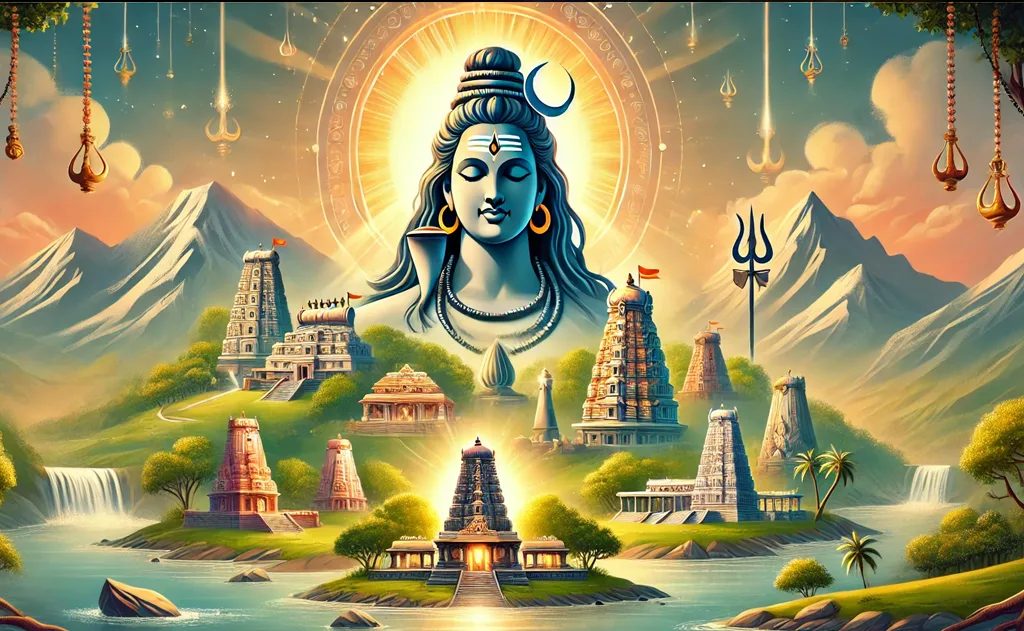
The Twelve Jyotirlingas of Lord Shiva: A Complete Pilgrim's Guide Across India
Mahakaleshwar: Divine Mysteries & Soul-Stirring Miracles of the Lord of Time at Ujjain
Amarnath: Divine Mysteries & Soul-Stirring Miracles of the Ice Linga Cave in Kashmir