Meenakshi Sundareshwarar: Divine Mysteries & Soul-Stirring Miracles of the Madurai Temple
Discover the eternal romance of Goddess Meenakshi and Lord Sundareshwar — the warrior-queen of Madurai who married Shiva himself. Cosmic origin, 14 gopurams, Hall of 1000 Pillars, the Chithirai Thirukalyanam, daily rituals, and miracles spanning two millennia.
Discover the eternal romance of Goddess Meenakshi and Lord Sundareshwar — the warrior-queen of Madurai who married Shiva himself. Cosmic origin, 14 gopurams, Hall of 1000 Pillars, the Chithirai Thirukalyanam, daily rituals, and miracles spanning two millennia.
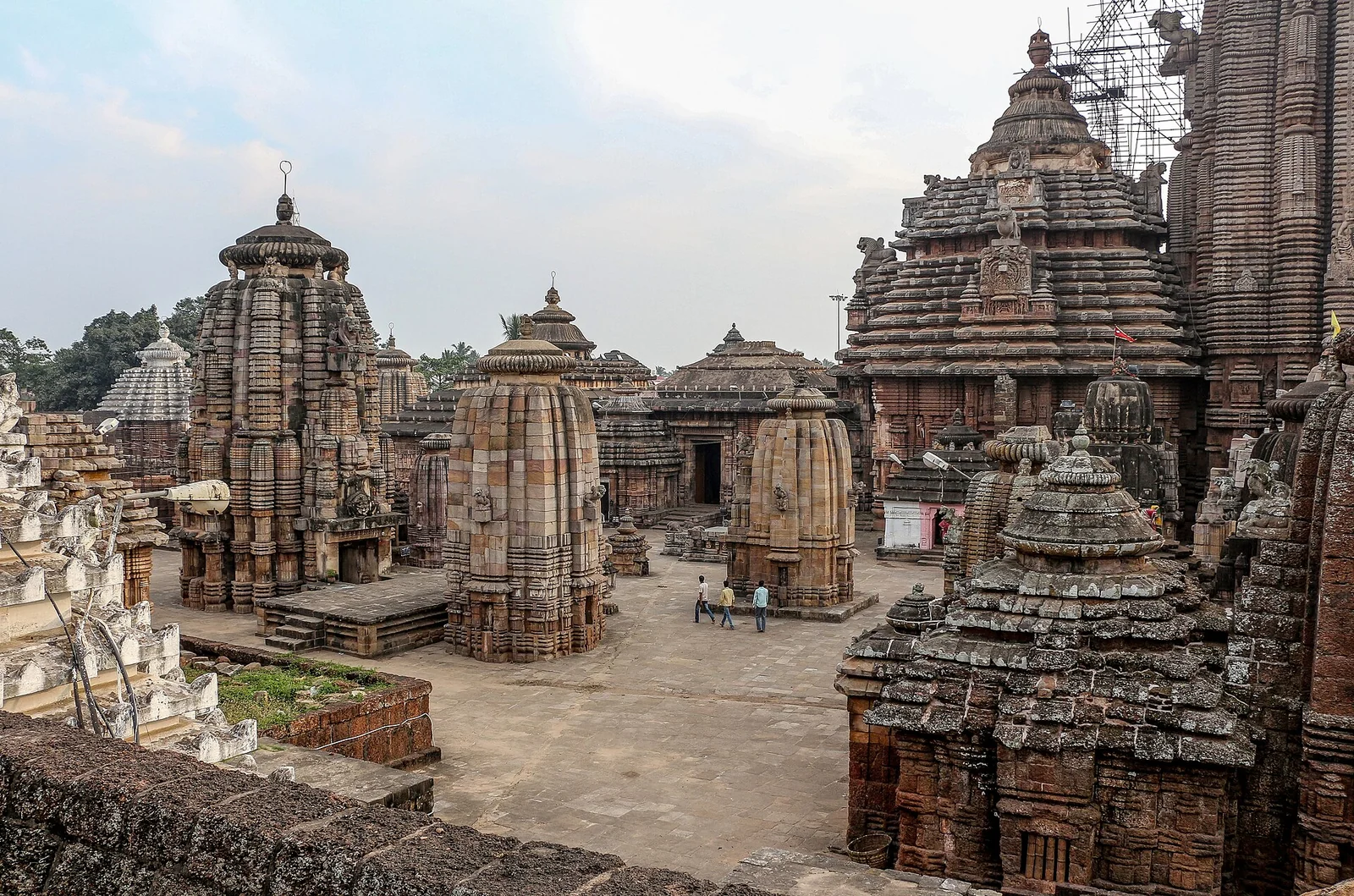
At the heart of Madurai — a city older than recorded history, the Athens of the East as 17th-century travellers called it — rises a temple unlike any other in the Hindu world. Fourteen towering gopurams, the tallest soaring 170 feet, painted in riotous colour, carry the eyes upward; inside, in twin sanctums separated by a sacred corridor, the warrior-queen Goddess Meenakshi and her husband Lord Sundareshwarar (Shiva) hold court as the living rulers of Madurai. This is the temple where the marriage of the goddess to the god is celebrated every single year, and has been for two thousand years.
This HinduTone guide unpacks the cosmic origin of Meenakshi, the architectural marvel of her temple, the daily rituals that keep her alive, the great Chithirai festival, the miracles that have sustained faith across centuries — and why Madurai remains the unconquered spiritual capital of the south.
The Cosmic Story: How a Princess Became a Goddess Who Married Shiva
The Tiruvilaiyadal Puranam recounts that King Malayadhwaja, ruler of the Pandya kingdom, performed a great yajna seeking an heir. From the sacrificial fire emerged not a son but a divine three-breasted girl child with eyes shaped like a fish — meen-akshi, "fish-eyed." A celestial voice prophesied: her third breast would vanish the moment she met her husband-to-be. Raised as the heir to the throne, Meenakshi was trained in all sixty-four arts and grew into a warrior-queen who conquered the eight cardinal directions, vanquishing kings and even the gods themselves.
On the slopes of Mount Kailash, she finally encountered Lord Shiva. The moment her gaze met his, her third breast vanished — the prophecy was fulfilled. Shiva descended to Madurai as Sundareshwarar ("the beautiful Lord"), and there, in the very spot where the temple now stands, the cosmic marriage of Meenakshi and Sundareshwarar took place. Brahma officiated; Vishnu, the goddess's brother, gave the bride away. The gods rained flowers; the city became eternally sacred.
Meenakshi did not retire to the role of consort. Madurai's presiding deity is the goddess, not the god — her shrine is larger, her aarti more elaborate, her name comes first in invocation. Sundareshwarar is the husband; Meenakshi is the sovereign.
The Living Temple: Sanctum Secrets and Architectural Marvels
The Meenakshi Sundareshwarar temple complex covers 14 acres in a near-perfect square, oriented to the cardinal directions. The architecture is a sacred mandala — every shrine, hall and corridor is precisely positioned to channel cosmic energy toward the twin garbhagrihas.
- Fourteen gopurams rise around the complex: the four outer gates (each over 150 feet) and ten inner towers, carved with 33,000 sculptures depicting gods, demons, animals, and entire Puranic stories — a stone library of Hindu mythology.
- The Hall of a Thousand Pillars (Ayiramkaal Mandapam), built in 1569, actually contains 985 carved pillars — each unique, some sculpted with musical pillars that ring like bells when struck.
- The Golden Lotus Tank (Porthamarai Kulam) in the temple's heart was said by ancient Tamil scholars to be the touchstone of literary merit — any text dropped into the water would float if worthy, sink if not. The Sangam poets, legend says, tested their verses here.
- The Meenakshi sanctum holds a green-stone idol of the goddess, swayambhu (self-manifested), holding a parrot and a lotus. Her gaze is famously powerful — devotees describe locking eyes with her as a moment that rearranges the soul.
- The Sundareshwarar sanctum, slightly to the east, holds a swayambhu linga that emerged from the earth. It is bathed daily with milk, sandal paste, and the goddess's flowers.
- A sacred passage connects the two sanctums — every night, after the temple closes, the Lord is ceremonially carried in palanquin to his queen's bedchamber. The next morning, he is returned to his own sanctum at dawn.
Daily Rituals: How Madurai Worships Its Sovereign
The temple opens at 5:00 am and closes at 10:00 pm, with six pujas through the day. The most distinctive ritual is the nightly Palliyarai Pooja — the sacred bedroom ceremony in which Sundareshwarar joins Meenakshi for the night, performed since the temple's ancient consecration.
- Thirupalliyezhuchchi (5:00 am): the deities are woken; their bedchamber is opened.
- Vizhaa Pooja (mid-morning): garlands offered, lamps lit, abhishekam performed.
- Uchikkala Pooja (noon): annaprasad offered — the goddess eats first, then the god.
- Sayaratchai Pooja (evening): the deities are dressed in fresh silks; devotees gather for darshan.
- Arthajama Pooja (9:00 pm): the most secret rite — only inner priests participate. The deities are prepared for the night.
- Palliyarai Pooja (10:00 pm): Sundareshwarar is carried in palanquin to Meenakshi's chamber. The sanctum is closed. They are reunited every night, for eternity.
Tuesdays and Fridays are particularly auspicious for the goddess. The Tamil month of Aadi (mid-July to mid-August) is her festival season — thousands of women pour into Madurai for special darshan.
The Chithirai Thirukalyanam: A Marriage Witnessed by Millions
Every year in the Tamil month of Chithirai (April–May), Madurai pauses for the greatest temple wedding in India. Over twelve days, the cosmic marriage of Meenakshi and Sundareshwarar is re-enacted exactly as described in the Tiruvilaiyadal Puranam — and over a million pilgrims fill the city to witness it.
Day by day, the festival builds. The goddess is consecrated as queen on day one; she conquers the eight directions on the following days; she meets her husband-to-be; Vishnu (Azhagar in his Madurai form) arrives from his temple in Azhagar Kovil to give her away. On the wedding day itself, the streets fill with chariots, music, fragrance, and a crowd that has spent the year preparing for it. The cosmic vow is renewed.
Even now, after two thousand years, Madurai's social calendar revolves around the goddess's wedding. Marriages are timed to follow it; new businesses open during it; the air itself feels different.
Soul-Stirring Miracles That Strengthen Faith
Meenakshi's miracles are documented across centuries — recorded in temple chronicles, in Tamil poetry, and in the unbroken oral tradition of Madurai's priestly families.
The Speaking Stone: In the 14th century, when a king ordered a measurement that would have shortened the temple ground, the stone idol of Meenakshi is said to have spoken aloud, refusing the change. The order was withdrawn. The episode is recorded in the temple's palm-leaf chronicles.
Survival of the Sultanate Sack: In 1310, the Delhi Sultanate general Malik Kafur sacked Madurai and damaged the temple. The chief deity, however, was hidden by priests for over forty years in a remote shrine — and when the Vijayanagara kings restored the temple, the original idol was returned intact. Not a single chip; not a single missing finger.
The Pearl Pendant Miracle: In the late 1500s, the queen of Madurai offered Meenakshi a magnificent pearl pendant. The next morning, priests found the pendant on the floor — the goddess, the chronicles say, had refused jewellery during a famine year. The queen ordered the pearls converted to grain for the poor; the temple records list this as the goddess's explicit instruction.
Healing in the Sanctum: Tamil mothers across the world bring their daughters to Meenakshi for blessings before marriage. Stories of fertility miracles, of impossible recoveries, of doomed marriages turning around after Madurai darshan, are commonplace in South Indian households. The goddess is famously responsive to women's prayers.
The Path of Devotion: How Madurai Transforms the Pilgrim
A traditional Meenakshi yatra is layered. The pilgrim enters through the eastern gopuram, bathes ceremonially at the Golden Lotus Tank, takes darshan of Meenakshi before Sundareshwarar (she is queen, after all), circumambulates the Hall of a Thousand Pillars, and offers worship at the smaller shrines — Ganesha, Murugan, Navagrahas — that ring the complex.
Spiritual guidance for devotees:
- Always greet Meenakshi first. Madurai is her city; protocol matters.
- Carry fresh flowers — jasmine, mogra, marigold. The goddess loves fragrance.
- Visit during one of her abhishekams; the moment when the silken cloth is removed and the unadorned goddess is briefly visible is the deepest darshan possible.
- If you can stay overnight, witness the Palliyarai Pooja at 10 pm — the moment Shiva goes to his wife's chamber.
- Walk through the Hall of a Thousand Pillars slowly. Each pillar tells a story; the musical pillars at the eastern end actually ring.
- Pair the visit with Azhagar Kovil (10 km away) — Vishnu's temple from which he comes to give his sister away each Chithirai.
Why Madurai is the Spiritual Capital of the South
Among the four Shakti Peethams of Tamil Nadu, Madurai's Meenakshi temple is the throne — the place where the goddess does not merely visit but reigns. Around her, an entire civilisation organised itself: the Pandya kingdom rose and fell, the Vijayanagara emperors restored her, the Nayak dynasty rebuilt her gopurams, the British found her unmoved, and modern India returns to her endlessly.
Madurai is the temple-city that never lost itself. The streets still flow concentrically outward from the goddess's sanctum, exactly as the ancient Tamil treatises prescribed. The flower-vendors, the musicians, the priests, the chariot-builders — all are descended from the families that served her a thousand years ago. To enter Madurai is to step into a sacred continuity.
Whatever you bring to Meenakshi, she sees. Her gaze, two thousand years deep, will hold yours.
Meenakshi Amman Thunai. Om Namah Shivaya.
Frequently asked questions
What is the Chithirai Thirukalyanam at Meenakshi Temple in Madurai?
It is the annual celebration of the cosmic marriage of Meenakshi and Sundareshwarar, held in the Tamil month of Chithirai (April–May). Over twelve days the wedding is re-enacted, and over a million pilgrims come to witness it.
Who is the presiding deity of Madurai, Meenakshi or Sundareshwarar?
The presiding deity is the goddess Meenakshi. Her shrine is larger, her aarti more elaborate and her name comes first in invocation, so pilgrims greet and take darshan of Meenakshi before Sundareshwarar.
What are the temple timings and daily pujas at Meenakshi Sundareshwarar Temple?
The temple opens at 5:00 am and closes at 10:00 pm, with six pujas through the day. The day ends with the Palliyarai Pooja at 10:00 pm, when Sundareshwarar is carried in palanquin to Meenakshi's chamber.
How many gopurams does the Madurai Meenakshi temple have?
The complex has fourteen gopurams, with the tallest soaring 170 feet. They include four outer gates, each over 150 feet, and ten inner towers carved with 33,000 sculptures.
Which days and months are especially auspicious for Meenakshi darshan?
Tuesdays and Fridays are particularly auspicious for the goddess. The Tamil month of Aadi, from mid-July to mid-August, is her festival season, when thousands of women come to Madurai for special darshan.
What flowers should devotees carry to Meenakshi Temple, and in what order is darshan taken?
Carry fresh flowers such as jasmine, mogra and marigold, since the goddess loves fragrance. Bathe at the Golden Lotus Tank, worship Meenakshi first and then Sundareshwarar, and visit the smaller shrines of Ganesha, Murugan and the Navagrahas.
You might also like
Kamakhya: Divine Mysteries & Soul-Stirring Miracles of the Tantric Goddess of Assam
Ranganathaswamy Srirangam: Divine Mysteries & Soul-Stirring Miracles of the Largest Functioning Hindu Temple
Somnath: Divine Mysteries & Soul-Stirring Miracles of the First Jyotirlinga