Aditya Hridayam Complete Guide: All 30 Verses Sanskrit, Transliteration, Meaning, Chanting Method & Benefits
Complete Aditya Hridayam guide — all 30 verses in Sanskrit + Roman transliteration + English meaning. The supreme Sun prayer composed by sage Agastya and given to Lord Rama on the battlefield against Ravana. Chanting method, benefits, 40-day practice plan, NRI guide, FAQs.
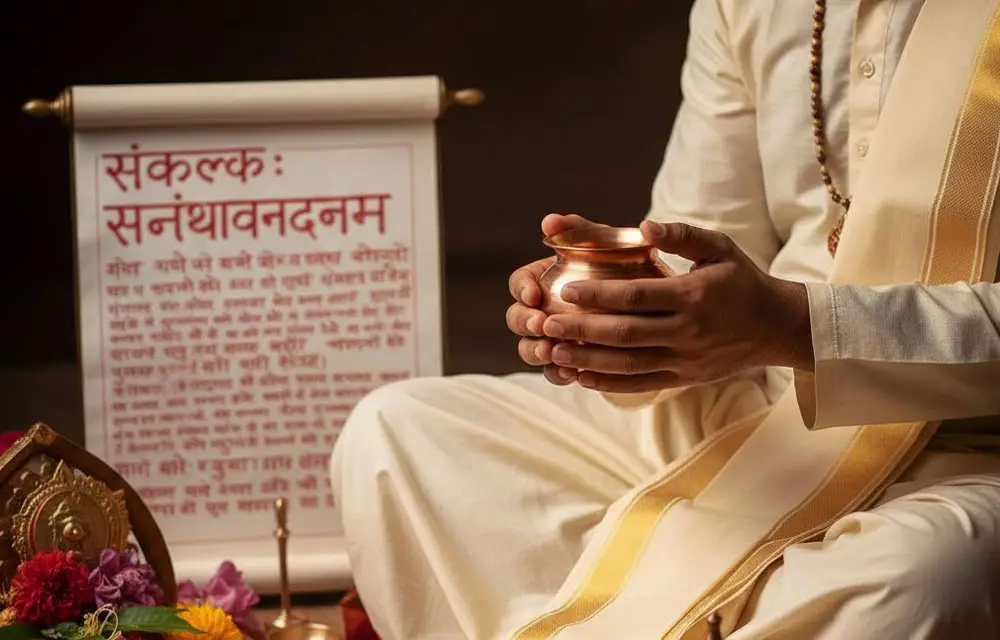
Complete Aditya Hridayam guide — all 30 verses in Sanskrit + Roman transliteration + English meaning. The supreme Sun prayer composed by sage Agastya and given to Lord Rama on the battlefield against Ravana.
Of all the prayers dedicated to Lord Surya, none is more sacred or more powerful than the Aditya Hridayam — the "Heart of the Sun" hymn. Composed in the Ramayana itself by sage Agastya and given to Lord Rama on the battlefield against Ravana, the Aditya Hridayam is the supreme Sanskrit prayer for victory, healing, strength, and the divine grace of the Sun God.
Every Sunday across the Hindu world — in temples, in homes, in NRI communities from Mumbai to Manhattan, from Kolkata to Kuala Lumpur — millions of devotees recite the Aditya Hridayam. The hymn has been continuously chanted for over 2,500 years. It is the prayer Lord Rama recited on the battlefield to gain the strength to defeat Ravana. It is the prayer that healed disease, restored kingdoms, transformed lives, and continues to do so today.
This complete HinduTone guide provides all 30 verses of the Aditya Hridayam in three forms: Sanskrit (Devanagari script), Roman transliteration (IAST format), and English meaning. We cover the dramatic origin story in the Ramayana, the meaning of each verse, how to chant the hymn for maximum spiritual benefit, the 12 sacred forms of Surya described in the hymn, when to chant (timing matters), the benefits documented in scripture and modern devotee testimony, and the practical instructions for new students.
What is the Aditya Hridayam?
Aditya Hridayam means "the heart of Aditya (the Sun)." The Sanskrit word hridayam (heart) carries deep meaning here — it refers not to the physical heart but to the essential, central, most concentrated form. The Aditya Hridayam is the spiritual heart of all Sun worship — the most compressed and powerful prayer in the entire Surya devotional tradition.
The hymn consists of approximately 30 verses (different manuscripts give slightly different counts; the most commonly accepted is 30 plus a closing summary verse). The verses describe Surya's many cosmic names, his cosmic functions, his powers, his mercy, and his role in all creation. The hymn culminates in the famous declaration: "By chanting this prayer three times, you shall be victorious in all battles."
The Aditya Hridayam appears in the Yuddha Kand (Battle Book) of the Valmiki Ramayana — Canto 107, verses 1-30. Its scriptural authority is unimpeachable: this is not a devotional poet's composition but a sacred dialogue between the cosmic sage Agastya and Lord Rama himself. The hymn carries the spiritual energy of both the sage who composed it and the divine avatar who first recited it.
The Origin Story in the Ramayana
The Aditya Hridayam emerges from one of the most dramatic moments in the Ramayana. After days of intense battle against Ravana, Lord Rama stood exhausted on the battlefield of Lanka. His sword arm hurt; his vision was dim from blood and dust; his bow felt heavy in his hands. The demon king Ravana stood before him, equally weary but determined to fight to the death. Around them, the corpses of slain warriors lay scattered. The Vanara army watched anxiously. The celestial deities watched from above.
At that decisive moment, sage Agastya — one of the seven cosmic sages (Saptarishis) — descended from the heavenly realm where he had been observing the battle. The sage approached Rama, recognized the divine avatar's exhaustion, and offered him the Aditya Hridayam — saying: "O Rama, listen to this eternal secret. By chanting this hymn three times to the rising Sun, you will be victorious over all enemies."
Rama, with characteristic discipline, did exactly as instructed. He turned to face the rising Sun (it was approximately dawn on the battlefield), purified himself with three sips of water, chanted the Aditya Hridayam three full times, and felt the cosmic energy of the Sun fill his being. His exhaustion vanished. His weapons felt light. His eyes regained their clarity.
Then Rama took up his bow and approached Ravana for the final battle. The Sun himself, looking down from his chariot, called out to Rama: "Make haste!" Rama released the Brahmastra arrow blessed by Surya's grace. The arrow pierced Ravana's heart. The demon king fell. The world was freed from his tyranny.
This is the single most spiritually charged moment in the entire Ramayana — the moment when divine grace meets human discipline through the Aditya Hridayam.
"In calamities, in distress, in forests, in fear — anyone who praises this Lord (Surya) does not become depressed or perish." — Aditya Hridayam Verse 25
When to Chant the Aditya Hridayam
The traditional Hindu instruction for Aditya Hridayam chanting follows specific guidelines:
- Time: At sunrise (most powerful) or within 2-3 hours after dawn. Some traditions also recommend just before sunset.
- Direction: Facing East toward the rising Sun (or West toward the setting Sun for evening chanting).
- Day: Sunday is the most powerful day. Every day chanting (especially morning) brings ongoing benefit.
- Frequency per session: Three full recitations (per Agastya's instruction to Rama) is the supreme practice. Even one recitation carries significant spiritual benefit.
- Body position: Standing facing the Sun is ideal. If standing is difficult, sitting upright facing East is acceptable.
- Preparation: Bathe, wear clean clothes (ideally red, orange, or gold), purify with water sipping (achamana — three sips), then chant.
- Combination: Aditya Hridayam paired with Surya Namaskar (12 sun salutations) before chanting creates the supreme Sunday sadhana.
How to Chant — Pronunciation Guide
The Aditya Hridayam is in classical Sanskrit. Correct pronunciation is important — the vibrations of the Sanskrit syllables carry the prayer's power. Some pronunciation tips:
- Long vowels (ā, ī, ū) are held twice as long as short vowels (a, i, u)
- The retroflex consonants (ṭ, ḍ, ṇ, ṣ) are pronounced with the tongue curled back
- The aspirated consonants (kha, gha, cha, jha, ṭha, ḍha, tha, dha, pha, bha) have a strong h-puff after the base sound
- The dental consonants (ta, tha, da, dha, na) use the tongue tip touching the teeth
- The sibilants — sha (palatal), ṣa (retroflex), sa (dental) — are distinct sounds
- Anusvara (ṁ or ṃ) is pronounced with a nasal "m" sound, with the mouth closed
- Visarga (ḥ) at the end of a word adds a soft h-sound, like a breath
Even beginners can recite the Aditya Hridayam with imperfect pronunciation — the divine grace flows to those who recite with sincere devotion, not those who pronounce with mechanical perfection. Audio recordings by traditional Sanskrit scholars are widely available for those wishing to learn correct pronunciation.
The Aditya Hridayam — All 30 Verses with Sanskrit, Transliteration & Meaning
Below are all 30 verses of the Aditya Hridayam. Each verse is presented in three forms: Sanskrit (Devanagari), Roman transliteration (IAST), and English meaning.
Verse 1
Sanskrit:
ततो युद्धपरिश्रान्तं समरे चिन्तया स्थितम् । रावणं चाग्रतो दृष्ट्वा युद्धाय समुपस्थितम् ॥
Transliteration:
tato yuddha-parishrāntam · samare cintayā sthitam · rāvaṇam cāgrato dṛṣṭvā · yuddhāya samupasthitam
Meaning: Then, seeing Lord Rama exhausted from the battle, standing in the battlefield deep in worry, with Ravana before him ready to fight again...
Verse 2
Sanskrit:
दैवतैश्च समागम्य द्रष्टुमभ्यागतो रणम् । उपागम्याब्रवीद्राममगस्त्यो भगवांस्तदा ॥
Transliteration:
daivataish ca samāgamya · draṣṭum abhyāgato raṇam · upāgamyābravīd rāmam · agastyo bhagavāṁs tadā
Meaning: The blessed sage Agastya, who had come with the celestial deities to witness the battle, approached Lord Rama and said:
Verse 3
Sanskrit:
राम राम महाबाहो शृणु गुह्यं सनातनम् । येन सर्वानरीन्वत्स समरे विजयिष्यसि ॥
Transliteration:
rāma rāma mahābāho · śṛṇu guhyam sanātanam · yena sarvān arīn vatsa · samare vijayiṣyasi
Advertisement
Meaning: O Rama, O mighty-armed Rama, listen to this eternal secret by which, dear child, you shall be victorious over all enemies in battle.
Verse 4
Sanskrit:
आदित्यहृदयं पुण्यं सर्वशत्रुविनाशनम् । जयावहं जपेन्नित्यमक्षयं परमं शिवम् ॥
Transliteration:
āditya-hṛdayam puṇyam · sarva-śatru-vināśanam · jayāvaham japen nityam · akṣayam paramam śivam
Meaning: The Aditya Hridayam — the sacred hymn — destroys all enemies, brings victory, is eternally meritorious, undecaying, supreme, and brings auspiciousness.
Verse 5
Sanskrit:
सर्वमंगलमांगल्यं सर्वपापप्रणाशनम् । चिन्ताशोकप्रशमनमायुर्वर्धनमुत्तमम् ॥
Transliteration:
sarva-maṅgala-māṅgalyam · sarva-pāpa-praṇāśanam · cintā-śoka-praśamanam · āyur-vardhanam uttamam
Meaning: It is the most auspicious of all auspicious things, destroys all sins, removes worry and grief, and is supreme for prolonging life.
Verse 6
Sanskrit:
रश्मिमन्तं समुद्यन्तं देवासुरनमस्कृतम् । पूजयस्व विवस्वन्तं भास्करं भुवनेश्वरम् ॥
Transliteration:
raśmimantam samudyantam · devāsura-namaskṛtam · pūjayasva vivasvantam · bhāskaram bhuvaneshvaram
Meaning: Worship the rising Sun, who is rich in rays, who is saluted by both gods and demons, the radiant one (Vivasvan), the maker of light (Bhaskara), the Lord of the worlds.
Verse 7
Sanskrit:
सर्वदेवात्मको ह्येष तेजस्वी रश्मिभावनः । एष देवासुरगणाँल्लोकान्पाति गभस्तिभिः ॥
Transliteration:
sarva-devātmako hy eṣa · tejasvī raśmi-bhāvanaḥ · eṣa devāsura-gaṇāl · lokān pāti gabhastibhiḥ
Meaning: He is the essence of all gods, full of radiance, the source of all rays. He protects all the worlds — gods and demons alike — through his rays.
Verse 8
Sanskrit:
एष ब्रह्मा च विष्णुश्च शिवः स्कन्दः प्रजापतिः । महेन्द्रो धनदः कालो यमः सोमो ह्यपां पतिः ॥
Transliteration:
eṣa brahmā ca viṣṇuś ca · śivaḥ skandaḥ prajāpatiḥ · mahendro dhanadaḥ kālo · yamaḥ somo hy apām patiḥ
Meaning: He is Brahma, Vishnu, Shiva, Skanda, Prajapati, Indra, Kubera, Time, Yama (death), Soma (moon), and the Lord of the waters (Varuna).
Verse 9
Sanskrit:
पितरो वसवः साध्या ह्यश्विनौ मरुतो मनुः । वायुर्वह्निः प्रजाप्राण ऋतुकर्ता प्रभाकरः ॥
Transliteration:
pitaro vasavaḥ sādhyā · hy aśvinau maruto manuḥ · vāyur vahniḥ prajā-prāṇa · ṛtu-kartā prabhākaraḥ
Meaning: He is the Pitrs (ancestors), the Vasus, the Sadhyas, the Ashvin twins, the Maruts (wind gods), Manu (progenitor), Vayu (wind), Vahni (fire), the breath of all beings, the maker of seasons, the bringer of light.
Verse 10
Sanskrit:
आदित्यः सविता सूर्यः खगः पूषा गभस्तिमान् । सुवर्णसदृशो भानुर्हिरण्यरेता दिवाकरः ॥
Transliteration:
ādityaḥ savitā sūryaḥ · khagaḥ pūṣā gabhastimān · suvarṇa-sadṛśo bhānur · hiraṇya-retā divākaraḥ
Meaning: He is Aditya (son of Aditi), Savitar (creator of light), Surya (the supreme orb), Khaga (sky-traveler), Pushan (nourisher), Gabhastiman (ray-bearer), like gold, Bhanu (radiant), the golden-seeded one, Divakara (maker of day).
Verse 11
Sanskrit:
हरिदश्वः सहस्रार्चिः सप्तसप्तिर्मरीचिमान् । तिमिरोन्मथनः शम्भुस्त्वष्टा मार्ताण्डकोंऽशुमान् ॥
Transliteration:
haridashvah sahasrārcih · sapta-saptir marīcimān · timironmathanah shambhus · tvashṭā mārtaṇḍakomshumān
Meaning: He has green horses, a thousand rays, the seven horses (representing seven colors of light), full of light-rays, destroyer of darkness, the auspicious one, Tvashtra (cosmic architect), Martanda (born from the womb), the one of light.
Verse 12
Sanskrit:
हिरण्यगर्भः शिशिरस्तपनो भास्करो रविः । अग्निगर्भोऽदितेः पुत्रः शङ्खः शिशिरनाशनः ॥
Transliteration:
hiraṇyagarbhah shishirah · tapano bhāskaro raviḥ · agni-garbho ditih putra · shankhah shishira-nāshanaḥ
Meaning: He is Hiranyagarbha (the golden cosmic womb), Shishira (cool one), Tapana (warming one), Bhaskara, Ravi (Sun). Born of fire, son of Aditi, the conch (cosmic sound), destroyer of cold.
Verse 13
Sanskrit:
व्योमनाथस्तमोभेदी ऋग्यजुःसामपारगः । घनवृष्टिरपां मित्रो विन्ध्यवीथीप्लवङ्गमः ॥
Transliteration:
vyoma-nāthah tamo-bhedī · ṛg-yajus-sāma-pāragah · ghana-vṛṣṭir apām mitro · vindhya-vīthī plavangamah
Meaning: He is the lord of the sky, the dispeller of darkness, the master of Rig, Yajur, and Sama Vedas, the source of dense rains, friend of waters, traveler of the Vindhya path.
Verse 14
Sanskrit:
आतपी मण्डली मृत्युः पिङ्गलः सर्वतापनः । कविर्विश्वो महातेजा रक्तः सर्वभवोद्भवः ॥
Transliteration:
ātapī maṇḍalī mṛtyuh · piṅgalah sarva-tāpanaḥ · kavir vishvo mahā-tejā · raktah sarva-bhavodbhavaḥ
Meaning: He is the giver of heat, the orbed one, Mrityu (death), tawny-eyed, the giver of all warmth, the cosmic poet, the universal one, of great splendor, red-colored, the origin of all that exists.
Verse 15
Sanskrit:
नक्षत्रग्रहताराणामधिपो विश्वभावनः । तेजसामपि तेजस्वी द्वादशात्मन्नमोऽस्तु ते ॥
Transliteration:
nakṣatra-graha-tārāṇām · adhipo vishva-bhāvanah · tejasām api tejasvī · dvādashātman namo 'stu te
Meaning: He is the lord of all stars, planets, and constellations, the maintainer of the universe, the radiance among all radiant ones. Salutations to you, O twelve-formed one (representing the 12 Adityas).
Verse 16
Sanskrit:
नमः पूर्वाय गिरये पश्चिमायाद्रये नमः । ज्योतिर्गणानां पतये दिनाधिपतये नमः ॥
Transliteration:
namaḥ pūrvāya giraye · pashcimāyādraye namaḥ · jyotir-gaṇānām pataye · dinādhipataye namaḥ
Meaning: Salutations to you, the one rising over the eastern mountain, and again salutations to you, the one setting beyond the western mountain. Salutations to the lord of all celestial luminaries, the master of the day.
Verse 17
Sanskrit:
जयाय जयभद्राय हर्यश्वाय नमो नमः । नमो नमः सहस्रांशो आदित्याय नमो नमः ॥
Transliteration:
jayāya jaya-bhadrāya · haryashvāya namo namaḥ · namo namaḥ sahasrāmsho · ādityāya namo namaḥ
Meaning: Salutations to you, the bestower of victory, the auspicious giver of victory, the one with green horses. Salutations again and again to the thousand-rayed one, the son of Aditi.
Verse 18
Sanskrit:
नम उग्राय वीराय सारंगाय नमो नमः । नमः पद्मप्रबोधाय मार्ताण्डाय नमो नमः ॥
Transliteration:
nama ugrāya vīrāya · sāraṅgāya namo namaḥ · namaḥ padma-prabodhāya · mārtāṇḍāya namo namaḥ
Meaning: Salutations to you, the fierce one, the heroic one, the speed-bird (deer). Salutations to the awakener of lotuses, the one born of the cosmic egg (Martanda).
Verse 19
Sanskrit:
ब्रह्मेशानाच्युतेशाय सूर्यायादित्यवर्चसे । भास्वते सर्वभक्षाय रौद्राय वपुषे नमः ॥
Transliteration:
brahmeshānācyuteshāya · sūryāyāditya-varcase · bhāsvate sarva-bhakṣāya · raudrāya vapuṣe namaḥ
Meaning: Salutations to you, the lord of Brahma, Shiva, and Vishnu, the Sun, the one with Aditya's splendor. Salutations to the radiant one, the consumer of all (at cosmic dissolution), the fierce-formed one.
Verse 20
Sanskrit:
तमोघ्नाय हिमघ्नाय शत्रुघ्नायामितात्मने । कृतघ्नघ्नाय देवाय ज्योतिषां पतये नमः ॥
Transliteration:
tamoghnāya hima-ghnāya · shatru-ghnāyāmitātmane · kṛta-ghna-ghnāya devāya · jyotiṣām pataye namaḥ
Meaning: Salutations to the destroyer of darkness, of cold, of enemies. Salutations to the unbounded soul, the destroyer of the ungrateful, the divine one, the lord of all celestial lights.
Verse 21
Sanskrit:
तप्तचामीकराभाय वह्नये विश्वकर्मणे । नमस्तमोभिनिघ्नाय रुचये लोकसाक्षिणे ॥
Transliteration:
tapta-cāmīkarābhāya · vahnaye vishva-karmaṇe · namas tamobhinighnāya · rucaye loka-sākṣiṇe
Meaning: Salutations to you, of the color of molten gold, the cosmic fire, the divine architect. Salutations to the destroyer of darkness, the beautiful one, the witness of all worlds.
Verse 22
Sanskrit:
नाशयत्येष वै भूतं तदेव सृजति प्रभुः । पायत्येष तपत्येष वर्षत्येष गभस्तिभिः ॥
Transliteration:
nāshayaty eṣa vai bhūtam · tad eva sṛjati prabhuḥ · pāyaty eṣa tapaty eṣa · varṣaty eṣa gabhastibhiḥ
Meaning: This Lord both destroys creation and recreates it. He nourishes through rays, heats through rays, and rains through rays.
Verse 23
Sanskrit:
एष सुप्तेषु जागर्ति भूतेषु परिनिष्ठितः । एष चैवाग्निहोत्रं च फलं चैवाग्निहोत्रिणाम् ॥
Transliteration:
eṣa supteṣu jāgarti · bhūteṣu pariniṣṭhitaḥ · eṣa caivāgnihotram ca · phalam caivāgnihotriṇām
Meaning: He is awake when all beings sleep, present within all beings. He is the agnihotra (sacred fire ritual) itself, and the fruit reaped by those who perform agnihotra.
Verse 24
Sanskrit:
वेदाश्च क्रतवश्चैव क्रतूनां फलमेव च । यानि कृत्यानि लोकेषु सर्व एष रविः प्रभुः ॥
Transliteration:
vedāsh ca kratavash caiva · kratūnām phalam eva ca · yāni kṛtyāni lokeṣu · sarva eṣa raviḥ prabhuḥ
Meaning: He is the Vedas and the sacrifices, and the fruit reaped from sacrifices. All actions in the worlds — this Sun Lord (Ravi) is the master of them all.
Verse 25
Sanskrit:
एनमापत्सु कृच्छ्रेषु कान्तारेषु भयेषु च । कीर्तयन्पुरुषः कश्चिन्नावसीदति राघव ॥
Transliteration:
enam āpatsu kṛcchreṣu · kāntāreṣu bhayeṣu ca · kīrtayan puruṣaḥ kashcin · nāvasīdati rāghava
Meaning: O Raghava (Rama), in calamities, in distress, in forests, in fear — anyone who praises this Lord (Surya) does not become depressed or perish.
Verse 26
Sanskrit:
पूजयस्वैनमेकाग्रो देवदेवं जगत्पतिम् । एतत्त्रिगुणितं जप्त्वा युद्धेषु विजयिष्यसि ॥
Transliteration:
pūjayasvainam ekāgro · deva-devam jagat-patim · etat triguṇitam japtvā · yuddheṣu vijayiṣyasi
Meaning: Worship this Lord of Lords, the master of the universe, with one-pointed mind. By chanting this prayer three times, you shall be victorious in battles.
Verse 27
Sanskrit:
अस्मिन्क्षणे महाबाहो रावणं त्वं वधिष्यसि । एवमुक्त्वा तदागस्त्यो जगाम च यथागतम् ॥
Transliteration:
asmin kṣaṇe mahābāho · rāvaṇam tvam vadhiṣyasi · evam uktvā tadāgastyo · jagāma ca yathāgatam
Meaning: O mighty-armed one, in this very moment you shall slay Ravana. Saying this, sage Agastya departed as he had come.
Verse 28
Sanskrit:
एतच्छ्रुत्वा महातेजा नष्टशोकोऽभवत्तदा । धारयामास सुप्रीतो राघवः प्रयतात्मवान् ॥
Transliteration:
etac chrutvā mahā-tejā · naṣṭa-shoko 'bhavat tadā · dhārayām āsa suprīto · rāghavaḥ prayatātmavān
Meaning: Having heard this, the supremely radiant Rama became free from grief. Delighted, the self-disciplined Raghava (Rama) absorbed the teaching in his heart.
Verse 29
Sanskrit:
आदित्यं प्रेक्ष्य जप्त्वा तु परं हर्षमवाप्तवान् । त्रिराचम्य शुचिर्भूत्वा धनुरादाय वीर्यवान् ॥
Transliteration:
ādityam prekṣya japtvā tu · param harṣam avāptavān · tir-ācamya shucir bhūtvā · dhanur ādāya vīryavān
Meaning: Looking at the Sun, having chanted (the Aditya Hridayam) three times, he gained supreme joy. Sipping water three times for purification, the mighty warrior took up his bow.
Verse 30
Sanskrit:
रावणं प्रेक्ष्य हृष्टात्मा युद्धाय समुपागमत् । सर्वयत्नेन महता वधे तस्य धृतोऽभवत् ॥ अथ रविरवदन्निरीक्ष्य रामं मुदितमनाः परमं प्रहृष्यमाणः । निशिचरपतिसंक्षयं विदित्वा सुरगणमध्यगतो वचस्त्वरेति ॥
Transliteration:
rāvaṇam prekṣya hṛṣṭātmā · yuddhāya samupāgamat · sarva-yatnena mahatā · vadhe tasya dhṛto 'bhavat · atha ravir avadan nirīkṣya rāmam · muditamanāḥ paramam prahṛṣyamāṇaḥ · nishicara-pati-saṃkṣayam viditvā · sura-gaṇa-madhya-gato vacas tvareti
Meaning: Looking at Ravana with joyful spirit, Rama approached for the final battle, fully resolved to slay him by every means. Then the Sun, seeing Rama and rejoicing greatly, knowing that the King of Night (Ravana) was destined for destruction, said to him from amongst the gods: "Make haste!"
The Sacred Numbers in the Aditya Hridayam
Several numbers carry special significance in the Aditya Hridayam:
- 30 verses: The traditional count. Some manuscripts give 31; the additional verse is usually a phalashruti (declaration of fruits).
- 3 recitations: Agastya's explicit instruction to Rama — "by chanting this prayer three times you shall be victorious."
- 12 Adityas: The hymn references the 12 cosmic forms of the Sun — each representing one aspect of Surya's divine nature.
- 7 horses: Implied in the imagery — Surya's chariot is drawn by seven horses representing the seven colors of light, the seven days, the seven chakras.
- 1000 rays (Sahasrāmsho): Verse 17 — "Salutations to the thousand-rayed one." Surya's rays are uncountable in number.
Benefits of Chanting Aditya Hridayam
The benefits of regular Aditya Hridayam chanting are documented both in scripture and in millennia of devotee testimony:
Spiritual Benefits
- Direct cosmic connection to Surya, the most ancient and universally accessible Hindu deity
- Awakening of the inner solar consciousness
- Strengthening of the Solar Plexus chakra (Manipura) — center of personal power
- Removal of darkness from the soul (verse 11, 20 — destroyer of darkness)
- Protection during spiritual battles and inner conflicts
- Increased clarity in dharmic decisions
- Cosmic alignment with the rising sun cycle (sunrise being the most spiritually charged moment of each day)
Health Benefits
- Improved eye health and vision (Surya is the cosmic eye)
- Heart and circulation strengthening
- Enhanced vitality and chronic fatigue recovery
- Skin radiance and hair vitality
- Recovery from chronic illness
- Strengthened immune system
- Better sleep cycle alignment with sunrise
- Hormonal balance through morning practice (sunrise activates vitamin D, melatonin reset, cortisol regulation)
Worldly Benefits
- Career advancement, particularly in leadership or authority roles
- Fame, recognition, social standing
- Victory in business competition (the hymn's explicit promise of "victory in battles" extends to business battles)
- Government favor and bureaucratic success
- Father-son relationship healing
- Children's welfare (particularly sons)
- Recovery from major life setbacks
- Restoration of lost wealth and prosperity
- Marriage and family harmony
Cosmic Benefits — Per the Hymn Itself
- Verse 4: "Destroys all enemies, brings victory, supreme and undecaying"
- Verse 5: "Most auspicious, destroys all sins, removes worry and grief, prolongs life"
- Verse 25: "Anyone who praises this Lord does not perish in calamities, distress, forests, or fear"
- Verse 26: "By chanting this prayer three times, you shall be victorious in battles"
How to Begin Aditya Hridayam Practice
For new students of the Aditya Hridayam, a structured 40-day practice plan works well:
- Days 1-7: Listen daily to a quality audio recitation. Begin to internalize the rhythm and Sanskrit phonemes. No active recitation yet — just absorb.
- Days 8-14: Recite verses 1-5 daily after listening to the audio. Practice slowly and carefully.
- Days 15-21: Add verses 6-15. Recite verses 1-15 daily.
- Days 22-28: Add verses 16-25. Recite the first 25 verses daily.
- Days 29-35: Complete the recitation with verses 26-30. Now reciting all 30 verses once daily.
- Days 36-40: Polish pronunciation, build comfort with the meter. Begin reciting 2-3 times.
- Day 41+: The Aditya Hridayam is part of your morning practice — three full recitations every Sunday morning facing the rising Sun, one daily otherwise.
Most practitioners memorize the entire Aditya Hridayam within 4-6 months. The hymn rewards consistent practice with deepening insight into its layers of meaning.
Aditya Hridayam for Specific Situations
Devotees often recite the Aditya Hridayam for specific life situations:
- Major exam coming: Recite three times the morning of the exam, facing the rising sun.
- Major business decision: Three recitations on the morning before the meeting.
- Court case: Three recitations on each day of the hearing.
- Job interview: Three recitations the morning of the interview.
- Health diagnosis: Daily recitation throughout treatment, three times on Sundays.
- Childbirth/major life passage: Daily recitation for the family member.
- Loss of loved one: Daily recitation during the grieving period — particularly powerful for healing grief.
- Major leadership role: Daily recitation to invoke Surya's authority-blessing.
Connection with Other Practices
The Aditya Hridayam pairs powerfully with several other Hindu practices:
- Surya Namaskar: 12 sun salutations performed before or after Aditya Hridayam recitation creates the supreme physical-spiritual Sunday sadhana.
- Gayatri Mantra: The Gayatri is the foundational Surya mantra. Chant the Gayatri 108 times daily before or after the Aditya Hridayam.
- Sandhya Vandana: The threefold Vedic prayer (dawn-noon-dusk) integrates the Aditya Hridayam at dawn and dusk.
- Sun Bath: Standing in the morning sun for 5-10 minutes while chanting amplifies the practice.
- Pranayama: Combining Sun-breath alternate-nostril breathing with chanting creates a complete pranic practice.
- Meditation on the inner Sun: After Aditya Hridayam, sit in silent meditation on the visualized inner sun at the heart chakra.
Aditya Hridayam for NRI Hindus
The Aditya Hridayam is particularly accessible for NRI Hindus:
- Time-zone universal — sunrise exists everywhere; the practice is universally portable
- Sanskrit-script independent — can be recited from Roman transliteration; many NRI devotees prefer this
- Connecting to heritage — for NRI children disconnected from Sanskrit tradition, learning the Aditya Hridayam is a profound cultural bridge
- Audio resources — Spotify, YouTube, Apple Music have countless quality recordings; perfect for morning commute
- Daily morning practice — fits easily into busy professional schedules
- Family practice — many NRI families recite together on Sundays; brings the entire household into the cosmic Surya energy
- Travel-portable — when on flights or unfamiliar locations, the Aditya Hridayam is a constant connection to home
- Crisis tool — during major life passages (job changes, health scares, family events), the Aditya Hridayam carries the wisdom of Agastya and Rama into every situation
Common Questions About Aditya Hridayam
1. Is the Aditya Hridayam different from the Gayatri Mantra?
Yes — different prayers, both dedicated to Surya. The Gayatri Mantra (24 syllables) is the foundational Vedic mantra dedicated to Savitar (the creative Sun); the Aditya Hridayam (30 verses) is the extended hymn praising all aspects of Surya. Many devotees recite both — Gayatri first (108 times), then Aditya Hridayam (1-3 times).
2. Can women chant the Aditya Hridayam?
Absolutely. The Aditya Hridayam has no gender restriction. Women across India and the NRI diaspora are among the most consistent reciters. The hymn's power flows to all who recite with sincere devotion.
3. Can children learn the Aditya Hridayam?
Yes — it is excellent for children 8 years and older. The Sanskrit meter and the dramatic Ramayana origin story appeal to young imaginations. Many NRI parents teach their children the Aditya Hridayam as their first major Sanskrit text.
4. Is the Aditya Hridayam difficult to memorize?
The full 30 verses can be memorized in 4-6 months with daily practice. The first 8-10 verses are often memorized within 2-3 weeks. The hymn's rhythmic Sanskrit structure aids memorization.
5. How long does the recitation take?
Single recitation: approximately 10-12 minutes at moderate pace. Three recitations (the prescribed Sunday practice): approximately 30-40 minutes total with brief pauses between.
6. Can I recite it without facing the sun?
Direct sun-facing is most powerful but not required. Indoor recitation with a visualization of the Sun is acceptable. The Sanskrit vibrations carry the practice's power regardless of physical orientation.
7. What if I miss a day?
Resume the next day without guilt. Daily practice is the ideal, but consistency over weeks matters more than perfect attendance. Sunday is the priority day.
8. Can the Aditya Hridayam help with anxiety or depression?
Many devotees report this benefit. The hymn's explicit promise "removes worry and grief" (verse 5) has been validated by countless personal testimonies. The combination of Sanskrit chanting + sunrise viewing + meditative focus creates a powerful psychological reset.
9. Is there a Hindi version of the Aditya Hridayam?
The hymn is in classical Sanskrit and cannot be properly translated into Hindi while preserving the mantric vibration. However, Hindi commentaries on the hymn are widely available. The recitation itself should remain in Sanskrit for full spiritual benefit.
10. Can the Aditya Hridayam be chanted at night?
Traditionally chanted at sunrise or sunset. Evening recitation is acceptable but the dawn recitation is most powerful. Avoid chanting during midnight hours — the sun-energy of the hymn is opposed to the cosmic rest of midnight.
Conclusion
The Aditya Hridayam is the supreme Hindu prayer dedicated to Lord Surya — composed by sage Agastya, given to Lord Rama on the battlefield of Lanka, and chanted by hundreds of millions of devotees over 2,500+ years. The hymn carries within it the spiritual authority of one of the cosmic sages, the divine grace of Lord Rama who first chanted it, and the radiant power of the Sun God himself.
Whether you recite it once daily, three times on Sundays, or only in moments of crisis when all else fails — the Aditya Hridayam will accompany you through every passage of life. It is the prayer that gave Rama strength to defeat the seemingly unbeatable enemy. It is the prayer that has gone with countless NRI devotees through job interviews, health scares, exams, court cases, and the simple weekly rhythm of Sunday morning practice. It is the prayer that connects you, in this very moment, to the same cosmic Sun that Sri Rama faced on that battlefield in Lanka.
Begin tomorrow. Stand facing the rising Sun. Recite the opening verse — "tato yuddha-parishrāntam..." Let the cosmic energy of Surya flow into your being. By the end of one month of daily practice, you will know in your bones what Rama knew when Agastya finished speaking: the Sun is always with you, and his grace is sufficient for every battle.
May Lord Surya bless you with the radiant strength of Rama, the cosmic wisdom of Agastya, and the eternal grace that flows through the 30 sacred verses of the Aditya Hridayam. 🙏 Om Suryaaya Namah! Aditya Hridayam Punyam!
Did you find this guide helpful? Share your Aditya Hridayam experience in the comments below. If this article touched your heart, please share with family and friends seeking the supreme Sun prayer. Subscribe to hindutone.com for more devotional guides. 🙏 Jai Surya Bhagavan!
Related Reading on HinduTone
- Importance of Sunday in Hinduism: Ravivar Vrat & Surya Worship
- Importance of Monday in Hinduism: Somvar Vrat & Lord Shiva
- Hanuman Chalisa: Complete 40 Verses with Hindi, Transliteration & Meaning
- Sundar Kand: Complete Guide & 7-Day Saptaha Paath
- Shiv Tandava Stotram: Ravana's Cosmic Dance Hymn
- Maha Mrityunjaya Mantra: Lyrics, Meaning & How to Chant
- 12 Jyotirlingas of Lord Shiva: Complete Pilgrimage Guide
- Sri Padmavathi Temple Tiruchanur Complete Guide 2026
You might also like
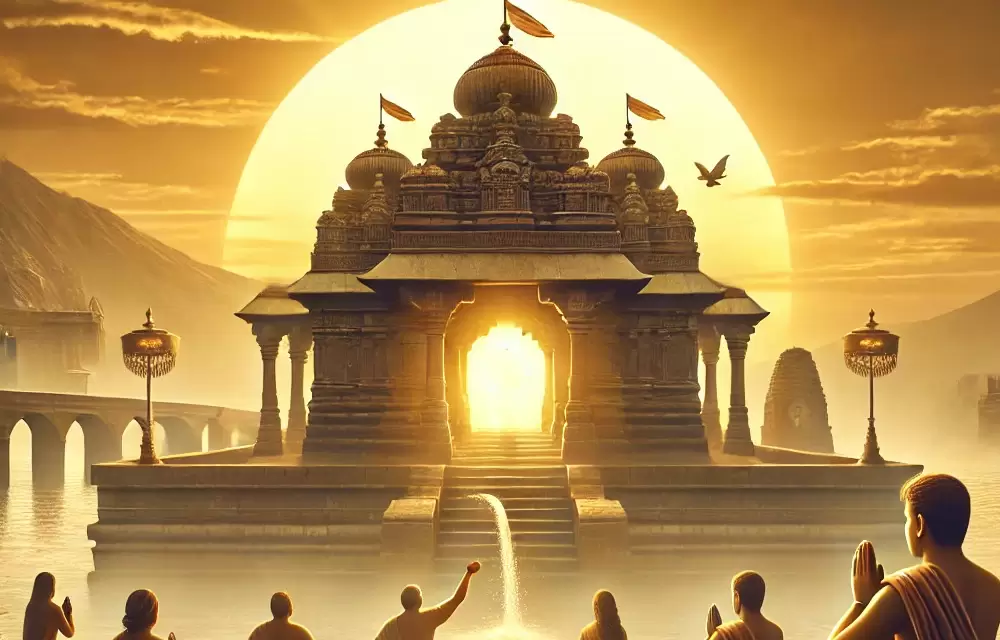
Importance of Sunday in Hinduism: Ravivar Vrat, Lord Surya Worship, Aditya Hridayam & 12 Adityas
Rudrashtakam Stotram: Tulsidas's 8-Verse Shiva Hymn — Lyrics, Meaning & Benefits
Shiv Tandava Stotram: Ravana's Cosmic Dance Hymn — Lyrics, Meaning & Benefits