Must-Visit Lord Shiva Temples in the USA: A Spiritual Journey Across the Nation
Introduction: The Divine Presence of Lord Shiva in the Land of Stars and Stripes In the vast and diverse landscape of the United States—where cultures from…
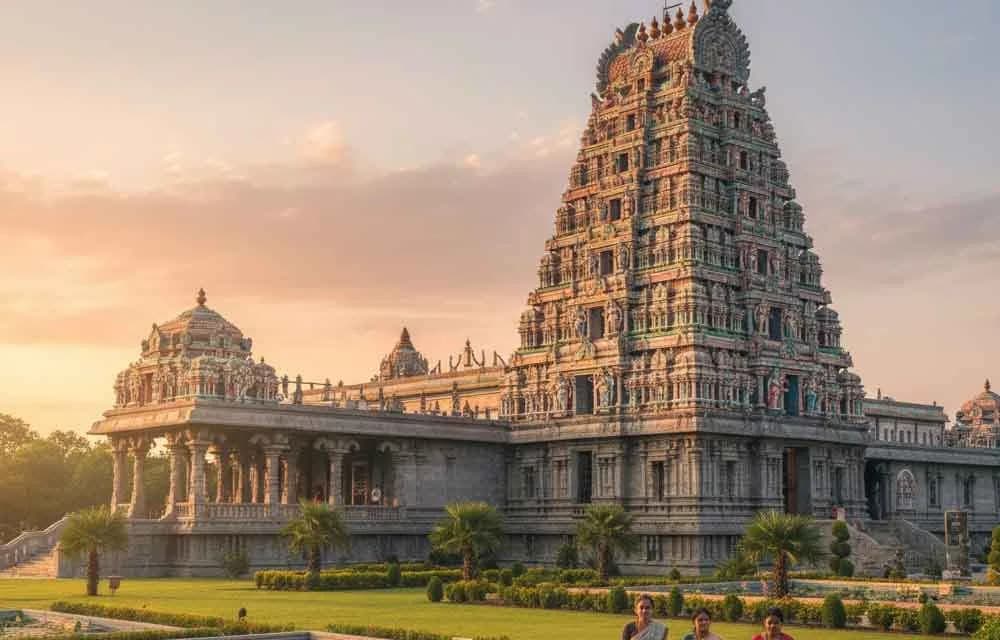
Introduction: The Divine Presence of Lord Shiva in the Land of Stars and Stripes In the vast and diverse landscape of the United States—where cultures from…
Introduction: The Divine Presence of Lord Shiva in the Land of Stars and Stripes
In the vast and diverse landscape of the United States—where cultures from around the world converge to create a mosaic of traditions—the worship of Lord Shiva, the eternal ascetic, cosmic dancer, and destroyer of ignorance, has found a profound and enduring home.
One of the principal deities in Hinduism, Mahadeva—the Great God—embodies both creation and dissolution, the stillness before birth and the silence after destruction. From the snow-capped Himalayas to the sunlit shores of southern India, Shiva temples grace the sacred geography of the subcontinent. Yet, in the United States, these divine sanctuaries have blossomed into beacons of faith, culture, and serenity for both the Hindu diaspora and spiritual seekers worldwide.
The story of Shiva temples in America began in the mid-20th century with early waves of Indian immigrants. What started as small gatherings in homes soon evolved into grand temple projects echoing the architectural brilliance of Dravidian and Nagara traditions. Today, over a hundred temples dedicated to Lord Shiva stand proudly across the nation—from the bustling East Coast to the tranquil islands of Hawaii—blending Vedic authenticity with American creativity through sustainable designs and inclusive spiritual practices.
To visit these temples is to experience Shaivism in motion—a philosophy of non-dualism where the self and the infinite merge. Here, devotees perform abhishekam (ritual bathing of the lingam), chant the Panchakshara mantra “Om Namah Shivaya,” and celebrate festivals like Maha Shivaratri, when Shiva’s cosmic dance, the Tandava, reverberates through the night.
In an age dominated by material pursuits, these temples serve as sanctuaries of stillness—a reminder of Shiva’s third eye, symbolizing inner wisdom and awakening. Whether you seek darshan, mindfulness, or cultural connection, these ten temples illuminate America’s spiritual landscape with the timeless light of Mahadeva.
Let us embark on this sacred journey across the nation—from ocean cliffs to mountain peaks—to experience the divine presence of Shiva in his many forms.
1. Malibu Hindu Temple, Calabasas, California – Where Ocean Breezes Meet Divine Grace
Nestled in the rolling hills of Calabasas, just a short drive from Malibu’s beaches, the Malibu Hindu Temple is a majestic homage to Lord Shiva and the broader Hindu pantheon. Established in 1983 by the Hindu Temple Society of Southern California, this 10-acre sanctuary blends Chola dynasty artistry with California’s golden landscapes.
The temple’s 40-foot gopuram (gateway tower) glows with vivid carvings from the Ramayana and Mahabharata, depicting Shiva as Bhairava and Dakshinamurthy. Within the sanctum stands a magnificent 8-foot crystal lingam sourced from Arkansas, surrounded by shrines to Parvati, Ganesha, and Subramanya—all sculpted from granite imported from Tamil Nadu.
Daily abhishekams, serene veena recitals, and vibrant festivals like Maha Shivaratri transform the temple into a living celebration of devotion. Visitors can explore meditation gardens adorned with Nataraja statues or participate in eco-conscious workshops inspired by Shiva as Pashupati, Lord of all living beings.
During Karthigai Deepam, thousands of lamps illuminate the temple grounds, symbolizing the triumph of knowledge over ignorance. With its tranquil ponds, organic vegetarian café, and serene mountain backdrop, the Malibu Hindu Temple is both a spiritual retreat and cultural jewel—a slice of Madurai magic beneath the Californian sun.
2. Iraivan Temple, Kauai, Hawaii – The Granite Jewel of the Pacific
On the lush Garden Isle of Kauai, the Iraivan Temple rises like a dream sculpted in stone. Conceived in 1975 by Sivaya Subramuniyaswami (Gurudeva), this is the first all-granite Hindu temple built outside India—crafted by 32 artisans in Tamil Nadu and assembled without mortar in Hawaii’s volcanic soil.
Dedicated exclusively to Lord Shiva, Iraivan’s Dravidian architecture features 24 monolithic pillars carved with 24 forms of Shiva, while its gold-leafed vimana gleams against rainbows that crown the Wailua River. At its heart lies a self-manifested swayambhu lingam, the axis of divine energy.
Daily pujas follow Agamic precision under the guidance of traditional Tamil priests, while visitors meditate in silence, attuning to the island’s deep spiritual hum. Maha Shivaratri here is an unforgettable 12-hour vigil of chant, devotion, and transformation.
Sustainably built and spiritually charged, the Iraivan Temple is more than architecture—it is a living transmission of Saiva Siddhanta philosophy, where granite, jungle, and mantra merge into one eternal vibration.
3. Sri Somesvara Temple, Clyde, North Carolina – Mount Soma’s Vedic Citadel
High in the Blue Ridge Mountains, the Sri Somesvara Temple stands as the heart of the Mount Soma community—an eco-conscious Vedic village blending Shaivism with Maharishi Mahesh Yogi’s teachings.
Consecrated in 2003, this temple aligns with the earth’s natural ley lines to amplify prana (life force). Built from local Appalachian stone, its wooden carvings and crystalline lingam radiate serene energy amid forested peaks.
The temple’s community embodies dharmic sustainability, practicing organic farming, meditation, and Vedic science research. Festivals like Maha Shivaratri feature dawn treks and open-air abhishekams beneath the stars.
Visitors may stay in ashram cottages, attend peace conferences, or meditate by the sacred Crystal Spring believed to balance chakras. With its holistic integration of ecology and spirituality, Mount Soma manifests Shiva’s cosmic balance between stillness and transformation.
4. New England Siva Temple, Groton–Littleton, Massachusetts – The Northeast’s Shaivite Heart
Amid Massachusetts’ woodlands, the New England Siva Temple (Parvati Parameswara Temple) serves as the region’s foremost Shaivite sanctuary. Established in 2013, it enshrines a Narmada River lingam and silver Parvati idol symbolizing divine unity.
The temple’s architecture reflects Chola elegance adapted for New England winters, its granite walls engraved with Ardhanarishvara—Shiva and Shakti in perfect harmony. Beyond rituals, it thrives as a cultural and educational hub, offering Sanskrit classes, storytelling circles, and youth programs celebrating Shiva’s cosmic dance.
Maha Shivaratri is celebrated with 24-hour vigils, bonfires, and devotional storytelling under starry skies. Herbal gardens, digital jyotirlinga tours, and interfaith dialogues unite Vedic tradition with Boston’s intellectual spirit—proving that Shiva’s wisdom transcends geography.
5. Boston Sri Kalikambal Shiva Temple, Bellingham, Massachusetts – Jyotirlinga Dreams in the Bay State
Echoing Chennai’s famed Kalikambal Temple, this Bellingham sanctuary radiates the fierce compassion of Shiva united with Kali. Founded in 2010, it is building replicas of all 12 Jyotirlingas, bringing India’s holiest Shiva shrines to America.
The temple’s colorful gopuram depicts Kali’s dance over ignorance, while the sanctum houses a radiant lingam from Rameshwaram sands. Rituals blend Tamil devotion with modern outreach—AI-guided mantra lessons, virtual pujas, and community charity drives.
Festivals like Navaratri and Maha Shivaratri fill the air with chants, lights, and sacred energy. Through environmental projects, women’s empowerment circles, and youth yoga, this temple stands as a modern manifestation of Shiva-Shakti synergy—transforming technology into a path of devotion.
6. Sri Siva Vishnu Temple, Lanham, Maryland – The Capital’s Dual Divine Embrace
Near Washington, D.C., the Sri Siva Vishnu Temple (SSVT) unites two great cosmic forces—Shiva and Vishnu—within one harmonious structure. Built from Kanchipuram granite and consecrated in 1998, it features twin gopurams and mirrored sanctums embodying divine balance.
Rituals flow seamlessly between Shaivite and Vaishnavite traditions, while educational programs, classical concerts, and interfaith outreach foster unity.
During Maha Shivaratri, the temple glows with a thousand lamps as devotees chant through the night. Amid the capital’s political intensity, SSVT offers tranquil refuge and timeless truth.
7. Chinmaya Amarnath Temple, Mars, Pennsylvania – The Ice Lingam of the Rust Belt
In the quiet hills near Pittsburgh, the Chinmaya Amarnath Temple brings the Himalayas to Pennsylvania. Its replica ice lingam recalls the sacred Amarnath Cave of Kashmir, symbolizing the impermanence of all forms.
Founded in 2001 under the Chinmaya Mission, the temple integrates Vedantic wisdom with ritual devotion. Every summer, devotees reenact the Amarnath Yatra, climbing the hillside shrine amid drone-dropped flower petals.
With youth leadership programs, Gita study circles, and meditative silence, this temple transforms industrial resilience into spiritual awakening.
8. Shiva Vishnu Temple of South Florida, Southwest Ranches – Tropical Shaiva Splendor
Between coconut groves and Everglades waters, the Shiva Vishnu Temple of South Florida radiates tropical devotion. Built by South Indian and Caribbean communities, its coral-pink towers gleam under the Floridian sun.
The rose quartz lingam glows at sunset as coconut water abhishekams and mango-leaf toranas honor Shiva’s presence amid palm breezes. Eco-friendly rituals, hurricane relief drives, and turtle conservation programs reveal the temple’s compassionate spirit—a paradise where bhakti meets biodiversity.
9. Sri Kasi Vishwanatha Temple, Flint, Michigan – The Midwest’s Kashi
In the heart of Michigan’s resilient city of Flint, the Sri Kasi Vishwanatha Temple stands as a beacon of renewal. Modeled after Varanasi’s Kashi Vishwanath, it features artificial ghats and a serene pond for Ganga aarti.
Here, daily worship of a Ganga-sourced lingam brings comfort to communities once burdened by water crises. Through counseling programs, vocational workshops, and youth mentorship, the temple embodies Shiva’s healing compassion—transforming adversity into divine grace.
10. Shiv Durga Temple, Santa Clara, California – Silicon Valley’s Sacred Innovation
At the intersection of spirituality and technology, Santa Clara’s Shiv Durga Temple redefines modern worship. Founded by tech visionaries in 2012, it fuses ancient rituals with digital transparency, using blockchain donations and app-based puja scheduling.
Its glass-and-granite design lets natural light bathe the lingam, symbolizing clarity and consciousness. Festivals feature drone light shows of Shiva’s Tandava, while scholarships and mindfulness retreats empower devotees to embody divine strength in the digital era.
This is Shiva’s dance reborn for the 21st century—where code meets consciousness.
Conclusion: Eternal Echoes of Har Har Mahadev
Scattered like rudraksha beads across the American landscape, these ten Shiva temples embody devotion, resilience, and unity. From Hawaii’s granite sanctum to Michigan’s river ghats, from Malibu’s breezy hills to Silicon Valley’s glass sanctuaries, each temple vibrates with Shiva’s eternal rhythm—the cosmic pulse of creation and dissolution.
For seekers, these are not just destinations—they are doorways to transformation, where the whisper of “Har Har Mahadev” echoes through mountains, oceans, and hearts alike.
May Lord Shiva, the Blue-Throated One, bless your path with wisdom, peace, and the joy of the eternal dance.
Om Namah Shivaya.
Frequently Asked Questions
Where is Must located?
Introduction: The Divine Presence of Lord Shiva in the Land of Stars and Stripes In the vast and diverse landscape of the United States—where cultures from around the world converge to create a mosaic of traditions—the worship of Lord Shiva , the eternal ascetic, cosmic dancer, and destroyer of ignorance, has found a profound and enduring home. One of the pr
Who is the presiding deity of Must?
The presiding deity is Lord Shiva.
What are the timings and how do I reach Must?
Temples typically open early morning and evening; confirm current darshan timings before visiting. The nearest airport, railway station and road routes are covered in the guide above.
What is the best time to visit Must?
Major festival days and the cooler months are popular, though weekday mornings offer a calmer darshan. Plan around the temple's key festivals for the most vibrant experience.
You might also like
Janmashtami 2026 in India: Date, Rituals & Top Temples to Visit
The Twelve Jyotirlingas of Lord Shiva: A Complete Pilgrim's Guide Across India

Mahakaleshwar: Divine Mysteries & Soul-Stirring Miracles of the Lord of Time at Ujjain