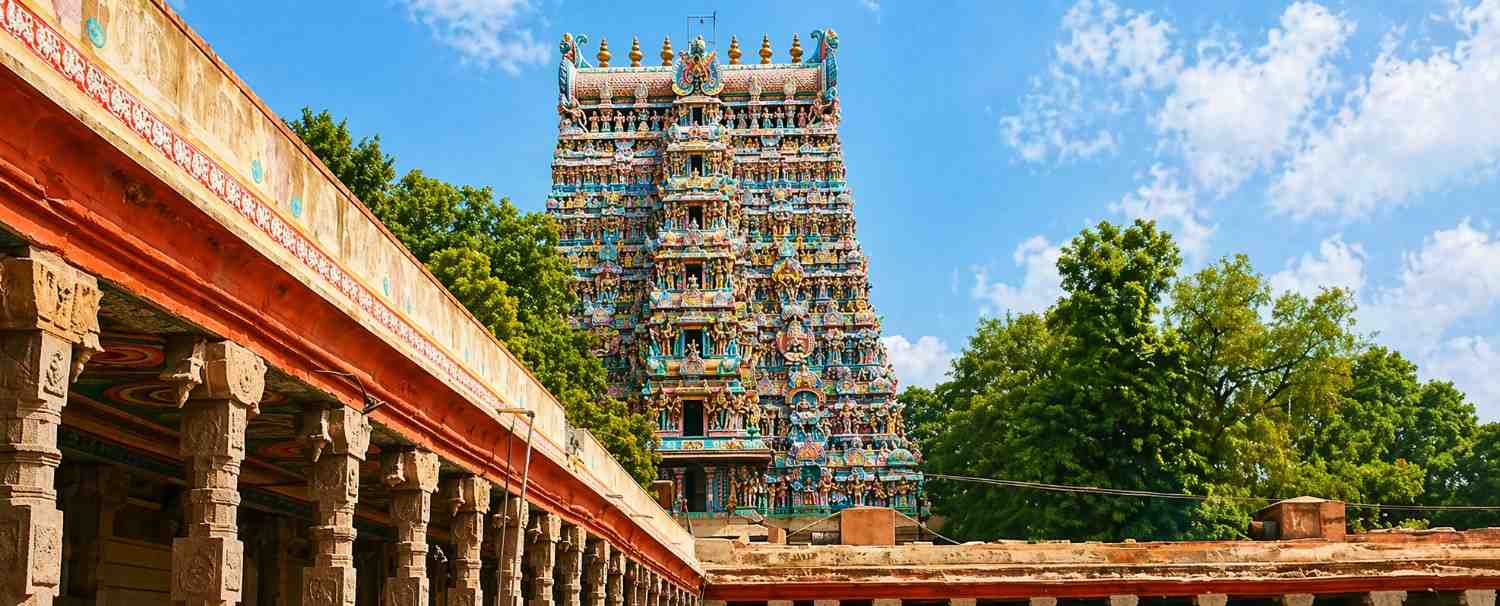
Sri Rama Temples and significant Rama worship centres across the Gulf Cooperation Council (GCC) countries (UAE, Bahrain, Oman, Qatar, Kuwait, Saudi Arabia).

This guide follows the devotional style of the UK and UAE versions, focusing on places where Lord Rama (with Sita, Lakshmana, and Hanuman) is worshipped or has dedicated shrines. The large Indian expatriate community (millions across the Gulf) keeps Rama bhakti alive through temples, community halls, and annual Ram Navami celebrations, even where formal temples are limited due to local regulations.
This guide follows the devotional style of the UK and UAE versions, focusing on places where Lord Rama (with Sita, Lakshmana, and Hanuman) is worshipped or has dedicated shrines.
The large Indian expatriate community (millions across the Gulf) keeps Rama bhakti alive through temples, community halls, and annual Ram Navami celebrations, even where formal temples are limited due to local regulations.
1. United Arab Emirates (UAE) – The Crown Jewel of Hindu Worship in the Gulf
The UAE has the most developed Hindu infrastructure in the GCC, thanks to its policy of tolerance.
Abu Dhabi
- BAPS Hindu Mandir, Abu Dhabi (MOST FAMOUS & SIGNIFICANT RAMA TEMPLE IN THE GULF) Address: P6 Al Taf Road (E16), Abu Mureikha, Abu Dhabi Phone: +971 2 556 1982 | Website: mandir.ae Timings: Tue–Sun 9:00 AM – 8:00 PM (Closed Mondays); Ganga Aarti: 7:30 PM (weekdays), 6:45 & 7:30 PM (weekends) Nearest Airport: Abu Dhabi International (~30–45 min drive). Advance online booking recommended.This stunning pink sandstone Nagara-style temple (opened 2024) is the largest traditional Hindu temple in the Middle East. It features a dedicated Sita-Rama-Lakshmana-Hanuman shrine with beautiful marble murtis. Ram Navami is celebrated with grand bhajans, aarti, kirtans, and thousands of devotees.Principal Deities: Swaminarayan, Radha-Krishna, Sita-Rama-Lakshmana-Hanuman, Shiva-Parvati, Venkateswara, etc. Special Features: Seven shikharas (one for each Emirate), intricate Ramayana carvings, visitor centre, symbol of India-UAE friendship.
Dubai 2. Hindu Temple, Jebel Ali (Dubai Hindu Temple) Address: Jebel Ali Village, Dubai (near Sikh Gurudwara) Timings: Generally 5:00 AM – 10:00 PM (confirm locally).
One of the main Hindu temples in Dubai with a prominent Lord Rama shrine along with Rama’s family. It houses 16+ deities including Rama, Sita, Lakshmana, Hanuman, Krishna, Vishnu, Shiva, Durga, Murugan, and Ayyappan. Ram Navami is observed with puja, bhajans, and community events.
- Shree Krishna Haveli / Krishna Temple, Bur Dubai (and associated Shiva-Krishna complex) Vaishnava worship centre where Lord Rama is revered as Vishnu’s avatar. Ram Navami programs are held here.
- ISKCON Centres / Programs in Dubai Regular Ram Navami kirtans, abhishekam, and Ramayana discourses in the Vaishnava tradition.
Ram Navami 2026: Grand celebrations at BAPS Abu Dhabi (main event) and Dubai temples with special aarti, decorations, and prasadam.
2. Bahrain – Historic Hindu Presence
Bahrain has some of the oldest Hindu temples in the Gulf, serving the Indian community for over 200 years.
Manama
- Shrinathji Temple (Shri Krishna Temple), Manama (Heritage temple established 1817) This historic temple is dedicated to Lord Shrinathji (Krishna) but actively celebrates Ram Navami with puja, bhajans, Ramayana recitals, and community gatherings. Lord Rama is honoured as part of the Vaishnava tradition.
- BAPS Shri Swaminarayan Mandir & Cultural Complex, Manama Hosts Ram Navami and Swaminarayan Jayanti with devotional programs.
- Other centres: Durga Mata Temple, ISKCON Balramdesh.
Rama worship occurs mainly through festivals and home/community pujas, with Ram Navami being a major annual event drawing devotees.
3. Oman – One of the Oldest Hindu Sites in the Middle East
Muscat is home to some of the region’s oldest Hindu temples.
Muscat
- Motishwar Mandir (Shri Shiva Temple / Adi Motishwar Mahadev Temple), Mutrah One of the oldest Hindu temples in the Gulf (over 100–350 years old, depending on sections). Dedicated primarily to Shiva and Hanuman, it celebrates Ram Navami with special pujas, abhishekam, and bhajans. Lord Rama and the Ramayana tradition are honoured during Vaishnava festivals.
- Sri Krishna Temple, Darsait (Ruwi) The only dedicated Krishna temple in Oman. It observes all major festivals including Ram Navami with kirtans and discourses on Lord Rama as Vishnu’s avatar.
Both temples fall under the Ministry of Endowments and Religious Affairs and welcome the Indian community. PM Narendra Modi visited the Shiva temple in 2018.
4. Qatar – Limited but Active Community Worship
Qatar has a small number of Hindu places of worship, mostly community-managed.
Doha
- Maa Durga Devi Mandir (main Hindu temple) and other satsang/community halls.
- Reports mention a Shri Ram Temple or Rama shrine in the West Bay / Al Mansoura area where Lord Rama, Sita, and Lakshmana are worshipped. Ram Navami features reenactments, bhajans, and communal feasts.
Hindu worship is largely through cultural associations and home mandirs. Large Ram Navami events are organized in community venues or rented halls with Ram katha, aarti, and prasadam.
5. Kuwait – Community-Driven Devotion
No large public Hindu temples exist, but the Indian community (hundreds of thousands) maintains strong Rama bhakti.
- Rama worship and Ram Navami celebrations are held in private community halls, cultural centres, or ISKCON-style programs.
- Devotees organize abhishekam, Ramayana recitals, bhajans, and processions (sometimes low-key due to local sensitivities).
- In the past, public expressions (e.g., celebrations of Ayodhya Ram Mandir) have occasionally drawn attention, so most events remain within the Indian expatriate community.
Check with local Indian associations or temples in neighbouring countries for coordinated events.
6. Saudi Arabia – Very Limited Public Worship
Public Hindu temples are not permitted in Saudi Arabia.
- Rama worship happens privately in homes or discreet community gatherings among the large Indian workforce.
- Ram Navami tithi is observed individually or in small groups with puja, fasting, and Ram dhun.
- No official temples or public shrines for Lord Rama.
Note: Always respect local laws and sensitivities in every Gulf country.
Quick Reference: Sri Rama Worship in GCC Countries
Sri Rama Navami 2026 Across the Gulf
Ram Navami falls around 26–27 March 2026.
- Highlight: BAPS Hindu Mandir, Abu Dhabi — grandest celebrations with thousands of devotees, special decorations, Ram kirtans, and cultural programs.
- Other major observances: Dubai Jebel Ali Temple, Bahrain Shrinathji Temple, Oman Muscat temples, and community events in Qatar.
- In all countries: Expect Ram abhishekam, Ramayana katha, bhajans, Ram dhun, and prasadam distribution where permitted. Check temple websites or Indian community groups for exact programs and any booking requirements.
Visitor Guidelines for Gulf Hindu Temples
- Dress: Modest clothing (cover shoulders & knees). Traditional Indian attire is appreciated.
- Footwear: Always remove shoes.
- Photography: Usually restricted inside sanctum — ask permission.
- Entry: Some temples (e.g., BAPS Abu Dhabi) require free online registration, especially on festivals.
- Behaviour: Maintain silence and respect during aarti/puja. Non-Hindus are welcome with reverence.
- Prasadam & Donations: Commonly offered; hundi boxes support the temples.
Jai Shri Ram! Jai Siya Ram!
These sacred spaces — from the majestic BAPS Mandir in the Abu Dhabi desert to the historic temples of Muscat and Manama — keep the eternal flame of Lord Rama burning brightly across the Gulf, thanks to the devotion of the Indian diaspora.
Bookmark this guide and share it with fellow devotees. Always verify latest timings, bookings, and event details directly from official temple websites or community pages, as they may change.
For any specific city or temple updates, feel free to ask.
Jai Shri Ram!
You might also like
Top 15 Sri Rama Temples in India 2026: Complete Guide to History, Darshan Timings, Rama Navami Celebrations & Pilgrim Tips By Hindutone Team |
Sri Rama Temples in the USA: Complete State-by-State Guide

US Senator Eric Schmitt Calls Hyderabad’s Chilkur Balaji Temple "Visa Temple" in H-1B Visa Controversy — Full Story