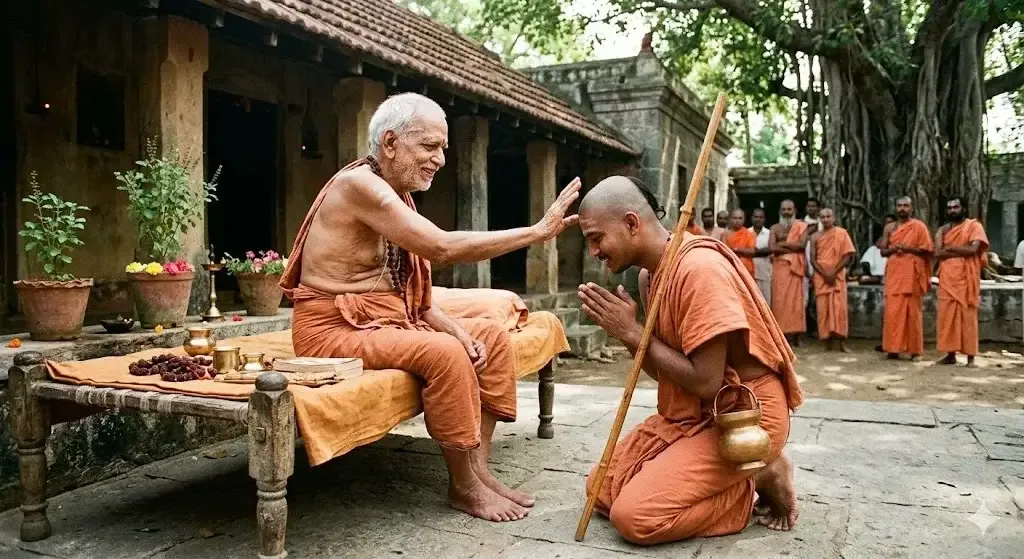
Global Diwali Markets: Shopping, Food, and Cultural Stalls Around the World
The Divine Light That Illuminates the World "Tamaso Ma Jyotirgamaya" - Lead me from darkness to light As this ancient Vedic prayer resonates through homes and…
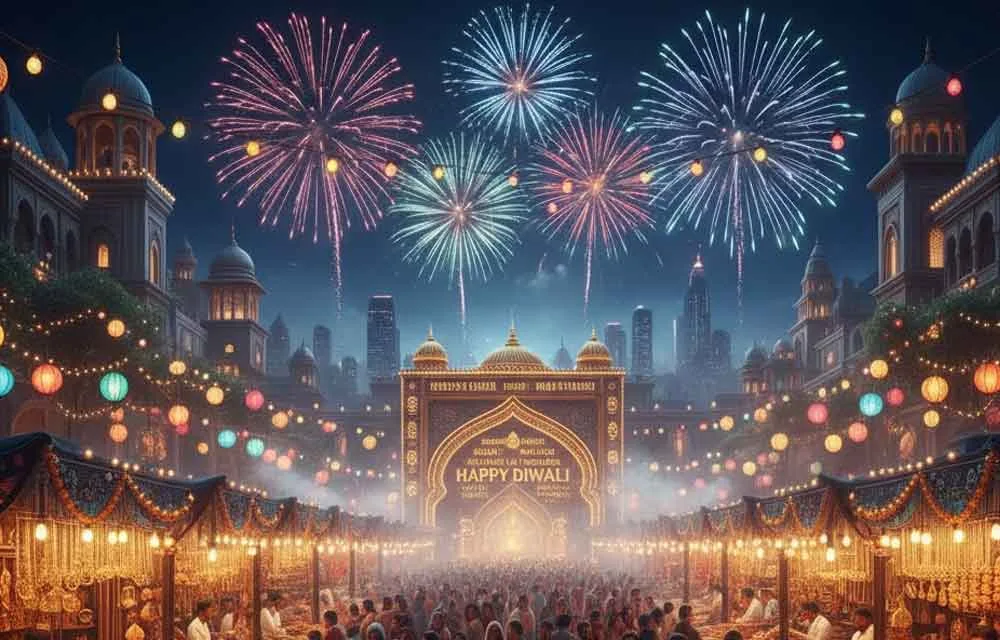
The Divine Light That Illuminates the World "Tamaso Ma Jyotirgamaya" - Lead me from darkness to light As this ancient Vedic prayer resonates through homes and…
The Divine Light That Illuminates the World
"Tamaso Ma Jyotirgamaya" - Lead me from darkness to light
As this ancient Vedic prayer resonates through homes and hearts during Diwali, the Festival of Lights has transcended geographical boundaries to illuminate communities across the globe. What began as a celebration rooted in ancient Indian tradition has blossomed into a worldwide phenomenon, with Diwali markets emerging as vibrant centers of devotion, culture, and commerce on every continent.
The Sacred Story Behind Diwali Celebrations
Before exploring the magnificent Diwali markets worldwide, let us remember the divine origins of this auspicious festival.
The Victory of Lord Rama
The most cherished story behind Diwali comes from the sacred epic Ramayana. After fourteen years of exile, Lord Rama returned to Ayodhya with his beloved wife Sita and devoted brother Lakshmana after defeating the demon king Ravana. The citizens of Ayodhya, overjoyed at their righteous king's return, lit millions of earthen lamps (diyas) to illuminate his path home and celebrate the triumph of good over evil, light over darkness.
Goddess Lakshmi's Divine Blessings
Diwali also celebrates the day when Goddess Lakshmi, the deity of wealth, prosperity, and abundance, emerged from the cosmic ocean during Samudra Manthan (the churning of the ocean). Devotees worship her on this night, inviting her divine presence into their homes and hearts, seeking blessings for prosperity and spiritual abundance.
Lord Krishna and Narakasura
In another sacred narrative, Lord Krishna defeated the demon Narakasura, liberating thousands of captive beings and restoring dharma (righteousness) to the world. This victory is celebrated as a reminder that divine intervention always prevails against oppression.
Diwali Markets Worldwide: Where Tradition Meets Global Culture
North America: A Tapestry of Light and Faith
Edison, New Jersey - Little India's Grand Mela
Edison's Oak Tree Road transforms into a dazzling corridor of devotion during Diwali season. This iconic Diwali market features:
- Temple-blessed Items: Sacred idols of Goddess Lakshmi and Lord Ganesha, puja thalis, and blessed kumkum
- Traditional Mithai: Authentic kaju katli, motichoor ladoos, and jalebi prepared with devotional care
- Rangoli Supplies: Vibrant colored powders, stencils, and eco-friendly materials for creating sacred threshold art
- Ethnic Wear: Exquisite sarees, lehengas, and kurta-pajamas for performing lakshmi puja
Spiritual Significance: These markets often host live aarti ceremonies and kirtan performances, making shopping itself an act of devotion.
Toronto Diwali Festival, Canada
The Canadian city hosts one of North America's largest Diwali fairs, where the Gerrard India Bazaar comes alive with:
- Diya Stalls: Thousands of handcrafted clay lamps, symbolizing the inner light of consciousness
- Henna Artists: Creating intricate mehndi designs, an auspicious tradition for married women
- Prasad Distribution: Free blessed food from local temples
- Cultural Performances: Classical Bharatanatyam and Kathak dance depicting stories from Hindu scriptures
United Kingdom: Where East Meets West in Sacred Harmony
Leicester Diwali Celebrations
Leicester hosts the largest Diwali celebrations outside India, with the famous Golden Mile (Belgrave Road) transforming into a spiritual marketplace:
- Lights Switch-On Ceremony: Over 40,000 diyas illuminate the streets, recreating ancient Ayodhya's welcome to Lord Rama
- Mandir Stalls: Temple committees sell consecrated items and distribute blessed food
- Bollywood Dandiya: Traditional Gujarati garba and dandiya raas celebrating divine feminine energy
- Fireworks Display: Symbolizing the destruction of negativity and evil
Southall London Diwali Market
Known as "Little Punjab," Southall's Broadway becomes a devotional shopping destination featuring:
- Religious Books: Sacred texts, Ramayana editions, and spiritual literature in multiple languages
- Puja Essentials: Incense, camphor, sacred threads, and copper kalash for rituals
- Golden Temple Langar-Style Food: Community kitchens serving blessed vegetarian meals
- Kirtan Sessions: Live devotional music celebrating divine names
Southeast Asia: Ancient Traditions in Modern Markets
Singapore's Little India Diwali Bazaar
Singapore's Serangoon Road erupts in a spectacular display of faith and festivity:
- Deepavali Light-Up: UNESCO-recognized illumination featuring traditional kolam patterns
- Temple Flower Stalls: Fresh marigolds, lotus, and jasmine for deity worship
- Sacred Cow Ghee: Pure ghee for lighting diyas and preparing prasad
- 24-Hour Shopping: Reflecting the belief that Goddess Lakshmi blesses late-night devotees
Divine Experience: The Sri Veeramakaliamman Temple nearby conducts special abhishekams (ritual baths) for the deities, and devotees often shop after receiving blessings.
Malaysia's Diwali Street Markets
Kuala Lumpur's Brickfields neighborhood (Little India) hosts magnificent Diwali fairs:
- Banana Leaf Feast Stalls: Traditional South Indian prasad-style meals
- Kolam Competition Grounds: Where artists create massive rangoli using colored rice flour
- Devotional Music Stores: Classical Carnatic and Hindustani devotional albums
- Saree Draping Workshops: Teaching the sacred art of traditional Indian garment wearing
Australia: Southern Hemisphere's Festival of Lights
Federation Square, Melbourne
Melbourne's iconic square hosts Australia's largest Diwali festival:
- Lakshmi Puja Demonstrations: Public worship ceremonies teaching traditional rituals
- Vegetarian Food Court: Honoring the sattvic (pure) dietary practices of the festival
- Craft Workshops: Making paper diyas, teaching children about Lord Rama's story
- Multicultural Performances: Showcasing Hindu, Sikh, Jain, and Buddhist Diwali traditions
Harris Park, Sydney
Sydney's Little India celebrates with:
- Floating Diyas Ceremony: Releasing lit lamps on water, symbolizing letting go of past karma
- Ayurvedic Wellness Stalls: Promoting holistic health aligned with Hindu principles
- Vedic Astrology Readings: Traditional jyotish consultations for the new year
- Gau Seva Programs: Promoting cow protection and dairy product sales
Middle East: Ancient Connections Renewed
Dubai Diwali Markets
The UAE's cosmopolitan hub celebrates with grandeur:
- Global Village Diwali Pavilion: Featuring state-wise specialties from across India
- Gold Souk Special Collections: Traditional jewelry for adorning deities and auspicious purchases
- Spice Souk Offerings: Sacred ingredients like saffron, cardamom for festive preparations
- Burj Khalifa Light Show: Special Diwali-themed illumination honoring Indian culture
Africa: Diaspora's Devotional Heritage
Durban, South Africa
Home to the largest Indian diaspora in Africa:
- Victoria Street Market: Historic Diwali shopping destination with temple-blessed items
- Kathiawad Hindu Seva Samaj Events: Community organizations hosting traditional fairs
- Tamil Kovil Celebrations: Temple festivals integrated with market activities
- Bunny Chow Stalls: Indo-African fusion food representing cultural synthesis
Sacred Shopping: What Makes Diwali Markets Special
Essential Items Found at Diwali Markets Worldwide
For Lakshmi Puja (Worship of Goddess of Wealth)
- Murti (Idols): Clay or brass images of Goddess Lakshmi and Lord Ganesha
- Puja Thali: Decorated plates containing all ritual items
- Diyas and Oil: Clay lamps and pure mustard or sesame oil
- Incense and Dhoop: Sandalwood, mogra, and special Diwali fragrances
- Fresh Flowers: Marigolds (genda), roses, and lotus blooms
- Kumkum and Haldi: Sacred vermillion and turmeric powders
- Akshat (Rice Grains): Unbroken rice for offering
- Fruits and Coconut: Fresh offerings for the deity
- Betel Leaves and Nuts: Traditional paan supari for rituals
- Kalash: Sacred pot filled with water, mango leaves, and coconut
Traditional Sweets (Mithai) - Blessed Offerings
- Motichoor Ladoo: Symbolizing prosperity
- Kaju Katli: Cashew fudge, considered royal prasad
- Gulab Jamun: Representing sweetness in life
- Jalebi: Spiral-shaped, symbolizing life's journey
- Barfi: Available in numerous flavors, offered to deities
- Halwa: Sacred pudding, particularly atte ka halwa
- Kheer: Rice pudding, considered most auspicious
Decorative Items with Spiritual Meaning
- Rangoli Materials: Creating welcoming pathways for Goddess Lakshmi
- Torans (Door Hangings): Mango leaves and marigolds for blessings
- Wall Hangings: Om symbols, Swastik, and deity images
- Electric Light Strings: Modern representation of traditional diyas
- Lanterns (Akash Kandil): Sky lamps guiding divine light downward
Cultural Clothing: Dressing for Divine Occasion
For Women:
- Silk Sarees: Red, yellow, and green considered most auspicious
- Lehenga Choli: Traditional festive wear
- Salwar Kameez: Comfortable yet elegant option
- Traditional Jewelry: Temple jewelry, oxidized pieces honoring deities
For Men:
- Silk Kurta-Pajama: Traditional white or colored sets
- Dhoti: Sacred traditional lower garment
- Nehru Jacket: Modern traditional blend
- Mojari: Traditional embroidered footwear
For Children:
- Traditional Outfits: Mini versions teaching cultural values
- Ethnic Jewelry: Small bangles and necklaces
- Comfortable Festive Wear: For participating in long pujas
The Food of the Gods: Diwali Culinary Traditions
Sacred Street Food at Global Diwali Markets
North Indian Delicacies
- Chole Bhature: Spiced chickpeas with fried bread
- Pani Puri: Holy water-filled crispy shells
- Samosas: Triangular savories, vegetarian for religious observers
- Aloo Tikki: Potato patties with sacred chutneys
- Papdi Chaat: Layered crispy delicacy
South Indian Offerings
- Dosa and Idli: Rice crepes and steamed cakes
- Vada: Savory lentil donuts
- Mysore Pak: Sacred sweet from Mysore Palace
- Payasam: Temple-style sweet pudding
- Murukku: Spiral-shaped savory snacks
Regional Specialties
- Gujarati Dhokla: Steamed gram flour cakes
- Maharashtrian Chakli: Spiral murukku
- Bengali Rosogolla: Cottage cheese balls in syrup
- Punjabi Pinni: Energy balls for winter
- Rajasthani Ghevar: Honeycomb sweet disc
The Significance of Vegetarian Feasting
During Diwali, many families observe strict vegetarian or sattvic (pure) diets, avoiding:
- Onions and garlic (tamasic foods)
- Non-vegetarian items
- Alcohol
- Processed foods
This purification practice is believed to prepare body and mind for divine worship and receiving Lakshmi's blessings.
Cultural Performances: Devotion Through Art
Traditional Dance and Music at Diwali Fairs
Classical Dance Forms
- Bharatanatyam: Depicting stories of Lord Rama and Krishna
- Kathak: North Indian dance telling Diwali legends
- Odissi: Celebrating divine feminine energy
- Kuchipudi: Dramatic presentations of Hindu epics
Devotional Music (Bhajans and Kirtans)
- Ramdhun: Continuous chanting of Lord Rama's name
- Lakshmi Aarti: Evening worship hymns for the goddess
- Hanuman Chalisa: Recitations honoring the devoted monkey god
- Shlokas: Sanskrit verses from Vedas and Upanishads
Folk Traditions
- Garba and Dandiya: Gujarati circular dances honoring Shakti
- Lavani: Maharashtrian devotional dance
- Bhangra: Punjabi harvest dance celebrating abundance
- Kolattam: South Indian stick dance
Modern Innovations While Honoring Tradition
Eco-Friendly Diwali Markets
Global consciousness has led to sustainable practices:
- Clay Diyas: Replacing electric lights with biodegradable lamps
- Organic Rangoli: Using flower petals, colored rice, and natural dyes
- Green Crackers: Reduced emission fireworks where allowed
- Recycled Decorations: Eco-conscious festive items
- Solar Lights: Sustainable illumination options
Digital Integration
- Virtual Puja Bookings: Connecting diaspora with temples in India
- Online Diwali Markets: Global shopping for authentic items
- Live-Streamed Ceremonies: Participating in aarti from anywhere
- Diwali Apps: Teaching rituals and stories to younger generations
The Deeper Meaning: Why Diwali Markets Matter
Community and Sangat (Sacred Gathering)
Diwali markets serve purposes beyond commerce:
- Cultural Preservation: Keeping traditions alive in foreign lands
- Community Bonding: Creating sangat (spiritual community)
- Intergenerational Teaching: Elders passing wisdom to youth
- Multicultural Bridge: Sharing Hindu culture with diverse neighbors
- Economic Support: Supporting artisan communities worldwide
The Spiritual Economy
Hindu philosophy teaches that Lakshmi resides where there is cleanliness, light, and generosity. Diwali markets embody this by:
- Creating spaces of beauty and illumination
- Encouraging charitable giving (donations stalls)
- Supporting traditional artisans (karma yoga through commerce)
- Facilitating dharmic (righteous) exchanges
- Promoting sattvic consumption
Diwali Market Calendar: When to Visit
Global Diwali Market Timeline
Note: Diwali dates change annually based on the lunar calendar (Kartik Amavasya)
- October-November: Prime Diwali season worldwide
- 2-3 Weeks Before: Markets begin setting up
- Dhanteras: First day of Diwali shopping (purchasing gold, silver, utensils)
- Naraka Chaturdashi: Second day preparations
- Lakshmi Puja: Main Diwali night (peak shopping day before)
- Govardhan Puja: Day after, continued celebrations
- Bhai Dooj: Final day celebrating sibling bonds
Best Times to Experience Diwali Markets
- Evening Hours: Most authentic, as markets light up mimicking traditional festivities
- Weekend Before Diwali: Peak crowds, maximum energy
- Opening Ceremonies: Special pujas and celebrity appearances
- Closing Night: Often featuring fireworks or grand finales
Planning Your Diwali Market Visit
What to Bring
- Cloth Bags: For eco-friendly shopping
- Cash: Many small vendors prefer it
- Comfortable Footwear: For long walking
- Open Heart: To receive blessings and new experiences
- Appetite: For the incredible food journey
Etiquette and Respect
When visiting Diwali markets, especially as non-Hindu visitors:
- Remove Shoes: If entering temple-adjacent stalls
- Dress Modestly: Covering shoulders and knees shows respect
- Ask Before Photography: Especially at religious ceremonies
- Right Hand for Transactions: Left hand considered unclean in tradition
- Accept Prasad Graciously: Blessed food is sacred offering
- Don't Touch Deities: Without vendor permission
- Participate Respectfully: Join aarti if invited, but observe quietly if unsure
The Universal Message of Diwali
As these magnificent markets demonstrate worldwide, Diwali's message transcends religious boundaries:
"असतो मा सद्गमय। तमसो मा ज्योतिर्गमय। मृत्योर्मा अमृतं गमय।"
"Lead me from untruth to truth, From darkness to light, From death to immortality."
Whether you're shopping at Leicester's Golden Mile, Toronto's Gerrard Bazaar, Singapore's Little India, or Dubai's Global Village, these markets represent humanity's eternal quest for light, prosperity, and spiritual awakening.
Conclusion: The Light That Connects Us All
Global Diwali markets are more than commercial ventures—they are temples of culture, galleries of tradition, and bridges between the ancient and modern worlds. Each diya sold continues a 7,000-year-old tradition. Every sweet shared perpetuates the joy of Lord Rama's return. Every garment worn connects us to our ancestors' devotion.
As the world becomes increasingly interconnected, these markets remind us that while we may be far from the holy lands of India, the light of dharma, the sweetness of bhakti (devotion), and the prosperity of righteous living can flourish anywhere hearts are open and diyas are lit.
Final Blessing
May the goddess Lakshmi bless your home with prosperity, May Lord Ganesha remove all obstacles from your path, May the light of knowledge dispel the darkness of ignorance, And may this Diwali bring you closer to your true divine nature.
शुभ दीपावली! Happy Diwali!
Visit your nearest Diwali market and experience the magic yourself. When you light a diya purchased from these global bazaars, you're not just illuminating your home—you're connecting with millions of devotees worldwide, all celebrating the eternal victory of light over darkness.
ॐ शांति शांति शांतिः
Om Shanti Shanti Shantih
Frequently Asked Questions
When is Global Diwali Markets?
Global Diwali Markets is observed on its traditional tithi in the Hindu lunar calendar; refer to the year's panchang for the exact date in your region.
What is the significance of Global Diwali Markets?
The Divine Light That Illuminates the World "Tamaso Ma Jyotirgamaya" - Lead me from darkness to light As this ancient Vedic prayer resonates through homes and hearts during Diwali , the Festival of Lights has transcended geographical boundaries to illuminate communities across the globe. What began as a celebration rooted in ancient Indian tradition has blos
How is Global Diwali Markets celebrated?
Devotees observe it with puja, fasting or special offerings, visiting temples, chanting mantras, and gathering with family. Customs vary by region and tradition.
What should devotees do on Global Diwali Markets?
Take a sacred bath, perform the day's puja and charity (dana), observe any prescribed fast, and chant mantras with sincere devotion.
You might also like
Gita Jayanti 2026 Prasad Recipes — Tulsi-Honoring Sweets, Krishna's Favourites & December 20 Bhog Plate
Shani Deva Temples Worldwide & Must-Performed Rituals — Complete Devotee's Guide
Maha Shivratri 2026 Vrat Recipes — Sabudana Khichdi, Singhada Halwa, Phalahara Foods Complete Fasting Guide