Matsya Avatar — The First Incarnation of Vishnu: Story, Significance, Sacred Geography & Lessons for 2026
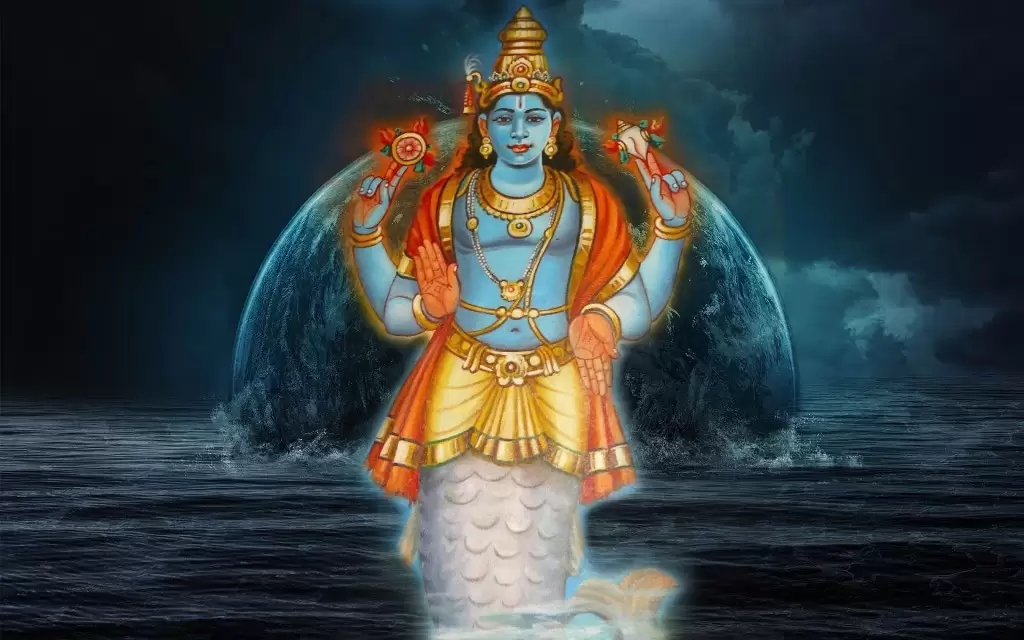
Matsya Avatar — the first incarnation of Vishnu as a giant fish. Story of Manu's flood, Vedas rescued, philosophical significance, temples, lessons for 2026.
Matsya Avatar — the first incarnation of Vishnu as a giant fish. Story of Manu's flood, Vedas rescued, philosophical significance, temples, lessons for 2026.
Quick Answer: Matsya — meaning "fish" in Sanskrit — is the first of Vishnu's ten avatars (Dasavataram). The avatar appeared at the end of a previous cosmic cycle to save King Manu (the progenitor of humanity), the Saptarishi (seven sages), the seeds of all life, and the four Vedas from a great pralaya (cosmic flood). Matsya guided Manu's boat (tied to its horn) through the cosmic waters to safety, then killed the demon Hayagriva who had stolen the Vedas, restoring sacred knowledge to creation. The Matsya Avatar represents Vishnu as the preserver of dharma at the threshold of cosmic transitions — the divine response to existential crisis. The story parallels flood narratives across world cultures and is detailed in the Matsya Purana (one of the 18 Mahapuranas).
1. The Matsya Story
In the closing era of the previous cosmic cycle (*kalpa*), the cosmos approached pralaya — the dissolution that ends each cosmic age. King Manu (also called Satyavrata or Vaivasvata Manu) was performing his daily ritual ablutions at a riverside when a tiny fish leapt into his palms and pleaded for protection from being eaten by larger fish.
Manu, recognizing the urgency, placed the small fish in a pot of water. By morning, the fish had grown enormous; he moved it to a larger vessel. It grew again; he moved it to a tank, then to a river, finally to the ocean. With each transfer, the fish revealed itself further — until it spoke as Vishnu Himself.
"A great deluge is coming," Matsya warned. "Build a great boat. Gather the Saptarishi, the seeds of every plant, every animal, and the four Vedas. Tie the boat to my horn when the waters rise."
Manu obeyed. When the cosmic flood came and washed over creation, Manu's boat was tied to the massive horn that had grown atop the now-giant Matsya. For 100 years (per some accounts) Matsya towed the boat through the cosmic ocean — across the dissolution and into the dawn of the new creation.
Meanwhile, the demon Hayagriva (literally "horse-necked") had stolen the four Vedas from Brahma during the cosmic disturbance. Matsya pursued and killed Hayagriva, restoring the Vedas to Brahma — ensuring that sacred knowledge survived the pralaya.
When the waters receded, Manu, the Saptarishi, the seeds, and the Vedas were safely on dry land. The new cosmic cycle began. Matsya returned to his Vishnu form.
2. Symbolic Meaning of the Fish Form
The fish form carries multiple symbolic resonances:
- The fish moves freely through the same medium that engulfs others. Vishnu in fish form is at home in the very waters that destroy creation.
- Beginning of evolution. The Matsya is the first of ten avatars; the fish is the first complex form of life to emerge in evolutionary terms. Some scholars note the Dasavataram sequence parallels biological evolution from sea creatures → amphibian → mammal → human → enlightened being.
- Adaptive intelligence. The fish grows in response to its container — a teaching that consciousness adapts and expands when given proper space.
3. Connection to Creation and Cosmic Cycles
In Hindu cosmology, each kalpa (cosmic day of Brahma) ends in pralaya. The Matsya Avatar appears at the threshold — preserving the essential elements (life seeds + sacred knowledge + the human progenitor) across cosmic dissolution into the new creation. This makes Matsya the supreme archive avatar — the divine action that ensures continuity through catastrophe.
The Matsya Purana — one of the 18 Mahapuranas — contains the detailed Matsya story and additional teachings on Vishnu, geography, astronomy, temple construction, and dharma. Some scholarly traditions consider it among the oldest of the Puranas.
4. Comparison with Other World Flood Traditions
The Matsya-Manu flood narrative shares structural elements with flood myths across cultures:
- Mesopotamian Gilgamesh / Utnapishtim: Sumerian-Akkadian flood survivor preserving life on a boat
- Hebrew Noah: Biblical flood narrative; Noah's Ark
- Greek Deucalion: Flood survivor in Greek mythology
Comparative mythologists have proposed various theories about the relationship — Indo-European common roots, prehistoric flood memories, independent origin via similar cultural pressures. The Hindu tradition holds that Matsya's appearance is the universal pattern of divine preservation; other cultures' versions reflect partial transmissions of the same cosmic event.
5. Major Matsya Avatar Temples
Matsya-specific temples are rarer than other avatar temples; the avatar is more commonly honoured as part of Dasavataram sequences in major Vishnu temples:
- tirumala/" class="auto-interlink" data-interlink="1">Tirumala Tirupati — Lord Venkateswara represents all Vishnu's avatars; Matsya featured in Dasavataram sequences
- Sri Ranganatha Temple, Srirangam — Dasavataram representations
- Matsya Narayan Temple, Pushkar, Rajasthan — small but historic temple specifically for Matsya
- Matsya Tirth, Veraval, Gujarat — coastal site associated with Matsya
- Local Vishnu temples across India — Dasavataram sculptures and frescoes universally feature Matsya as the first avatar
6. Mantras and Devotional Practice
Matsya bija mantra:
Om Matsyaaya Namah
Dasavataram stotra (opening verse for Matsya):
Pralaya payodhi jale dhritavanasi vedam
Vihita vahitra charitram akhedam
Kesava dhrita Meena sharira Jaya Jagadisha Hare
— Jayadeva's Gita Govinda, Dasavatara Stotra
(O Keshava, who in the form of Matsya bore the Vedas through the waters of pralaya — victorious is the Lord of the universe.)
Practice for devotees:
- Recite the Dasavatara Stotra during morning prayers
- Worship at any Vishnu temple acknowledges Matsya
- Some devotees fast on Matsya Jayanti (Chaitra Shukla Tritiya — typically April)
7. Modern Lessons — What Matsya Teaches in 2026
Lesson 1: Recognise the small messengers
Manu received divine guidance from a tiny fish in his palm. The lesson: profound communication often arrives in small, easily-dismissed packages. The 2026 NRI Hindu facing career or family crisis should listen for the small signs — a stranger's offhand comment, an unexpected article, a chance conversation.
Lesson 2: Build the boat before the flood
Manu spent years building the great boat after Matsya's warning. By the time the waters rose, the preparation was complete. The lesson for modern life: prepare during periods of stability for the disruptions you know will eventually come. H1-B contingency plans, emergency funds, family-relationship investment, spiritual practice — these are the boat-building work of stable years.
Lesson 3: Save what matters
What did Manu save? Not wealth. Not buildings. Not technology. He saved: humanity's progenitors, the seeds of all life, sacred knowledge. The Hindu teaching: in any pralaya — personal, communal, civilisational — these three categories matter. Family. The capacity for life renewal. Wisdom.
Lesson 4: The divine appears in the urgent moment
Matsya did not appear as a luxury — he appeared as Manu was about to face dissolution. The divine in Hindu thought is not absent; it manifests precisely at the threshold of necessity. Spiritual practice is the preparation that allows recognition when the moment arrives.
Lesson 5: Sacred knowledge requires active preservation
Hayagriva stole the Vedas; Matsya recovered them. The Vedas are not safe by themselves; each generation must actively preserve and transmit. For NRI Hindus raising children abroad, this is the direct practical responsibility — Sanskrit education, scripture study, temple attendance, daily mantra.
8. FAQs
Q: When is Matsya Jayanti?
A: Chaitra Shukla Tritiya — typically April or early May in the Gregorian calendar. In 2026: April 20 (Chaitra Shukla Tritiya).
Q: Is Matsya the same as the Pisces zodiac symbol?
A: Both are fish symbols, but from different traditions. The Hindu Matsya is an avatar of Vishnu; Pisces is a Western zodiac sign with separate origin.
Q: Did the Matsya flood actually happen?
A: The question depends on interpretive framework. Geological evidence shows major flood events at various points in human prehistory. The Hindu tradition holds the Matsya story as a literal cosmic event. Comparative mythology suggests cultural memory of significant flooding.
Q: Why is Matsya the first avatar?
A: Theologically — Vishnu's first material manifestation to save creation. Symbolically — first complex life form in evolution. Cosmologically — the avatar at the beginning of the cosmic cycle.
Q: What is the relationship between Matsya and Manu?
A: Manu is the human progenitor; Matsya is Vishnu in fish form. Matsya saves Manu's lineage and thereby ensures humanity's continuation across pralayas.
Q: How do NRIs honour Matsya at home?
A: Recite the Dasavatara Stotra; keep a Matsya image at the home altar; visit any Vishnu temple; observe Matsya Jayanti in April; teach the story to children as one of the founding Hindu narratives.
Final Words
Matsya Avatar is the first chapter in Vishnu's tenfold engagement with creation. The fish that grew from palm-size to cosmic scale, that pulled Manu's boat through the dissolution, that recovered the Vedas from a demon-thief — this avatar establishes the foundational pattern: when dharma faces destruction, the divine manifests in the form most suited to the moment.
For NRI Hindus, the Matsya teaching is particularly meaningful: across diaspora migration, you carry the seeds (your children), the wisdom (your tradition), and the humanity (your family). The boat you tie to Vishnu's horn is your home altar, your daily practice, your willingness to receive divine guidance when it appears in small form.
Om Matsyaaya Namah. Jaya Jagadisha Hare!
Jai Matsya Bhagavan! Jai Vishnu Avatar 1 of 10!
HinduTone Editorial Team · Tags: Matsya Avatar, Vishnu Dasavataram, Manu Pralaya, Vedas Rescue, Hindu Cosmology, Cosmic Flood, Matsya Purana, Sanatan Dharma
Frequently Asked Questions
What is Matsya Avatar?
Matsya — meaning "fish" in Sanskrit — is the first of Vishnu's ten avatars (Dasavataram) . The avatar appeared at the end of a previous cosmic cycle to save King Manu (the progenitor of humanity), the Saptarishi (seven sages), the seeds of all life, and the four Vedas from a great pralaya (cosmic flood).
What are the key points about Matsya Avatar?
Matsya guided Manu's boat (tied to its horn) through the cosmic waters to safety, then killed the demon Hayagriva who had stolen the Vedas, restoring sacred knowledge to creation. The Matsya Avatar represents Vishnu as the preserver of dharma at the threshold of cosmic transitions — the divine response to existential crisis.
Why does Matsya Avatar matter in Hinduism?
It deepens a devotee's connection with Lord Vishnu and with the values of Sanatana Dharma — clarity, devotion and dharmic living.
How can devotees apply Matsya Avatar in daily life?
By reflecting on its teaching, incorporating the related practices or observances into daily routine, and approaching it with sincere devotion and understanding.
You might also like
Narasimha Avatar — The Man-Lion Incarnation of Vishnu: Prahlada's Devotion, Hiranyakashipu's Defeat & Complete Story
Varaha Avatar — The Boar Incarnation of Vishnu: Rescue of Earth from Hiranyaksha, Cosmic Geography & Significance
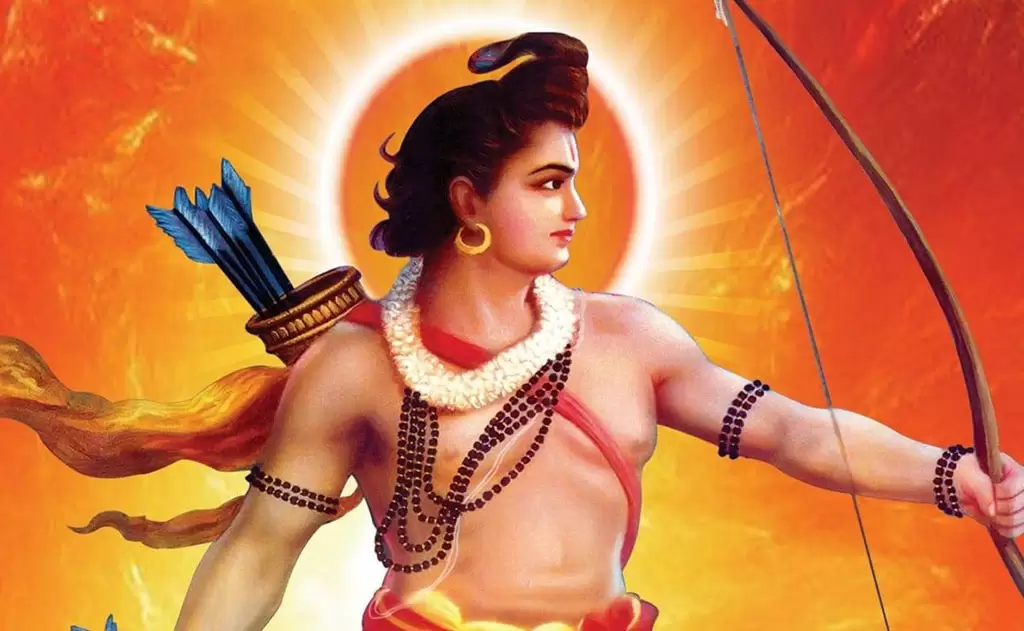
Rama Avatar — The Seventh Incarnation of Vishnu: Ramayana, Ayodhya, the Ideal Man & Eternal Dharma Lessons for 2026