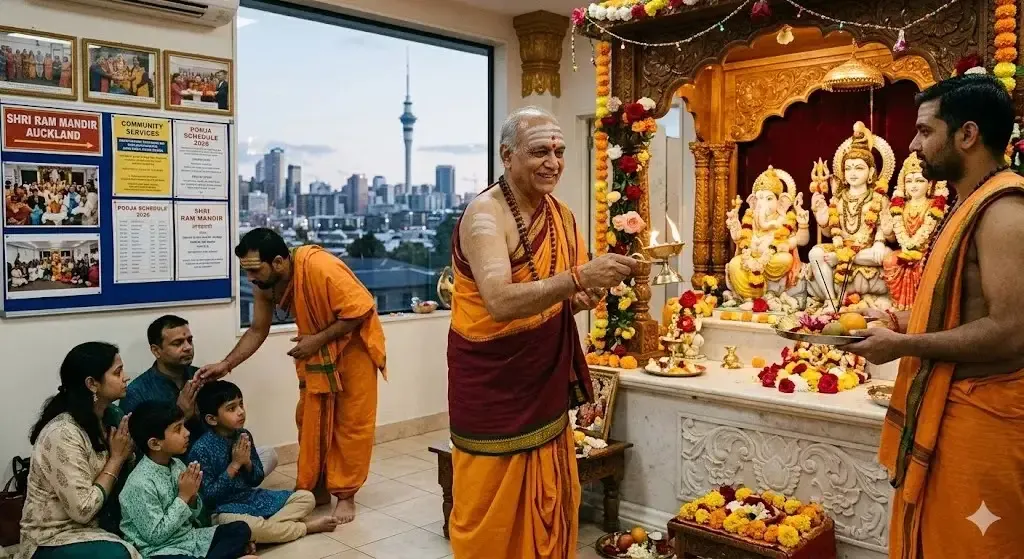
How New Zealand Celebrates Diwali 2025: A Complete Festival of Lights Guide
Introduction Diwali 2025, the spectacular Festival of Lights, will illuminate New Zealand on Tuesday, October 21, 2025, as the nation's rapidly growing Indian…
Introduction Diwali 2025, the spectacular Festival of Lights, will illuminate New Zealand on Tuesday, October 21, 2025, as the nation's rapidly growing Indian…
Introduction
Diwali 2025, the spectacular Festival of Lights, will illuminate New Zealand on Tuesday, October 21, 2025, as the nation's rapidly growing Indian community celebrates one of Hinduism's most cherished festivals. With 292,092 people of Indian heritage now calling New Zealand home—making Indians the third-largest ethnic group in the country—Diwali has evolved from intimate home celebrations to one of New Zealand's premier multicultural festivals. From the grand BNZ Auckland Diwali Festival attracting over 120,000 visitors to community celebrations across Wellington, Christchurch, Hamilton, and beyond, Diwali in New Zealand showcases the beautiful fusion of Indian traditions with Kiwi hospitality and Māori cultural values.
Diwali 2025 in New Zealand: Key Dates
Diwali 2025 will be celebrated from Saturday, October 18 to Thursday, October 23, with the main festivities occurring on Tuesday, October 21. While most major public events will likely be scheduled over the preceding weekends to maximize attendance, the actual Diwali day remains the spiritual and religious centerpiece of the five-day celebration.
The Five Sacred Days
- Dhanteras (October 18, 2025): Festival opening day celebrating wealth and prosperity
- Naraka Chaturdashi/Choti Diwali (October 20, 2025): Commemorating Lord Krishna's victory over evil
- Diwali/Lakshmi Puja (October 21, 2025): Main celebration day with goddess worship and light illuminations
- Govardhan Puja (October 22, 2025): Honoring Lord Krishna's protection of devotees
- Bhai Dooj (October 23, 2025): Celebrating the sacred sibling bond
The Thriving Indian Community in New Zealand
According to the 2023 Census, 292,092 people in New Zealand identified as having Indian heritage, representing an impressive 22% increase since 2018. This remarkable growth has established Indians as New Zealand's third-largest ethnic group, surpassing the Chinese community and following only New Zealand Europeans and Māori.
Demographics and Distribution
The Indian community's median age of 32.4 years is significantly younger than New Zealand's overall population at 38.1 years, reflecting the community's vibrancy and future potential. Almost 73% of Indians living in New Zealand were born overseas, with nearly half arriving within the past decade.
In Auckland, which houses more than 60% of New Zealand's Indian population, the community grew from 154,824 in 2018 to 175,794 in 2023, a 13% increase. The Indian community ranks fourth in Auckland after New Zealand European, Māori, and Chinese populations.
Educational and Economic Success
Latest Census data reveals that the median income of Indian adults in New Zealand was $51,600, significantly higher than the country's overall median income of $41,500. More than 40% of the Indian population work in managerial or professional capacities, defying stereotypes and showcasing the community's success.
Educational achievement is particularly noteworthy: over 65% of Indian adults hold post-school qualifications compared to 54% of the total population. Specifically, 26.1% hold bachelor's degrees, 10.7% hold master's degrees, and 8.4% possess postgraduate and honours degrees.
Major Diwali Events Across New Zealand in 2025
Auckland: BNZ Auckland Diwali Festival
The BNZ Auckland Diwali Festival stands as New Zealand's premier Indian cultural celebration, having been a feature on Auckland's events calendar for more than 20 years. The festival attracts over 120,000 visitors annually to Auckland's Queen Street and Aotea Square.
Expected Features for 2025:
- Spectacular 3D projection mapping on Auckland Town Hall
- Over 1,800 performers across 250+ performances
- Three main stages with continuous entertainment
- Authentic Indian cuisine from numerous food stalls
- Lightbox art exhibitions featuring local Indian artists
- Classic Bollywood movie marathons
- Traditional rangoli demonstrations and workshops
- Yoga sessions and wellness activities
- Interactive cultural experiences for families
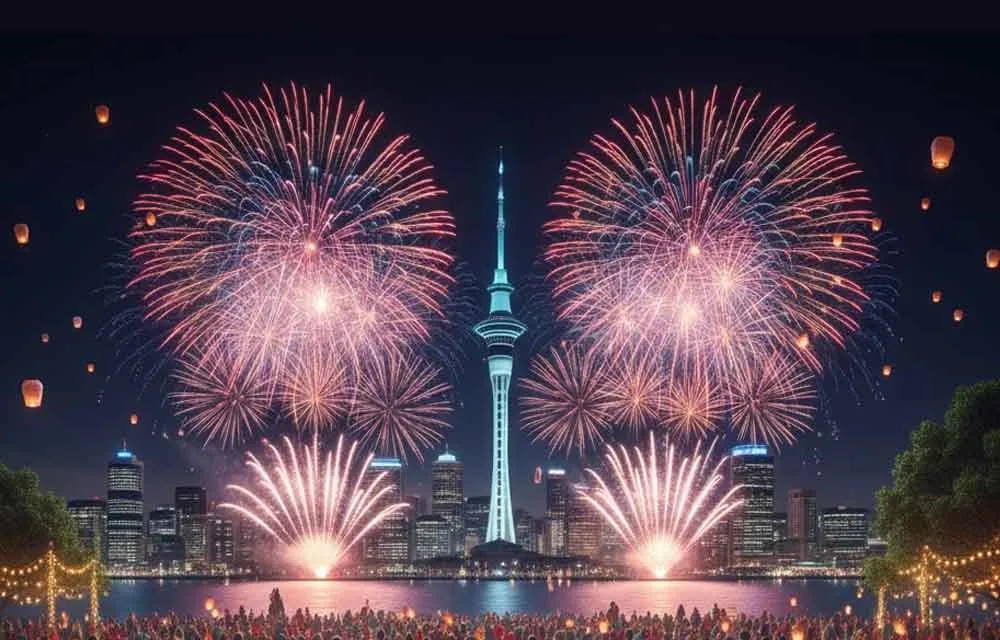
- Grand fireworks display
The festival is free, family-friendly, smoke-free, alcohol-free, and vegetarian, making it accessible to all New Zealanders.
Expanded Festival Footprint: Recent years have seen the festival expand beyond Aotea Square to include Lorne Street, Central City Library, Event Cinemas, and the Aotea Centre, creating an immersive Diwali experience throughout Auckland's city center.
NZ Diwali - Manukau Festival
Organized by the Akal Foundation in partnership with Humm 104.2 FM, the NZ Diwali festival at Barry Curtis Park in Flat Bush, Manukau, represents a significant community initiative celebrating cultural diversity in South Auckland.
Festival Highlights:
- Fusion performances blending Indian and Māori cultures including Haka performances
- Bollywood and traditional Indian dance competitions
- Rangoli art competitions with vibrant designs
- Authentic Indian food stalls featuring street food, curries, and sweets
- Live music and entertainment
- Family-friendly activities and games
- Cultural exhibitions and displays
Wellington Diwali Festival
The capital city hosts its Diwali Festival at TSB Arena and Shed 6, bringing together the Wellington Indian community and wider public in a vibrant celebration.
Wellington Celebrations Include:
- Traditional dance performances showcasing Indian classical forms
- Live music featuring both traditional and contemporary styles
- Authentic cuisine from diverse Indian regions
- Cultural workshops and interactive activities
- Market stalls selling Indian clothing, jewelry, and handicrafts
- Children's entertainment zones
Christchurch Diwali Celebration
The Indian Social and Cultural Club organizes Christchurch's Diwali celebration at Hagley Park, creating a festive atmosphere in the heart of the Garden City.
Christchurch Festival Features:
- Community performances and cultural showcases
- Traditional Indian food stalls
- Rangoli demonstrations
- Family activities and entertainment
- Diya lighting ceremonies
Hamilton Diwali Mela
The Indian Cultural Society hosts Hamilton's Diwali Mela at Innes Common, Hamilton Lake, bringing the Festival of Lights to the Waikato region.
Hamilton Celebrations:
- Traditional performances including classical and folk dances
- Live music and entertainment
- Diverse food offerings from across India
- Cultural exhibitions
- Community engagement activities
Other Regional Celebrations
Rotorua Diwali Gandhi Hall hosts Rotorua's Diwali celebration, bringing together the local Indian community for traditional observances.
Selwyn Diwali Lincoln Domain hosts Selwyn's Indian community celebration, typically one of the final Diwali events in New Zealand.
Levin Diwali Festival Horowhenua District Council collaborates with the local Indian community to host celebrations at Levin Mall Carpark, featuring music, dance, food, and cultural activities from 5pm to 9pm.
West Auckland Celebration The Waitakere Indian Association hosts its Diwali celebration at Trusts Arena in Henderson, serving the western Auckland Indian community.
Traditional Home Celebrations
While public festivals attract thousands, the heart of Diwali remains in intimate home celebrations where families observe sacred rituals and customs.
Home Preparation and Decoration
Weeks before Diwali, New Zealand Indian families undertake thorough home cleaning, symbolizing the removal of negativity. Homes are decorated with:
- Colorful lights and traditional oil lamps (diyas)
- Intricate rangoli patterns at doorsteps created with colored powders, rice, or flower petals
- Fresh flowers and garlands
- Decorative lanterns and candles
- Traditional torans (door hangings)
Lakshmi-Ganesh Puja
The central religious observance involves worshipping Goddess Lakshmi for prosperity and Lord Ganesha for wisdom and obstacle removal. Families set up prayer altars with:
- Images or idols of deities
- Offerings of flowers, fruits, sweets, and incense
- Lighting of diyas and incense sticks
- Chanting of prayers and mantras
- Performance of aarti (worship with lamps)
Lighting the Diyas
The practice of lighting oil lamps remains central to Diwali celebrations. The word "Deepavali" translates to "a row or cluster of lights," and this tradition represents the inner light that protects from spiritual darkness and guides toward enlightenment.
Creating Rangoli Art
Rangoli patterns are created on floors, particularly at entrances, to welcome Goddess Lakshmi and auspicious energies. These colorful artworks showcase regional artistic traditions and creativity, bringing prosperity and good luck to homes.
Wearing Traditional Attire
Many people wear their finest traditional Indian clothing to celebrate Diwali. Women often wear beautiful silk sarees, salwar kameez, or lehengas with jewelry, while men don kurta pajamas or sherwanis. Some women have mehendi (henna) decorations applied to their palms.
Culinary Traditions
Families engage in cooking traditional Indian cuisine and preparing festive sweets including:
- Sweets: Laddu, jalebi, gulab jamun, kaju katli, barfi, rasgulla, and peda
- Savory dishes: Samosas, pakoras, chaat, biryani, and regional specialties
- Festival meals: Elaborate spreads featuring favorite family recipes
Sweets are exchanged with neighbors, friends, and family members, strengthening community bonds.
Temple and Religious Celebrations
All Hindu, Sikh, and Jain temples across New Zealand remain open on Diwali with special programs and services.
Hindu Temple Celebrations
Major Hindu temples hosting Diwali programs include:
- Sri Durga Temple, Auckland
- Shree Sanatan Dharm Mandal, Auckland
- ISKCON Auckland
- Various regional temples across New Zealand
These temples conduct special pujas, havans (fire ceremonies), bhajans (devotional songs), and aarti ceremonies throughout the festival period.
Sikh Gurdwara Celebrations
Sikhs celebrate Bandi Chhor Divas alongside Diwali, commemorating the release of Guru Hargobind Singh from Mughal imprisonment in 1619. Gurdwaras conduct:
- Special prayer services (kirtan)
- Readings from Guru Granth Sahib
- Community meals (langar) open to all
- Illumination with lights and decorations
- Cultural programs
Jain Temple Observances
Jains observe Diwali marking the final liberation (moksha) of Mahavira, the founder of their faith. Celebrations include:
- Special prayers and meditation sessions
- Spiritual discourses
- Fasting and self-reflection
- Temple decorations with lights
- Community gatherings
Cross-Cultural Celebrations: Indian and Māori Fusion
One of New Zealand's unique contributions to Diwali celebrations is the beautiful fusion of Indian and Māori cultural elements, reflecting the nation's bicultural foundation and multicultural reality.
Whanaungatanga: The Song of Connection
A groundbreaking example is the waiata "Whanaungatanga," which blends Tamil, English, and te reo Māori. Spearheaded by Canada-based musician Wilbur Sargunaraj and supported by the Arasan New Zealand Trust, this cross-cultural song features Māori artists including Amba Holly, Horomona Horo, Turanga Morgan Edmonds, and Ngāti Awa kapa haka dancers.
The song was performed at the BNZ Auckland Diwali Festival, representing the first time such a fusion was showcased before a large crowd. Contemporary Māori artist Allana Goldsmith of Ngāti Porou and Ngai Tai descent joined Sargunaraj on stage, creating a powerful moment of cultural unity.
Haka Performances at Diwali
Some Diwali festivals incorporate traditional Māori haka performances, embracing the fusion of Indian and Kiwi cultures. These performances symbolize the respect and appreciation between communities and showcase New Zealand's unique approach to multiculturalism.
Government and Political Recognition
Parliamentary Celebrations
The New Zealand government recognizes Diwali's significance through official celebrations. In November 2024, the Hon. Melissa Lee, Minister for Ethnic Communities, hosted a vibrant Diwali celebration at Parliament's Banquet Hall, attended by:
- Prime Minister Rt. Hon. Christopher Luxon
- Deputy Prime Minister Rt. Hon. Winston Peters
- Her Excellency Neeta Bhushan, High Commissioner of India
- Diplomatic corps and Members of Parliament
- Over 200 community members
The Prime Minister acknowledged the Indian community's contributions, stating: "I want to thank you all for your contributions to New Zealand and for everything you are doing for your families, your communities, and your businesses. You've done exceptionally well, and we are incredibly proud of you."
Local Council Support
Councils across New Zealand support Diwali celebrations through:
- Funding and logistical support for community events
- Venue provision at parks and public spaces
- Promotional assistance and marketing
- Road closures and traffic management for festivals
- Collaboration with Indian community organizations
Indian Consulate in Auckland
In September 2024, India opened a consulate in Auckland, recognizing the significant Indian population in New Zealand. This diplomatic presence strengthens cultural ties and provides better support for community events including Diwali celebrations.
Auckland Transport's Diwali Bus
In a unique initiative, Auckland Transport partnered with graphic artists Shiv Narandas and Jaishree Pancha to design a Bollywood-inspired bus in celebration of Diwali. The specially decorated Route 24 bus runs through Sandringham—a suburb known for its Indian businesses—to the city center, encouraging residents to use public transport to attend Diwali events.
Multi-Faith and Multicultural Participation
While primarily celebrated by the Hindu community, Diwali in New Zealand welcomes participation from all backgrounds, reflecting the nation's multicultural values.
Religious Diversity
Diwali is celebrated by multiple faiths:
- Hindus: 46.6% of Indian New Zealanders identify as Hindu according to the 2018 census
- Sikhs: 21.4% celebrate Bandi Chhor Divas alongside Diwali
- Jains: Observe Diwali marking Mahavira's liberation
- Some Buddhists: Particularly Newar Buddhists observe aspects of Diwali
Community Integration
Diwali festivals in New Zealand attract diverse audiences including:
- Indian New Zealanders of all regional backgrounds
- Other South Asian communities
- Pacific Island communities
- European New Zealanders
- Māori communities
- Other ethnic groups celebrating multiculturalism
Educational and Cultural Programs
University Celebrations
Indian student societies at New Zealand universities organize Diwali events:
- University of Auckland Indian Society
- Victoria University Indian Students Association
- University of Canterbury Indian Association
- Massey University Indian Cultural Society
These events feature cultural showcases, henna stalls, traditional food, opportunities for students to wear traditional attire, and social gatherings.
School Programs
Schools with significant Indian student populations incorporate Diwali education:
- Lessons about the festival's cultural and religious significance
- Rangoli art activities
- Story time featuring Diwali legends
- Multicultural appreciation events
- Student performances of Indian dances
Museum and Cultural Institution Programs
Organizations like the Powerhouse Museum have dedicated programs to celebrate Diwali, hosting full-day events featuring:
- Bollywood-inspired performances
- Traditional dance demonstrations
- Talks with Indian-New Zealand authors and artists
- Interactive cultural workshops
- Family-friendly activities
The Spiritual Meaning of Diwali
Diwali is derived from Sanskrit meaning "row of lights," with the celebration popularly referred to as the "Festival of Lights." The festival symbolizes the triumph of good over evil, knowledge over ignorance, and light over darkness. It represents new beginnings—a joyous time to spend with family and friends, letting go of the old and ushering in positivity and prosperity.
The Legend of Lord Rama
In northern India and among many New Zealand Indians, Diwali commemorates Lord Rama's return to his kingdom Ayodhya with wife Sita and brother Lakshmana after 14 years of exile and victory over demon king Ravana. Citizens welcomed their righteous king by illuminating the entire city with rows of oil lamps, establishing the tradition that continues today.
Goddess Lakshmi
The goddess of happiness and good fortune, Lakshmi, figures prominently in celebrations. It is believed she roams the Earth on Diwali and enters homes that are pure, clean, and bright, bestowing prosperity upon residents.
Inner Light and Spiritual Awareness
The celebration signifies "the awareness of the inner light"—the spiritual triumph that comes from recognizing and nurturing the light within oneself that dispels darkness and ignorance.
Environmental Considerations
Firecracker Traditions and Alternatives
Fireworks traditionally form part of Diwali celebrations, symbolizing the banishment of darkness. However, their use has been restricted in recent years due to environmental concerns.
Many New Zealand celebrations now emphasize:
- Traditional clay diyas instead of modern alternatives
- Light displays using LED technology
- Reduced or eliminated firecracker usage
- Eco-friendly decorations using natural materials
- Focus on cultural performances over loud pyrotechnics
Sustainable Celebration Practices
The community increasingly adopts sustainable practices:
- Biodegradable rangoli materials
- Plant-based gifts
- Reduced plastic in decorations
- Community sharing to minimize waste
- Conscious consumption during festivities
Economic Impact and Shopping Season
Retail Activity
Diwali triggers significant shopping activity as families purchase:
- New clothes and traditional attire
- Gold and jewelry (particularly on Dhanteras)
- Decorative items and diyas
- Gifts for family and friends
- Food ingredients and sweets
- Religious items for puja
Indian Businesses
Sandringham in Auckland, known as a hub for Indian businesses, experiences heightened activity during Diwali season. Indian grocery stores, clothing boutiques, jewelry shops, and restaurants see increased patronage.
Cultural Tourism
Diwali festivals attract tourists and visitors from outside the Indian community, boosting local economies through:
- Increased restaurant patronage
- Hotel bookings for visitors
- Retail shopping
- Event attendance
- Cultural tourism experiences
Practical Information for Celebrating Diwali 2025
Event Timing
Many public Diwali events are held on weekends before or after the actual Diwali date to maximize attendance. If planning to attend celebrations, check specific dates with local organizations and councils.
Temple Visits
Those planning temple visits should check timings in advance, as special programs may have different schedules. Temples often become very busy during Diwali, so arriving early is advisable.
Transportation
While Diwali is not a public holiday in New Zealand, major events can cause:
- Traffic congestion in event areas
- Limited parking availability
- Public transport increases to accommodate crowds
- Road closures in city centers
Auckland Transport encourages public transport use to attend Diwali events.
Dress Code for Events
There is no strict dress code for public festivals, but many attendees wear traditional Indian attire. Comfortable footwear is recommended for outdoor events.
Gift Etiquette
If invited to a home celebration:
- Bring sweets (mithai) as gifts
- Chocolate is acceptable as an alternative
- Avoid alcohol unless specifically appropriate
- Dress modestly and respectfully
- Remove shoes when entering homes
The Future of Diwali in New Zealand
Growing Recognition
With Indians now the third-largest ethnic group, Diwali's prominence in New Zealand's cultural calendar continues to grow. The festival receives:
- Increased government recognition
- Expanding media coverage
- Growing participation from diverse communities
- Enhanced festival programming and budgets
Cultural Bridge Building
Diwali serves as a bridge between cultures, fostering understanding and appreciation between New Zealand's diverse communities. The integration of Māori cultural elements demonstrates the unique New Zealand approach to multiculturalism.
Economic and Social Integration
The Indian community's economic success and social integration—evidenced by the highest median income among ethnic groups—positions Diwali as a celebration of achievement, contribution, and shared prosperity.
Connecting with Family in India
For Indian New Zealanders unable to travel to India for Diwali, technology enables staying connected:
- Video calls during family puja ceremonies
- Virtual cooking sessions preparing Diwali treats together
- Sharing photos and videos of celebrations
- Live streaming temple celebrations
- Sending gifts and money to family in India
Conclusion
Diwali 2025 in New Zealand represents a beautiful convergence of ancient tradition, modern multiculturalism, and Kiwi hospitality. As nearly 300,000 Indian New Zealanders and their wider community gather to celebrate on October 21, 2025, they illuminate not just physical spaces but the nation's commitment to diversity, inclusion, and cultural celebration.
From the spectacular BNZ Auckland Diwali Festival attracting over 120,000 visitors to intimate family gatherings in homes across the country, from the fusion of Indian and Māori cultures in performances to Parliamentary recognition of the festival's significance, Diwali in New Zealand showcases how a traditional festival can evolve while maintaining its sacred essence.
The festival's growth mirrors the Indian community's remarkable journey—from six Indians recorded in the 1881 census to becoming the third-largest ethnic group today. It reflects a community that honors its heritage while embracing its Kiwi identity, contributing significantly to New Zealand's economic, social, and cultural fabric.
As diyas flicker in homes from Auckland to Invercargill, as rangoli patterns adorn doorsteps, as families gather for Lakshmi puja, and as communities come together in parks and squares across the nation, Diwali 2025 will once again prove that light transcends borders, culture builds bridges, and celebration unites humanity.
Whether you're of Indian heritage celebrating your ancestral traditions, a Kiwi curious about this magnificent festival, or simply someone who appreciates the beauty of lights and community, Diwali in New Zealand offers something magical for everyone.
Shubh Deepavali 2025! May the Festival of Lights bring joy, prosperity, and enlightenment to all New Zealanders.
Frequently Asked Questions
When is How New Zealand Celebrates Diwali?
How New Zealand Celebrates Diwali falls on October 21, 2025.
What is the significance of How New Zealand Celebrates Diwali?
Introduction Diwali 2025, the spectacular Festival of Lights, will illuminate New Zealand on Tuesday, October 21, 2025, as the nation's rapidly growing Indian community celebrates one of Hinduism's most cherished festivals. With 292,092 people of Indian heritage now calling New Zealand home—making Indians the third-largest ethnic group in the country—Diwali
How is How New Zealand Celebrates Diwali celebrated?
Devotees observe it with puja, fasting or special offerings, visiting temples, chanting mantras, and gathering with family. Customs vary by region and tradition.
What should devotees do on How New Zealand Celebrates Diwali?
Take a sacred bath, perform the day's puja and charity (dana), observe any prescribed fast, and chant mantras with sincere devotion.
You might also like
Gita Jayanti 2026 Prasad Recipes — Tulsi-Honoring Sweets, Krishna's Favourites & December 10 Bhog Plate
Shani Deva Temples Worldwide & Must-Performed Rituals — Complete Devotee's Guide
Maha Shivratri 2026 Vrat Recipes — Sabudana Khichdi, Singhada Halwa, Phalahara Foods Complete Fasting Guide