

Ganesh Chaturthi & Visarjan Rules in Brazil - 2026 Guide
A practical 2026 guide to celebrating Ganesh Chaturthi and performing immersion (visarjan) in Brazil, covering environmental rules, eco-friendly options, and event permits.
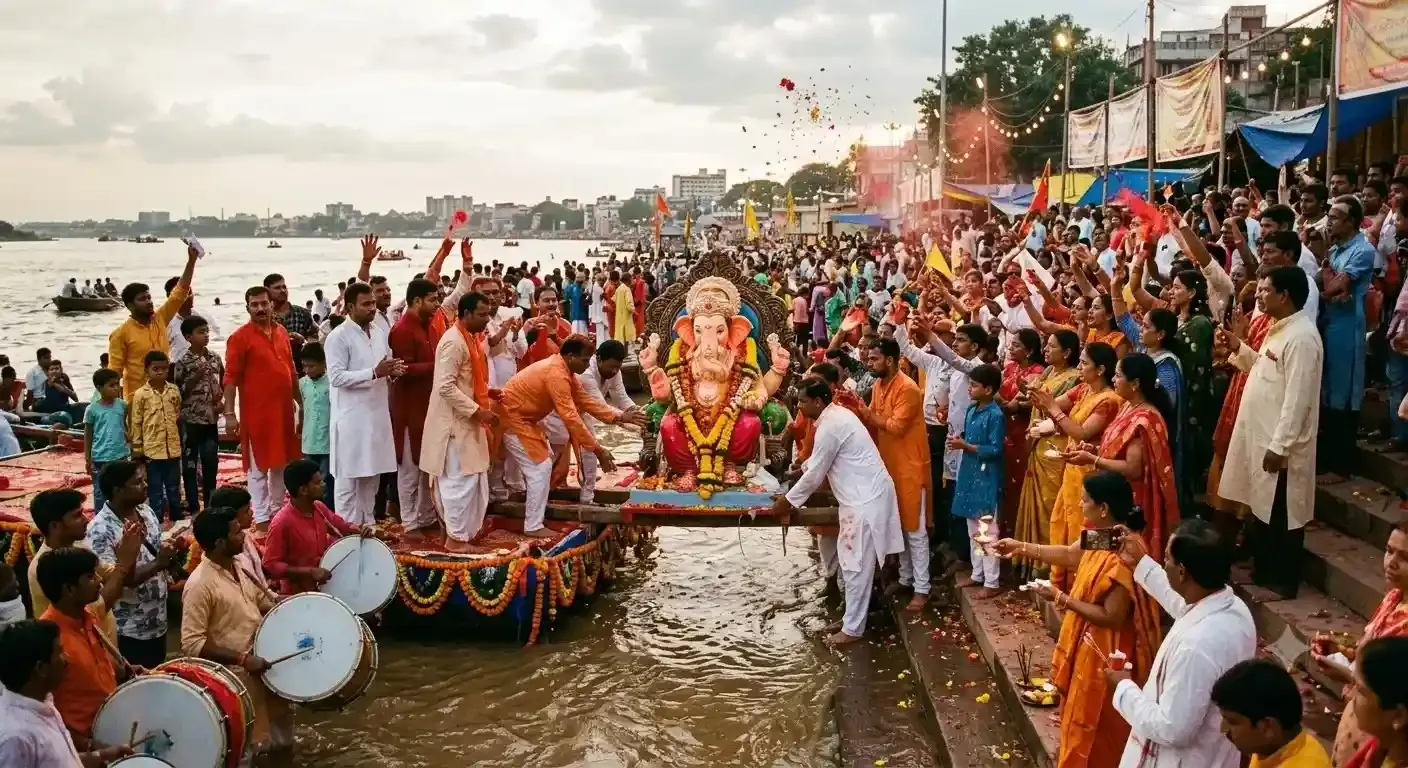
A practical 2026 guide to celebrating Ganesh Chaturthi and performing immersion (visarjan) in Brazil, covering environmental rules, eco-friendly options, and event permits.
Quick answer: In Brazil, avoid immersing idols in natural water bodies (ocean, rivers, lakes, or public beaches) without environmental authorization. The most practical and legal options are home immersion in a clean tub or bucket using a natural clay idol, or a temple/community artificial tank. Contact Centro Cultural Vishva Vidya in Petropolis or Indian associations in Sao Paulo for organized arrangements. For public events, obtain municipal permits from the city hall (Prefeitura) and fire safety approvals from the Fire Department (Corpo de Bombeiros).
Brazil has a small but growing Hindu community, mainly concentrated in Sao Paulo, Rio de Janeiro, and surrounding areas. In May 2026, a historic milestone was reached when the first permanent Lord Ganesha idol in Latin America was consecrated (Pran Pratishtha) at the Centro Cultural Vishva Vidya in Petropolis, Rio de Janeiro. This marks an important step for Sanatana Dharma in South America.
Public-scale Ganesh Chaturthi celebrations with large pandals and processions are still limited compared to India or the United States. Most observances remain private or temple/community-based. Below is a practical guide covering celebration possibilities, temporary structures, and especially immersion (visarjan) rules.
Current Status of Ganesh Chaturthi in Brazil
- Celebrations are primarily organized by small Hindu groups, Indian diaspora associations, yoga/Vedanta centers, and temples such as Centro Cultural Vishva Vidya (Petropolis) and Hare Krishna centers.
- Larger public events (processions, street displays) require municipal permits.
- The community is expanding, with cultural festivals and Vedanta events drawing participants, but large public Ganeshotsav (like those in Mumbai or California) is not yet common.
Immersion (Visarjan) Regulations in Brazil
Brazil has strong environmental protection laws focused on water quality, especially for rivers, beaches, and reservoirs.
Natural Water Bodies Are Restricted
- Direct immersion of idols in the ocean, rivers (e.g., Rio Tiete in Sao Paulo, rivers near Rio de Janeiro), lakes, or public beaches is generally not permitted without specific environmental authorization.
- Brazilian environmental legislation (including the National Environmental Policy and water resource laws) prohibits the introduction of foreign materials that can pollute water bodies.
- Plaster of Paris (PoP), chemical paints, plastics, thermocol, and non-biodegradable decorations are particularly problematic and should be avoided.
- Enforcement can involve environmental agencies (IBAMA at federal level and state environmental secretariats) and municipal authorities. Fines and cleanup requirements are possible for violations.
Recommended & Compliant Options
- Home Immersion (Most Practical): Use a clean tub, large bucket, or container filled with water. After the idol dissolves (preferably a natural clay idol), use the residual water to water plants or gardens. This is fully private and legal.
- Temple or Community Artificial Tanks: Contact local centers such as Centro Cultural Vishva Vidya (Petropolis) or Hare Krishna temples for any organized immersion facilities they may provide. As the community grows, more centers are expected to create dedicated eco-friendly tanks.
- Private Property Ponds: If available on private land and with proper permissions, controlled immersion of biodegradable clay idols may be possible. Always confirm with local authorities.
Best Practices for Eco-Friendly Visarjan
- Prefer small, natural clay (shadu maati) idols free of chemical paints and non-biodegradable materials.
- Remove all flowers, garlands, ornaments, and decorations before immersion and dispose of them as solid waste.
- Never pour residual materials into storm drains, rivers, or the sea.
- For group events, coordinate with the organizing temple or association well in advance.
Temporary Structures (Mandapams / Pandals) & Event Permits
If you plan a public or community Ganesh Chaturthi celebration involving tents, stages, or temporary pavilions, note the following requirements:
- Municipal Authorization is required for events on public streets, parks, or sidewalks (similar to special event permits in other countries).
- Apply to the local city hall (Prefeitura) - for example, Prefeitura de Sao Paulo or Prefeitura do Rio de Janeiro.
- Fire safety approvals (from the local Fire Department - Corpo de Bombeiros) are needed for larger tents or structures.
- Sound amplification requires additional permits.
- Advance notice (often 15-60 days depending on the city and scale) is typically required.
- Liability insurance is strongly recommended for public gatherings.
Private celebrations on temple grounds or private property face fewer restrictions but must still comply with noise, fire, and safety rules.
Practical Recommendations for 2026
- Contact Centro Cultural Vishva Vidya in Petropolis (Rio de Janeiro area) and local Indian associations in Sao Paulo for current plans, puja schedules, and any organized visarjan arrangements.
- For home celebrations, focus on eco-friendly clay idols and private immersion.
- If organizing a larger event, start permit applications early with the relevant municipal authorities and the Fire Department.
- Stay updated through the Indian Embassy/Consulate in Brazil and local Hindu groups, as the community infrastructure continues to develop.
Summary of Do's and Don'ts
| Do | Don't |
|---|---|
| Use natural clay idols | Immerse idols in natural water bodies without authorization |
| Perform home or temple-tank immersion | Use PoP, plastic, or chemically painted idols |
| Obtain municipal and fire permits for public events | Hold large public processions without proper permits |
| Coordinate with local Hindu centers |
Brazil's environmental laws prioritize protecting water resources, similar to California. The growing Hindu community is adapting by emphasizing private, eco-friendly practices and temple-based facilities. As more permanent spaces like the Ganesha installation in Petropolis develop, organized celebrations are expected to expand.
For the latest local guidance, reach out directly to Centro Cultural Vishva Vidya, Indian community associations in Sao Paulo/Rio, or the relevant city hall. Ganpati Bappa Morya!
Advertisement
Frequently Asked Questions
When is Ganesh Chaturthi 2026?
Ganesh Chaturthi 2026 falls on Monday, 14 September 2026. The main visarjan (immersion) day, Anant Chaturdashi, is Friday, 25 September 2026.
Can I immerse a Ganesh idol in the ocean or a river in Brazil?
No. Direct immersion of idols in the ocean, rivers (such as the Rio Tiete in Sao Paulo), lakes, or public beaches is generally not permitted without specific environmental authorization. Brazilian environmental laws prohibit introducing foreign materials that can pollute water bodies.
What is the most practical way to do visarjan at home in Brazil?
Use a clean tub, large bucket, or container filled with water and a natural clay idol. After the idol dissolves, use the residual water to water plants or gardens. This method is fully private and legal.
What kind of Ganesh idol should I use in Brazil?
Prefer small, natural clay (shadu maati) idols free of chemical paints and non-biodegradable materials. Avoid Plaster of Paris (PoP), plastics, thermocol, and chemically painted idols, which are particularly problematic and should be avoided.
Do I need permits for a public Ganesh Chaturthi event in Brazil?
Yes. Public events on streets, parks, or sidewalks require municipal authorization from the local city hall (Prefeitura), plus fire safety approvals from the Fire Department (Corpo de Bombeiros) for larger tents. Sound amplification needs additional permits, and advance notice of about 15-60 days is typically required.
Where can I find organized visarjan facilities in Brazil?
Contact local centers such as Centro Cultural Vishva Vidya in Petropolis or Hare Krishna temples for any organized immersion facilities they may provide. As the community grows, more centers are expected to create dedicated eco-friendly tanks.
What are the do's and don'ts for Ganesh visarjan in Brazil?
Do: use natural clay idols, perform home or temple-tank immersion, obtain municipal and fire permits for public events, and coordinate with local Hindu centers. Don't: immerse idols in natural water bodies without authorization, use PoP, plastic, or chemically painted idols, or hold large public processions without proper permits.
You might also like
Ganesh Chaturthi 2026 in Fahaheel: Mandapam Ideas, Where to Buy & Visarjan
Ganesh Chaturthi 2026 in Salmiya: Mandapam Ideas, Where to Buy & Visarjan
Ganesh Chaturthi 2026 in Doha: Mandapam Ideas, Where to Buy & Visarjan