

Ganesh Mandapam Permission for California 2026: Temporary Pavilions, Festival Permits & Permanent Temple Construction
A 2026 guide to Ganesh Mandapam permissions in California — LADBS Temporary Special Event permits, LAFD and San Francisco fire rules, Conditional Use Permits, CEQA and seismic design — for temporary Ganesh Chaturthi pandals and permanent temple halls across Los Angeles, the Bay Area and beyond.
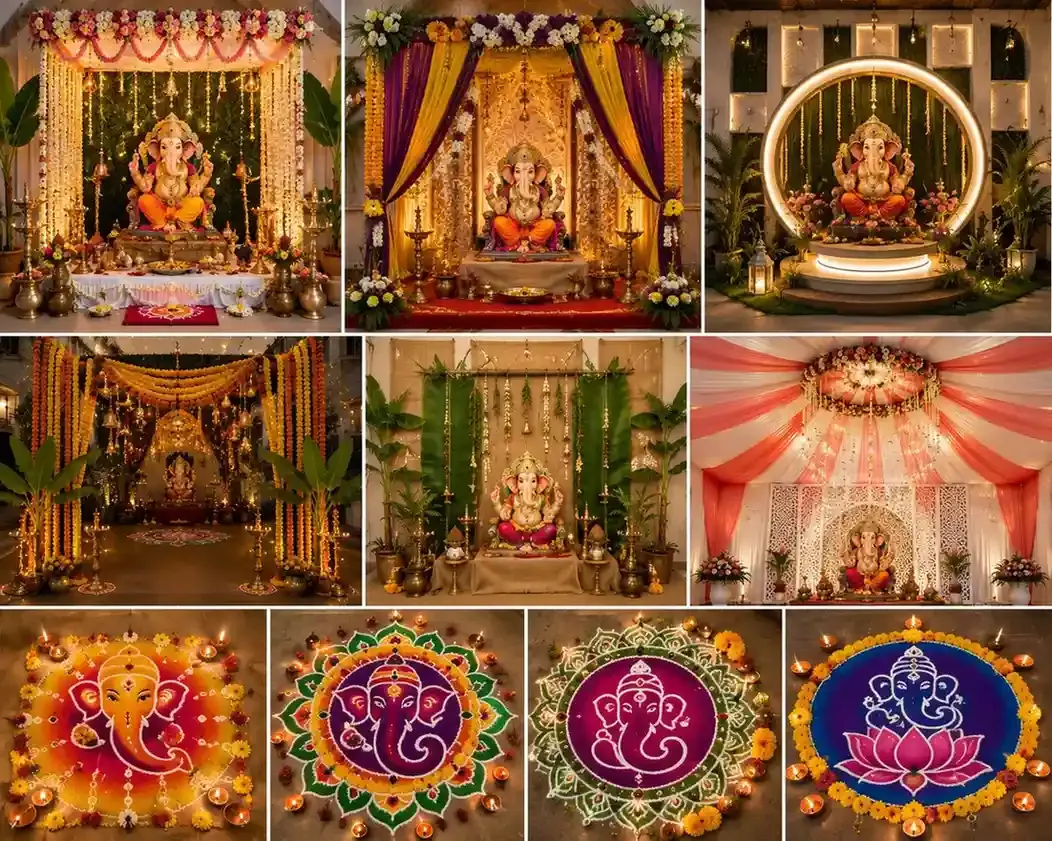
A 2026 guide to Ganesh Mandapam permissions in California — LADBS Temporary Special Event permits, LAFD and San Francisco fire rules, Conditional Use Permits, CEQA and seismic design — for temporary Ganesh Chaturthi pandals and permanent temple halls across Los Angeles, the Bay Area and beyond.
Quick answer: A home Ganesh puja in California needs no permit. A temporary public pandal typically needs a local building special-event permit (e.g., LADBS Temporary Special Event in Los Angeles), a fire-department operational permit for tents over 400 sq ft, and liability insurance; a permanent temple usually needs a Conditional Use Permit and rigorous seismic design under the California codes. Ganesh Chaturthi 2026 is Monday, 14 September.
California is home to one of the largest Hindu communities in the United States — the Los Angeles metro, the San Francisco Bay Area, San Diego and the Central Valley. Whether you are organising a temporary Ganesh Mandapam (pandal) for Ganesh Chaturthi or planning a permanent temple hall, understanding local permitting is essential. This guide covers 2026 requirements across California, with detailed focus on Los Angeles and the Bay Area.
Quick answer: Ganesh Chaturthi 2026 is Monday, 14 September (visarjan Friday 25 September). A home puja needs no permit. A temporary public pandal typically needs a local building special-event permit (e.g., an LADBS Temporary Special Event permit in Los Angeles), a fire-department operational permit (tents over 400 sq ft), and liability insurance; a permanent temple usually needs a Conditional Use Permit (CUP) and follows the California Building/Fire Code with rigorous seismic design. Always confirm with the Authority Having Jurisdiction (AHJ).
What "Ganesh Mandapam" means in California
- Temporary mandapams / pandals — short-term tents, stages, platforms or canopies (usually 5–11 days) on private property, temple grounds, parking lots or public spaces.
- Permanent mandapams / temple halls — covered multi-purpose halls within a temple complex for daily worship, pujas, cultural events and festivals.
California follows the California Fire Code and California Building Code, which local jurisdictions amend. Dense urban areas, strict fire safety and local zoning make advance planning critical.
The legal framework in California
Religious uses (houses of worship) are generally permitted in many residential and commercial zones, often requiring a Conditional Use Permit (CUP) for larger facilities. Temporary events are regulated mainly through local building and fire departments. California’s strong environmental (CEQA) and accessibility (ADA) standards apply to permanent construction. Key agencies:
- Local Building & Safety departments (e.g., LADBS in Los Angeles).
- Local fire departments (LAFD, SFFD, etc.).
- Planning departments for zoning clearances.
- County health departments for food service.
- Police departments for sound and traffic.
Temporary Ganesh Mandapams — Los Angeles
The Los Angeles Department of Building and Safety (LADBS) issues Temporary Special Event (TSE) permits for events of no more than 7 days.
- Structures requiring a TSE permit: tents/canopies larger than 450 sq ft on residential property; tents/canopies larger than 12 ft in length or width on commercial property; stages/platforms more than 30 inches above grade; grandstands, bleachers or structures higher than 12 ft.
- File via the LADBS Express Permits portal; fee approximately $137.80 per event (subject to change); submit at least 2 business days before the event after other clearances.
- Site plan, event details and structural plans (stamped by a California-licensed engineer/architect for elevated structures) are required. LAFD approval is mandatory for tents of 450 sq ft or larger; LAPD approval may be needed for crowd control or amplified sound.
- LAFD requires an operational permit for tents/membrane structures over 400 sq ft (limited exceptions for open-sided tents under 700 sq ft with clearances); flame-retardant certification, extinguishers, clear exits and minimum separations are enforced. Inspections cover structural stability, exiting, sanitation, parking, accessibility and zoning.
Temporary Ganesh Mandapams — San Francisco Bay Area
In San Francisco, the Fire Department issues Temporary Place of Assembly and tent permits; tents and membrane structures over 400 sq ft require a combined construction/operational permit, and detailed site/floor plans (egress, occupant load, seating, equipment) are required for structures with 50+ occupants — apply at the Permit Center (49 South Van Ness Ave). Other Bay Area cities (San Jose, Oakland, Fremont, Sunnyvale) follow similar California Fire Code thresholds (400 sq ft for tents) with their own building and special-event processes — always check the local fire marshal and building department.
Statewide California notes
- California Fire Code §105.5.51 requires an operational permit for temporary membrane structures and tents over 400 sq ft (exceptions for certain open-sided configurations).
- Temporary structures are generally limited to 180 days within a 12-month period on a single premises.
- Food service requires Temporary Food Facility permits from the local County Environmental Health department.
- Amplified sound often needs a police or special-event sound permit; liability insurance is almost always required.
Recommended timeline: begin 45–90 days before Ganesh Chaturthi; pre-application meetings with building and fire officials are highly recommended for larger setups.
Permanent Ganesh Mandapam or temple construction
- Zoning review — houses of worship typically require a Conditional Use Permit (CUP) in residential zones; check the zoning designation and any Community/Specific Plan overlays.
- CEQA environmental review — discretionary approvals (CUP, variances) trigger California Environmental Quality Act review.
- Architectural & engineering design — plans must meet the California Building Code, accessibility standards, seismic requirements and local amendments; seismic design is especially rigorous in California.
- Building permit — submit through the local Building & Safety department (LADBS for Los Angeles); plan-check covers structural, electrical, mechanical, plumbing and fire protection.
- Fire department review — separate approval for life-safety systems, exits and assembly occupancy.
- Final inspections & Certificate of Occupancy — required before public use.
Timeline: from land acquisition to opening often takes 2–5 years or longer, depending on zoning approvals, fundraising and design complexity. Height restrictions on traditional temple shikharas frequently require variances. Similar CUP processes apply across LA County unincorporated areas and the Bay Area, with extra review in historic or environmentally sensitive districts.
Best practices & common challenges
- Start early with clear documentation; engage licensed California professionals (architects, structural engineers, permit expediters) experienced with religious facilities; prioritise fire safety, ADA accessibility, seismic resilience and neighbour relations; use flame-retardant, eco-friendly materials with clean-up and traffic plans.
- Strict tent size thresholds — keep structures under 400–450 sq ft when possible to simplify or avoid permits.
- Seismic and height restrictions — experienced design teams address these through engineering and variance applications.
- Multi-agency coordination — use pre-application meetings and checklists from LADBS, LAFD or local equivalents.
- Neighbour concerns — provide detailed site plans, parking studies and noise mitigation.
Obtaining Ganesh Mandapam permission in California requires attention to local building, fire and zoning rules, but the process is well-defined and achievable with planning. Temporary setups approve efficiently when size and duration limits are respected; permanent temples benefit from the legal recognition of religious uses, though CUPs and seismic standards add complexity. Confirm current forms, fees and contacts with LADBS, LAFD, the San Francisco Fire Department, local planning departments and county health agencies, and with the AHJ for your city. May Vighnaharta bless every step. Ganpati Bappa Morya.
This guide is general information, not legal advice. Requirements vary by city/county and change over time — always verify with the relevant agencies before finalising plans.
Frequently Asked Questions
Do I need a permit for a home Ganesh Chaturthi puja in California?
No — a private religious observance in your home needs no permit. Mind HOA/lease rules, open-flame limits (use LED diyas), parking and noise ordinances.
What permits do I need for a public Ganesh pandal in Los Angeles?
An LADBS Temporary Special Event permit (e.g., tents over 450 sq ft on residential property or over 12 ft on commercial), LAFD operational approval for tents over 400 sq ft, a county temporary food facility permit if serving prasadam, and liability insurance; LAPD approval for amplified sound or crowds.
What are the tent rules in the San Francisco Bay Area?
Tents and membrane structures over 400 sq ft need a fire-department permit (a combined construction/operational permit in San Francisco), with detailed egress/occupant-load plans for 50+ occupants. Other Bay Area cities follow the same 400 sq ft California Fire Code threshold with their own processes.
Do I need a Conditional Use Permit for a temple in California?
Usually yes — houses of worship typically require a CUP in residential zones, which triggers CEQA environmental review; permanent temples also require rigorous seismic design under the California Building Code.
How long does permanent temple construction take in California?
From land acquisition to a Certificate of Occupancy often takes 2–5 years or longer, especially with CUP hearings, CEQA review and shikhara height variances.
When is Ganesh Chaturthi 2026?
Monday, 14 September 2026, with visarjan on Friday, 25 September. Begin permit applications 45–90 days ahead.
Ganesh Mandapam permits & visarjan across the USA
- Ganesh mandapam design in the USA (ideas + permits)
- Ganesh Mandapam permission in Texas 2026
- Ganesh Mandapam permission in New York 2026
- Ganesh Visarjan in California 2026: immersion rules
- Ganesh Chaturthi 2026 in the USA
- Vinayaka Chavithi / Ganesh Chaturthi 2026: complete guide
Ganesh Mandapam permission: New Jersey
You might also like
Ganesh Mandapam Permission for Illinois 2026: Temporary Pavilions, Festival Permits & Permanent Temple Construction
Ganesh Mandapam Permission for Texas 2026: Temporary Pavilions, Festival Permits & Permanent Temple Construction
Ganesh Mandapam Permission for New Jersey 2026: Temporary Pavilions, Festival Permits & Permanent Temple Construction