

How Ganeshotsav in America Differs from Maharashtra: An Honest Comparison
An honest, respectful comparison of how Ganeshotsav is celebrated in America versus its Maharashtra heartland — from public pandals and dhol-tasha to eco-immersion and weekend timing.
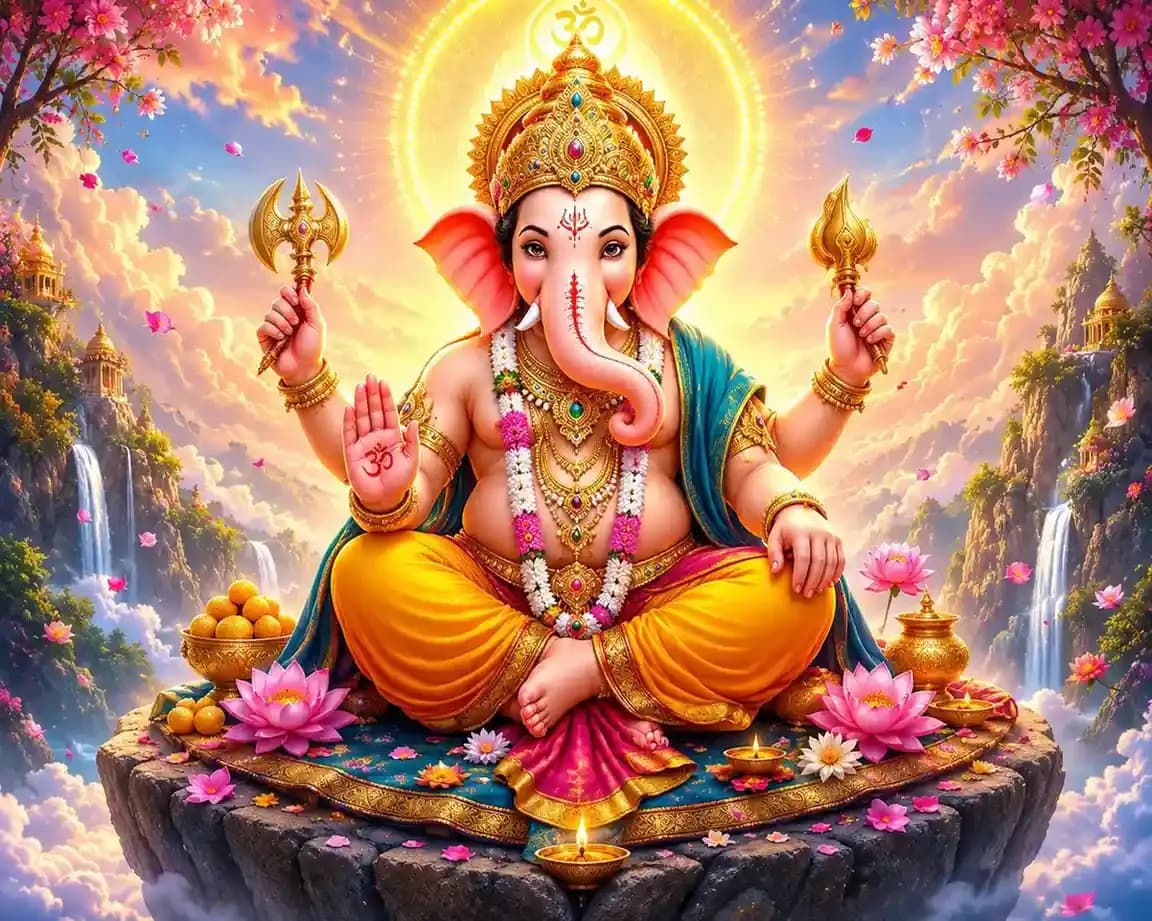
An honest, respectful comparison of how Ganeshotsav is celebrated in America versus its Maharashtra heartland — from public pandals and dhol-tasha to eco-immersion and weekend timing.
Quick answer: Ganeshotsav in America keeps the devotion of Maharashtra but adapts to US life: celebrations centre on temples and community halls rather than street pandals, immersion uses eco-tanks instead of rivers, and the main public utsav often shifts to the nearest weekend.
Ganeshotsav was transformed into a grand public festival in Maharashtra, and the diaspora carries that spirit to America in heartfelt ways. The celebrations are not lesser — just adapted. Here is an honest look at what stays the same and what changes across the ocean.
What stays the same
- The devotion: sthapana, daily aarti, naivedya of modak, and a loving visarjan.
- The chants: Sukhkarta Dukhharta and "Ganpati Bappa Morya, Mangal Murti Morya."
- The community: families, mandals and temples come together for ten days.
- The values: new beginnings, removing obstacles, and togetherness.
What changes in America
| Aspect | Maharashtra | America |
|---|---|---|
| Main venue | Street pandals and home shrines | Temples, community halls and home shrines |
| Public scale | Giant sarvajanik pandals citywide | Large temple and mandal celebrations |
| Immersion | Rivers, lakes and the sea | On-site eco-tanks and home tubs |
| Timing | On the tithi days | Often shifted to the nearest weekend for work schedules |
| Idols | Clay and (historically) PoP | Eco clay strongly encouraged; reusable murtis common |
Why the differences exist
Street pandals need permits and public space that are harder to arrange in US suburbs, so temples and community halls become the hub. Environmental law protects natural water bodies, so eco-tanks replace river immersion. And because most attendees work standard American hours, the biggest public programmes often land on a weekend. None of this dilutes the festival — it reflects a community keeping tradition alive within a different civic reality.
The diaspora’s own flavour
- One temple may host Maharashtrian, Telugu (Vinayaka Chavithi) and Gujarati styles together.
- Dhol-tasha pathaks and cultural competitions thrive in many US cities.
- Eco-consciousness is a point of pride, with clay murtis and tank immersion.
- Second-generation children learn the festival through crafts, school show-and-tell and temple youth programmes.
See how US immersion works in our Ganesh visarjan 2026 USA guide, and the full picture in the Ganesh Chaturthi 2026 USA guide.
Frequently Asked Questions
How is Ganeshotsav in America different from Maharashtra?
The devotion is the same, but US celebrations centre on temples and halls rather than street pandals, use eco-tanks instead of river immersion, and often shift the main public event to a weekend.
Why don’t US cities have big street pandals?
Permits and public space for street pandals are harder to arrange in American suburbs, so temples and community halls become the main venues for public celebrations.
Why is immersion done in tanks in the US?
Natural water bodies are protected under US environmental law, and PoP idols can pollute them, so temples use on-site eco-tanks and families use home tubs.
Why do US celebrations shift to the weekend?
Because most attendees work standard weekday hours, mandals often hold the largest public programme on the nearest weekend so families can participate.
Is the festival less authentic in America?
No. The rituals, chantsand community spirit are fully preserved; the adaptations reflect civic and environmental realities, not a loss of devotion.
Do Telugu and Gujarati communities celebrate too?
Yes. Vinayaka Chavithi (Telugu) and Gujarati-style celebrations often share the same US temples, giving American Ganeshotsav a rich, mixed character.
How do US children learn the festival?
Through home celebrations, temple youth programmes, crafts and school show-and-tell, second-generation children stay connected to the tradition.
Is dhol-tasha part of US celebrations?
Yes. Many US cities have dhol-tasha pathaks and cultural competitions that bring the energy of Maharashtra’s processions to America.
You might also like
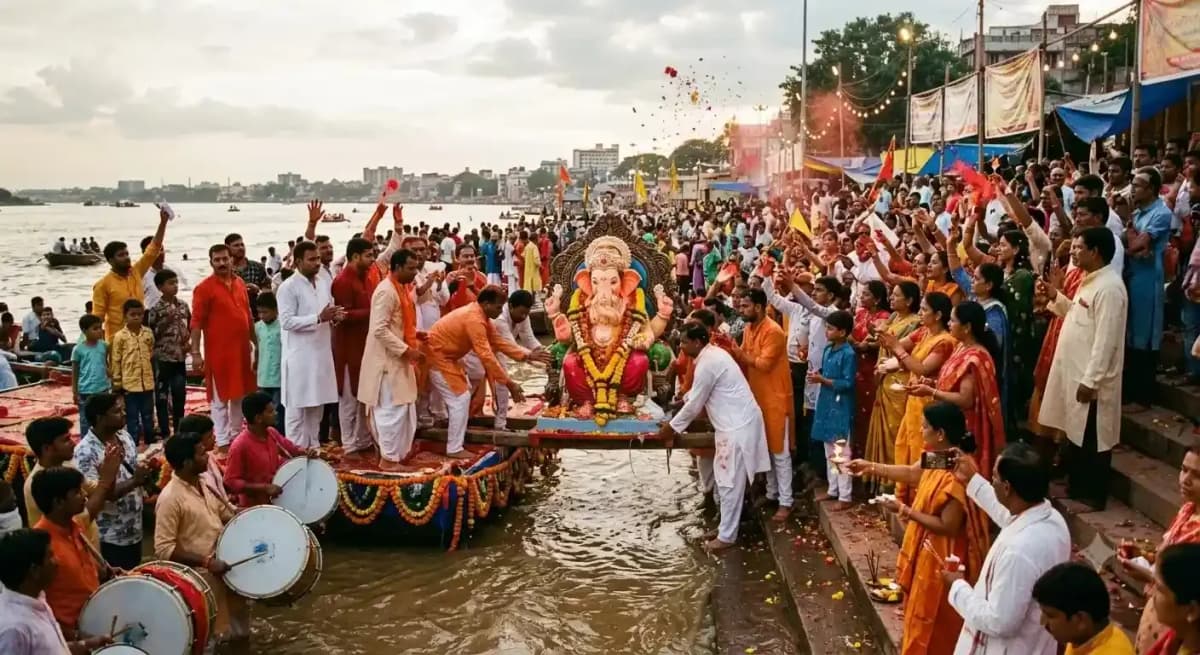
Ganesh Chaturthi in India: Celebrations Across the Country (2026 Guide)
How the UK Celebrated Ganesh Chaturthi & Visarjan 2026: A City-Wise Guide
How the USA Celebrated Ganesh Chaturthi & Visarjan 2026: A City-Wise Guide
