

Holi 2026 Worldwide: Date, Rituals & Celebrations

Holi 2026 Worldwide: Holika Dahan Date, Safe Color Play, Eco-Friendly Tips & Regional Variations for Hindus in USA and Canada
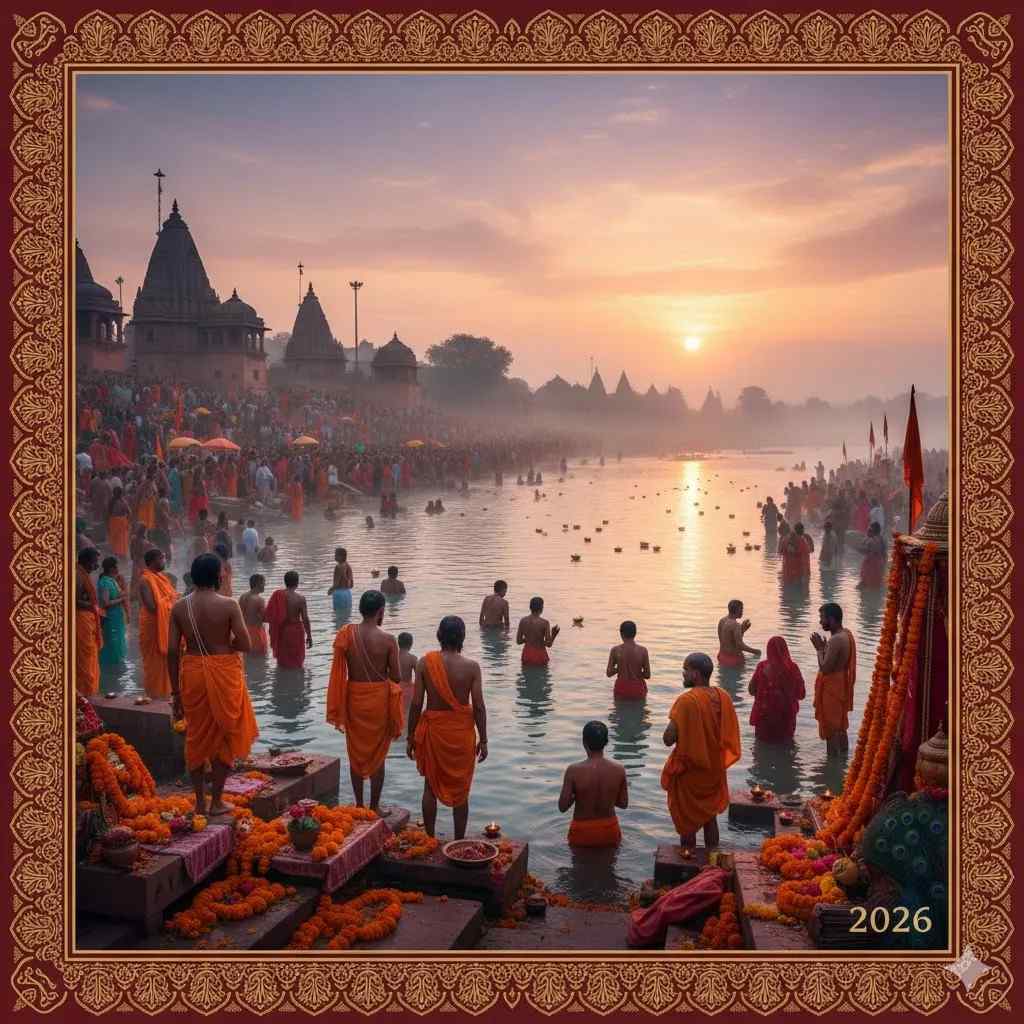
Holi is one of the most sacred, joyful, and spiritually uplifting festivals of Sanatana Dharma. Celebrated as the festival of colors, Holi represents the eternal victory of Dharma over Adharma, the power of unwavering devotion, and the renewal of life with the arrival of spring. Rooted deeply in Vedic wisdom, Puranic legends, and ancient Hindu cultural traditions, Holi transcends geography and unites Hindus across the world.
In 2026, Hindus living in India, the United States, Canada, and other global regions will once again celebrate Holi with devotion, joy, and cultural pride. This comprehensive guide explains Holi 2026 dates, Holika Dahan significance, safe and eco-friendly Holi practices, and regional variations, especially tailored for Hindu families in USA and Canada, while remaining true to traditional scriptures and values.
Spiritual Significance of Holi in Sanatana Dharma
Holi is not merely a festival of external colors; it is a sacred reminder of inner purification, divine protection, and spiritual renewal. The festival is mentioned and symbolically explained in various Puranas, especially the Bhagavata Purana, Vishnu Purana, and Narada Purana.
Victory of Bhakti Over Ego – The Prahlada Story
The central spiritual foundation of Holi comes from the Bhagavata Purana (Skandha 7). King Hiranyakashipu, blinded by ego and arrogance, demanded worship as a god. His son Prahlada, a pure devotee of Lord Vishnu, refused to abandon Dharma.
To destroy Prahlada, Hiranyakashipu ordered his sister Holika, who possessed a boon of fire immunity, to sit with Prahlada in a blazing fire. By the grace of Narayana, Prahlada remained unharmed, while Holika was reduced to ashes. This divine event symbolizes:
- The destruction of ego and evil intentions
- The power of pure devotion (Bhakti)
- Divine protection for righteous souls
Holika Dahan commemorates this sacred victory and reminds devotees that truth always prevails.
Holi 2026 Dates According to Hindu Panchang
Holi is celebrated on Phalguna Purnima, the full moon day of the Hindu lunar month Phalguna. Based on traditional Panchang calculations:
Holi 2026 Important Dates
- Holika Dahan (Chhoti Holi): Tuesday, 3 March 2026
- Rangwali Holi (Dhulandi): Wednesday, 4 March 2026
These dates are followed by Hindus in India, USA, Canada, UK, and other countries, with local temple Panchang adjustments for ritual timings.
Holika Dahan Muhurat Importance
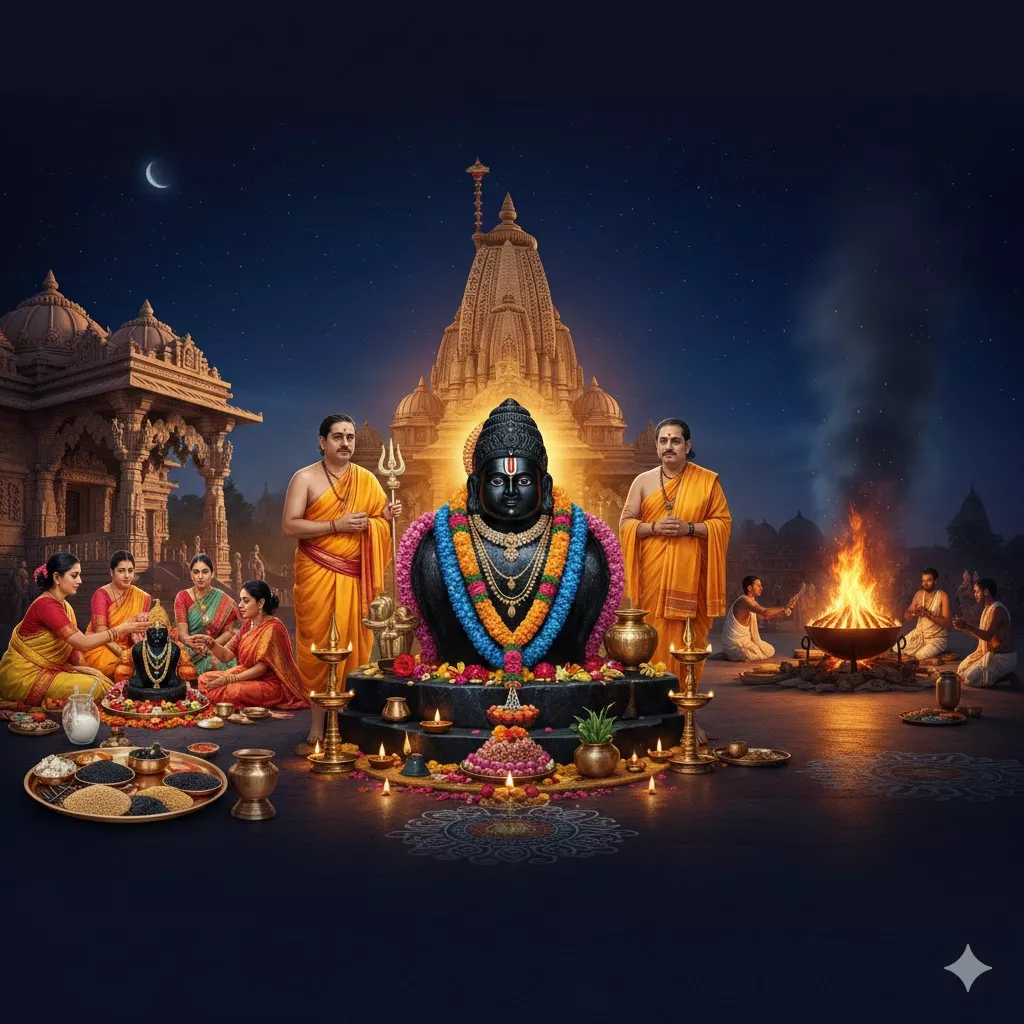
Holika Dahan should be performed during Pradosh Kaal (after sunset) when Purnima Tithi is active. Devotees are advised to consult their local temple priest or regional Panchang in the USA or Canada for exact timings, ensuring scriptural correctness.
Holi Celebrations Among Hindus in USA and Canada
Holi has become a major cultural and spiritual festival among Hindu diaspora communities in North America, preserving ancient traditions while embracing multicultural harmony.
Holi in the United States
In cities such as New York, New Jersey, Houston, Chicago, Atlanta, Dallas, San Jose, and Los Angeles, Hindu temples and community organizations conduct:
- Traditional Holika Dahan with Vedic mantras
- Bhajan and Kirtan programs glorifying Vishnu and Krishna
- Family-friendly Rangwali Holi with herbal colors
- Cultural performances, classical dances, and storytelling sessions
Many ISKCON temples, Hindu temples, and Indian associations ensure that Holi celebrations remain spiritually rooted, safe, and inclusive.
Holi in Canada
In Toronto, Brampton, Mississauga, Vancouver, Calgary, Surrey, and Montreal, Holi is celebrated with devotion and community unity. Typical celebrations include:
- Temple-organized Holika Dahan rituals
- Eco-friendly Holi color festivals
- Spiritual discourses explaining Holi’s meaning to children
- Community feasts featuring traditional Holi foods
Canadian Hindu organizations emphasize Ahimsa, inclusivity, and cultural education, making Holi both joyful and spiritually meaningful.
Safe and Eco-Friendly Holi Celebration Practices
Sanatana Dharma teaches harmony with nature (Prakriti Raksha) and compassion toward all beings. Celebrating Holi responsibly reflects these timeless values.
Use Natural and Herbal Holi Colors
Traditional Holi colors were made from flowers, herbs, and natural minerals. Devotees are encouraged to:
- Use organic gulal made from turmeric, beetroot, palash flowers, or henna
- Avoid synthetic, chemical-based colors that harm skin and water bodies
- Choose eco-certified herbal colors available in temples and Indian stores
Natural colors are safe for children, elders, and the environment.
Skin, Eye, and Health Protection Tips
Even natural celebrations require care:
- Apply coconut oil or sesame oil on skin and hair before playing
- Wear protective eyewear if needed
- Avoid forceful application of colors
- Respect personal boundaries and consent
Holi is a festival of love and joy, never discomfort.
Water Conservation and Environmental Care
Water is sacred in Hinduism. During Holi:
- Prefer dry Holi with herbal gulal
- Avoid excessive water usage
- Use reusable containers and avoid plastic waste
Celebrating Holi responsibly honors Bhumi Devi (Mother Earth).
Regional Holi Traditions Across Bharat and Beyond
Holi is celebrated differently across regions, each tradition reflecting local culture and devotion.
Braj Holi – Mathura, Vrindavan, Barsana
The most spiritually vibrant Holi is celebrated in Krishna Bhoomi:
- Lathmar Holi in Barsana and Nandgaon
- Temple celebrations with Radha-Krishna leelas
- Weeks-long devotional singing and dancing
These traditions glorify divine love (Prema Bhakti).
Dol Purnima in Bengal and Odisha
In Eastern India, Holi is celebrated as Dol Jatra or Dol Purnima:
- Krishna idols are placed on swings
- Devotees sing Vaishnava bhajans
- Gentle color application with devotion
Holi in Nepal and Himalayan Regions
In Nepal, Holi symbolizes unity and renewal, celebrated with spiritual prayers and community joy, often on different local dates based on lunar observation.
Traditional Holi Foods and Sacred Prasadam
Food prepared during Holi is offered with devotion and shared with love.
Popular Holi Prasadam Items
- Gujiya – symbol of sweetness and celebration
- Malpua – sacred festive offering
- Thandai – cooling herbal drink
- Dahi Vada, Ladoo, Mathri
Sharing food reflects the Vedic teaching “Vasudhaiva Kutumbakam” – the world is one family.
Step-by-Step Holika Dahan Ritual Guide
Preparations
- Clean the area and create a sacred space
- Arrange firewood, cow dung cakes (if available), and offerings
- Keep flowers, kumkum, turmeric, incense, and water ready
Simple Holika Dahan Mantras
- Om Namo Narayanaya
- Om Prahlada Rakshakaya Namah
Devotees may walk around the fire praying for removal of negativity and inner purification.
Spiritual Practices Recommended During Holi
Holi is an auspicious time for spiritual growth.
Chanting and Bhakti
Chanting the Hare Krishna Mahamantra purifies the heart and mind:
Hare Krishna Hare Krishna
Krishna Krishna Hare Hare
Hare Rama Hare Rama
Rama Rama Hare Hare
Forgiveness and Renewal
Holi teaches forgiveness, letting go of past grievances, and starting anew with compassion and humility, aligning with the teachings of the Bhagavad Gita.
Holi 2026 Blessings and Devotional Wishes
May Holi 2026 fill your life with:
- Divine protection
- Inner joy and peace
- Strong family bonds
- Spiritual wisdom and prosperity
May Lord Vishnu, Shri Krishna, and Narasimha Bhagavan bless all devotees with happiness and righteousness.
Radhe Radhe | Hari Om | Dharma Rakshati Rakshitah
For More Devotional Journey, Follow
- Temples
https://hindutone.com/temples/ - Tirumala Updates
https://hindutone.com/tirumala/ - Sabarimala Yatra
https://hindutone.com/category/sabarimala-yatra/ - Pooja, Slokas & Mantras
https://hindutone.com/pooja-slokas-and-mantras/ - Hindu Gods
https://hindutone.com/hindu-gods/
Related posts:
 Vaikuntha Ekadashi in Andhra Pradesh: Tirupati, Simhachalam & Srikurmam
 Holi 2026 Celebrations: Date, Significance, and How Hindu Americans Celebrate the Festival of Colors
 January 2026 Hindu Festivals in USA, UK, Canada & Australia
 Hindu Festivals in Germany 2026–2027
 How Chicago Celebrates Pongal 2026: Tamil Traditions
 Mahashivratri 2026 Date, Pooja, Significance & Upavasam Guide




 ︎
︎

