Karthika Amavasya: Complete Guide to Rituals, Significance, and Puja Vidhi
Introduction to Karthika Amavasya Karthika Amavasya, also known as Kartik Amavasya or Deepavali Amavasya, is the most auspicious and sacred New Moon Day…
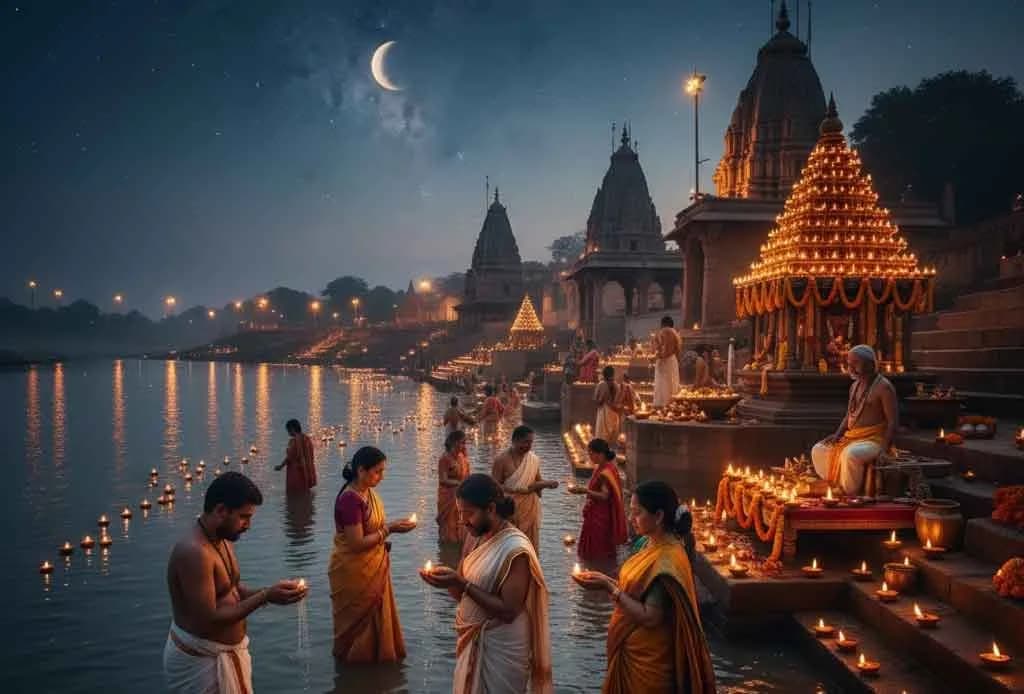
Introduction to Karthika Amavasya Karthika Amavasya, also known as Kartik Amavasya or Deepavali Amavasya, is the most auspicious and sacred New Moon Day…
Introduction to Karthika Amavasya
Karthika Amavasya, also known as Kartik Amavasya or Deepavali Amavasya, is the most auspicious and sacred New Moon Day (Amavasya) in the Hindu calendar. This day falls in the Hindu month of Kartika, which corresponds to October/November in the Gregorian calendar, and is celebrated worldwide as Diwali. It is one of the most important 'No Moon Day' in the Hindu religion and is considered the favorite day of Lord Krishna.
This comprehensive guide provides complete details about Karthika Amavasya 2025, including the exact date, auspicious timings, step-by-step puja vidhi, rituals, mantras, significance, and benefits of observing this sacred day.
Karthika Amavasya 2025 Date and Timings
Date and Tithi Details
Karthika Amavasya 2025 Date: Tuesday, October 21, 2025
Amavasya Tithi Begins: 3:44 PM on October 20, 2025 Amavasya Tithi Ends: 5:54 PM on October 21, 2025
Udaya Tithi: October 21, 2025 (ideal day for performing all Amavasya rituals)
Best Time for Rituals
The most auspicious time to perform Amavasya puja, snan, and daan is during the early morning hours after sunrise, before Rahu Kaal begins. Devotees should wake up during Brahma Muhurta (approximately 4:30-6:00 AM) for maximum spiritual benefits.
Spiritual Significance of Karthika Amavasya
Why is Karthika Amavasya So Important?
According to Hindu scriptures, Kartik month is one of the most auspicious months and Kartik Amavasya importance is comparatively higher than other Amavasyas. This day holds multiple layers of spiritual, religious, and mythological significance.
Connection with Major Hindu Deities
Lord Vishnu: Lord Krishna emphasized the importance of worshipping him on Kartik Amavasya and stated that devotees will benefit as all the doshas that occur due to the Navagraha will be nullified by doing so.
Goddess Lakshmi: It is said that Goddess Lakshmi appeared from the Samudra Manthan (Churning of the Ocean) on Kartik Amavasya. Hence, the day is known as Kamala Jayanti.
Lord Shiva: This day is also associated with Lord Shiva's victory over darkness and evil forces.
Ancestral Worship
Like other Amavasyas, Kartik Amavasya is considered an auspicious day to perform ancestral rites. By offering prayers to ancestors on this day, one may attain their blessings and can get rid of all the defects and debts of ancestors present in their birth chart.
Mythological Stories and Legends
Legend of King Bali
According to legend, once King Bali imprisoned all the Gods along with Goddess Lakshmi, and they were liberated by Lord Vishnu on the day of Kartik Krishna Amavasya. However, frightened by the event, all Gods with Goddess Lakshmi slept in the Ksheer Sagar (Ocean of Milk). Thus, on Kartik Amavasya, special arrangements are made to welcome deities into homes so they bestow blessings instead of departing to Ksheer Sagar.
Return of Lord Rama
Another legend states that on this day Lord Rama returned to his abode, Ayodhya, with his wife Goddess Sita and brother Laxman after completing his exile of 14 years. To celebrate his arrival, people of Ayodhya lit earthen lamps, and since then Diwali is celebrated on the day of Kartik Amavasya.
Emergence of Lord Dhanvantari
During the Samudra Manthan (Churning of the Ocean), when the Devas and Asuras came together to churn the cosmic ocean in search of Amrit (elixir of immortality), on Kartika Amavasya, Lord Dhanvantari, the physician of the Devas and bearer of Amrit, emerged with a pot of elixir.
Story of Goddess Lakshmi and the Old Woman
Once on Kartik Amavasya, Goddess Lakshmi decided to visit Earth but lost her way due to darkness. She spotted lit lamps and found a hut where an old woman was lighting lamps outside with the door open. Goddess Lakshmi requested a place to stay overnight, and the old lady arranged accommodation so that the Goddess could rest peacefully. This story emphasizes the importance of lighting lamps on this auspicious day.
Complete Karthika Amavasya Puja Vidhi (Step-by-Step Ritual Procedure)
Pre-Dawn Preparations (4:30 AM - 6:00 AM)
1. Wake Up During Brahma Muhurta
Wake up early during Brahma Muhurta (approximately 4:30-6:00 AM), which is considered the most auspicious time for spiritual practices.
2. Holy Bath (Kartik Snan)
Taking a holy bath in sacred rivers such as the Ganga, Yamuna, or Godavari on this day absolves one of past sins and brings peace to departed ancestors.
Holy Bath Procedure:
- If possible, take a dip in sacred rivers like Ganga, Yamuna, Godavari, Narmada, or any flowing water body
- If travel is not feasible, a bath at home using water infused with Ganga jal is equally cleansing
- While bathing, chant Gayatri Mantra: "Om Bhur Bhuvah Svah, Tat Savitur Varenyam, Bhargo Devasya Dhimahi, Dhiyo Yo Nah Prachodayat"
- Add Tulsi leaves, sesame seeds, or holy water to your bath
- Observe silence for a few moments after your bath to cleanse inner energies
3. Wear Clean Clothes
After bathing, wear fresh, clean clothes. Traditionally, white or light-colored clothes are preferred for purity, though you can also wear red-colored clothes for special blessings.
Morning Rituals (6:00 AM - 9:00 AM)
4. Surya Arghya (Offering to Sun God)
Take an early morning bath in a sacred lake, pond, or river and offer Arghya to Lord Sun. Also offer sesame seeds in the flowing water.
Surya Arghya Procedure:
- Face the rising sun
- Take water mixed with sesame seeds, red flowers, and rice in a copper vessel
- Hold the vessel at chest level and slowly pour water toward the sun while chanting:
- "Om Suryaya Namaha" (108 times) or
- "Om Bhaskaraya Namaha"
- Offer gratitude for life, health, and prosperity
5. Recite Navagraha Stotra
In the morning, recite Navagraha Stotra and seek blessings from God. Doing it will alleviate the effects of all the planetary doshas present in your Janam Kundali.
Navagraha Stotra:
Aadityaaya cha Somaaya Mangalaya Budhaya cha
Guru Shukra Shanibhyascha Rahave Ketave Namaha
Chant this mantra 9, 27, or 108 times to appease all nine planets and remove planetary afflictions.
6. Chant Vishnu Sahasranama
Recite Vishnu Sahasranama to get rid of all the ill effects of planets. If you cannot recite the complete Vishnu Sahasranama (1000 names of Lord Vishnu), chant at least the abbreviated version or recite:
Essential Vishnu Mantras:
- "Om Namo Bhagavate Vasudevaya" (108 times)
- "Om Namo Narayanaya" (108 times)
Main Puja Setup (9:00 AM - 11:00 AM)
7. Prepare the Puja Area
- Clean the puja room or designated sacred space thoroughly
- Place a wooden platform (chowki) or clean cloth
- Draw a rangoli or kolam design
- Arrange all puja items in organized manner
8. Required Puja Items (Samagri)
Essential Items:
- Idol or picture of Lord Vishnu, Lord Shiva, and Goddess Lakshmi
- Clean water in a kalash (copper/brass vessel)
- Panchamrit (mixture of milk, curd, honey, ghee, and sugar)
- Flowers (lotus, marigold, rose, tulsi leaves, bilva leaves)
- Incense sticks (agarbatti) and dhoop
- Camphor (kapoor)
- Sandalwood paste (chandan)
- Kumkum (vermillion)
- Turmeric powder (haldi)
- Rice grains (akshat)
- Betel leaves and nuts
- Fruits (banana, apple, coconut)
- Sweets (laddoo, pedha, kheer)
- Cotton wicks and ghee/sesame oil for diyas
- Sacred thread (kalava/moli)
- Sesame seeds (til)
9. Kalash Sthapana (Establishing the Sacred Pot)
- Fill a copper or brass kalash with water
- Place mango leaves around the mouth of the kalash
- Place a coconut on top
- Tie sacred thread around the kalash
- Place the kalash on a bed of rice grains
- Worship the kalash as a symbol of divine presence
10. Ganesh Puja (Invoking Lord Ganesha)
Always begin any Hindu puja by invoking Lord Ganesha to remove obstacles:
Ganesh Invocation:
- Light an incense stick
- Offer flowers to Lord Ganesha
- Chant: "Om Gan Ganapataye Namaha" (11 times)
- Offer modak or laddoo to Ganesha
- Pray for obstacle-free completion of the puja
Deity-Specific Worship
11. Lord Vishnu Puja
It is believed that one who worships Lord Vishnu with a pious heart is blessed with freedom from bad karma and gets relieved of all the pain and sufferings in life.
Vishnu Puja Procedure:
- Place the idol or picture of Lord Vishnu on the altar
- Offer flowers, especially tulsi leaves (Lord Vishnu's favorite)
- Apply sandalwood paste and kumkum
- Offer fruits, sweets, and panchamrit
- Light incense and show the lamp (aarti)
- Chant Vishnu mantras:
- "Om Namo Bhagavate Vasudevaya"
- Vishnu Sahasranama (if possible)
- Read passages from Bhagavad Gita or Vishnu Purana
12. Goddess Lakshmi Puja
Anyone who worships Goddess Lakshmi by doing Lakshmi Puja on this day bestows wealth, prosperity, and happiness.
Lakshmi Puja Procedure:
- Place Goddess Lakshmi's idol or picture alongside Lord Vishnu
- Clean silver coins or keep a new coin as a symbol of wealth
- Offer red flowers (lotus or rose)
- Apply kumkum and turmeric
- Offer sweets, especially kheer (rice pudding)
- Light ghee lamps
- Chant Lakshmi mantras:
- "Om Shreem Mahalakshmiyei Namaha" (108 times)
- Lakshmi Ashtottara Shatanamavali
- "Om Hreem Shreem Kleem Maha Lakshmi Namaha"
- Pray for prosperity, wealth, and spiritual abundance
13. Lord Shiva Puja and Abhishekam
Worship Lord Shiva and perform Abhishek ritual with honey on the Shivling for seeking Lord Shiva's blessing.
Shiva Abhishekam Procedure:
- Place Shivling or Lord Shiva's idol on the altar
- Offer bilva (bael) leaves in sets of three
- Perform Abhishekam (ritual bathing) with:
- Clean water while chanting "Om Namah Shivaya"
- Milk
- Curd
- Honey (especially important on Kartik Amavasya)
- Ghee
- Gangajal (holy Ganga water)
- After each item, chant: "Om Namah Shivaya"
- Apply sandalwood paste and vibhuti (sacred ash)
- Offer white flowers
- Light dhoop and camphor
- Chant Shiva mantras:
- "Om Namah Shivaya" (108 times)
- Maha Mrityunjaya Mantra: "Om Tryambakam Yajamahe Sugandhim Pushti-Vardhanam, Urvarukamiva Bandhanan Mrityor Mukshiya Maamritat"
- Perform aarti with camphor
Afternoon/Evening Rituals (Post 12:00 PM)
14. Lighting of Diyas (Deep Daan)
Light up a diya or earthen lamp in the temple to get freed from all the sufferings and impact laid by Planet Saturn.
Diya Lighting Procedure:
- Traditionally, 14 diyas are lit — one for each of the 14 forefathers
- Use earthen lamps (clay diyas)
- Fill with pure ghee or sesame oil
- Use cotton wicks
- Light diyas at the following places:
- Main entrance (threshold)
- Puja room/altar
- Tulsi plant
- Kitchen
- Four corners of the house
- Near water sources
- At temple
- Under Peepal tree (if accessible)
- Near river banks
- For ancestors (facing south)
- Keep diyas lit throughout the evening and night
- This practice symbolizes the victory of light over darkness
Ancestral Rituals (Pitru Tarpan)
15. Tarpan for Ancestors
Offering tarpan or pind daan during Amavasya is believed to calm ancestral souls and confer blessings on the family.
Tarpan Procedure:
- Give water, sesame seeds, and prayers toward the south direction
- Stand facing south (direction of ancestors)
- Hold water mixed with black sesame seeds in your right palm
- Recite the names of your ancestors for three generations:
- Father's lineage
- Mother's lineage
- Guru lineage
- Release the water slowly while chanting:
- "Om Pitru-bhyah Namaha"
- "Om Tripti Namaha"
- Perform this three times for each ancestor
- Offer pinda (rice balls) if you know the complete procedure
Simplified Tarpan Mantra:
Om Pitru-bhyah Swaha, Pitru-bhyah Swaha, Pitru-bhyah Swaha
Om Pitra Matru Namo Namaha
16. Pinda Dana (Food Offering to Ancestors)
- Prepare rice balls (pinda) mixed with sesame seeds, ghee, and milk
- Offer them on banana leaves facing south
- Include cooked rice, dal, vegetables, and sweets
- After the ritual, donate this food to cows, crows, or Brahmins
- Offer food to cows, dogs, and crows as they are considered representatives of ancestors
Charity and Donations (Daan)
17. Sacred Donations
Charity, particularly giving of food, clothing, oil, and lamps, is very significant. It is thought that giving on Kartik Amavasya attracts long-term prosperity and dissolves obstacles.
Recommended Donations:
Essential Donations:
- Anna Daan (Food Donation): Feed Brahmins, poor people, or organize community meals
- Vastra Daan (Clothing): Donate clothes to the needy
- Til Daan (Sesame Seeds): Donate black sesame seeds
- Deep Daan (Lamp Donation): Light lamps in temples and donate oil
- Go Daan (Cow Donation): If possible, donate a cow or feed cows
Additional Donations:
- Donate blankets or warm clothes (as winter approaches)
- Donate cooking oil and ghee
- Donate grains, pulses, and rice
- Donate money to temples or charitable organizations
- Feed birds and animals
Donation Mantra: While giving charity, chant:
Om Sarva Devata-bhyo Namaha
Om Sarva Prani-bhyo Namaha
Dana Dharma Phala Prapti Astu
Fasting Guidelines
18. Observing Kartik Amavasya Vrat (Fast)
The Kartik Amavasya Vrat is considered an effective tool for spiritual purification and helps devotees detach from material desires.
Fasting Options:
Complete Fast (Nirjala):
- No food or water from sunrise to next sunrise
- Only for those with good health and experience
Fruit Fast (Phalahar):
- Consume only fruits, milk, and water
- Most commonly observed
- Suitable for most devotees
Single Meal Fast (Ekabhukta):
- Eat only once during the day
- After sunset or after completing puja
What to Avoid During Fast:
- Onion and garlic
- Non-vegetarian food
- Alcohol and tobacco
- Grains (in strict fasting)
- Negative thoughts and harsh speech
Breaking the Fast:
- Break fast next morning after sunrise
- Offer food to deity first (prasad)
- Share prasad with family
- Eat sattvic vegetarian food
Evening Rituals
19. Lakshmi-Vishnu Night Puja
On Kartik Amavasya night, special arrangements are made to keep deities comfortable so they stay in devotees' homes rather than returning to Ksheer Sagar.
Night Puja Setup:
- Create a special bed (shayan) for deities using flowers
- Keep fresh flower garlands
- Light multiple ghee lamps
- Play devotional music or bhajans
- Stay awake (jagaran) if possible
- Chant Vishnu and Lakshmi mantras throughout the night
20. Kali Puja (Regional Observance)
On this Amavasya night, Goddess Shyama Kali is worshipped through a special Tantrik Puja. Goddess Shyama Kali is the first avatar of Goddess Durga. The Puja is performed to demolish immorality and negativity around us.
In Bengal, West Bengal, Odisha, and Assam, Kartik Amavasya is primarily celebrated as Kali Puja:
Kali Puja Essentials:
- Worship Goddess Kali with red hibiscus flowers
- Offer red vermillion and sindoor
- Light lamps with mustard oil
- Offer sweets and cooked food
- Chant Kali mantras:
- "Om Kreem Kalikaye Namaha"
- Kali Chalisa
- Perform aarti at midnight
Completion and Aarti
21. Final Aarti (Aratrika)
Perform the concluding aarti for all deities:
Aarti Procedure:
- Light camphor in a brass/silver plate
- Wave it in circular motion (clockwise) before the deity
- Sing aarti:
- "Om Jai Jagdish Hare" (Vishnu Aarti)
- "Om Jai Lakshmi Mata" (Lakshmi Aarti)
- "Om Jai Shiv Omkara" (Shiva Aarti)
- Ring the bell throughout
- Offer flowers while singing
- After aarti, bow down and seek blessings
22. Prasad Distribution
- Prepare sweet prasad (kheer, laddoo, pedha, halwa)
- Offer to deities first
- Distribute to all family members
- Share with neighbors and community
- Keep some for next morning's breakfast
23. Pradakshina and Pranaam
- Take three circumambulations (pradakshina) around the altar clockwise
- Perform ashtanga pranaam (full prostration) or stand with folded hands
- Pray for:
- Peace for ancestors
- Removal of sins and doshas
- Family welfare
- Spiritual progress
- Prosperity and happiness
Special Mantras for Karthika Amavasya
Vishnu Mantras
Primary Vishnu Mantra:
Om Namo Bhagavate Vasudevaya
(Chant 108 times)
Vishnu Gayatri:
Om Narayanaya Vidmahe
Vasudevaya Dhimahi
Tanno Vishnu Prachodayat
For Doshas Removal: Recite the Vishnu Sahasranamam for absolute peace, harmony, and good health
Lakshmi Mantras
Lakshmi Beej Mantra:
Om Shreem Mahalakshmiyei Namaha
(Chant 108 times)
Complete Lakshmi Mantra:
Om Hreem Shreem Kleem Maha Lakshmi Namaha
Lakshmi Gayatri:
Om Mahalakshmyai Cha Vidmahe
Vishnu Patnyai Cha Dhimahi
Tanno Lakshmi Prachodayat
Shiva Mantras
Panchakshari Mantra:
Om Namah Shivaya
(Chant 108 times)
Maha Mrityunjaya Mantra:
Om Tryambakam Yajamahe
Sugandhim Pushti-Vardhanam
Urvarukamiva Bandhanan
Mrityor Mukshiya Maamritat
(Chant 11, 21, or 108 times for protection and liberation)
Pitru (Ancestor) Mantras
Pitru Tarpan Mantra:
Om Pitru-bhyah Swaha
Pitru-bhyah Swaha
Pitru-bhyah Swaha
Pitru Moksha Mantra:
Om Pitra Matru Pitamaha Pitamahi Namo Namaha
Om Akala Mrityu Haranaya Namaha
Navagraha Shanti Mantra
Recite Navagraha Stotra to alleviate the effects of all the planetary doshas present in your Janam Kundali
Aadityaaya cha Somaaya Mangalaya Budhaya cha
Guru Shukra Shanibhyascha Rahave Ketave Namaha

Om Sarvgrahaabhyah Namaha
Om Navagraha Shanti Praapti Astu
Universal Peace Mantra
Om Sarve Bhavantu Sukhinah
Sarve Santu Niramayah
Sarve Bhadrani Pashyantu
Ma Kashchit Dukha Bhag Bhavet

Om Shanti Shanti Shanti
Spiritual Benefits of Observing Karthika Amavasya
Personal and Spiritual Benefits
By observing the fast and performing the Kartika Amavasya Rituals, devotees get spiritual purification and help to detach from material desires.
Key Benefits:
- Liberation from Sins: As per popular beliefs, performing any holy ritual or taking a dip in sacred rivers, lakes, or ponds on Kartik Amavasya mitigates all your bad deeds and offers you salvation
- Removal of Planetary Doshas: All the doshas that occur due to the Navagraha will be nullified by worshipping Lord Krishna on Kartik Amavasya
- Ancestral Peace: Peace and salvation to ancestors' souls, removal of Pitru Dosha, and ancestral blessings for the family
- Material Prosperity: Anyone who worships Goddess Lakshmi by doing Lakshmi Puja on this day bestows wealth, prosperity, and happiness
- Spiritual Growth: Devotees seek mental clarity, which further promotes concentration, focus, and introspection by fasting on this day
- Health Benefits: The health benefits of Kartika Amavasya Vrat are notable as it allows devotees to detoxify their bodies, promote digestion, improve overall well-being, and increase metabolism
- Self-Discipline: When one observes fast, they develop self-control, discipline, and willpower and are able to overcome cravings and desires
- Divine Protection: Protection from evil forces, negative energies, and misfortunes
Astrological Benefits
Reciting Navagraha Stotra will alleviate the effects of all the planetary doshas present in your Janam Kundali
Specific Planetary Relief:
- Saturn (Shani): Relief from Saturn's malefic effects through diya lighting
- Rahu-Ketu: Removal of Rahu-Ketu doshas through ancestral worship
- All Navagrahas: Overall planetary peace through Vishnu worship
Do's and Don'ts on Karthika Amavasya
DO's (Recommended Actions)
[image: ✅] Wake early during Brahma Muhurta (4:30-6:00 AM) [image: ✅] Take holy bath in sacred rivers or with Ganga water at home [image: ✅] Offer Surya Arghya to the rising sun [image: ✅] Light diyas throughout the day and especially in the evening [image: ✅] Worship Lord Vishnu, Lakshmi, and Shiva with devotion [image: ✅] Perform Tarpan for ancestors [image: ✅] Observe fast according to your capacity [image: ✅] Give charity (food, clothes, money, oil, lamps) [image: ✅] Chant mantras throughout the day [image: ✅] Maintain cleanliness of body, mind, and surroundings [image: ✅] Practice silence and meditation [image: ✅] Read sacred texts like Bhagavad Gita or Vishnu Purana [image: ✅] Feed animals (cows, dogs, crows, birds) [image: ✅] Visit temples and participate in community worship [image: ✅] Keep positive thoughts and speak kindly
DON'Ts (Actions to Avoid)
[image: ❌] Don't engage in arguments, anger, or harsh speech [image: ❌] Don't begin new ventures before Amavasya ends [image: ❌] Don't consume non-vegetarian food, alcohol, or tobacco [image: ❌] Don't use onion or garlic in cooking [image: ❌] Don't harbor negative thoughts or ill feelings toward others [image: ❌] Don't neglect ancestral rituals [image: ❌] Don't skip the holy bath [image: ❌] Don't waste food or water [image: ❌] Don't be lazy or sleep excessively [image: ❌] Don't engage in gossip or unnecessary worldly conversations [image: ❌] Don't forget to light lamps in the evening [image: ❌] Don't travel unnecessarily (if observing strict vrat)
Regional Variations in Karthika Amavasya Celebration
North India - Diwali Celebration
In North India, Kartik Amavasya is primarily celebrated as Diwali (Deepavali), the festival of lights. The focus is on:
- Lakshmi-Ganesh puja
- Lighting thousands of diyas
- Fireworks and crackers
- Rangoli decorations
- Exchange of sweets and gifts
- New business ledger opening (Muhurat trading)
East India - Kali Puja
In Bengal, Assam, and Odisha, this day is celebrated as Kali Puja:
- Worship of Goddess Kali
- Night-long celebrations
- Special pandals and idol worship
- Offering of red flowers and sweets
- Tantric rituals
South India - Naraka Chaturdashi Connection
In South India, the focus extends to the previous day (Naraka Chaturdashi):
- Oil bath in the early morning
- Lighting of lamps
- Visiting ancestral homes
- Family gatherings
Maharashtra - Lakshmi Puja
Maharashtra celebrates with emphasis on:
- Lakshmi Puja in homes
- Lighting of akash diyas (sky lamps)
- Preparation of traditional sweets (faral)
- Goddess Lakshmi footprints drawn entering homes
Frequently Asked Questions
When is Karthika Amavasya?
Karthika Amavasya falls on October 21, 2025.
What is the significance of Karthika Amavasya?
Introduction to Karthika Amavasya Karthika Amavasya, also known as Kartik Amavasya or Deepavali Amavasya, is the most auspicious and sacred New Moon Day (Amavasya) in the Hindu calendar. This day falls in the Hindu month of Kartika, which corresponds to October/November in the Gregorian calendar, and is celebrated worldwide as Diwali .
How is Karthika Amavasya celebrated?
Devotees observe it with puja, fasting or special offerings, visiting temples, chanting mantras, and gathering with family. Customs vary by region and tradition.
What should devotees do on Karthika Amavasya?
Take a sacred bath, perform the day's puja and charity (dana), observe any prescribed fast, and chant mantras with sincere devotion.
You might also like
Shani Deva Temples Worldwide & Must-Performed Rituals — Complete Devotee's Guide
Karthika Masam 2026: Dates, Rituals, Vrat, Festivals & North vs South India Guide
June 2026 Hindu Festival Calendar — Complete Dates, Vrat & Puja Guide for NRIs