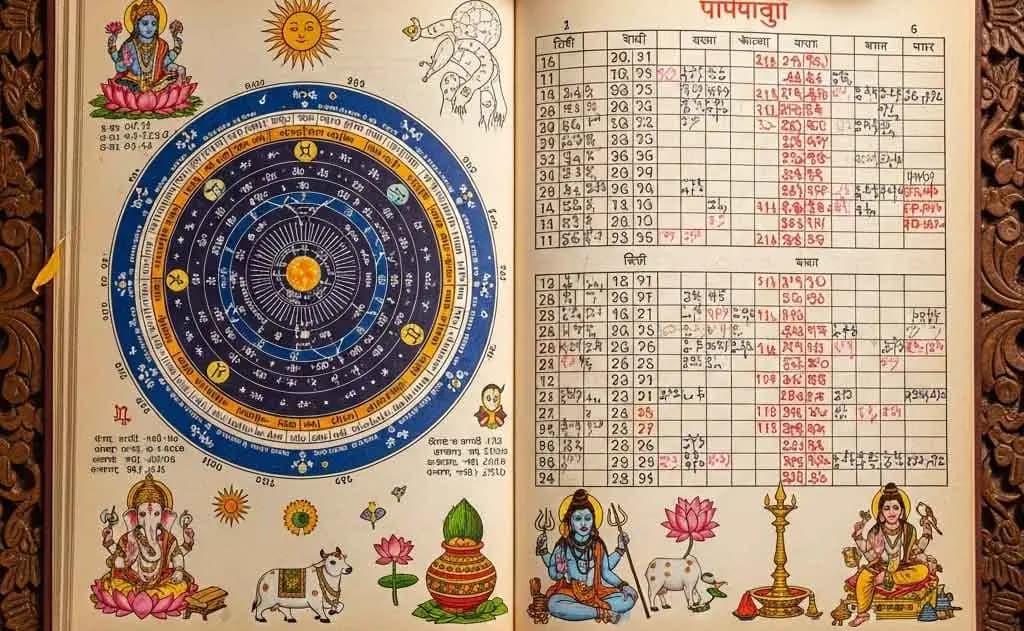
Karthika Puranam: The Complete Sacred Narrative
Introduction to Karthika Puranam The Karthika Puranam is one of the most revered texts in Hindu tradition, particularly celebrated in South India.
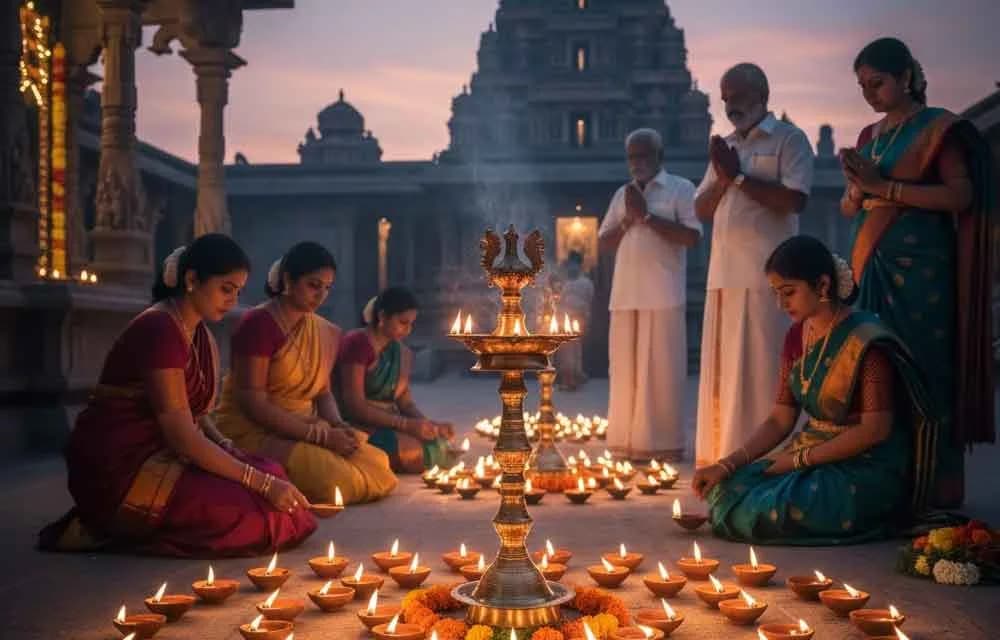
Introduction to Karthika Puranam The Karthika Puranam is one of the most revered texts in Hindu tradition, particularly celebrated in South India.
Introduction to Karthika Puranam
The Karthika Puranam is one of the most revered texts in Hindu tradition, particularly celebrated in South India. This sacred narrative glorifies the holy month of Karthika (October-November), which is dedicated to Lord Shiva and Lord Kartikeya (Skanda/Murugan). The Puranam emphasizes the significance of lighting lamps, performing rituals, and observing fasts during this auspicious month.
The Origin of the Sacred Month
The Celestial Context
In the beginning of creation, the Devas (celestial beings) approached Lord Brahma seeking guidance on how to vanquish the powerful demon Tarakasura, who had obtained a boon that he could only be killed by a son of Lord Shiva. However, Shiva was deep in meditation following the death of his consort Sati, showing no interest in worldly affairs.
The Divine Plan
The Gods, led by Indra, realized that they needed Shiva to marry again and produce a son capable of destroying Tarakasura. Parvati, the daughter of the Himalayas (Himavan) and the reincarnation of Sati, was destined to become Shiva's consort. However, winning the heart of the ascetic Shiva required divine intervention.
The Story of Kama Deva's Sacrifice
Parvati's Penance
Parvati performed intense austerities to win Lord Shiva's attention. She served Shiva during his meditation, enduring harsh weather and difficult conditions. Despite her devotion, Shiva remained unmoved, absorbed in his cosmic meditation.
Kama's Mission
The Gods requested Kamadeva (the God of love) to shoot his flower arrows at Shiva to awaken romantic feelings for Parvati. Kama, accompanied by his wife Rati and the spring season (Vasanta), entered Shiva's grove. As Parvati approached Shiva with flowers, Kama released his arrow.
The Third Eye Opens
Disturbed in his meditation, Shiva opened his third eye in fury. A scorching flame emerged and reduced Kamadeva to ashes. Rati wept inconsolably, and the Gods trembled at Shiva's wrath. However, this incident did create awareness in Shiva about the world around him.
The Divine Union
Impressed by Parvati's unwavering devotion and penance, Shiva eventually agreed to marry her. The celestial wedding was celebrated with great grandeur, with all Gods, sages, and celestial beings in attendance. However, the union produced no immediate offspring, causing anxiety among the Devas.
The Birth of Lord Kartikeya
The Divine Spark
During their divine union, a brilliant spark of immense power emerged from Lord Shiva. This spark was so intense that even Parvati could not contain it. The spark was initially carried by Agni (the fire God), but it proved too powerful even for him.
The River Ganga's Role
Agni transferred the divine spark to the sacred river Ganga. The Goddess Ganga carried it downstream to the Saravana forest (a reed forest), where she deposited it. The intensity of the divine essence was such that it created six separate flames.
The Six-Faced Child
Six divine maidens known as the Krittikas (the Pleiades constellation) discovered these flames and nurtured them. Each flame transformed into a beautiful baby boy. When Parvati learned of the children, she embraced all six, and they miraculously merged into one child with six faces and twelve arms – Lord Kartikeya, also known as Shanmukha (six-faced), Skanda, and Murugan.
The Divine Warrior
From birth, Kartikeya possessed extraordinary powers and divine weapons. Lord Shiva presented him with the vel (divine spear), and Parvati adorned him with her love and blessings. The child grew rapidly, displaying remarkable wisdom and martial prowess.
The Defeat of Tarakasura
The Demon's Tyranny
Tarakasura, empowered by his boon from Lord Brahma, had conquered the three worlds. He had driven the Devas from heaven, stolen the sacred Amrita (nectar of immortality), and established his cruel rule. The celestials suffered under his oppression, unable to perform their cosmic duties.
Kartikeya's Divine Mission
When Kartikeya reached youth, Indra and the other Devas approached him, narrating their plight. Understanding his divine purpose, Kartikeya agreed to lead the celestial army against the demon forces.
The Great Battle
The war between the Devas and the Asuras (demons) was fierce and prolonged. Tarakasura's army was vast and powerful, but Kartikeya's strategic brilliance and divine powers began turning the tide. His peacock mount, Paravani (gifted by Agni), carried him swiftly across the battlefield.
The Final Confrontation
In the climactic battle, Kartikeya faced Tarakasura directly. The demon, realizing his end was near as per the prophecy, fought valiantly but was ultimately no match for the divine general. With his vel (spear), Kartikeya pierced the demon's heart, fulfilling the divine prophecy and restoring cosmic order.
Peace Restored
With Tarakasura's death, the Devas regained heaven, and righteousness was restored. Kartikeya was crowned as the commander-in-chief of the celestial armies (Devasena-pati). The Gods celebrated this victory, and peace returned to all three worlds.
The Significance of Karthika Month
The Sacred Illumination
After his victory, Lord Kartikeya instructed the Devas and all devotees to celebrate by lighting lamps throughout the month that commemorated these divine events – the month of Karthika. This tradition symbolizes the victory of light over darkness, knowledge over ignorance, and good over evil.
The Story of Karthika Deepam
On the full moon night of Karthika (Karthika Purnima), devotees light lamps to commemorate another significant event – when Lord Shiva manifested as an infinite pillar of light (Jyotirlinga) to settle a dispute between Brahma and Vishnu about supremacy.
The Infinite Light
Brahma and Vishnu were arguing about who was supreme when a massive pillar of fire appeared before them. A divine voice challenged them to find the beginning or end of this pillar. Brahma flew upward as a swan, and Vishnu dove downward as a boar, but neither could find the limits.
The Divine Revelation
When they returned, Lord Shiva emerged from the pillar, revealing that the infinite light represented his formless, boundless nature. This event occurred on Karthika Purnima, and devotees light lamps to honor this divine manifestation.
The Glory of Karthika Observances
Daily Lamp Lighting
Throughout Karthika month, devotees wake before sunrise and light lamps using sesame or ghee. These lamps are placed before deities, at doorsteps, near sacred trees (especially the Tulsi plant), and at temples. Each lamp represents the removal of ignorance and the awakening of spiritual consciousness.
The Tulsi Vivaha
During Karthika, the ceremonial marriage of Tulsi (holy basil) to Lord Vishnu or Shaligrama is celebrated. This ritual marks the beginning of the Hindu wedding season and symbolizes the divine union of the soul with the Supreme.
Fasting and Vrathas
Devotees observe various fasts during Karthika month:
Karthika Somavara Vrata: Fasting on Mondays dedicated to Lord Shiva Karthika Purnima Vrata: Complete fast on the full moon day Vishnu Upasana: Special worship of Lord Vishnu, particularly in his forms as Damodara or Vamana
The Circumambulation of Sacred Sites
Walking around sacred hills, temples, and sacred Pipal or Banyan trees (pradakshina) during Karthika is considered highly meritorious. The most famous is the Girivalam (hill circumambulation) of Tiruvannamalai in Tamil Nadu.
The Spiritual Significance
Removal of Sins
The Karthika Puranam declares that observing rituals during this month destroys accumulated sins from countless lifetimes. Even lighting a single lamp with devotion can purify the soul and grant liberation (moksha).
Ancestral Blessings
Lighting lamps during Karthika is believed to bring peace to departed ancestors and help them in their spiritual journey. The light reaches the ancestral realm and provides comfort to the souls of the deceased.
Material and Spiritual Prosperity
Devotion during Karthika month brings both worldly prosperity and spiritual advancement. It enhances health, wealth, knowledge, and ultimately leads to self-realization and union with the Divine.
The Power of Charity
Giving donations (dana) during Karthika, especially of lamps, food, clothing, and knowledge, multiplies merit manifold. Feeding the hungry and helping the needy during this month is considered equivalent to performing elaborate Vedic sacrifices.
Stories from Karthika Puranam
The Story of Sumati
There lived a poor Brahmin woman named Sumati who could barely afford food for her family. Despite her poverty, she had immense devotion. During Karthika month, she learned about the merit of lighting lamps but had no money for oil.
She collected tiny drops of oil that fell from merchants' shops and used them to light a small lamp at the Shiva temple. Her pure devotion pleased Lord Shiva so much that he appeared before her and blessed her with both material prosperity and spiritual wisdom. This story illustrates that true devotion matters more than material offerings.
The Hunter's Redemption
A cruel hunter named Guruswami spent his life killing animals without remorse. One Karthika day, while hunting, he accidentally dropped oil from his leather bag onto a stone beneath a Bilva tree, where ants had built a structure resembling a Shiva linga.
The oil ignited in the evening sun, creating a lamp before the anthill Shiva linga. This unknowing act of lighting a Karthika lamp, though accidental, began purifying his soul. That night, he had a divine vision that transformed him completely. He abandoned hunting, became a devout Shiva worshipper, and spent his remaining life in service to God and His creatures.
The Brahmin's Son
A learned Brahmin had a son who was extremely lazy and showed no interest in studies or spiritual practices. Worried about his future, the father prayed intensely. During Karthika month, the mother asked the boy to light a lamp for her as she was busy with cooking.
The boy reluctantly lit the lamp and placed it before the household deity. This simple act, performed during the sacred month, kindled a spark of spiritual consciousness within him. Gradually, he developed interest in learning and eventually became a great scholar and saint. This story demonstrates how even small acts during Karthika can transform lives.
The Merchant's Pride
A wealthy merchant named Dhanapati was extremely proud of his riches and looked down upon the poor. During Karthika month, a sage visited his town and explained the significance of lamp lighting and charity. The merchant, wanting to display his wealth, organized a grand lamp-lighting ceremony with thousands of expensive lamps.
However, his pride and lack of true devotion made the ritual meaningless. Meanwhile, a poor widow in the same town lit a small earthen lamp with borrowed oil and pure devotion. Lord Vishnu appeared before the sage and revealed that the widow's single lamp was more valuable than the merchant's thousands, teaching that devotion and humility matter more than ostentation.
The Sacred Texts and Hymns
Karthika Mahatmya
The Karthika Mahatmya (glory of Karthika) is described in various Puranas, including the Skanda Purana, Padma Purana, and Narada Purana. These texts enumerate the specific benefits of different observances:
- Lighting lamps grants vision and wisdom
- Bathing in sacred rivers removes sins
- Chanting Vishnu Sahasranama brings divine grace
- Reading Bhagavad Gita attracts Lord Krishna's blessings
- Performing Rudrabhishekam pleases Lord Shiva
Important Mantras
Karthikeya Mantra: "Om Saravanabhavaya Namaha" - Grants victory and removes obstacles
Shiva Karthika Mantra: "Om Namah Shivaya" - Invokes Lord Shiva's blessings
Vishnu Damodara Mantra: "Om Namo Bhagavate Vasudevaya" - For spiritual liberation
Deepa Mantra: "Shubham Karoti Kalyanam Arogyam Dhana Sampadah, Shatru Buddhi Vinashaya Deepa Jyotir Namostute" - Prayer to the lamp for prosperity and protection
Regional Celebrations
Tamil Nadu
In Tamil Nadu, Karthika is celebrated with great fervor. The Karthikai Deepam festival at Tiruvannamalai, where a massive lamp is lit atop Annamalai hill, attracts millions. Devotees circumambulate the 14-kilometer path around the hill (Girivalam), especially on Karthika Purnima.
Kerala
In Kerala, devotees celebrate Karthika by lighting rows of lamps in temples and homes. Special pujas are performed in Murugan temples across the state, with elaborate offerings of fruits and flowers.
Karnataka
In Karnataka, Karthika month coincides with the worship of Lord Vishnu as Damodara. Devotees perform special arati and sing devotional songs. The lighting of lamps in households and temples is a daily ritual.
Andhra Pradesh and Telangana
In these states, women observe strict fasts and light lamps at dusk. Special prayers are offered to Lord Shiva, and devotees visit Shiva temples, performing Rudrabhishekam and offering Bilva leaves.
North India
In North India, Karthika Purnima is celebrated as Dev Deepavali in Varanasi and other sacred cities. Thousands of lamps are lit along the ghats of the Ganges, creating a spectacular sight. It also marks the end of the Chhath Puja festival.
The Philosophical Essence
Light as Divine Knowledge
The central theme of Karthika Puranam is the symbolism of light. In Hindu philosophy, light represents:
Jnana (Knowledge): The lamp dispels the darkness of ignorance, just as spiritual knowledge removes the delusion of material existence.
Atman (Inner Self): The steady flame represents the unchanging soul within all beings.
Divine Presence: Light symbolizes the presence of God in all things and beings.
Purity: Fire purifies, and the sacred lamp purifies the environment and consciousness.
The Victory of Dharma
Lord Kartikeya's victory over Tarakasura represents the eternal truth that righteousness (dharma) ultimately prevails over evil (adharma). No matter how powerful negativity may seem, divine grace ensures the triumph of good.
Devotion Over Ritual
The stories within Karthika Puranam consistently emphasize that pure devotion (bhakti) is more valuable than elaborate rituals performed without sincerity. A simple act done with love and faith carries more merit than grand ceremonies performed with pride or mechanical routine.
Universal Accessibility
One of the beautiful aspects of Karthika observances is their accessibility. Lighting a lamp requires minimal resources, making it possible for everyone – regardless of wealth, caste, or education – to participate in this sacred tradition. This reflects the Hindu principle that spirituality is for all.
Modern Relevance
Environmental Consciousness
While maintaining tradition, modern devotees are encouraged to use eco-friendly lamps made from clay, coconut shells, or sustainable materials. Using natural oils like sesame, ghee, or coconut oil instead of paraffin supports environmental health.
Community Bonding
Karthika celebrations bring communities together. Group lamp lighting, temple festivals, and collective prayers strengthen social bonds and create a sense of shared spiritual purpose.
Mental Peace
The daily ritual of lighting lamps, chanting mantras, and spending time in prayer provides mental peace in our stressful modern lives. The soft glow of lamps creates a calming atmosphere conducive to meditation and reflection.
Cultural Preservation
By observing Karthika traditions and sharing stories from the Puranam with younger generations, families preserve cultural heritage and pass down spiritual wisdom.
How to Observe Karthika Month
Daily Practices
- Early Morning: Wake up during Brahma Muhurta (approximately 4-6 AM)
- Bathing: Take a purifying bath, ideally in a river or with water mixed with sacred herbs
- Lamp Lighting: Light lamps using sesame oil or ghee before sunrise
- Prayer: Chant Karthika mantras and read sacred texts
- Temple Visit: Visit temples, especially Shiva and Kartikeya temples
- Charity: Give donations of food, clothing, or money to the needy
- Evening Lamp: Light lamps again at dusk, placing them around your home and at the household shrine
Special Observances
Mondays (Somavara): Special fasting and worship of Lord Shiva with Bilva leaves
Ekadashi: Fasting and worship of Lord Vishnu
Purnima (Full Moon): Complete fast and night-long vigil with lamp lighting
Saturdays: Prayers to Lord Hanuman and lighting lamps at Hanuman temples
Foods and Fasting
During fasting, devotees typically consume:
- Fresh fruits and milk
- Root vegetables like sweet potatoes
- Sabudana (tapioca pearls)
- Nuts and dried fruits
- Water and coconut water
Complete fasts (without even water) are broken only after sighting the moon on Purnima.
Conclusion: The Eternal Message
The Karthika Puranam carries timeless wisdom relevant to every era. It teaches us that:
- Light conquers darkness - Both literally and metaphorically, illumination brings awareness and consciousness
- Devotion transforms - Sincere faith can elevate anyone, regardless of their past or circumstances
- Good prevails - Ultimately, righteousness and divine order restore balance
- Small acts matter - Even the simplest offerings, made with pure heart, please the Divine
- Spiritual practice is accessible - Everyone can light a lamp, chant a mantra, and remember God
As we light lamps during Karthika month, we connect with millions who have performed this sacred ritual for thousands of years. We participate in an unbroken tradition that links us to our ancestors, to the divine stories of the Puranas, and to the eternal truths of Hindu dharma.
The story of Lord Kartikeya's birth and victory, the significance of the sacred lamp, and the transformative power of devotion during this holy month continue to inspire spiritual seekers worldwide. May the light of Karthika illuminate our hearts, dispel our inner darkness, and guide us toward ultimate truth and liberation.
Om Karthikeya Namaha | Om Namah Shivaya | Om Namo Narayanaya
This comprehensive narration of the Karthika Puranam is intended for spiritual education and devotional practice. May it inspire readers to observe this sacred month with devotion and reap its abundant spiritual benefits.
Frequently Asked Questions
When is Karthika Puranam?
Karthika Puranam is observed on its traditional tithi in the Hindu lunar calendar; refer to the year's panchang for the exact date in your region.
What is the significance of Karthika Puranam?
Introduction to Karthika Puranam The Karthika Puranam is one of the most revered texts in Hindu tradition, particularly celebrated in South India. This sacred narrative glorifies the holy month of Karthika (October-November), which is dedicated to Lord Shiva and Lord Kartikeya (Skanda/Murugan).
How is Karthika Puranam celebrated?
Devotees observe it with puja, fasting or special offerings, visiting temples, chanting mantras, and gathering with family. Customs vary by region and tradition.
What should devotees do on Karthika Puranam?
Take a sacred bath, perform the day's puja and charity (dana), observe any prescribed fast, and chant mantras with sincere devotion.
You might also like
Karthika Masam 2026: Dates, Rituals, Vrat, Festivals & North vs South India Guide
Shani Deva Temples Worldwide & Must-Performed Rituals — Complete Devotee's Guide
June 2026 Hindu Festival Calendar — Complete Dates, Vrat & Puja Guide for NRIs