Karthika Vanabhojanam for NRIs: Bringing the Forest Feast to American Parks
The aroma of tamarind rice and the sound of Telugu conversations drift through American parks each autumn, as NRI families gather to recreate one of South…
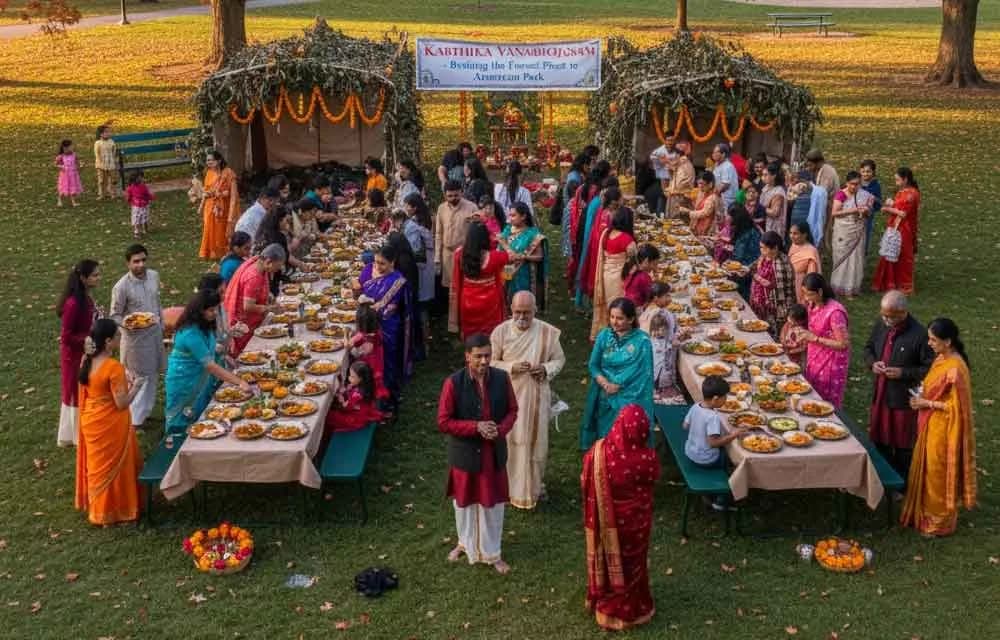
The aroma of tamarind rice and the sound of Telugu conversations drift through American parks each autumn, as NRI families gather to recreate one of South…
The aroma of tamarind rice and the sound of Telugu conversations drift through American parks each autumn, as NRI families gather to recreate one of South India's most cherished traditions—Karthika Vanabhojanam. This ancient practice of feasting in nature during the auspicious month of Karthika (October-November) has found new life thousands of miles from its origins, adapting to American landscapes while preserving its spiritual essence.
From Sacred Groves to State Parks
Vanabhojanam, which translates to "forest feast," traditionally involves families venturing into wooded areas during Karthika month to cook and eat outdoors, believing that dining under open skies during this holy period brings divine blessings. While the original tradition took place in the forests and riverbanks of Andhra Pradesh and Tamil Nadu, NRI communities have ingeniously transplanted this custom to American soil.
"We book pavilions at our local state park months in advance," shares Lakshmi Reddy, a Telugu community organizer in New Jersey. "It's become so popular that multiple Telugu families now coordinate their Vanabhojanam dates to avoid conflicts."
Adapting Tradition to American Settings
The American version of Vanabhojanam maintains the spiritual core while making practical adjustments:
Location Selection: Instead of spontaneous forest visits, NRIs utilize state parks, nature reserves, and large public parks with picnic facilities. Popular locations include parks with lakes or wooded areas that evoke the natural settings of India—places like Lake Johnson Park in North Carolina, Freestone County Park in California, and Forest Preserve areas around Chicago.
Permitted Cooking: While traditional Vanabhojanam involved building small fires and cooking on-site, American regulations require adaptation. Many communities use portable gas stoves in designated picnic areas, or prepare dishes at home and assemble them at the park. Some innovative families have mastered the art of one-pot cooking that travels well.
Community Coordination: What was once a family affair has evolved into larger community gatherings. Telugu and Tamil associations across the US organize group Vanabhojanams, creating opportunities for cultural connection and for children to experience their heritage.
The Menu: Tradition in Tiffin Carriers
The food remains authentically South Indian, packed in insulated containers and tiffin carriers:
- Pulihora (tamarind rice): The undisputed star, believed to be Lord Venkateswara's favorite
- Curd rice: Cooling and easy to transport
- Pesarattu and dosa: Made fresh on portable griddles
- Pappu (dal) and vegetable curries: Kept warm in thermoses
- Vadiyalu (sun-dried fritters): Fried crispy on-site
- Payasam or semiya kheer: Sweet endings to the feast
- Homemade pickles and chutneys: The essential flavor enhancers
Preserving Rituals in a New Land
The spiritual dimension remains intact despite geographical displacement. Families often begin their Vanabhojanam with a small prayer, sometimes bringing along small deity pictures or a portable puja kit. The practice of eating together on the ground—often on mats or tablecloths—continues, symbolizing humility and connection to earth.
"My grandmother did Vanabhojanam in the forests near Vijayawada," reflects Srikanth Murthy from Texas. "Now I do it with my kids at Brazos Bend State Park. The trees are different, the birds sound different, but when we all sit together and eat pulihora, I feel connected to that same tradition."
Building Community Bridges
These gatherings serve purposes beyond religious observance. They've become vital touchpoints for:
- Cultural transmission: Second-generation children learn Telugu songs, games, and food traditions
- Social networking: New immigrants find community support and friendship
- Inter-generational bonding: Elders share stories and wisdom in informal settings
- Regional pride: People from different parts of South India share their variations of Vanabhojanam
Challenges and Creative Solutions
NRI Vanabhojanams aren't without challenges. Weather unpredictability, park reservation systems, and varying state regulations about cooking require flexibility. Some communities have developed backup plans, such as renting community centers adjacent to parks or scheduling alternate dates.
The environmental consciousness of American parks has also influenced the tradition positively. Many NRI groups now emphasize zero-waste Vanabhojanams, using reusable plates and containers, and ensuring thorough cleanup—perhaps making the practice even more aligned with its nature-honoring roots.
A Growing Tradition
What began as scattered family outings has grown into an organized cultural phenomenon. Social media groups dedicated to "Vanabhojanam in America" help coordinate gatherings, share recipes suitable for outdoor dining, and exchange park recommendations. Instagram and Facebook showcase these events with hashtags like #VanabhojanamUSA and #TeluguCulture, creating a digital archive of this evolving tradition.
Telugu associations in major metropolitan areas now include Karthika Vanabhojanam in their annual event calendars, sometimes attracting 50-100 families to a single gathering. These mega-events feature cultural programs, children's games, and even cooking demonstrations.
The Next Generation
Perhaps most significantly, many American-born children of Telugu and Tamil immigrants are embracing Vanabhojanam with enthusiasm. Growing up with environmental consciousness and a love for outdoor activities, they find the tradition aligns naturally with American camping and picnic culture, while offering something distinctively their own.
"My friends think it's cool that we have this ancient tradition of eating in nature," says Ananya, a teenager from California. "It's like our version of Thanksgiving, but every year in the fall."
Conclusion
Karthika Vanabhojanam in America represents more than cultural preservation—it's cultural evolution. By adapting an ancient practice to new environments while maintaining its spiritual essence, Telugu and Tamil NRIs have created something unique: a tradition that honors both their heritage and their present reality.
As autumn leaves fall in American parks and families gather around containers of pulihora, they're not just recreating a ritual from home. They're demonstrating that culture isn't bound by geography, that sacred practices can take root in any soil, and that sometimes the best way to preserve tradition is to let it grow in new directions.
#VanabhojanamUSA #TeluguCulture #NRICommunity #KarthikaMasam #TeluguNRI #IndianDiaspora #CulturalHeritage #HinduTraditions #SouthIndianCulture #TeluguAmericans #DesiParents #IndianFestivals #HeritageMoments #CommunityGathering #TamilCulture
Frequently Asked Questions
When is Karthika Vanabhojanam for NRIs?
Karthika Vanabhojanam for NRIs is observed on its traditional tithi in the Hindu lunar calendar; refer to the year's panchang for the exact date in your region.
What is the significance of Karthika Vanabhojanam for NRIs?
The aroma of tamarind rice and the sound of Telugu conversations drift through American parks each autumn, as NRI families gather to recreate one of South India's most cherished traditions—Karthika Vanabhojanam. This ancient practice of feasting in nature during the auspicious month of Karthika (October-November) has found new life thousands of miles from it
How is Karthika Vanabhojanam for NRIs celebrated?
Devotees observe it with puja, fasting or special offerings, visiting temples, chanting mantras, and gathering with family. Customs vary by region and tradition.
What should devotees do on Karthika Vanabhojanam for NRIs?
Take a sacred bath, perform the day's puja and charity (dana), observe any prescribed fast, and chant mantras with sincere devotion.
You might also like
June 2026 Hindu Festival Calendar — Complete Dates, Vrat & Puja Guide for NRIs
Karthika Masam 2026: Dates, Rituals, Vrat, Festivals & North vs South India Guide
Shani Deva Temples Worldwide & Must-Performed Rituals — Complete Devotee's Guide