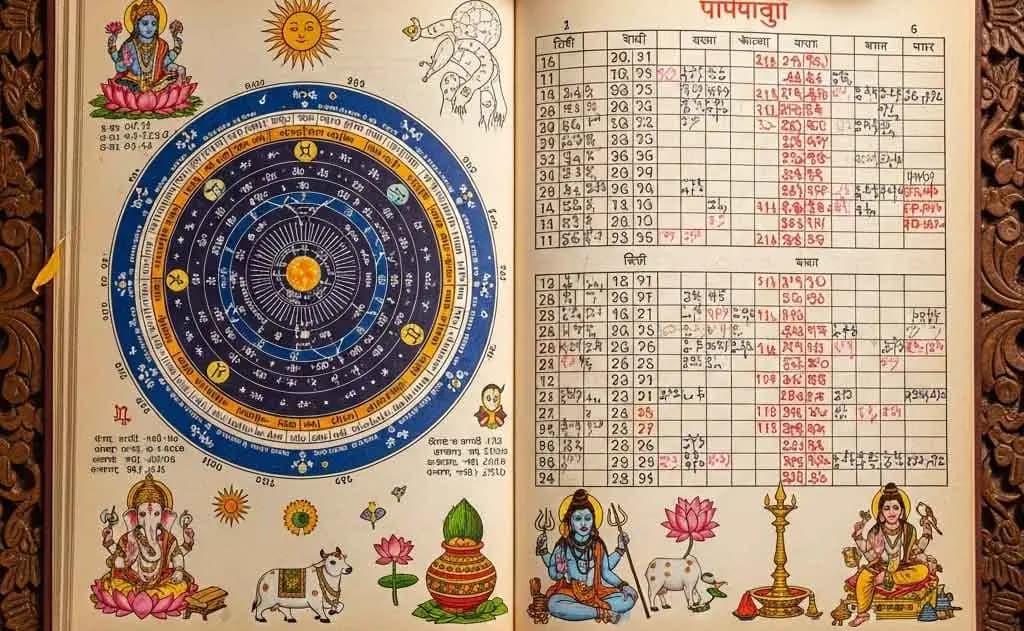
Kartik Purnima Celebration in South India: Complete Ritual Guide
Introduction Kartik Purnima, known by various names across South India, is celebrated with distinct regional flavors and traditions.
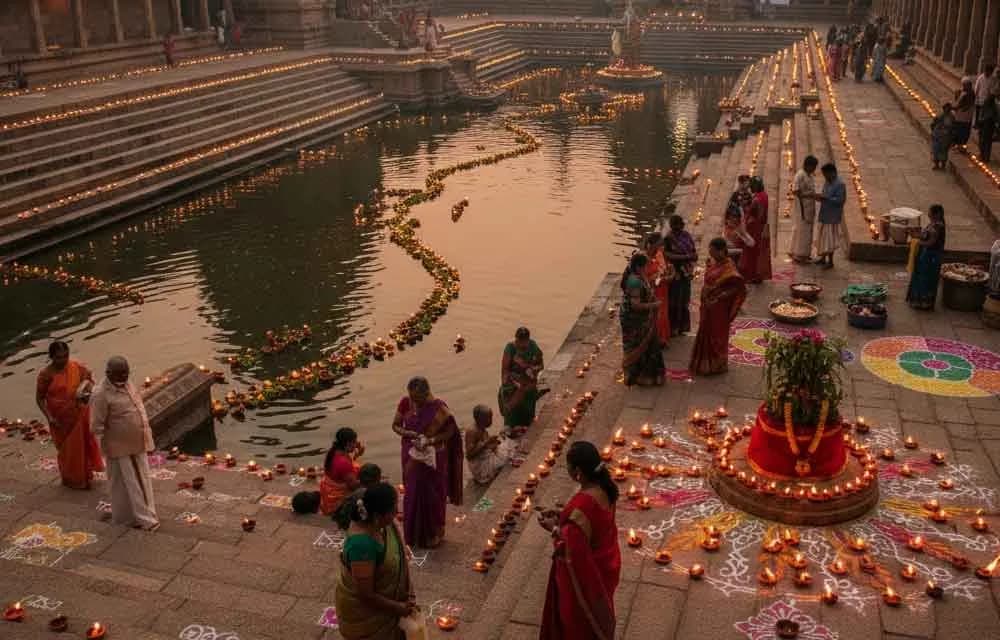
Introduction Kartik Purnima, known by various names across South India, is celebrated with distinct regional flavors and traditions.
Introduction
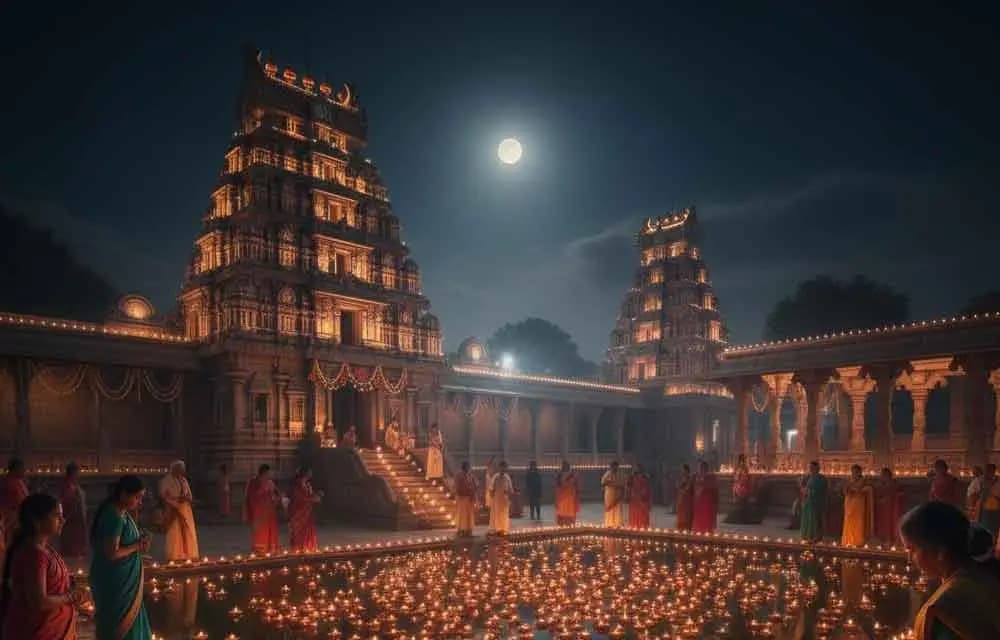
Kartik Purnima, known by various names across South India, is celebrated with distinct regional flavors and traditions. While North India focuses on Dev Deepavali and Ganga rituals, South Indian states have their own unique customs, temple festivals, and spiritual practices that make this day equally auspicious and spiritually significant.
Regional Names in South India
State-wise Nomenclature:
- Tamil Nadu: Karthigai Deepam (most important)
- Karnataka: Kartika Purnima, Tripurari Purnima
- Andhra Pradesh & Telangana: Kartika Pournami, Karthika Masam
- Kerala: Karthika Purnima, Thrikarthika
Significance of Kartik Purnima in South India
Religious Importance
Tamil Nadu - Karthigai Deepam:
- Celebration of Lord Murugan (Kartikeya)
- One of the oldest festivals in Tamil culture
- Commemorates Lord Shiva appearing as a column of fire (Jyoti)
- Associated with the Annamalai Deepam at Tiruvannamalai
Andhra Pradesh & Telangana:
- Marks the end of Kartika Masam (most sacred month)
- Associated with Lord Venkateswara worship
- Day when devotees complete their Kartika Vrat
- Culmination of month-long lighting of lamps
Karnataka:
- Connected to Tripura Samhara (Lord Shiva's victory)
- Sacred for Lord Vishnu devotees
- Important for Tulsi worship
- Associated with river bathing
Kerala:
- Festival of lights similar to Diwali
- Sacred to Lord Shiva and Lord Vishnu
- Associated with ancestral worship
- Marks beginning of winter season
Pre-Celebration: Kartika Masam Observances
Month-Long Rituals (Throughout Kartik Month)
Daily Morning Rituals:
- Wake up during Brahma Muhurta (4:30-6:00 AM)
- Oil bath (Nuvvulu Naalugu/Yellu Snana) - especially popular in Andhra Pradesh and Karnataka
- Light lamps at home temple
- Visit temples early morning
- Offer prayers to Tulsi plant
Evening Rituals:
- Light diyas at doorsteps, courtyards, and around Tulsi
- Perform Tulsi Pradakshina (circumambulation)
- Recite Vishnu Sahasranama or Lalitha Sahasranama
- Family prayers and bhajans
Dietary Restrictions:
- Strict vegetarianism
- Avoid tamarind on Mondays
- Many observe once-a-day meal (Orikkalai Upavasam in Tamil)
- No onion and garlic for devout observers
Kartik Purnima Day: Complete South Indian Rituals
1. Early Morning Rituals (4:00 AM - 6:30 AM)
Abhyanga Snanam (Oil Bath):
Popular in Andhra Pradesh, Telangana, and Karnataka:
Items Needed:
- Sesame oil (Nuvvulu/Yellu Ennai)
- Shikakai or besan (for hair)
- Turmeric powder
- Sandalwood powder
- Fresh flowers
Procedure:
- Heat sesame oil with curry leaves and neem leaves
- Apply oil from head to toe
- Massage for 15-20 minutes
- Apply besan and turmeric paste
- Bathe with warm water
- First pour water chanting mantras
- Use natural cleansers (shikakai, green gram)
- Complete bath before sunrise
Significance:
- Removes negative energies
- Purifies body and mind
- Traditional Ayurvedic practice
- Prepares for spiritual activities
Holy River Bath:
Popular Rivers and Tanks:
- Tamil Nadu: Kaveri River (Kumbakonam), Temple tanks
- Andhra Pradesh: Krishna River, Godavari River (Rajahmundry, Bhadrachalam)
- Telangana: Godavari River, Hussain Sagar Lake
- Karnataka: Tungabhadra River, Krishna River
- Kerala: Pampa River, Temple ponds
Bath Ritual:
- Chant: "Om Gangayai Namaha, Om Yamunayai Namaha, Om Godavari Namaha"
- Take dip three times
- Offer water to ancestors (Tarpanam)
- Perform Surya Arghya (water offering to sun)
2. Temple Darshan (Morning Visit)
Major South Indian Temples for Kartik Purnima:
Tamil Nadu:
- Thiruvannamalai Annamalaiyar Temple - THE most important Karthigai Deepam celebration
- Madurai Meenakshi Temple
- Tiruchendur Murugan Temple
- Palani Murugan Temple
- Kumbakonam temples
- Chidambaram Nataraja Temple
Andhra Pradesh:
- Tirupati Venkateswara Temple - massive celebrations
- Srisailam Mallikarjuna Temple
- Simhachalam Varaha Narasimha Temple
- Kanaka Durga Temple (Vijayawada)
- Bhadrachalam Sri Rama Temple
Telangana:
- Yadagirigutta Lakshmi Narasimha Temple
- Vemulawada Rajarajeshwara Temple
- Keesaragutta Temple
- Thousand Pillar Temple (Warangal)
Karnataka:
- Udupi Krishna Temple
- Dharmasthala Manjunatha Temple
- Kukke Subramanya Temple
- Kollur Mookambika Temple
- Murudeshwar Temple
Kerala:
- Guruvayur Krishna Temple
- Sabarimala Ayyappa Temple
- Padmanabhaswamy Temple
- Ambalappuzha Krishna Temple
Temple Ritual Procedure:
- Arrive early (many temples open 4-5 AM)
- Stand in darshan queue
- Offer special prayers and archana
- Participate in abhishekam if available
- Offer coconut, flowers, and fruits
- Donate for annadanam or temple services
- Receive prasadam and theertha
- Circumambulate the sanctum
- Visit all sub-shrines
3. Special Puja at Home
South Indian Home Puja Setup:
Kolam/Rangoli:
- Draw elaborate kolam at entrance with rice flour
- Use colors for festival occasions
- Create lamp patterns (deepa kolam)
- Include lotus and Om designs
Puja Room Decoration:
- Clean and wash with cow dung water (traditional)
- Decorate with mango leaves (toranam)
- Spread banana leaves
- Place flowers everywhere
- Light agarbatti (incense)
Deities to Worship:
- Tamil Nadu: Lord Murugan, Lord Shiva, Goddess Parvati
- Andhra/Telangana: Lord Venkateswara, Lord Shiva, Goddess Lakshmi
- Karnataka: Lord Krishna, Lord Vishnu, Lord Shiva
- Kerala: Lord Krishna, Lord Ayyappa, Goddess Lakshmi
Puja Items (Puja Samagri):
- Fresh flowers (jasmine, marigold, lotus, hibiscus)
- Tulsi leaves
- Betel leaves and areca nut
- Coconut
- Bananas and seasonal fruits
- Kumkum and turmeric
- Sandalwood paste
- Camphor
- Ghee for lamps
- Agarbatti (incense sticks)
- Kalasam (sacred pot with water and mango leaves)
Detailed Puja Vidhi:
Step 1: Ganapathi Puja
- Begin with Lord Ganesha worship (obstacle remover)
- Chant: "Vakratunda Mahakaya Suryakoti Samaprabha"
- Offer modak or sweet
Step 2: Kalasha Sthapana
- Fill brass/copper pot with water
- Add betel nut, coin, turmeric, and rice
- Place mango leaves
- Top with coconut
- This represents all deities
Step 3: Main Deity Worship
- Clean the idol/picture with water
- Perform panchamrit abhishekam (milk, curd, ghee, honey, sugar)
- Bathe with clean water
- Wipe and apply sandalwood paste, kumkum, turmeric
- Offer fresh flowers
- Drape new cloth if idol
- Offer tulsi leaves (for Vishnu), bilva leaves (for Shiva)
Step 4: Naivedyam (Food Offering)
- Offer freshly prepared prasadam
- Keep fruits, sweets, and savories
- Sprinkle water around the plate
- Chant relevant mantras
- Ring bell during offering
Step 5: Aarti
- Light camphor
- Wave in clockwise circles
- Sing aarti songs
- Ring bell throughout
- Entire family participates
Step 6: Pradakshina (Circumambulation)
- Walk around puja area clockwise
- Chant mantras or prayers
- Minimum 3 times, ideally 108 times for Tulsi
Step 7: Prasad Distribution
- Distribute to all family members
- Share with neighbors
- Feed birds and animals
- Give to those in need
4. Karthigai Deepam - The Lamp Festival
The Heart of South Indian Celebration
This is the MOST distinctive feature of South Indian Kartik Purnima celebration, especially in Tamil Nadu.
Significance:
- Celebrates light as the supreme form of divinity
- Represents dispelling of ignorance (darkness)
- Honors the cosmic form of Lord Shiva as pillar of light
- Ancient tradition dating back thousands of years
Types of Lamps Used:
Traditional Clay Lamps (Agal Vilakku/Mannu Deepam):
- Handmade earthen lamps
- Filled with sesame oil or ghee
- Cotton wicks (traditional)
- Arranged in specific patterns
Varieties:
- Single wick lamps
- Multi-wick lamps (5, 9, or 21 wicks)
- Hanging lamps (Vilakku)
- Tall standing lamps (Kuthuvilakku)
- Floating lamps for water bodies
Oil Choices:
- Sesame oil (most traditional - Yellu Ennai)
- Ghee (clarified butter) - most auspicious
- Coconut oil
- Castor oil
- Mixture of oils
Where to Light Lamps:
Mandatory Locations:
- Main entrance (doorstep) - minimum 2 lamps
- Tulsi plant - surround with multiple lamps
- Puja room - elaborate arrangement
- Kitchen - especially near stove
- Windows - all windows should have lamps
- Terrace/rooftop - maximum number here
- Compound walls - line the entire perimeter
- Courtyard - central area
- All four corners of house
- Near sacred trees (Peepal, Neem)
Additional Locations:
- Staircases
- Balconies
- Garage/parking area
- Garden pathways
- Water tanks
- Animal shelters
- Tulsi Katta (raised platform)
Number of Lamps:
- Minimum: 21 lamps
- Moderate: 51-108 lamps
- Elaborate: 365 lamps (one for each day)
- Grand: 1,000+ lamps
Arrangements and Patterns:
Popular Designs:
- Straight lines along walls and edges
- Circular patterns (mandalas)
- Star patterns (especially for Karthigai)
- Om symbol
- Swastika (auspicious symbol)
- Lotus pattern
- Kolam integration (lamps on kolam designs)
Timing:
- Start lighting during evening twilight (Godhuli Kalam)
- Begin from 5:30 PM onwards
- Continue until late night
- Some keep lamps burning all night
- Re-light if they go out
Lighting Procedure:
- Light from main puja room lamp first (akhanda deepam)
- Start with Ganapathi lamp
- Then main deity lamps
- Move to Tulsi plant
- Proceed to entrance
- Then terrace and all other areas
- Family members can help simultaneously
- Chant mantras while lighting
Special Karthigai Deepam Songs/Mantras:
Tamil Prayer:
"Deepam Jyoti Parabrahma
Deepam Sarvahara Smritah
Deepam Nashamanam Paapam
Sandhya Deepam Namostute"
Telugu Prayer:
"Deepa Jyoti Parabrahma
Deepa Sarva Tamopahaha
Deepena Saadhyate Sarvam
Sandhya Deepo Namostute"
5. Thiruvannamalai Annamalai Deepam (Tamil Nadu Special)
The Grand Spectacle:
On Karthigai Deepam day, a massive lamp is lit atop Annamalai Hill (2,668 feet) at Thiruvannamalai, visible from miles away.
The Sacred Fire:
- Uses 3 tons of ghee
- Burns for several days
- Pot capacity: several thousand liters
- Wick made from cloth pieces
- Requires special preparation for weeks
Temple Rituals:
- Lakhs of devotees gather
- Special abhishekams throughout the day
- Bharani Deepam lit inside temple evening before
- Grand procession of deities
- Mahadeepam lit on hilltop at specific muhurat (usually 6 PM)
- Girivalam (circumambulation of hill - 14 km) by devotees
Significance: Represents Lord Shiva manifesting as infinite pillar of light to settle dispute between Brahma and Vishnu about supremacy.
Devotee Practices:
- Many walk barefoot during girivalam
- Observe complete silence (mauna)
- Fast throughout the day
- Carry milk pots for abhishekam
- Light lamps along the 14 km path
6. Fasting Traditions (Vratam/Nombu)
Types of Fasting in South India:
Complete Fast (Upavasa):
- No food or water until moon sighting
- Only for very devout practitioners
- Breaking fast with prasadam
Partial Fast (Phalahara):
- Only fruits and milk
- Most common practice
- Eaten once in evening
Single Meal (Ekabhukta):
- One meal during afternoon
- Sattvic vegetarian food only
- No grains in strict observance
Ayacaka Upavasa:
- Tamil tradition of not asking for food
- Eating only if offered by others
- Practice of detachment
Fasting Foods in South India:
Allowed Items:
- Sabudana preparations (Javvarisi)
- Potato dishes with sendha namak
- Sweet potato (Sirigadalu/Sakkaravalli Kizhangu)
- Raw banana preparations
- Samo rice (Vrat ke chawal)
- Amaranth flour (Rajgira)
- Water chestnut flour (Singade ka Atta)
- Groundnuts
- Fresh fruits
- Milk and milk products
- Coconut
Popular Vrat Recipes:
- Sabudana Khichdi with peanuts
- Aloo Jeera with rock salt
- Vrat ke Chawal Kheer
- Coconut Ladoo
- Banana Bajji with special batter
- Sweet Pongal with jaggery (using allowed ingredients)
7. Special Prasadam Preparations
State-wise Traditional Offerings:
Tamil Nadu:
Pori (Puffed Rice) Preparations:
- Pori Urundai (puffed rice balls)
- Sweet Pori with jaggery
- Mixed with coconut and cardamom
Aval (Flattened Rice):
- Aval Nanachathu (sweetened with jaggery)
- Aval Payasam
- Aval mixed with banana
Traditional Sweets:
- Nei Appam (ghee rice cakes)
- Adhirasam (rice flour sweet)
- Thengai Burfi (coconut fudge)
- Rava Kesari (semolina halwa)
- Payasam (kheer)
- Kara Appam (savory version)
Andhra Pradesh & Telangana:
Pulihora (Tamarind Rice):
- Though tamarind avoided during month, offered on Purnima
- Temple-style preparation
- With generous ghee and cashews
Traditional Sweets:
- Bellam Paravannam (jaggery rice pudding)
- Ariselu (rice flour sweet with jaggery)
- Gavvalu (shell-shaped sweet)
- Bobbatlu/Obbattu (sweet stuffed flatbread)
- Rava Laddu
- Vellai Appam (sweet rice cakes)
Naivedyam Thali:
- Annam (steamed rice)
- Sambar
- Rasam
- Curry (mixed vegetables)
- Pappu (dal)
- Neyyi (ghee)
- Perugu (curd)
- Pachadi (chutney)
- Vadiyalu (sundried fritters)
- Payasam (sweet)
- Appalam (papad)
Karnataka:
Traditional Items:
- Holige/Obbattu (stuffed sweet bread)
- Rave Unde (semolina balls)
- Kesari Bhath (sweet semolina)
- Payasa (multiple varieties)
- Kayi Holige (coconut filling)
- Shavige Payasa (vermicelli)
- Chiroti (layered sweet)
Kerala:
Special Offerings:
- Unniyappam (small round fritters)
- Nei Payasam (ghee-based payasam)
- Paal Payasam (milk-based)
- Ada Pradhaman (rice flakes)
- Paruppu Payasam (lentil-based)
- Chakka Pradhaman (jackfruit)
- Banana fritters
- Sukhiyan (sweet lentil fritters)
Common Across South:
- Panchamirtham (mixture of banana, honey, ghee, sugar, cardamom)
- Fresh coconut offerings
- Seasonal fruits arranged in banana leaves
- Puffed rice with jaggery
8. Tulsi Puja (Evening Worship)
Tulsi Worship in South India:
Since the Kartika month marks Tulsi Vivah season, Tulsi worship reaches its culmination on Kartik Purnima.
Tulsi Katta (Platform) Decoration:
- Wash and clean the platform thoroughly
- Apply cow dung mixture (traditional)
- Draw rangoli around it
- Decorate with flowers and mango leaves
- Tie new moli/thread around the plant
- Place lamps all around (minimum 21)
- Offer water in silver/brass vessel
Tulsi Pradakshina:
- Circumambulate 108 times (or multiples of 108)
- Chant Tulsi Stotram
- Many women observe this throughout Kartika month
- Believed to give merit of visiting all pilgrimages
Tulsi Aarti: Specific regional aartis sung in Telugu, Tamil, Kannada, Malayalam
Tulsi Offerings:
- Fresh water (morning and evening)
- Milk (optional)
- Kumkum and turmeric
- Flowers (but not from other plants)
- Tulsi to Tulsi offering (Tulsi leaves from another plant)
- Light ghee lamps
9. River and Temple Tank Rituals
Sacred Waters of South India:
Tamil Nadu Temple Tanks (Theertham):
- Kumbakonam Mahamaham Tank
- Madurai Temple Tank
- Rameshwaram Agni Theertham
- Kanchipuram temple tanks
- Take ritual bath
- Offer prayers to presiding deity
- Perform tarpanam (ancestral offerings)
Andhra Pradesh & Telangana:
- Krishna Pushkaralu sites (when applicable)
- Godavari Pushkaralu sites
- Papanasanam (Tirupati)
- Boat festivals in many tanks
Karnataka:
- Temple tanks at Udupi, Dharmasthala
- Sacred ponds (Pushkarni)
- Tungabhadra River at Hampi
Kerala:
- Temple ponds (Kulam)
- Pampa River
- Periyar River
- Special boat processions in backwaters
Ritual Procedure:
- Arrive before sunrise
- Take three dips
- Offer water to Sun God
- Perform tarpanam for ancestors
- Chant sacred mantras
- Float flowers and lamps
- Take prasadam from nearby temples
10. Evening Deepa Pooja (Main Event)
The Grand Lighting Ceremony:
Timing: During Pradosha Kala (evening twilight - approximately 5:30-7:00 PM)
Family Gathering:
- All family members gather
- Elder performs main lighting
- Younger generation assists
- Collective prayers and singing
Lighting Sequence:
- Light main lamp in puja room from akhanda deep
- Pass the flame to everyone
- Start with Tulsi plant together
- Move to entrance
- Proceed to rooftop
- Light remaining areas simultaneously
- Return to central courtyard for aarti
Aarti Performance:
- Light camphor
- Sing regional aartis
- Women perform aarti with multiple lamps
- Children participate with small lamps
- Ring bells and play traditional instruments (jalra, ghatam)
Special Activities:
- Fireworks (especially Tamil Nadu)
- Sparklers for children
- Lighting bonfires in some regions
- Community gatherings
- Street processions with lamps
11. Bhajans and Keertanas (Devotional Music)
South Indian Musical Traditions:
Tamil Nadu:
- Thevaram recitation
- Thiruppugazh singing
- Bharathiyar songs
- Bhajan mandalis performing all night
Andhra Pradesh & Telangana:
- Annamacharya Keertanas
- Tyagaraja Keertanas
- Bhakti songs
- Group bhajan sessions
Karnataka:
- Haridasa Keertanas
- Purandara Dasa compositions
- Carnatic music concerts
Kerala:
- Sopana Sangeetham
- Narayana Keertanas
- Temple music traditions
Common Bhajans:
- Om Namah Shivaya
- Hare Rama Hare Krishna
- Regional deity songs
- Subrahmanya/Murugan songs (especially Tamil Nadu)
12. Charitable Activities (Daana)
South Indian Donation Traditions:
Annadanam (Food Donation):
- Most important form of charity
- Feeding hundreds at temples
- Community meals in villages
- Considered highest merit
Temple Donations:
- Gold/silver for deity ornaments
- Funding for temple renovations
- Sponsoring daily rituals
- Funding annadanam programs
Traditional Donations:
- Vastra Daana - clothes, especially to elderly
- Go Daana - cow donation or cow feeding
- Vidya Daana - sponsoring education
- Bhoo Daana - land for temples/schools
- Dhana Daana - money to needy
- Til and Jaggery - to Brahmins
Modern Charitable Acts:
- Supporting orphanages
- Old age home donations
- Hospital charity
- Scholarship funds
- Feeding street animals
Items for Daana:
- Rice and food grains
- Cooking oil
- Jaggery and sugar
- Utensils
- Blankets
- Footwear
- Umbrellas
- Books and educational materials
13. Special Observances by State
Tamil Nadu - Karthigai Deepam:
Unique Traditions:
- Sky lanterns (in rural areas)
- Lighting lamps on terraces competing with neighbors
- Making long wicks for special lamps
- Preparing huge quantities of pori and aval
- Decorating entire streets with lamps
- Community kolam competitions
- Girivalam at Thiruvannamalai
- Special at Arunachaleswara Temple
Villages:
- Agricultural implements worshipped
- Cattle decorated
- Community gatherings in central areas
- Traditional folk songs (villupattu)
- Street plays depicting legends
Andhra Pradesh & Telangana:
Unique Traditions:
- Culmination of Kartika Maasam Vratam
- Women complete 30 days of early morning Tulsi worship
- Satyanarayan Puja in homes
- Reading Kartika Mahatmyam
- Gopaakshaya Vratam concludes
- Special hundi offerings at Tirumala
Special at Tirupati:
- Lakhs of pilgrims visit
- Multiple abhishekams
- Extended darshan hours
- Grand processions
- Lighting of massive oil lamps
Karnataka:
Unique Traditions:
- Deepa Puja in Udupi Krishna Temple
- Gombe Pooja (doll display) in some areas
- Traditional rangoli competitions
- Yellu bella (sesame and jaggery) distribution
- Community feasts
- Yakshagana performances
Kerala:
Unique Traditions:
- Coincides with Thrikarthika
- Three-day celebration in some regions
- Traditional lamp designs (Vilakku)
- Aravana Payasam at Sabarimala
- Boat processions with lamps
- Kathakali performances
- Elephant processions at major temples
14. Modern Urban Celebrations
Contemporary Adaptations:
Apartment Complexes:
- Community lighting in common areas
- Coordinated terrace decorations
- Resident association events
- Group pujas and bhajans
- Shared prasadam distribution
Technology Integration:
- Live streaming of Thiruvannamalai Annamalai Deepam
- Virtual temple darshans
- WhatsApp groups for coordination
- Social media sharing of decorations
- Online donations to temples
Eco-Friendly Initiatives:
- Clay lamp making workshops
- Natural wick preparation
- Organic oil usage
- Solar-powered decorative lights
- Avoiding plastic decorations
- Composting flower waste
15. Post-Purnima Observances
Day After:
- Collect and respectfully dispose of used lamps
- Distribute remaining prasadam
- Thank domestic help with gifts
- Visit relatives not met on festival day
- Clean and restore normal household routine
Throughout Year:
- Keep one lamp lit daily (akhanda deepam)
- Continue Tulsi worship
- Remember the spiritual lessons
- Plan for next year's celebration
Regional Recipes - Detailed
Tamil Nadu Special Recipes:
Nei Appam (Ghee Rice Cakes):
Ingredients:
- Raw rice - 2 cups
- Jaggery - 1.5 cups
- Coconut - 1 cup (grated)
- Cardamom - 8 pods
- Ghee - for frying
- Banana (ripe) - 2
Method:
- Soak rice for 4 hours
- Grind with coconut and banana to smooth batter
- Add melted jaggery
- Ferment overnight
- Add cardamom powder
- Pour in appam pan with ghee
- Cook until golden
Adhirasam:
- Traditional sweet made with rice flour and jaggery
- Requires precise technique
- Stored for weeks
- Essential Karthigai offering
Andhra/Telangana Special Recipes:
Bellam Paravannam (Jaggery Rice Pudding):
Ingredients:
- Rice - 1 cup
- Jaggery - 2 cups
- Milk - 4 cups
- Ghee - 4 tbsp
- Cashews and raisins
- Cardamom powder
- Saffron strands
Method:
- Cook rice in milk until mushy
- Add melted jaggery
- Stir continuously
- Add ghee, cardamom, saffron
- Garnish with fried cashews and raisins
- Offer warm
Ariselu:
- Rice flour and jaggery deep-fried sweet
- Shaped like flower
- Labor-intensive preparation
- Made in large batches
- Family tradition
Karnataka Special Recipes:
Holige/Obbattu:
Ingredients: Dough:
- All-purpose flour - 2 cups
- Turmeric - pinch
- Salt - pinch
- Oil - 2 tbsp
Filling:
- Chana dal - 1 cup
- Jaggery - 1.5 cups
- Cardamom - 8 pods
- Coconut - 1/4 cup
Method:
- Prepare soft dough
- Cook dal, mash, mix with jaggery
- Add cardamom and coconut
- Make small balls of filling
- Stuff in rolled dough
- Roll thin and cook on griddle with ghee
Kerala Special Recipes:
Unniyappam:
Ingredients:
- Raw rice - 1 cup
- Banana (very ripe) - 3
- Jaggery - 1 cup
- Coconut - 1/2 cup (grated)
- Ghee - for frying
- Cardamom, sesame seeds
Method:
- Soak rice 4 hours
- Grind with banana and coconut
- Add melted jaggery
- Mix cardamom
- Pour in special unniyappam pan
- Deep fry in ghee until brown
Health and Safety Guidelines
Fire Safety:
- Place lamps on stable surfaces
- Keep away from curtains and fabrics
- Have water buckets ready
- Supervise children always
- Don't leave burning lamps unHealth and Safety Guidelines (Continued)Fire Safety:
- Place lamps on stable surfaces
- Keep away from curtains and fabrics
- Have water buckets ready
- Supervise children always
- Don't leave burning lamps unattended
- Use proper lamp stands
- Keep fire extinguisher accessible
- Clear flammable materials from lighting areas
- Don't light lamps near gas cylinders
- Extinguish lamps before sleeping
- Stay hydrated during fasting
- Elderly and children should avoid complete fasts
- Pregnant women should consult doctors
- Keep medications handy
- Avoid overcrowding at temples
- Wear comfortable footwear for temple visits
- Apply sunscreen for daytime rituals
- Rest adequately between activities
- Don't overexert during girivalam or long walks
- Maintain social distancing at crowded temples
- Carry hand sanitizer
- Wear masks if required
- Avoid touching surfaces unnecessarily
- Wash hands frequently
- Use separate utensils for prasad distribution
- Test oil temperature before applying
- Don't use extremely hot oil
- Be careful on wet bathroom floors
- Allow adequate bathing time
- Use non-slip mats
- Use clay lamps instead of plastic
- Natural cotton wicks only
- Pure oils - sesame, coconut, or ghee
- Biodegradable decorations
- Natural flower garlands
- Avoid thermocol and plastic
- Use banana leaves for serving
- Compostable materials for rangoli
- Don't waste water during ritual baths
- Use minimal water for lamp areas
- Reuse flower water for plants
- Collect rain water for rituals
- Used oil disposal: Mix with sand and dispose properly
- Clay lamps: Can be reused or returned to earth
- Flower waste: Compost or make vermicompost
- Food waste: Minimize and compost
- Organize community clean-up after celebrations
- Don't immerse non-biodegradable items
- Float lamps in leaf boats only
- Avoid chemical colors in water
- Participate in river cleaning drives
- Use natural flowers only
- Use LED lights for decorative purposes
- Solar-powered lights where possible
- Turn off unnecessary electrical appliances
- Optimize lamp placement
- Light represents knowledge dispelling ignorance (darkness)
- Inner illumination - awakening spiritual consciousness
- Unity - all lamps share the same light
- Impermanence - lamp burns and extinguishes like life
- Service - lamp gives without expecting return
- Devotion - offering light to divine
- Daily flag hoisting ceremonies
- Multiple deity processions
- Special abhishekams
- Devotional music concerts
- Spiritual discourses
- Temple opens with special rituals
- Thousands queue for darshan
- Continuous abhishekams with milk, honey, ghee
- Distribution of prasadam
- Grand processions of deities around temple
- Decorated chariots pulled by devotees
- Traditional music and dance
- Vedic chanting
- Bharani Deepam lit inside temple sanctum
- Special pujas performed
- Tension builds among devotees
- Sacred fire carried to hilltop
- Priests climb 2,668 feet
- Massive lamp (containing tons of ghee) lit
- Visible for miles around
- Simultaneous lighting of lakhs of lamps by devotees
- Fireworks display
- Collective euphoria and devotion
- Continuous girivalam by devotees
- 14 km circumambulation
- Smaller temples along path lit up
- Free food distribution (annadanam)
- Devotional singing throughout
- Many walk barefoot, some prostrating every step
- 10-15 lakh (1-1.5 million) devotees attend
- 3000+ kg of ghee used for Mahadeepam
- 14 km girivalam path
- Hundreds of buses from across South India
- Special trains operated
- Extended darshan hours
- Multiple daily sevas
- Special laddu prasadam
- Increased annadanam servings
- Early morning Suprabhatam at 3 AM
- Thomala Seva (flower decoration)
- Abhishekam with 1008 kalasams
- Sahasra Deepalankara Seva (1000 lamps)
- Ekantha Seva (final ritual at night)
- Special hundi collections
- Distribution of sacred clothes (vastrams)
- Free accommodation for pilgrims
- Mass feeding halls
- Medical facilities
- Queue management systems
- Special darshan tickets
- Procession of Meenakshi and Sundareswarar
- Musical concerts in musical pillars hall
- Illumination of gopurams
- Theertham distribution
- Seeveli (ceremonial procession with elephants)
- Extended Ekadasi celebrations
- Special nivedyams
- Cultural programs
- Chandanotsavam connections
- Special darshan arrangements
- Mass annadanam
- Evening of Kartik Purnima after Mahadeepam
- Early morning (3-6 AM) any day
- Full moon nights throughout year
- Indra Lingam (East)
- Agni Lingam (Southeast)
- Yama Lingam (South)
- Niruthi Lingam (Southwest)
- Varuna Lingam (West)
- Vayu Lingam (Northwest)
- Kubera Lingam (North)
- Esanya Lingam (Northeast)
- Multiple small temples
- Meditation spots
- Sacred trees
- Ancient tanks
- Caves where saints meditated
- Free water distribution points
- Rest areas
- Food distribution centers
- Walk clockwise only
- Remove footwear (traditional, not mandatory)
- Maintain silence (optional but recommended)
- Don't litter
- Stay on designated path
- Respect local customs
- Don't photograph without permission
- Water bottle
- Snacks (if not fasting)
- Towel
- Cap/umbrella for daytime
- Flashlight for night walks
- Comfortable clothing
- First aid basics
- Small bag
- Chanting Om Namah Shivaya
- Silent meditation
- Contemplation on Shiva's formless nature
- Offering prayers at each lingam
- Prostrating at temples
- Mental circumambulation of inner self
- Equivalent to visiting all pilgrimage sites
- Fulfillment of wishes
- Removal of karmic debts
- Spiritual purification
- Physical and mental health
- Peace and clarity
- Narrating stories of significance
- Teaching mantras and prayers
- Supervising ritual correctness
- Blessing younger generations
- Sharing memories of past celebrations
- Organizing puja materials
- Preparing prasadam
- Coordinating family activities
- Temple visits planning
- Teaching children rituals
- Learning to light lamps safely
- Assisting in decorations
- Drawing kolam/rangoli
- Singing devotional songs
- Distributing prasadam
- Helping with preparations
- Entire family gathers at ancestral home
- Collective puja participation
- Shared meal preparations
- Elder's blessings sought
- Family bonding strengthened
- Traditions passed down
- Video calls with distant relatives
- Sharing celebration photos
- Coordinating timing across cities
- Maintaining core rituals
- Creating new micro-traditions
- Massive influx of pilgrims
- Hotel and lodging businesses thrive
- Transportation services peak
- Local vendors prosper
- Cultural programs create employment
- Clay lamp makers (potters)
- Flower vendors
- Prasadam ingredient suppliers
- Textile shops (new clothes)
- Puja item stores
- Oil and ghee traders
- Crores of rupees circulate
- Peak season for religious tourism
- Employment for thousands
- Boost to local handicrafts
- Neighborhoods celebrate together
- Inter-family exchanges
- Shared prasadam distribution
- Collective decorations
- Group temple visits
- Social barriers diminish
- Free food distribution
- Helping underprivileged
- Temple donations
- Educational support
- Medical camps
- Clothing distribution
- Live streaming of Mahadeepam
- Online temple darshan
- Virtual girivalam tours
- Zoom family gatherings
- Digital prasadam delivery services
- Temple queue booking apps
- Puja reminders
- Mantra learning apps
- Recipe sharing platforms
- Event coordination tools
- Instagram decoration contests
- Facebook live pujas
- YouTube ritual tutorials
- WhatsApp group coordination
- Twitter festival updates
- Balcony decorations
- Community lighting in apartments
- Organized residential celebrations
- Professional puja services
- Catered prasadam options
- Clay lamp making workshops
- Organic oil promotion
- Zero-waste celebrations
- River cleanup drives
- Sustainable decoration contests
- Buy clay lamps (minimum 21)
- Purchase sesame oil/ghee
- Get cotton for wicks
- Arrange puja items
- Plan prasadam menu
- Check temple timings
- Clean entire house
- Draw elaborate kolam
- Soak wicks in oil overnight
- Prepare some prasadam items
- Arrange lamp placement
- Set up puja area
- Wake up early (4 AM)
- Take oil bath ritual
- Complete morning puja
- Prepare prasadam
- Start lighting from 5:30 PM
- Perform aarti
- Distribute prasadam
- Minimum 21 lamps
- Basic home puja
- Simple prasadam (kheer/payasam)
- One temple visit
- Tulsi worship
- Family prayer time
- Respect temple dress codes
- Remove footwear at designated areas
- Don't photograph without permission
- Follow queues patiently
- Accept prasadam with both hands
- Learn basic greetings (Vanakkam, Namaste, Namaskar)
- Tamil: Karthigai Deepam Nalvazhthukkal (Greetings)
- Telugu: Karthika Pournami Subhakankshalu
- Kannada: Karthika Purnima Shubhashayagalu
- Malayalam: Karthika Purnima Ashamsakal
- Large crowds at major temples
- Long waiting times
- Hot weather (carry water)
- Traditional music and chants
- Elaborate decorations
- Free food distribution
- Community atmosphere
- Sesame oil (Til Tailam):
- Nourishes skin
- Strengthens joints
- Calms Vata dosha
- Improves circulation
- Detoxifies body
- Enhances immunity
- Morning oil bath balances doshas
- Pre-winter preparation for body
- Seasonal transition adaptation
- Aligns with natural cycles
- Digestive system rest
- Detoxification
- Weight management
- Improved metabolism
- Mental clarity
- Increased focus
- Self-discipline
- Control over senses
- Enhanced meditation
- Connection with divine
- Thiruvannamalai (Must-visit, book 3 months ahead)
- Madurai
- Kanchipuram
- Kumbakonam
- Tirupati (Book tickets online in advance)
- Vijayawada
- Srisailam
- Udupi
- Dharmasthala
- Murudeshwar
- Guruvayur
- Sabarimala (Mandala season)
- Thrissur temples
- Book hotels/lodges 2-3 months early
- Temple accommodation available (book online)
- Dharmashalas (budget friendly)
- Homestays (for cultural experience)
- Ashrams (spiritual atmosphere)
- Special trains and buses operated
- Private vehicles face heavy traffic
- Walking common in temple towns
- Auto-rickshaws in high demand
- Plan for delays
- Budget: ₹2,000-5,000 (shared accommodation, local travel)
- Moderate: ₹5,000-15,000 (decent hotel, comfortable travel)
- Luxury: ₹15,000+ (premium hotels, private transport)
- Comfortable traditional clothes
- Extra pair for temple visits
- Medications and first aid
- Power bank for phones
- Water bottle and snacks
- Flashlight for night activities
- Wet wipes and sanitizer
- Modest clothing (avoid shorts, sleeveless)
- Ancient traditions preserved for millennia
- Grand scale of temple festivals
- Family bonding through collective rituals
- Spiritual depth through meditation and prayer
- Cultural richness expressed through music, art, and cuisine
- Community service through annadanam and charity
- Environmental consciousness with eco-friendly practices
Kartika Pournami Subhakankshalu!
Karthika Purnima Shubhashayagalu!
Karthika Purnima Ashamsakal!Quick Reference ChecklistEssential Items Shopping List:- Clay lamps (minimum 21, ideally 108)
- Sesame oil/ghee (2-3 liters)
- Cotton for wicks
- Fresh flowers (jasmine, marigold, lotus)
- Turmeric and kumkum
- Sandalwood paste
- Camphor
- Incense sticks
- Betel leaves and nuts
- Coconuts (minimum 3)
- Fruits (bananas essential)
- Rice and jaggery for prasadam
- Puja vessels (brass/copper)
- New clothes for deities
- Mango leaves for decoration
- 4:00 AM - Wake up
- 4:30 AM - Oil bath/Holy bath
- 5:30 AM - Surya Arghya
- 6:00 AM - Morning puja
- 7:00 AM - Temple visit
- 9:00 AM - Prasadam preparation begins
- 12:00 PM - Afternoon prayers/rest
- 3:00 PM - Tulsi worship
- 5:00 PM - Begin lamp lighting preparations
- 5:30 PM - Lamp lighting ceremony
- 6:00 PM - Evening aarti
- 6:30 PM - Bhajan/Keertana
- 7:30 PM - Moon sighting and prayers
- 8:00 PM - Prasadam distribution
- 9:00 PM - Dinner (breaking fast)
Frequently Asked Questions
When is Kartik Purnima Celebration in South India?
Kartik Purnima Celebration in South India is observed on its traditional tithi in the Hindu lunar calendar; refer to the year's panchang for the exact date in your region.
What is the significance of Kartik Purnima Celebration in South India?
Introduction Kartik Purnima, known by various names across South India, is celebrated with distinct regional flavors and traditions. While North India focuses on Dev Deepavali and Ganga rituals, South Indian states have their own unique customs, temple festivals, and spiritual practices that make this day equally auspicious and spiritually significant.
How is Kartik Purnima Celebration in South India celebrated?
Devotees observe it with puja, fasting or special offerings, visiting temples, chanting mantras, and gathering with family. Customs vary by region and tradition.
What should devotees do on Kartik Purnima Celebration in South India?
Take a sacred bath, perform the day's puja and charity (dana), observe any prescribed fast, and chant mantras with sincere devotion.
You might also like
Shani Deva Temples Worldwide & Must-Performed Rituals — Complete Devotee's Guide
June 2026 Hindu Festival Calendar — Complete Dates, Vrat & Puja Guide for NRIs
Karthika Masam 2026: Dates, Rituals, Vrat, Festivals & North vs South India Guide