Rituals and Traditions of Karthika Masam: A Month of Divine Energy
Introduction: The Most Auspicious Month in the Hindu Calendar Karthika Masam, also known as Kartik Maas or Kartika month, holds the distinction of being called…
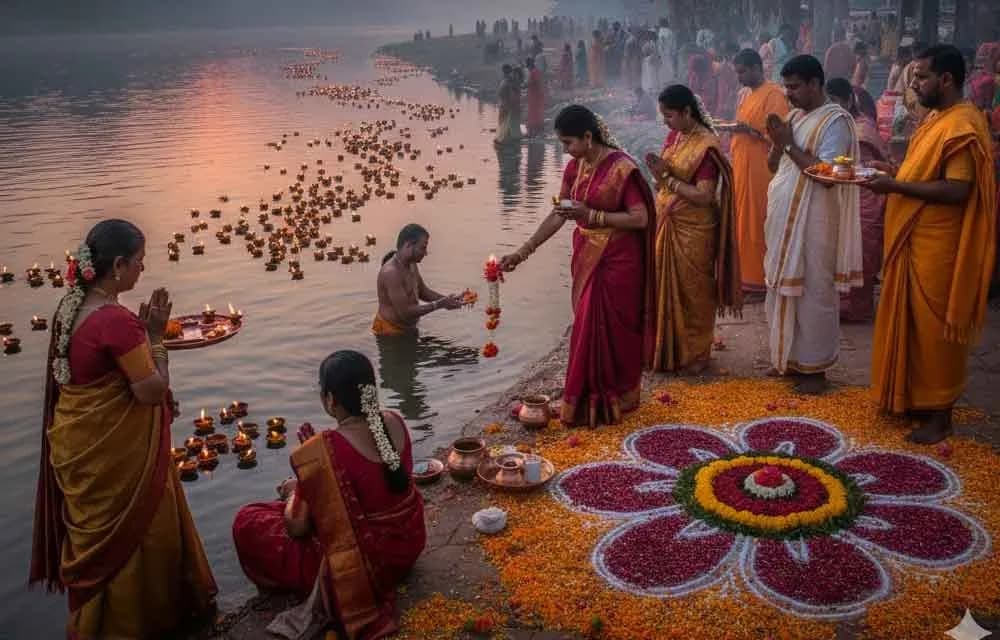
Introduction: The Most Auspicious Month in the Hindu Calendar Karthika Masam, also known as Kartik Maas or Kartika month, holds the distinction of being called…
Introduction: The Most Auspicious Month in the Hindu Calendar
Karthika Masam, also known as Kartik Maas or Kartika month, holds the distinction of being called "the holiest of all months" in Hindu scriptures. Falling between mid-October and mid-November, this sacred lunar month is dedicated to Lord Vishnu in his form as Damodar and to Lord Shiva as the eternal light. The Karthika Masam rituals practiced during this period are believed to multiply spiritual merits manifold, making it an ideal time for intensive spiritual practices, self-purification, and divine connection.
What makes this month extraordinary is not merely religious sentiment but a sophisticated understanding of cosmic rhythms, seasonal transitions, and human physiology. The Karthika Masam rituals encompass a holistic approach to well-being that integrates physical health, mental clarity, emotional balance, and spiritual elevation. From the sacred Karthika snanam (holy bath) performed before dawn to the serene evening lamp-lighting ceremonies, each practice is designed to harmonize the individual with divine energies and natural cycles.
This comprehensive guide explores the traditional Karthika Masam rituals, their deeper significance, and the remarkable scientific principles underlying these ancient practices. Whether you're a devout practitioner or someone curious about Hindu traditions, understanding these rituals reveals timeless wisdom that remains relevant in our modern world.
Understanding Karthika Masam: Cosmic Timing and Spiritual Significance
The Astronomical Context
Karthika Masam corresponds to the period when the moon passes through the Krittika nakshatra (Pleiades constellation) during the full moon. This specific astronomical alignment is considered highly auspicious because:
- Seasonal Transition: The month marks the transition from the monsoon season (Varsha Ritu) to early winter (Hemanta Ritu)
- Balanced Climate: The weather is neither too hot nor too cold, ideal for spiritual practices
- Clear Skies: Post-monsoon clarity allows for better visibility of celestial bodies
- Electromagnetic Changes: The earth's electromagnetic field undergoes shifts during this period
Mythological Foundations
Several significant events in Hindu mythology are associated with Karthika Masam:
Lord Vishnu as Damodar: The entire month is dedicated to Krishna as Damodar, commemorating when Mother Yashoda bound the mischievous child Krishna with a rope around his waist. This incident symbolizes how divine love can "bind" the infinite Supreme Being.
Lord Shiva's Manifestation: Shiva revealed himself as an infinite pillar of light during this month, establishing the connection between Karthika and divine illumination.
Victory of Kartikeya: Lord Kartikeya, born during this month, destroyed the demon Tarakasura, symbolizing the triumph of divine forces over negativity.
Tulsi's Devotion: The sacred Tulsi plant's connection with Lord Vishnu is celebrated through Tulsi Vivah during this month.
Daily Karthika Masam Rituals: A Comprehensive Practice Guide
1. Karthika Snanam: The Sacred Pre-Dawn Bath
The cornerstone of Karthika Masam rituals is the Karthika snanam—a ritualistic bath taken before sunrise, ideally during Brahma Muhurta (approximately 4:00-5:30 AM).
Traditional Practice of Karthika Snanam
Preparation:
- Wake up during Brahma Muhurta
- Brush teeth with neem or other medicinal twigs
- Apply oil to the body (sesame oil is traditional)
- Allow oil to penetrate for 15-20 minutes
The Bath Itself:
- Bathe in a sacred river, pond, or at home
- Use natural cleansers like besan (gram flour), ubtan, or shikakai
- Recite mantras during bathing:
- "Gange cha Yamune chaiva Godavari Saraswati, Narmade Sindhu Kaveri jale'smin sannidhim kuru"
- This invokes all holy rivers to sanctify your bathing water
Post-Bath Practices:
- Wear clean, preferably white or traditional clothing
- Apply tilak (sacred mark) on the forehead
- Offer prayers to the sun god (Surya Namaskar)
Scientific Benefits of Karthika Snanam
The Karthika snanam is not merely a religious obligation but a practice rooted in profound scientific understanding:
Circadian Rhythm Optimization: Waking during Brahma Muhurta aligns the body with natural circadian rhythms, when melatonin levels decrease and cortisol begins to rise naturally, promoting alertness and vitality throughout the day.
Thermoregulation: The pre-dawn period has the coolest temperatures. Bathing in cold water triggers:
- Increased metabolic rate
- Enhanced immune response
- Improved circulation
- Activation of brown fat for thermogenesis
Oil Massage (Abhyanga) Benefits: The oil application before bathing provides:
- Skin Nourishment: Sesame oil is rich in vitamin E, antioxidants, and essential fatty acids
- Detoxification: Oil pulling toxins through the skin
- Joint Lubrication: Penetrating warmth that eases stiffness
- Stress Reduction: Massage stimulates parasympathetic nervous system
Electromagnetic Sensitivity: The pre-dawn period has minimal electromagnetic pollution, allowing the body to reset its bioelectric field. The earth's Schumann resonance is most stable during these hours.
Mental Clarity: Cold water immersion increases norepinephrine levels, improving focus, mood, and cognitive function. Studies show cold water exposure can increase alertness and reduce symptoms of depression.
2. Deepa Aradhana: The Sacred Art of Lamp Lighting
One of the most beautiful Karthika Masam rituals is the daily lighting of lamps (diyas or deepams) during the evening twilight.
Traditional Lamp Lighting Practice
Preparation:
- Clean and arrange lamps in your prayer area
- Use pure ghee or sesame oil
- Prepare cotton wicks (avoid synthetic materials)
- Have flowers, incense, and other offerings ready
Timing:
- Light lamps during sandhya kaal (twilight)
- The ideal time is when one can still see a palm's lines without artificial light
- Maintain lamps throughout the evening
Locations for Lamp Placement:
- Before deities in the prayer room
- At the tulsi plant (sacred basil)
- At the entrance of the home
- In all rooms of the house
- Outside near doorways and windows
- At temples and sacred places
Accompanying Mantras:
- "Shubham Karoti Kalyanam Arogyam Dhana Sampadah, Shatru Buddhih Vinashaya Deepa Jyotir Namostute" (I bow to the light that brings auspiciousness, prosperity, health, wealth, and destroys the intellect directed toward enmity)
- Damodarashtakam: Eight verses glorifying Lord Krishna as Damodar
Scientific and Spiritual Benefits of Lamp Lighting
Atmospheric Purification:
- Negative Ion Generation: The flame produces negative ions that neutralize positive ions (pollutants, allergens)
- Air Circulation: Rising heat creates convection currents that circulate and filter air
- Pathogen Reduction: The heat and specific wavelengths of light have antimicrobial properties
Ghee Lamp Benefits:
- Cow Ghee Combustion: Releases specific volatile compounds that purify the environment
- Aromatherapy: Natural fragrance creates calming effects
- Eye Health: Gazing at ghee lamp flames is considered beneficial for eyesight in Ayurveda
Psychological Impact:
- Mindfulness Practice: The ritual of lighting lamps creates a meditative state
- Circadian Regulation: Exposure to warm light at twilight signals the body to prepare for sleep
- Stress Reduction: The gentle, flickering light activates the parasympathetic nervous system
- Visual Meditation: Trataka (gazing at a flame) improves concentration and mental clarity
Energy and Vibration:
- The light creates a high-vibrational atmosphere conducive to meditation and prayer
- Fire is considered a purifying element that transforms gross energy into subtle energy
- The upward movement of flame symbolizes the soul's aspiration toward higher consciousness
3. Temple Visits and Pradakshina: Connecting with Divine Architecture
Daily temple visits are an integral part of Karthika Masam rituals, with special emphasis on circumambulation (pradakshina).
Traditional Temple Practice
Morning Visit:
- Visit after completing Karthika snanam
- Offer prayers during morning abhishekam (ritual bathing of the deity)
- Participate in archana (personalized worship)
Evening Visit:
- Attend evening arati and deepa aradhana
- Offer flowers, fruits, and other sacred items
- Receive prasadam (blessed offerings)
Pradakshina (Circumambulation):
- Walk clockwise around the sanctum sanctorum
- Complete an odd number of rounds (typically 1, 3, 7, or 21)
- Maintain a meditative state, chanting mantras
- Keep the deity on your right side
Special Practices:
- Girivalam: Circumambulating sacred hills (especially Arunachala)
- Tulsi Pradakshina: Walking around the sacred basil plant
- River Circumambulation: Walking along sacred riverbanks
Scientific Benefits of Temple Visits
Architectural Geometry:
- Hindu temples are designed based on Vastu Shastra and sacred geometry
- The garbhagriha (sanctum) creates a specific acoustic resonance
- The gopuram (tower) acts as an antenna for cosmic energy
Sound Vibration:
- Mantra Chanting: Creates coherent sound waves that affect neural patterns
- Bell Ringing: Produces specific frequencies that activate both brain hemispheres
- Acoustic Design: Temple architecture amplifies and focuses sound vibrations
Magnetic Fields:
- Many temples are built at locations with specific geomagnetic properties
- The main deity is often placed at the geometric center where energy converges
- Copper plates under idols create electromagnetic effects
Walking Meditation:
- Pradakshina as Exercise: Provides low-impact cardiovascular activity
- Barefoot Walking: Stimulates nerve endings and promotes grounding (earthing)
- Rhythmic Movement: Induces meditative brain states (theta waves)
- Postural Benefits: Improves posture and balance
Social and Psychological Benefits:
- Community connection and social support
- Reduced isolation and loneliness
- Shared spiritual experience creating collective consciousness
- Exposure to beauty and art (temple aesthetics) uplifting mood
4. Karthika Fasting: Purification Through Dietary Discipline
Karthika fasting is one of the most spiritually significant Karthika Masam rituals, with various levels of observance depending on individual capacity and devotion.
Types of Karthika Fasting
Complete Fast (Nirjala):
- Abstaining from all food and water from sunrise to sunrise the next day
- Practiced on specific days like Ekadashi or full moon
- Requires prior preparation and should be done under guidance
Partial Fast (Phalahar):
- Consuming only fruits, milk, and nuts
- No grains, vegetables, or cooked food
- Usually practiced throughout the month
Havishyanna (Sattvic Fast):
- Eating once a day in the afternoon
- Simple, sattvic food without onion, garlic, or heavy spices
- No grains on Ekadashi days
Ekadashi Fasting:
- Observed on the eleventh day after new moon and full moon
- Complete avoidance of grains and beans
- Two Ekadashis in Karthika Masam (Rama Ekadashi and Utthana Ekadashi)
Daily Discipline:
- Avoiding non-vegetarian food entirely
- Eliminating tamasic foods (excessive garlic, onion, etc.)
- Eating before sunset (avoiding dinner)
Guidelines for Safe Karthika Fasting
Preparation Phase (One Week Before):
- Gradually reduce meal portions
- Eliminate processed foods and stimulants
- Increase water intake
- Begin eating lighter, sattvic meals
During the Fast:
- Stay hydrated (if not observing complete fast)
- Engage in light activities, avoid strenuous exercise
- Maintain regular sleep schedule
- Spend time in meditation and prayer
Breaking the Fast:
- Start with warm water or herbal tea
- Consume easily digestible foods (fruits, light khichdi)
- Avoid overeating
- Gradually return to normal eating patterns
Scientific Benefits of Karthika Fasting
Metabolic Reset:
- Autophagy Activation: Fasting triggers cellular cleanup processes
- Insulin Sensitivity: Improves glucose metabolism and reduces insulin resistance
- Ketosis: Shifting from glucose to fat metabolism enhances mental clarity
- Growth Hormone: Fasting increases human growth hormone production
Detoxification:
- Digestive Rest: Allows the gastrointestinal system to repair and regenerate
- Liver Function: Enhanced detoxification capacity
- Cellular Repair: DNA repair mechanisms activated during fasting
- Inflammation Reduction: Lower inflammatory markers throughout the body
Immune System Enhancement:
- Regeneration of immune cells
- Increased white blood cell production
- Enhanced resistance to infections
- Reduced oxidative stress
Brain Health:
- Neuroplasticity: Fasting promotes brain-derived neurotrophic factor (BDNF)
- Mental Clarity: Ketones provide efficient fuel for the brain
- Neuroprotection: Reduces risk of neurodegenerative diseases
- Mood Improvement: Balanced neurotransmitter production
Spiritual Benefits:
- Increased Willpower: Strengthening self-discipline and control
- Sensory Sharpness: Enhanced awareness and perception
- Emotional Stability: Reduced reactivity and increased equanimity
- Meditative Depth: Easier to achieve deeper states of consciousness
Longevity Research: Modern scientific research confirms ancient wisdom:
- Intermittent fasting extends lifespan in multiple species
- Caloric restriction activates longevity genes (sirtuins)
- Reduced cellular aging markers
- Enhanced mitochondrial function
5. Dana and Seva: The Practice of Charity and Service
Charity (dana) and selfless service (seva) are essential Karthika Masam rituals that complete the spiritual practice cycle.
Forms of Dana During Karthika Masam
Anna Dana (Food Donation):
- Feeding the poor and hungry
- Providing meals to pilgrims
- Supporting community kitchens at temples
- Offering prasadam to devotees
Vastra Dana (Clothing Donation):
- Donating new clothes to the needy
- Providing warm clothing as winter approaches
- Supporting orphanages and old-age homes
Vidya Dana (Education Support):
- Sponsoring education for underprivileged children
- Donating books and study materials
- Supporting libraries and schools
Deepa Dana (Lamp Donation):
- Providing oil and lamps to temples
- Ensuring continuous lighting at sacred places
- Helping those who cannot afford to light lamps
Go Dana and Go Seva (Cow Protection):
- Supporting cow shelters
- Providing food and medical care for cows
- Protecting indigenous cow breeds
Aushadha Dana (Medicine):
- Supporting free medical camps
- Donating medicines to the needy
- Contributing to healthcare facilities
Seva Practices
Temple Service:
- Cleaning temple premises
- Assisting in daily rituals
- Helping with festival preparations
- Maintaining gardens and facilities
Community Service:
- Organizing mass feeding programs
- Cleaning public spaces
- Planting trees
- Supporting environmental causes
Personal Service:
- Caring for elderly parents and relatives
- Helping neighbors in need
- Mentoring youth
- Volunteering time and skills
Scientific and Psychological Benefits of Charity
Neuroscience of Giving:
- Dopamine Release: Giving activates reward centers in the brain
- Oxytocin Production: Creates feelings of warmth and connection
- Reduced Cortisol: Lower stress hormone levels
- Enhanced Mood: Natural antidepressant effect
Social Connection:
- Strengthens community bonds
- Reduces social isolation
- Creates reciprocal support networks
- Enhances sense of belonging
Physical Health Benefits:
- Lower blood pressure
- Reduced chronic pain
- Longer lifespan
- Improved cardiovascular health
- Stronger immune function
Mental Health Impact:
- Purpose and Meaning: Greater life satisfaction
- Self-Worth: Enhanced self-esteem
- Gratitude: Increased appreciation for one's blessings
- Reduced Depression: Lower rates of depressive symptoms
Spiritual Growth:
- Ego Reduction: Moving beyond self-centered existence
- Compassion Development: Expanding heart capacity
- Karma Purification: Neutralizing negative karmic impressions
- Divine Connection: Serving others as serving God
Additional Karthika Masam Rituals
Morning Practices
Surya Namaskar (Sun Salutation):
- 12 rounds or multiples thereof
- Performed after Karthika snanam
- Accompanied by Surya mantras
Tulsi Puja:
- Daily worship of the sacred basil plant
- Offering water, flowers, and prayers
- Circumambulating the tulsi plant
Scripture Reading:
- Bhagavad Gita study
- Srimad Bhagavatam recitation
- Vishnu Sahasranama chanting
Evening Practices
Sandhya Vandanam:
- Twilight prayers
- Meditation facing the setting sun
- Mantra recitation
Arati and Bhajan:
- Group singing of devotional songs
- Playing of traditional instruments
- Creating uplifting spiritual atmosphere
Trataka (Candle Gazing):
- Meditation on lamp flame
- Improves concentration
- Cleanses the eyes and mind
Weekly Special Observances
Monday (Somavara):
- Special focus on Lord Shiva
- Rudra Abhishekam
- Fasting or light meals
Thursday (Guruvara):
- Worship of Lord Vishnu/Dattatreya
- Reading of sacred texts
- Banana offering
Friday (Shukravara):
- Goddess worship
- Special attention to Lakshmi puja
- Cleanliness and beautification of home
Saturday (Shanivara):
- Lord Hanuman worship
- Reading Hanuman Chalisa
- Visiting Hanuman temples
Avoiding Specific Activities
Traditional guidelines suggest avoiding certain activities during Karthika Masam:
Social Restrictions:
- Excessive celebrations or parties
- Marriage ceremonies (in some traditions)
- Starting new business ventures
- Major purchases (non-essential)
Spiritual Focus:
- Minimizing entertainment and distractions
- Reducing social media and technology use
- Avoiding negative speech and gossip
- Maintaining brahmacharya (celibacy or moderation)
Dietary Restrictions:
- No non-vegetarian food
- Avoiding alcohol and intoxicants
- Minimizing heavy, tamasic foods
- Eating before sunset when possible
Modern Adaptations: Making Karthika Masam Rituals Accessible
For Working Professionals
Morning Routine:
- Wake 30 minutes earlier for abbreviated Karthika snanam
- Quick oil massage followed by shower
- 10-minute meditation and prayer
- Light a lamp before leaving home
During Work:
- Maintain sattvic lunch options
- Take brief meditation breaks
- Practice mindful breathing
- Listen to devotional music during commute
Evening Practice:
- Light lamps immediately upon returning home
- Spend 15-20 minutes in prayer/meditation
- Engage in scripture reading before bed
- Maintain early sleep schedule
For Families with Children
Involving Children:
- Teach them to light small diyas (with supervision)
- Share age-appropriate stories from mythology
- Make lamp-lighting a fun family ritual
- Encourage them to participate in charity
Simplified Practices:
- Focus on core rituals (morning bath, lamp lighting)
- Weekend temple visits as family outings
- Light fasting (one meal replacement with fruits)
- Collective evening prayers
For Urban Dwellers
Adaptation Strategies:
- If no access to rivers, add sacred herbs to bathing water
- Create a dedicated prayer space at home
- Use online resources for mantras and guidance
- Connect with local Hindu communities for group practices
Environmental Considerations:
- Use eco-friendly clay diyas
- Source organic, cold-pressed oils
- Avoid synthetic materials
- Practice water conservation
For Global Hindu Community
Time Zone Adjustments:
- Calculate local Brahma Muhurta timings
- Maintain connection with Indian temple timings virtually
- Join online satsangs and prayer groups
- Follow lunar calendar for exact dates
Cultural Preservation:
- Teach traditions to next generation
- Document practices through photos and journals
- Share experiences with community
- Support Hindu cultural organizations
The Holistic Benefits: Integrating Body, Mind, and Spirit
Physical Transformation
The comprehensive nature of Karthika Masam rituals affects every system in the body:
Cardiovascular System:
- Improved circulation from cold water baths
- Lower blood pressure from stress reduction
- Enhanced heart health from plant-based diet
Immune System:
- Strengthened resistance from fasting
- Better lymphatic function from movement
- Reduced inflammation from clean diet
Digestive System:
- Improved gut health from fasting
- Better enzyme production from timely eating
- Enhanced microbiome from sattvic food
Nervous System:
- Balanced autonomic function
- Improved stress response
- Enhanced neuroplasticity
Mental and Emotional Balance
Cognitive Benefits:
- Improved focus and concentration
- Enhanced memory and learning
- Greater mental clarity and decisiveness
- Reduced brain fog
Emotional Stability:
- Decreased anxiety and worry
- Better emotional regulation
- Increased patience and tolerance
- Greater inner peace
Psychological Growth:
- Stronger willpower and self-discipline
- Improved self-awareness
- Enhanced emotional intelligence
- Greater life satisfaction
Spiritual Evolution
Consciousness Expansion:
- Heightened awareness and presence
- Deeper meditation experiences
- Increased intuitive abilities
- Greater sense of connection
Devotional Development:
- Strengthened faith and trust
- Deeper love for the divine
- Greater surrender and acceptance
- Enhanced grace and blessings
Karmic Purification:
- Resolution of past karmas
- Prevention of new negative karmas
- Acceleration of spiritual progress
- Movement toward liberation
Scientific Studies Supporting Traditional Practices
Research on Fasting
2019 New England Journal of Medicine: Study on intermittent fasting showing benefits for:
- Cardiovascular health
- Diabetes management
- Longevity
- Cognitive function
Johns Hopkins Research: Fasting triggers metabolic switching that:
- Increases stress resistance
- Suppresses inflammation
- Optimizes brain function
Cold Water Immersion Studies
European Journal of Applied Physiology: Cold water exposure:
- Increases metabolic rate by up to 350%
- Enhances immune system function
- Improves mood and reduces depression
PLoS One Journal: Regular cold water swimming:
- Significantly reduces stress hormones
- Improves antioxidant protection
- Enhances overall well-being
Meditation and Prayer Research
Harvard Medical School: Meditation and prayer practices:
- Change brain structure (increased gray matter)
- Reduce amygdala response to stress
- Improve emotional regulation
- Enhance immune function
HeartMath Institute: Coherent heart rhythms from meditation:
- Synchronize brain and heart function
- Improve decision-making
- Enhance intuition
- Create physiological coherence
Charity and Altruism Studies
National Institutes of Health: Brain imaging shows:
- Giving activates the same reward centers as receiving
- Altruistic behavior releases dopamine and oxytocin
- Regular charitable acts improve mental health
- Volunteers live longer than non-volunteers
Common Challenges and Solutions
Challenge 1: Waking Early
Solutions:
- Gradually adjust sleep schedule
- Prepare the night before
- Use gentle alarm sounds
- Go to bed earlier
- Practice sleep hygiene
Challenge 2: Fasting Difficulties
Solutions:
- Start with partial fasting
- Stay well-hydrated
- Engage in light activities
- Keep mind occupied with spiritual practices
- Break fast properly
Challenge 3: Maintaining Consistency
Solutions:
- Create accountability (partner or group)
- Track progress in journal
- Start with core practices
- Build gradually
- Be compassionate with yourself
Challenge 4: Modern Lifestyle Conflicts
Solutions:
- Prioritize and schedule rituals
- Communicate with family about importance
- Adapt practices to circumstances
- Focus on quality over quantity
- Maintain flexibility
Conclusion: Embracing Divine Energy Through Sacred Rituals
The Karthika Masam rituals represent a complete system of spiritual technology designed to elevate human consciousness while promoting physical health, mental clarity, and emotional balance. These practices are not arbitrary religious requirements but sophisticated methods based on deep understanding of human physiology, psychology, and cosmic rhythms.
From the purifying Karthika snanam that aligns us with natural circadian cycles to the illuminating lamp-lighting ceremonies that cleanse our environment and consciousness, each ritual serves multiple purposes. The Karthika fasting practices offer profound metabolic and spiritual benefits, while acts of charity and service connect us to our community and higher purpose.
What makes these traditions remarkable is their timeless relevance. Modern scientific research increasingly validates what ancient rishis intuitively understood—that these practices optimize human functioning at every level. Whether through the immune-boosting effects of fasting, the mood-enhancing benefits of cold water bathing, or the neurological changes induced by meditation and prayer, Karthika Masam rituals offer a holistic path to transformation.
As we engage with these sacred practices, we participate in a tradition that spans millennia, connecting us to countless souls who have walked this path before. We also create a bridge to future generations, preserving and transmitting invaluable wisdom about living in harmony with natural and divine law.
May this sacred month of Karthika illuminate your path, purify your being, and draw you ever closer to the divine light that dwells within. Through sincere practice of these rituals, may you experience the profound transformation that comes from aligning body, mind, and spirit with the infinite energy of the cosmos.
Om Shanti Shanti Shanti [image: 🪔]
Frequently Asked Questions
When is Rituals and Traditions of Karthika Masam?
Rituals and Traditions of Karthika Masam is observed on its traditional tithi in the Hindu lunar calendar; refer to the year's panchang for the exact date in your region.
What is the significance of Rituals and Traditions of Karthika Masam?
Introduction: The Most Auspicious Month in the Hindu Calendar Karthika Masam, also known as Kartik Maas or Kartika month, holds the distinction of being called "the holiest of all months" in Hindu scriptures. Falling between mid-October and mid-November, this sacred lunar month is dedicated to Lord Vishnu in his form as Damodar and to Lord Shiva as the etern
How is Rituals and Traditions of Karthika Masam celebrated?
Devotees observe it with puja, fasting or special offerings, visiting temples, chanting mantras, and gathering with family. Customs vary by region and tradition.
What should devotees do on Rituals and Traditions of Karthika Masam?
Take a sacred bath, perform the day's puja and charity (dana), observe any prescribed fast, and chant mantras with sincere devotion.
You might also like
Karthika Masam 2026 — Start Date (October 17), End Date (November 15), Karthika Deepam, Karthika Somavar & Complete Festival Guide
Karthika Masam 2026: Dates, Rituals, Vrat, Festivals & North vs South India Guide
June 2026 Hindu Festival Calendar — Complete Dates, Vrat & Puja Guide for NRIs