

Mangala Gauri Vrat Katha: The Traditional Story in English and Telugu
The Mangala Gauri Vrat katha — the traditional story read during the Sravana Tuesday puja — retold respectfully, with its regional variations and what it conveys, framed as tradition rather than promise.
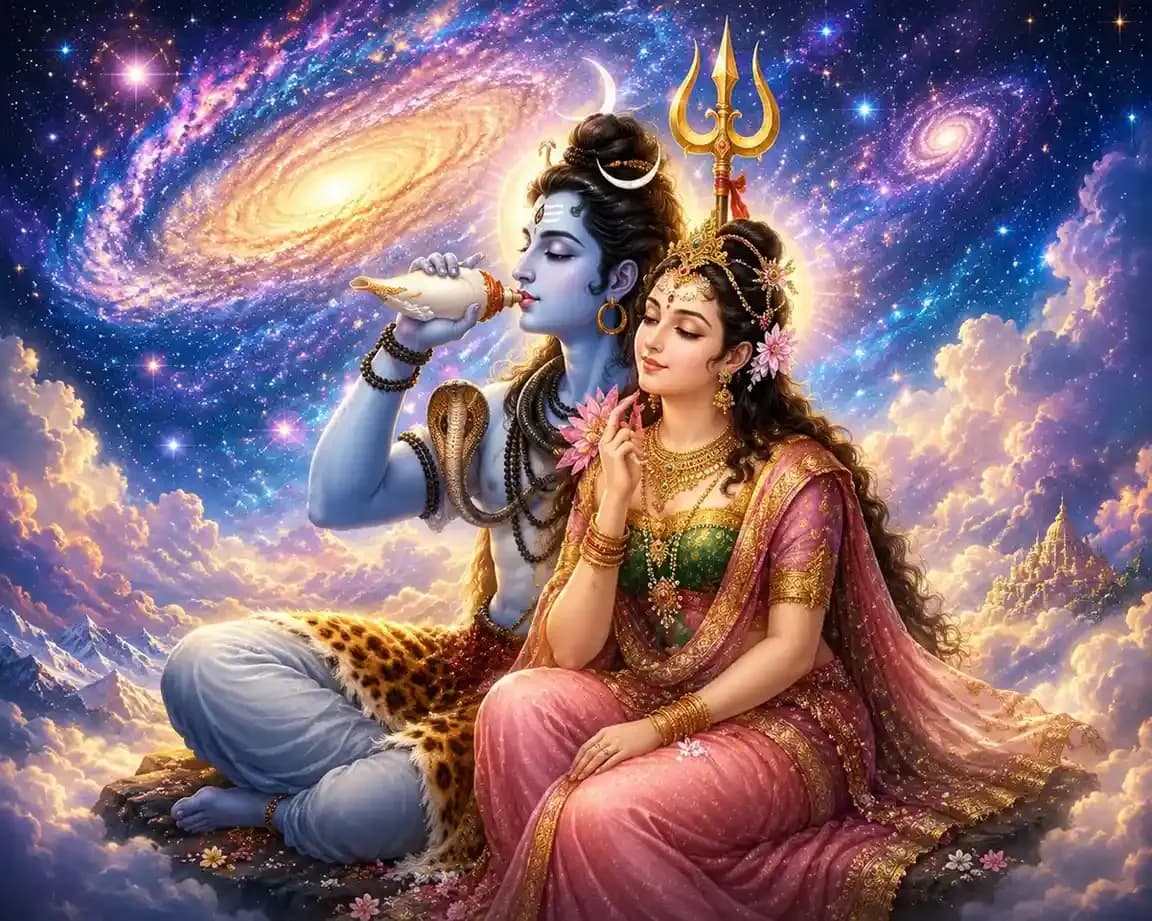
The Mangala Gauri Vrat katha — the traditional story read during the Sravana Tuesday puja — retold respectfully, with its regional variations and what it conveys, framed as tradition rather than promise.
Quick answer: The Mangala Gauri Vrat katha, read during the Sravana Tuesday puja, traditionally tells of a devout couple blessed with a son through the grace of Goddess Mangala Gauri, and of how sincere worship of the Goddess brought well-being. Regional tellings vary.
The vrat katha is read or heard during the Mangala Gowri Vratam puja. Below is a respectful retelling of the traditional story in hindutone.com’s own words, with a note on its regional variations. It is shared as tradition and narrative, not as a promise of any outcome.
When the katha is read
The katha is traditionally read after the main puja and offerings, before the aarti, with the family or gathered women listening. Reading or hearing it with devotion is considered an essential part of the observance.
The traditional story
A prosperous but childless merchant and his wife prayed devoutly for a child. Through the grace of Goddess Gauri, they were blessed with a son — though it was foretold his life would be brief. As the boy grew, the family’s sincere and continued worship of Mangala Gauri, and the blessings sought through the vratam, are described in the tradition as bringing the family protection and well-being, and the son a long and happy married life. The story is told to convey the merit of devotion to the Goddess and of keeping the vratam with a pure heart.
Different families and regions tell the katha with different names and details — some versions centre a young bride, others a merchant’s family — but the theme of sincere devotion to Mangala Gauri and the well-being it is said to bring the household runs through them all.
What the story conveys
The katha’s traditional message is the value of devotion, sincerity and constancy in worship. It is a narrative that carries the spirit of the vratam; it is not a guarantee of any particular result for the listener. Devotees keep the vratam in faith and for the well-being of their family.
Reading it aloud
If you do not read the traditional script, follow along in English or in transliteration so you can read the katha aloud during the puja. A shortened retelling is fine for children, keeping the gentle theme of devotion and family.
See the full Mangala Gowri Vratam guide and the puja vidhanam.
Part of our Sravana Masam 2026 calendar and dates guide.
Frequently Asked Questions
What is the Mangala Gauri Vrat katha?
It is the traditional story read during the Sravana Tuesday puja, telling of a devout family blessed through the grace of Goddess Mangala Gauri and of the well-being sincere worship is said to bring.
When is the katha read?
After the main puja and offerings, before the aarti, with the family or gathered women listening. Hearing it with devotion is considered an essential part of the observance.
Are there different versions of the katha?
Yes. Families and regions tell it with different names and details, but the theme of sincere devotion to Mangala Gauri and the household well-being it is said to bring runs through all of them.
What does the story teach?
Its traditional message is the value of devotion, sincerity and constancy in worship. It carries the spirit of the vratam and is not a guarantee of any particular result.
Can I read the katha in English?
Yes. If you do not read the traditional script, read along in English or transliteration so you can read the katha aloud during the puja.
Can I tell a shortened version to children?
Yes. A gentle, shortened retelling keeping the theme of devotion and family is well suited to children.
Does reading the katha guarantee any outcome?
No. The katha is shared as tradition and narrative. The vratam is kept in faith and for family well-being, without any guarantee of a particular result.
Is the katha the same across Telugu, Kannada and Marathi practice?
The core theme is shared, but the telling — names, details and emphasis — varies by region and family. Follow the version your family reads.
You might also like
Rama Ekadashi 2026: Date, Vrat Katha, Puja Vidhi & Significance
Ganesh Chaturthi in India: Celebrations Across the Country (2026 Guide)
How the UK Celebrated Ganesh Chaturthi & Visarjan 2026: A City-Wise Guide